
The Mediterranean Heartbeat: Exploring Chile's Zona Central
Chile's Zona Central is a vibrant and densely populated core that serves as its economic and cultural heart. Its Mediterranean climate supports fertile valleys, coastal ranges, and the Andes, which foster agriculture, urban development, and biodiversity shaped by seasonal rainfall and geographical features.
Valleys of Abundance: A Comprehensive Look at Chile's Zona Central Region
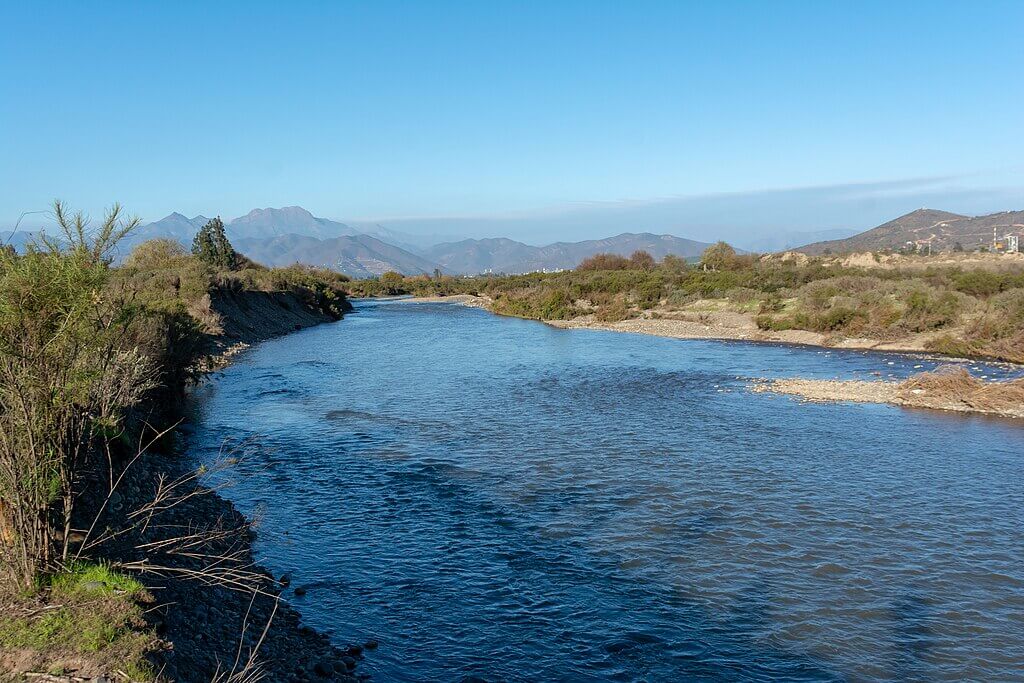
Chile's Zona Central, extending approximately 800 kilometers (500 miles) from the Aconcagua River south to the Biobío River, represents the vibrant and most densely populated core of the country. Recognized as one of Chile's five pivotal natural regions by CORFO in 1950, this zone embodies the nation's demographic, economic, and cultural center, defined by a classic Mediterranean climate. It is a landscape of fertile valleys, flanked by prominent coastal ranges and the towering peaks of the Andes, that have fostered intensive agriculture, significant urban development, and rich biodiversity, all shaped by distinct seasonal rainfall patterns and the enduring presence of both mountains and sea.
A Mediterranean Climate: The Rhythm of Wet Winters and Dry Summers
The defining climatic feature of the Zona Central is its pronounced Mediterranean climate. This means the region experiences hot, dry summers, often extending from November to March, and mild, wet winters, typically from May to August. Rainfall is concentrated during the winter months, a crucial period for replenishing water reserves and sustaining the region's vegetation. Annual precipitation totals vary across the zone, increasing progressively from north to south, ranging from around 300 mm (12 in) near Santiago to over 1,000 mm (39 in) closer to the Biobío River. Temperatures are generally moderate, with average summer highs ranging from 25°C to 30°C (77°F to 86°F) and winter lows rarely dropping below freezing in the populated valleys, though frost can occur. This distinct seasonal rhythm profoundly influences the region's natural cycles, agricultural practices, and human lifestyle.
Topographical Features: Valleys, Ranges, and Andean Giants
The topography of the Zona Central is characterized by three prominent parallel strips. Along the Pacific coast lies the Coastal Range (Cordillera de la Costa), a lower mountain chain running parallel to the Andes, with peaks generally ranging from 500 to 2,000 meters (1,640 to 6,560 feet). This range influences coastal microclimates and serves as a natural barrier. East of the Coastal Range lies the fertile Central Valley (Valle Central or Depresión Intermedia), a vast plain approximately 1,000 kilometers (620 miles) long and varying in width from 40 to 80 kilometers (25 to 50 miles). This valley, formed by ancient glacial and alluvial deposits, is highly fertile and serves as the agricultural heartland and primary population center.
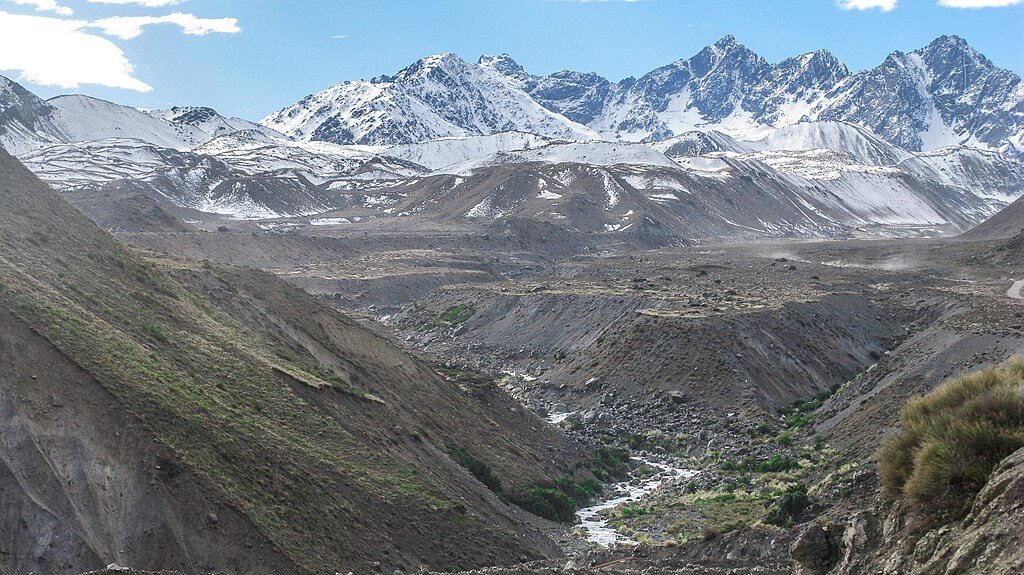
To the east, the majestic Andes Mountains rise dramatically, forming Chile's natural border with Argentina. In the Zona Central, the Andes are characterized by imposing snow-capped peaks, many exceeding 5,000 meters (16,400 feet) in elevation, including Mount Aconcagua (though geographically in Argentina, its influence is strongly felt here). These high mountains are the source of numerous rivers that nourish the Central Valley, which is crucial for irrigation and hydroelectric power. Volcanic activity is also evident in the Andean chain, featuring several active volcanoes.
Endemic Richness: Flora and Fauna of the Mediterranean Zone
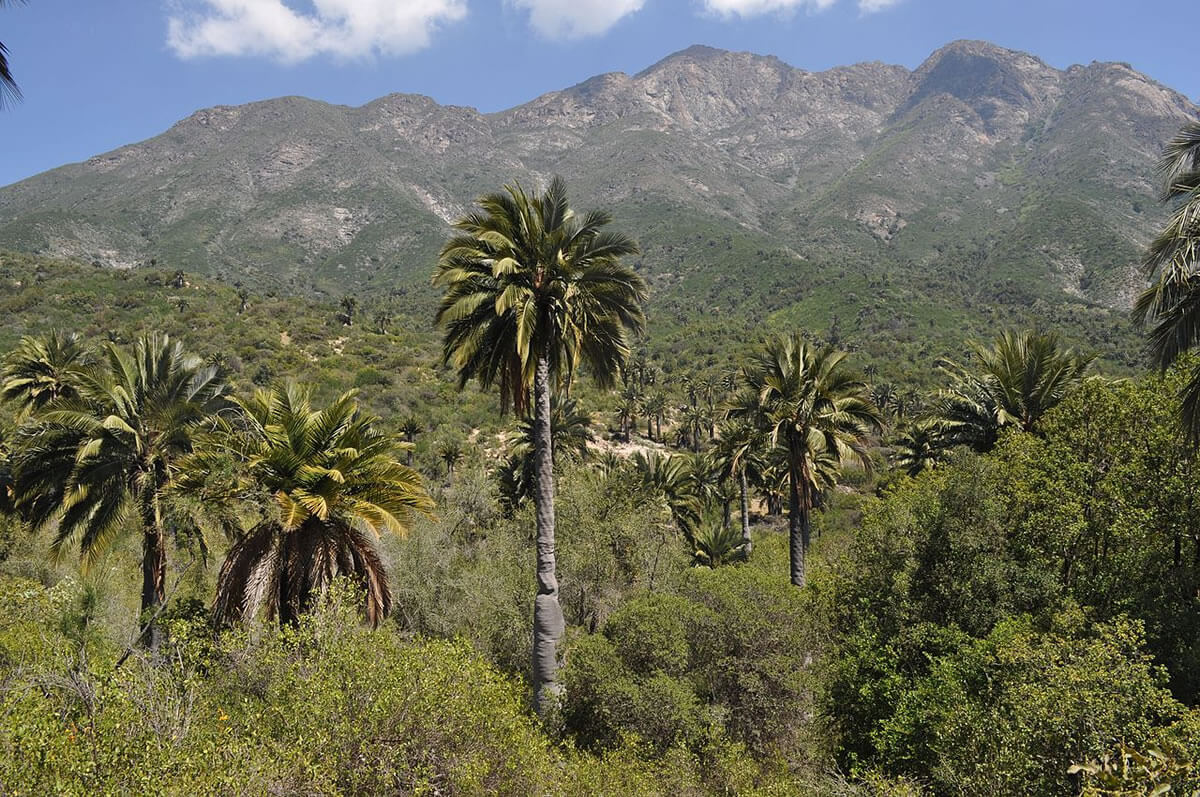
The Zona Central boasts a rich and diverse flora, adapted to its Mediterranean climate with strategies to endure the dry summers. The natural vegetation is dominated by sclerophyllous forests and shrublands, characterized by evergreen trees and shrubs with tough, leathery leaves that help minimize water loss. Iconic species include the boldo (Peumus boldus), quillay (Quillaja saponaria), and litre (Lithraea caustica). In areas with more consistent moisture, deciduous forests can also be found. The Central Valley, extensively transformed by agriculture, has lost much of its original vegetation; however, efforts to conserve remaining patches are ongoing. Higher up in the Andes, the vegetation transitions to Andean scrub and alpine meadows, adapted to colder temperatures and shorter growing seasons.
The fauna of the Zona Central includes a variety of species; however, many face pressure due to habitat loss and fragmentation caused by urbanization and agriculture. Mammals such as the culpeo fox (Lycalopex culpaeus), Darwin's fox (Lycalopex fulvipes), and various smaller rodents are present. The birdlife is diverse, ranging from common passerines to birds of prey like the Chilean hawk (Accipiter chilensis) and the peregrine falcon (Falco peregrinus). Additionally, reptiles and amphibians inhabit the region, often found near water sources. The national parks and reserves in the area play a crucial role in protecting the remaining populations of native wildlife.
The Heartbeat of Chile: Agriculture, Urbanization, and Culture
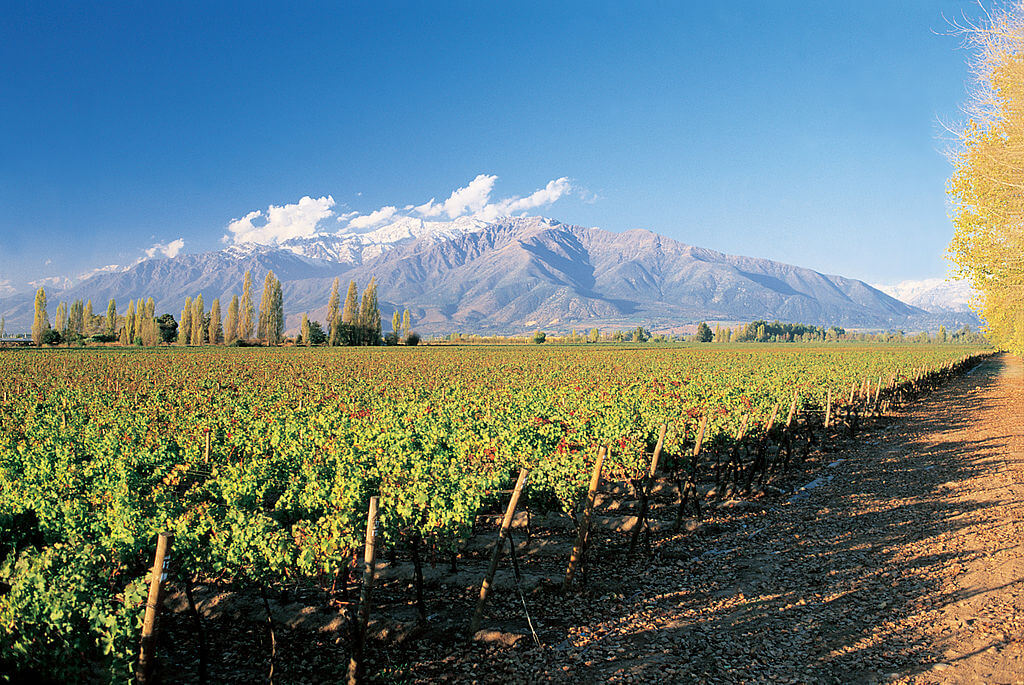
The Zona Central is Chile's most vital region regarding economy and population. The fertile Central Valley serves as the nation's agricultural powerhouse, producing a vast array of crops, including wine grapes (making Chile a world-renowned wine producer), fruits such as apples, pears, peaches, and berries, as well as vegetables. Livestock farming is also significant. The region's robust agricultural base has fueled its economic development.
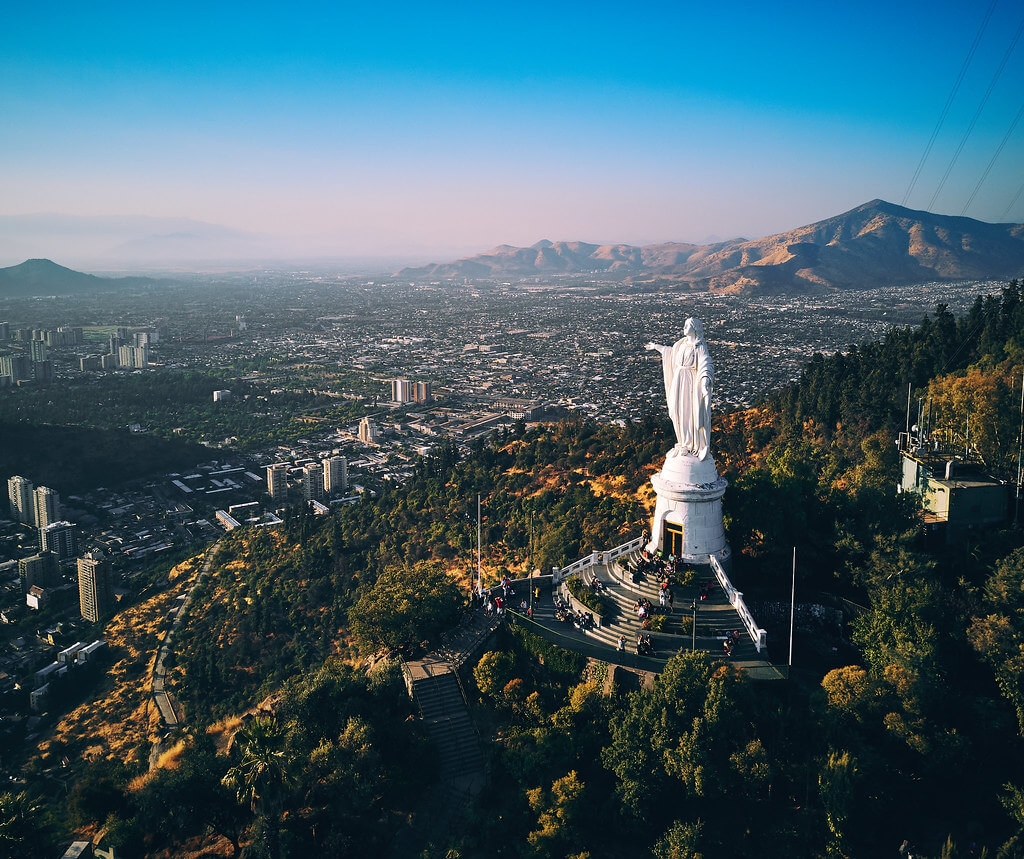
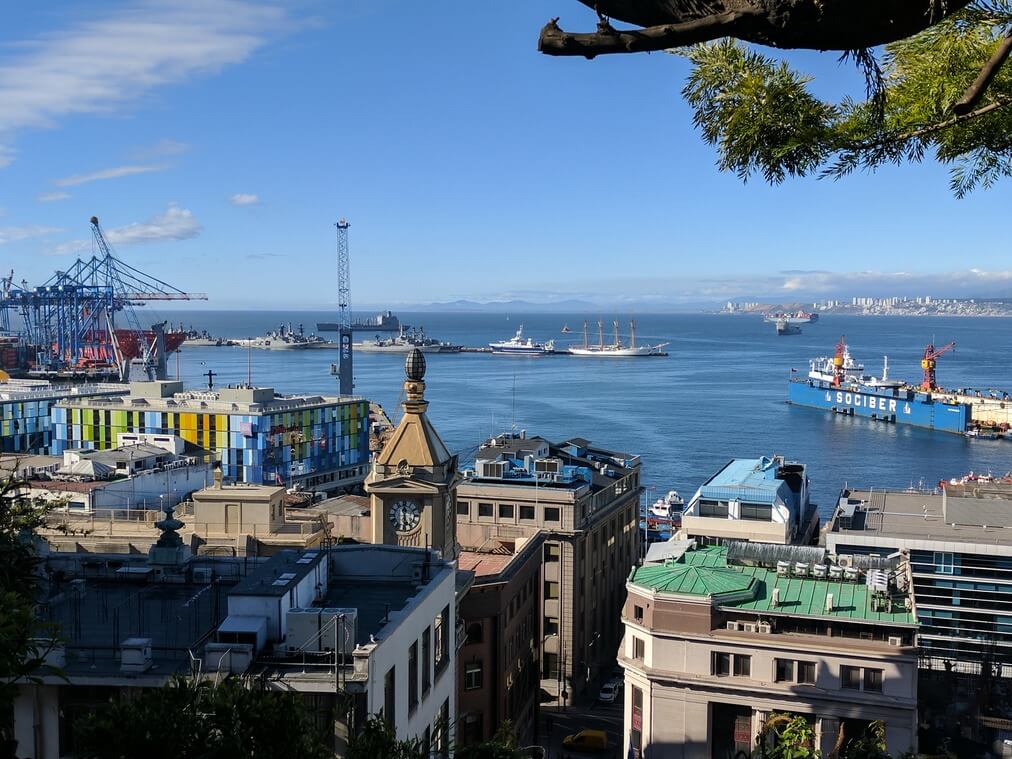
Urbanization is profound, with Chile's capital and largest city, Santiago, dominating the northern part of the Central Valley. Home to over 7 million inhabitants (more than a third of the country's population), Santiago serves as the political, financial, and cultural center of Chile, hosting major government institutions, universities, and industries. Other important cities include Valparaíso, a UNESCO World Heritage site known for its colorful hillside houses and vibrant port, as well as Viña del Mar, a popular coastal resort city, both located in the coastal areas near the Aconcagua River. The dense population and extensive infrastructure development have, however, led to environmental challenges, including air pollution in Santiago and habitat loss in the Central Valley.
Notable Landmarks and Attractions
The Zona Central is rich in iconic landmarks and attractions that reflect its natural beauty, historical significance, and cultural vibrancy. The bustling capital city of Santiago offers a compelling blend of colonial architecture juxtaposed with modern skyscrapers, a wealth of museums such as the esteemed Museo Nacional de Bellas Artes, expansive parks including the popular Parque Metropolitano with its prominent Cerro San Cristóbal, and a diverse array of vibrant neighborhoods, each with its own distinct character.
The picturesque port city of Valparaíso, a designated UNESCO World Heritage site, captivates visitors with its unique urban design, characterized by steep hillsides adorned with colorful houses and connected by historic ascensores, or funiculars. Nearby, Viña del Mar, often referred to as the "Garden City," is a popular coastal resort that boasts beautiful beaches, meticulously maintained lush gardens, and the internationally recognized annual Viña del Mar International Song Festival.
Inland, the Maipo Valley stands as one of Chile's most renowned wine regions, inviting exploration of its numerous vineyards and wineries that offer tours and tastings of their acclaimed vintages, with other significant wine-producing areas like the Colchagua Valley and Curicó Valley also within reach. To the east of Santiago, the dramatic Cajón del Maipo, a scenic Andean canyon, provides ample opportunities for outdoor enthusiasts, including hiking, rafting along the Alto Maipo River, and relaxing in natural hot springs, all set against a backdrop of stunning mountain vistas.
During the Southern Hemisphere winter, the Andean slopes near Santiago become a haven for skiers and snowboarders, with world-class ski resorts such as Valle Nevado, La Parva, and Farellones drawing winter sports enthusiasts. For those seeking natural immersion closer to the capital, the Reserva Nacional Río Clarillo acts as a protected area preserving important remnants of the native Mediterranean sclerophyllous forest and providing scenic hiking trails.
Conclusion: The Nexus of Nature and Human Endeavor
Chile's Zona Central, characterized by its distinctive Mediterranean climate and the unique interplay of its Central Valley, Coastal Range, and the towering Andes, stands as the demographic and economic heart of the nation. Recognized by CORFO for its pivotal role, this natural region showcases a compelling blend of intensive agriculture, dynamic urban centers, and a resilient natural environment, including endemic flora and diverse fauna. Despite the pressures of human development, the Zona Central continues to draw upon its rich natural resources, from the fertile soils that produce world-renowned wines to the Andean peaks that provide water and recreational opportunities. The Zona Central is a living testament to Chile's ability to thrive at the nexus of formidable natural forces and vigorous human endeavor, embodying the nation's past, present, and future.
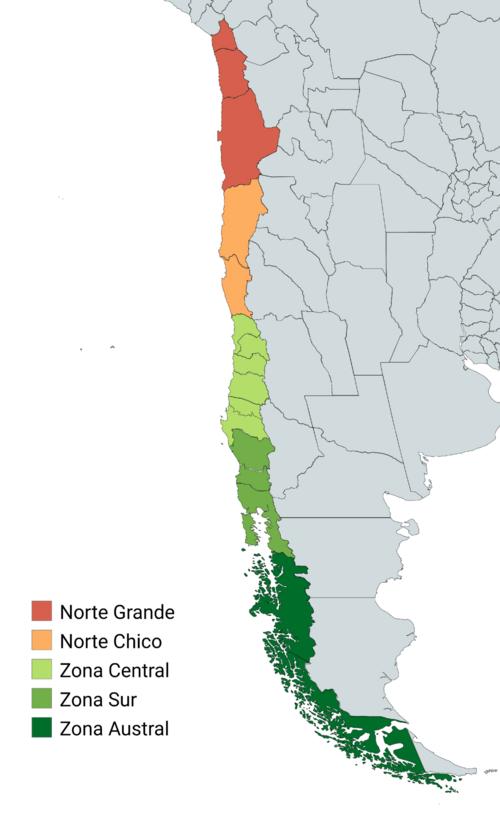
Map depicting the natural regions of Chile.