
The Winding Waterways of Tierra del Fuego: Exploring the Strait of Magellan and Beagle Channel
The Strait of Magellan and Beagle Channel, the two great navigable passages through Tierra del Fuego, connected the Atlantic and Pacific for four centuries before the Panama Canal and carried Darwin toward his theory of evolution — waterways that were, for millennia before any European sailed them, the ancestral home of the Yahgan people, whose language fell silent with the death of its last native speaker in 2022.

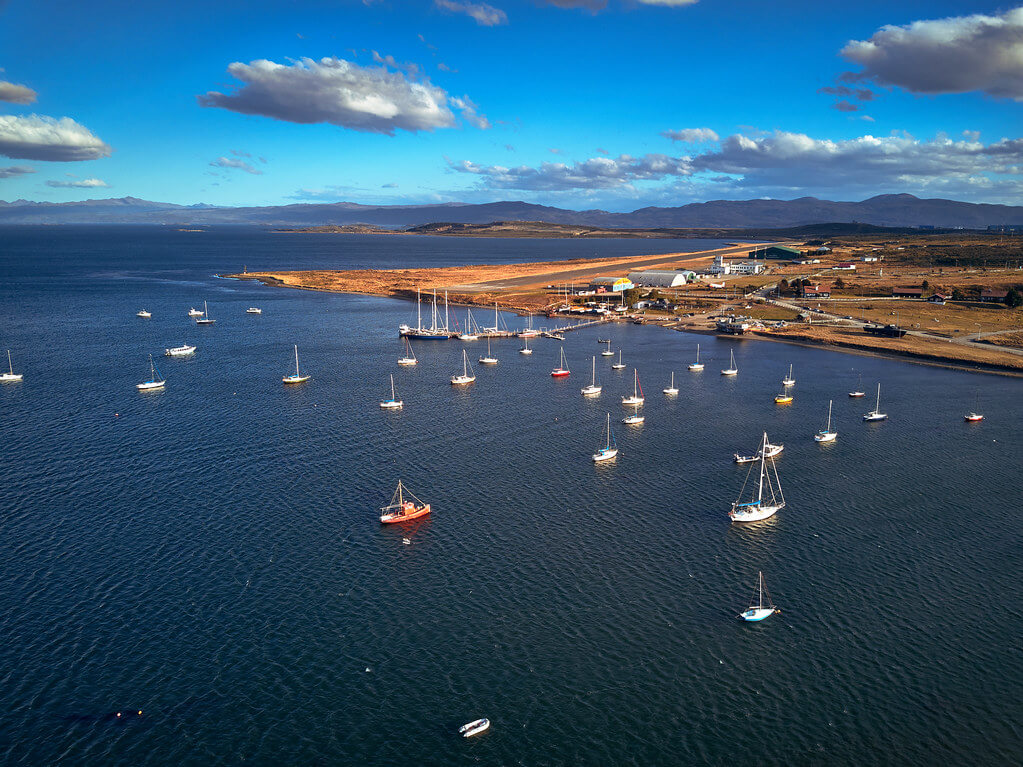
The Strait of Magellan and Beagle Channel: Passages That Shaped a Continent, and the People Who Called Them Home
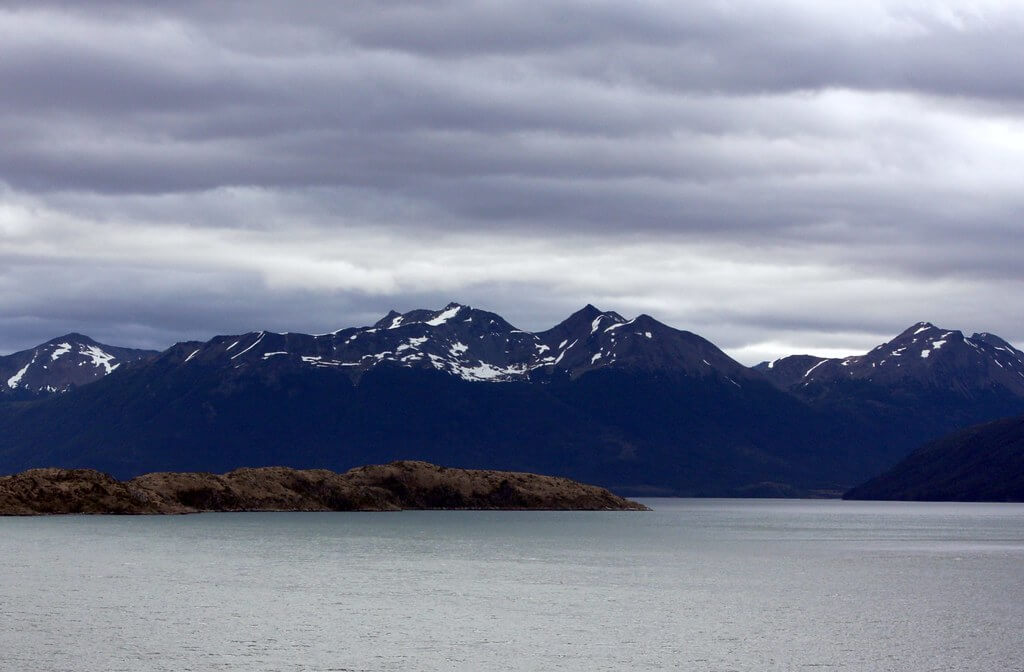
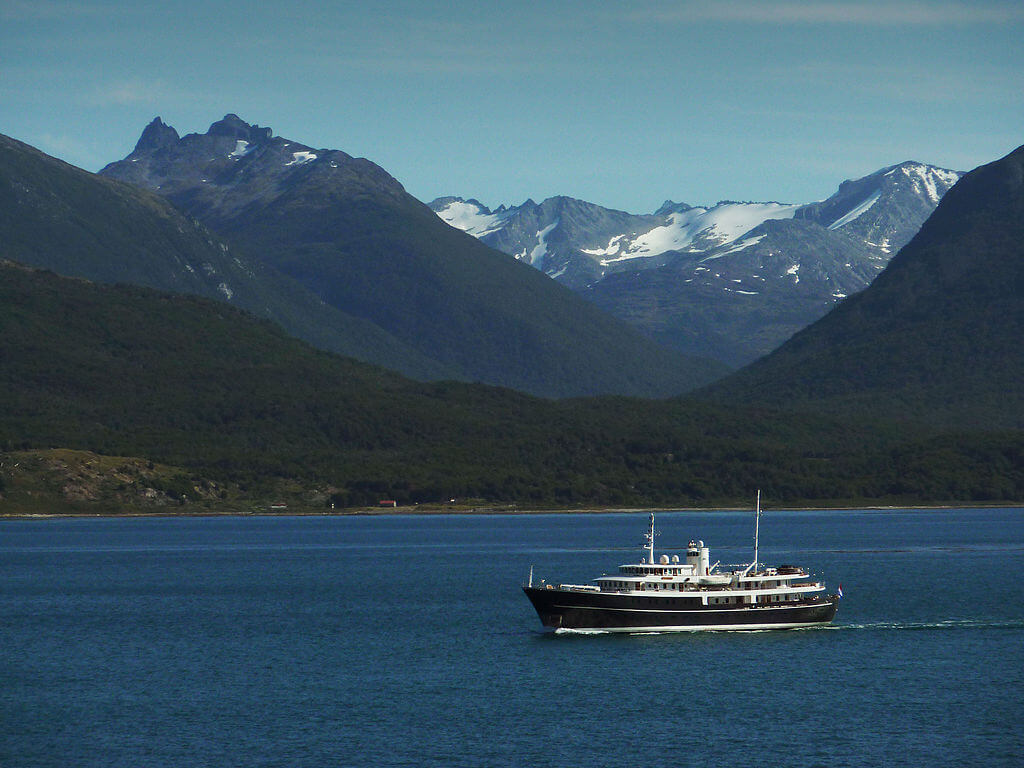
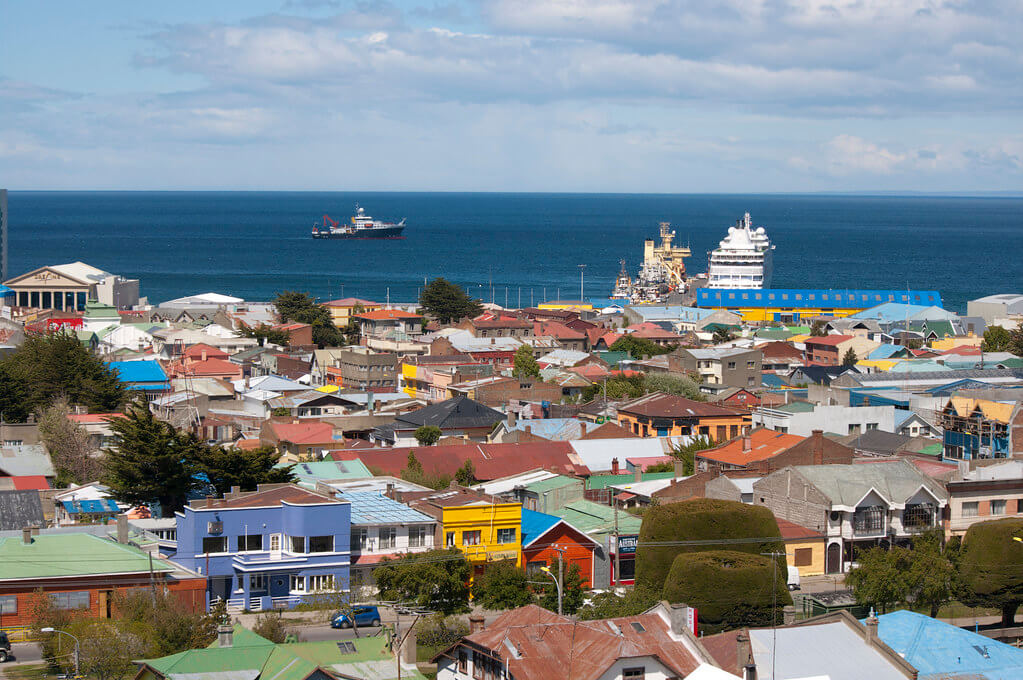
Threading through the Tierra del Fuego archipelago at the southern tip of South America, the Strait of Magellan and the Beagle Channel are the two great navigable passages that, for nearly four centuries, connected the Atlantic and Pacific oceans without requiring ships to round Cape Horn's notoriously dangerous open waters. Both waterways carry names owed to famous voyages of exploration, and both were, for thousands of years before either European expedition arrived, home to Indigenous communities who had mastered a life lived almost entirely on and around the water.
The Strait of Magellan: A Passage Four Centuries in the Making
Ferdinand Magellan discovered the strait that bears his name in October 1520, becoming the first European to find a navigable sea route connecting the Atlantic and Pacific oceans. His fleet spent 38 harrowing days navigating the passage's 570 km (354 mi) of channels, bays, and narrows, losing one ship to desertion along the way. The strait's width varies dramatically, from over 30 km (19 mi) in its broader eastern reaches to just 2 km (1.2 mi) at the aptly named Primera Angostura (First Narrows).
Navigating the strait remains a formidable challenge even with modern instrumentation. Sudden, violent squalls known as williwaws, born when cold air masses descend rapidly from the surrounding mountains, can develop with almost no warning and generate wind gusts exceeding 100 km/h (62 mph) in a matter of minutes. Strong tidal currents, in places exceeding 8 knots, combine with these winds to create dangerous conditions that claimed hundreds of ships in the centuries before reliable steam power and radar. To this day, all commercial vessels transiting the strait are required to take on a certified local pilot, a maritime profession that has passed skills and route knowledge from one generation to the next since the earliest days of steam navigation, and one that remains essential even now.
The Beagle Channel: Darwin's Passage
South of the main strait, the Beagle Channel takes its name from HMS Beagle, the survey ship that carried both Captain Robert FitzRoy and the young naturalist Charles Darwin through these waters during the 1830s. Darwin's observations here, recorded in his diary and later distilled into The Voyage of the Beagle, would prove formative to his eventual theory of evolution. His encounters with the Yahgan people who lived along the channel's shores left a lasting, if complicated, impression that shaped 19th-century European views of Tierra del Fuego for decades afterward.
The channel's strategic value became a matter of serious international dispute in the 20th century. In 1978, Chile and Argentina came to the brink of war over sovereignty of three small islands, Picton, Lennox, and Nueva, near the channel's eastern mouth, a crisis defused only through last-minute papal mediation. The resulting 1984 Treaty of Peace and Friendship, brokered by the Vatican, resolved the dispute peacefully and stands as a significant example of successful international arbitration in a region otherwise defined by centuries of contested sovereignty.
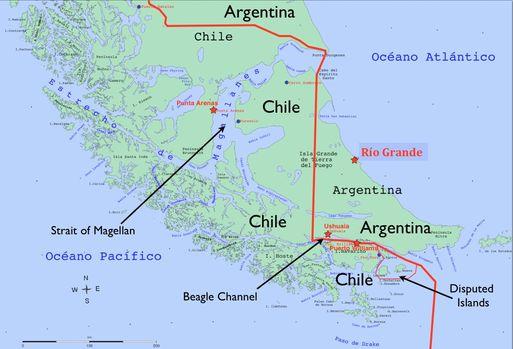
Map illustrating the Strait of Magellan and Beagle Channel in Tierra del Fuego.
The Yahgan: Masters of a Maritime World
For at least 6,000 years before European contact, the Yahgan (also spelled Yaghan, and known to themselves as Yámana) people inhabited the channels and islands south of the Beagle Channel, developing one of the most remarkable adaptations to cold-water maritime life found anywhere in the world. Traveling in bark canoes between scattered island camps, the Yahgan wore little clothing despite the region's frigid temperatures, relying instead on a layer of seal or otter fat, constant physical activity, and fires that were kept burning even inside their canoes as they paddled between islands, a practice so distinctive that the smoke and flame visible from the channel are widely believed to be the very "fires" that gave Tierra del Fuego its name when Magellan's expedition first observed them from a distance.
The Yahgan language, a linguistic isolate unrelated to any other known language family, was extraordinarily rich in vocabulary specific to their maritime environment and social life; one Yahgan word, "mamihlapinatapai," describing a wordless look shared between two people who each want the other to initiate something neither wishes to begin first, is sometimes cited as one of the most difficult words in the world to translate, and stands as a small linguistic window into a culture built around close-knit, interdependent communities.
European contact, beginning in earnest in the 19th century, brought disease and displacement that devastated the Yahgan population within a few generations, from an estimated 3,000 individuals at the time of the Beagle's voyages to only a handful of families by the mid-20th century. That decline reached its final chapter in February 2022, with the death of Cristina Calderón, known affectionately as "Abuela Cristina," at the age of 93. Calderón was both the last fully Yahgan person of unmixed descent and the last fully fluent native speaker of the Yahgan language. Her passing marked the effective end of the language as a living, natively spoken tongue, even as her granddaughter and other descendants in Villa Ukika, near Puerto Williams, continue efforts to document and revive it from the recordings, dictionaries, and stories Calderón left behind.
Life in the Passages
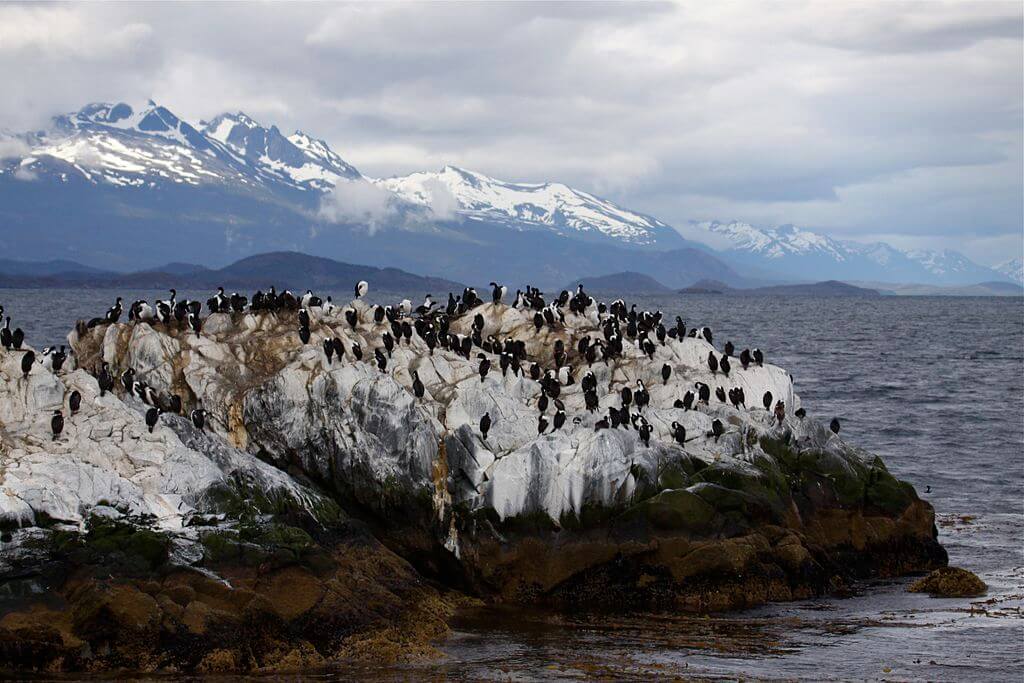
The waters of both the strait and the channel support a remarkable concentration of marine life, sustained by the same cold, nutrient-rich currents that make navigation here so treacherous. Humpback and southern right whales (Eubalaena australis) pass through these waters on their migratory routes, while orcas (Orcinus orca) hunt seals and sea lions along the channel's rocky shorelines. The Chilean dolphin (Cephalorhynchus eutropia), among the smallest and least-studied dolphin species in the world, is found nowhere outside these southern Chilean waters. Colonies of Magellanic penguins nest along both waterways' shores, while imperial cormorants (Leucocarbo atriceps) and wandering albatrosses (Diomedea exulans), the latter boasting the largest wingspan of any living bird, ride the same fierce winds that make the passages so hazardous to ships.
Modern Challenges
Both waterways face mounting environmental pressure from a combination of increasing maritime traffic, particularly cruise ships bound for Antarctica and Cape Horn, and the broader effects of climate change on the region's marine ecosystems. Fishing fleets targeting Patagonian toothfish and king crab operate throughout the region, and balancing this economic activity with conservation of the strait and channel's marine life remains an ongoing challenge for Chilean and Argentine authorities alike, coordinated in part through the same transboundary cooperation that resolved the 1978 Beagle Channel dispute.
Conclusion
The Strait of Magellan and the Beagle Channel remain, in every sense, passages: geographically, between two oceans; historically, between the age of sail and the modern era of steam and satellite navigation; and culturally, between a Yahgan world that sustained itself here for six millennia and the one that succeeded it. Cristina Calderón's death in 2022 closed one chapter of that history for good. However, the waterways themselves, and the wildlife that still depends on them, remain as central to this remote corner of the world as they were when Magellan and Darwin each, in their own centuries, first sailed through.