Ecuador

The Mojanda Lakes Complex: A Testament to Ecuador's Volcanic Legacy

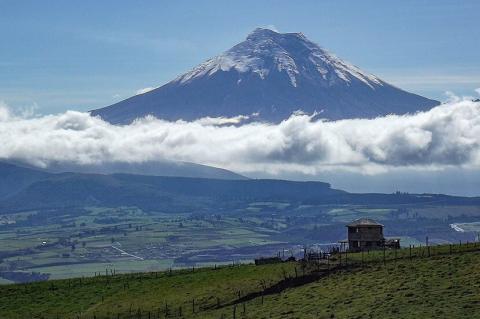
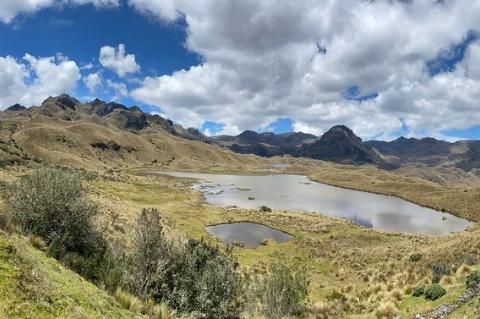
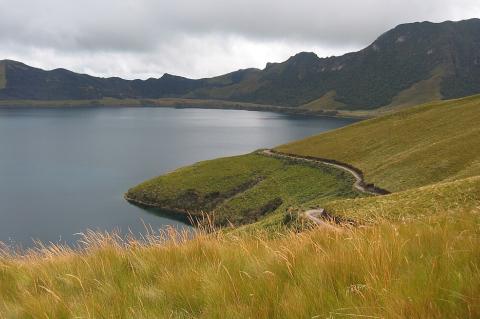
High in northern Ecuador's Andean highlands, where páramo grasslands meet mountain air, lies the Mojanda Lakes complex. These three turquoise lakes sit within an ancient volcanic caldera, telling a story of geological evolution that spans hundreds of thousands of years. The complex is a unique example of simultaneous volcanic activity, with two stratovolcanoes—Mojanda and Fuya Fuya—forming at the same time, yet exhibiting very different eruptive behaviors and magmatic compositions.

The Napo Moist Forests: A Biodiversity Hotspot in the Amazon Basin

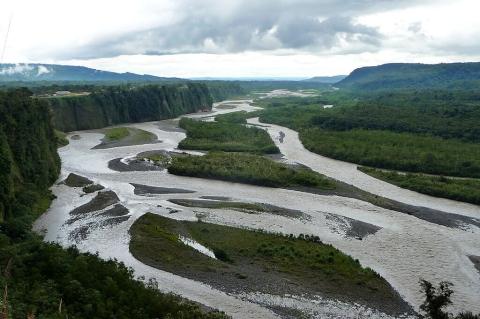
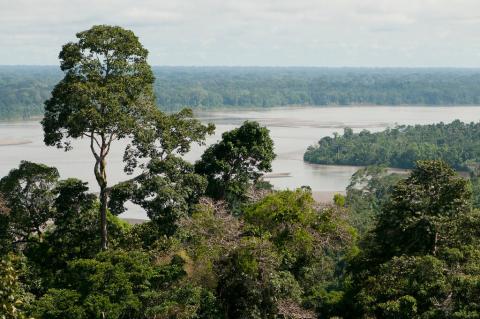
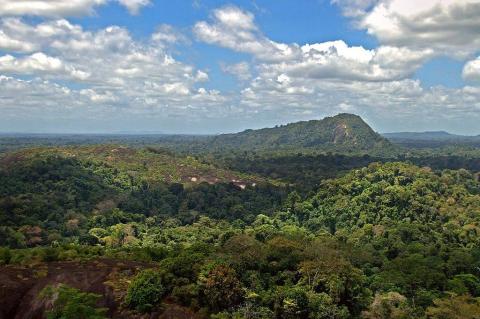
The Napo Moist Forests ecoregion, a lush and diverse expanse of tropical rainforest, is located in the western Amazon Basin, primarily within Ecuador and Peru, extending into southern Colombia. This ecoregion, known for its unparalleled biodiversity, encompasses a variety of habitats, from lowland rainforests to montane forests, supporting an incredible array of flora and fauna. The region's ecological significance and cultural heritage make research and protection vital.

The Northern Andean Páramo: A High-Altitude Sanctuary of Biodiversity

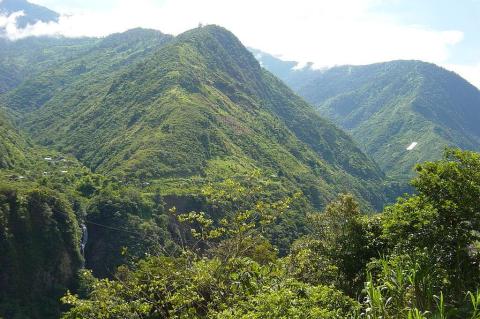
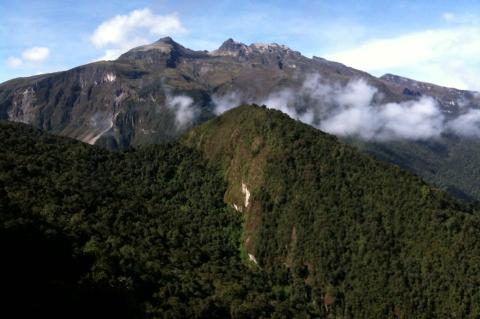
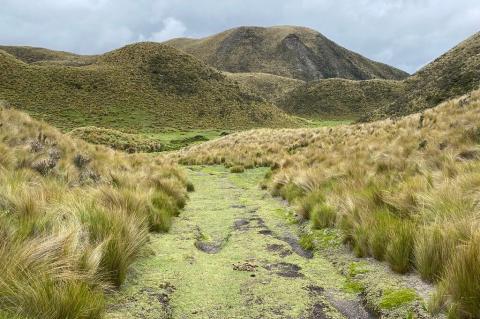
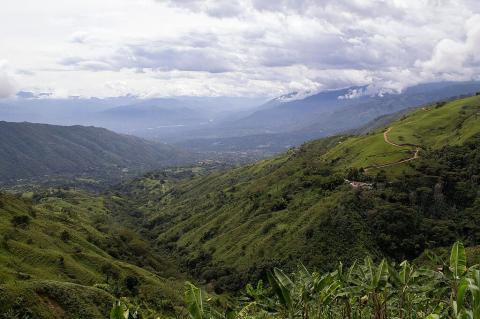
Soaring high above Colombia and Ecuador's cloud forests and montane landscapes, the Northern Andean páramo is a truly remarkable and unique ecoregion. This vast expanse of high-altitude grasslands, wetlands, and shrublands is a vital component of the Andes ecosystem and a global biodiversity hotspot teeming with an array of specialized plant and animal life found nowhere else on Earth.

The Pan-American Highway: Linking North, Central, and South America

Stretching from the frozen tundras of Alaska to the windswept landscapes of Tierra del Fuego, the Pan-American Highway is a testament to human ingenuity and the indomitable spirit of connectivity. This vast network of roads is one of the most extensive and ambitious transportation systems ever conceived, serving as a vital artery for trade, tourism, and cultural exchange across the Americas. Despite the monumental achievements of the highway, a formidable obstacle remains – the Darién Gap.

The Podocarpus-El Condor Biosphere Reserve: Haven of Biodiversity

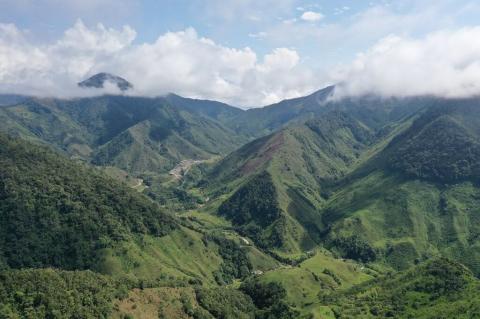
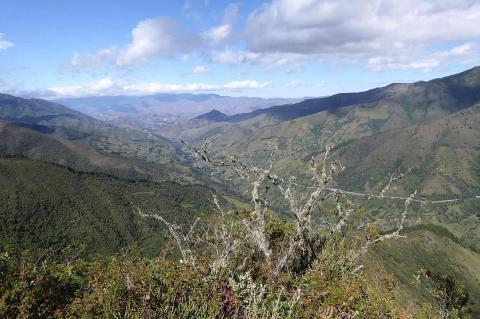
Nestled within the Andes of southern Ecuador, the Podocarpus-El Condor Biosphere Reserve spans a vast area that includes the Podocarpus National Park and Yacurí National Park. It is globally recognized for its exceptional biodiversity and unique ecosystems. It stands as a testament to the beauty of nature and the critical importance of conservation.

The Putumayo River: A Vital Corridor of Life and Culture

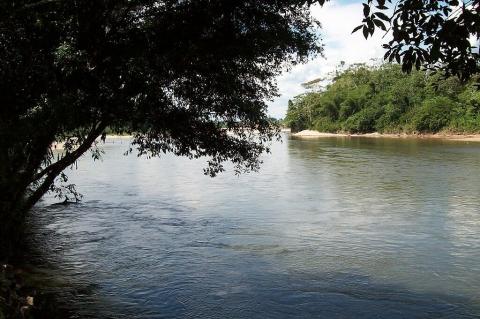
Flowing through the dense rainforests of South America, the Putumayo River—known as the Içá River in Brazil—is a lifeline for the Amazon basin. Stretching across Colombia, Ecuador, Peru, and Brazil, this transboundary river is a vital ecological, cultural, and economic resource for the region. Its diverse ecosystems, rich cultural heritage, and pivotal role in local and international trade make it a key feature of South America's natural landscape.

The Qhapaq Ñan: Weaving an Empire Through Stone and Sky

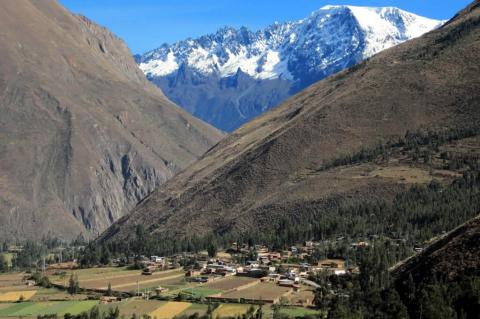
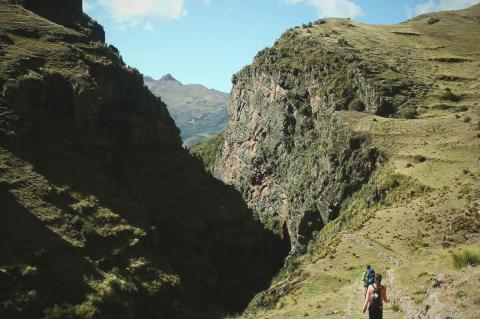
Stretching across the spine of South America, the Qhapaq Ñan represents one of humanity's most ambitious engineering achievements. This network of pathways once carried the footsteps of llamas laden with precious cargo, alpacas bearing the finest textiles, and chasqui messengers racing between distant provinces of the vast Inca Empire. More than mere roads, these ancient highways served as the nervous system of Tawantinsuyu, the "Land of the Four Quarters," binding together a realm that spanned from the emerald depths of the Amazon to the windswept altiplano.

The Sechura Desert Ecoregion: A Realm of Unexpected Biodiversity and Coastal Contrasts

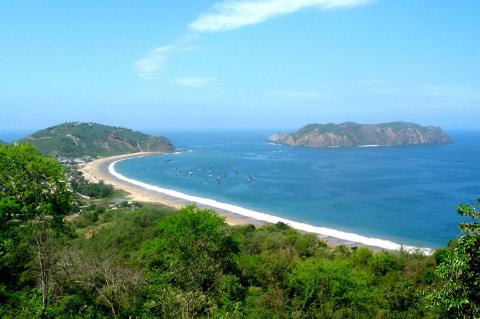
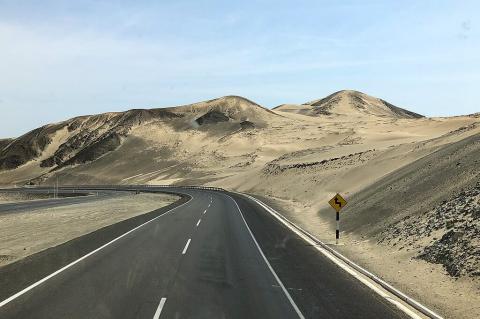
The western edge of South America, where the towering Andes meet the cool embrace of the Pacific Ocean, is etched with a series of arid landscapes. Among these, the Sechura Desert ecoregion stands out not merely as a barren expanse, but as a surprisingly dynamic and ecologically significant zone. Stretching along the northern coast of Peru and a small portion of southern Ecuador, this ecoregion reveals a unique interplay of hyper-arid conditions, unexpected biodiversity, and the intricate influence of the adjacent marine environment.

The Tumbes-Piura Dry Forests: A Biodiversity Hotspot within the Tumbes-Chocó-Magdalena Region

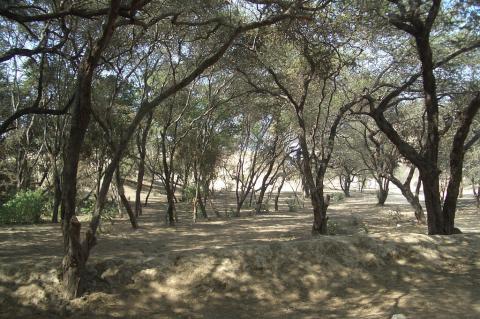
The Tumbes-Piura dry forests ecoregion is nestled along the Pacific coast of northwestern Peru and southwestern Ecuador. This unique and remarkable ecosystem is part of the larger Tumbes-Chocó-Magdalena biodiversity hotspot. This ecoregion, often overshadowed by the more well-known tropical rainforests of the Amazon basin, is a biodiversity hotspot in its own right, harboring an exceptional concentration of endemic species and facing significant conservation challenges.

Tropical Andes - Biodiversity Hotspot: Preserving the Ecological Jewel

The Tropical Andes region spans from northern Venezuela to Bolivia and includes the northernmost Andes mountain ranges. This region is home to the Tropical Andes Biodiversity Hotspot, the most biologically diverse of all known hotspots and harbors around one-sixth of all plant life on the planet. However, the Tropical Andes are encountering significant challenges that threaten their ecological significance.