Protected Areas in South America

Paracas National Reserve: A Coastal Desert Haven in Peru

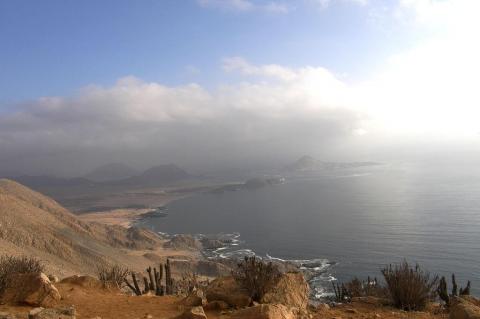
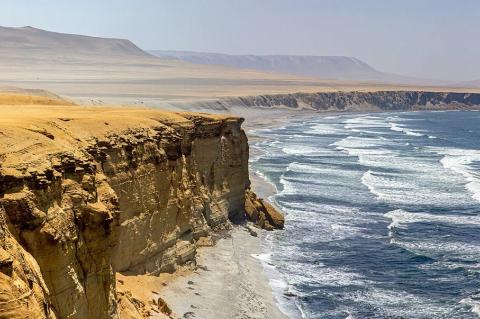
Paracas National Reserve is a unique protected area located in the Ica region of Peru, spanning coastal desert and marine ecosystems, making it a critical conservation area in South America. The reserve encompasses the Paracas Peninsula, Independence Bay, and surrounding desert regions, offering a rich mosaic of landscapes supporting diverse wildlife. In addition to its natural beauty, Paracas is steeped in archaeological history, with remnants of the ancient Paracas culture visible in the region. The combination of ecological significance and cultural heritage makes the Paracas National Reserve an exceptional destination.

Paraguaná and Médanos de Coro: Where Desert Meets the Caribbean

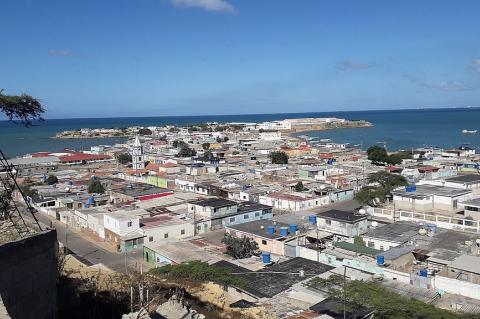
The Paraguaná Peninsula, nestled between the Caribbean Sea and the Gulf of Venezuela, is rich in natural beauty, history, and economic significance. Connected to the mainland by the sandy Médanos Isthmus, the peninsula is home to Médanos de Coro National Park, a unique desert landscape of wind-sculpted dunes and coastal plains. This juxtaposition of desert and sea, combined with the area's historical role as a hub for pirates and smugglers, creates a compelling destination for ecological study and exploration.

Parima Tapirapecó: Preserving the Amazon’s Natural and Cultural Heritage

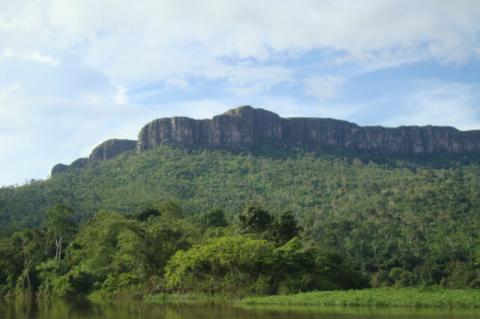
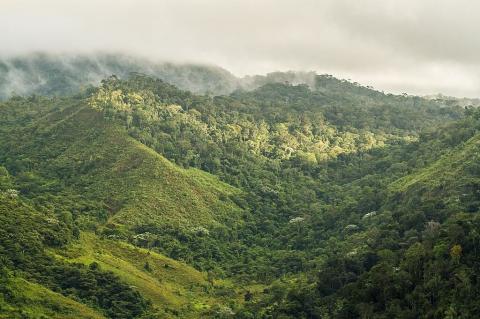
Located in the southeastern corner of Venezuela, Parima Tapirapecó National Park stands as one of the world's largest and most ecologically significant protected areas. This vast wilderness forms a critical part of the Guainan Highlands moist forests ecoregion, renowned for its rich biodiversity. Beyond its natural splendor, the park is also a vital cultural landscape. It is home to the Indigenous Yanomami people, whose deep connection to the land reflects a centuries-old relationship with nature.

Patagonia Azul: Argentina's Coastal Treasure Trove

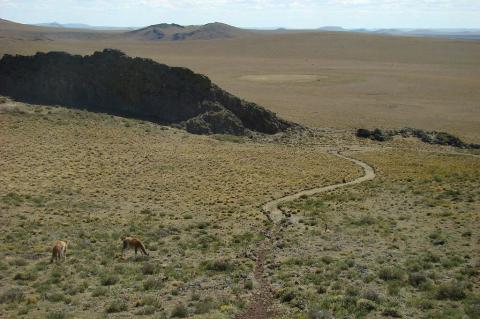
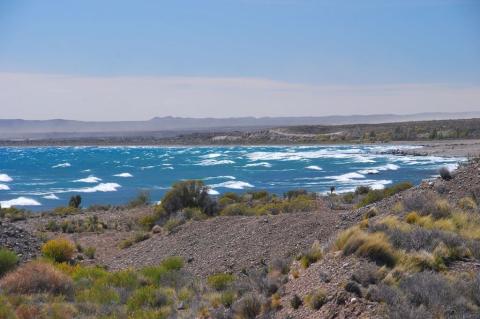
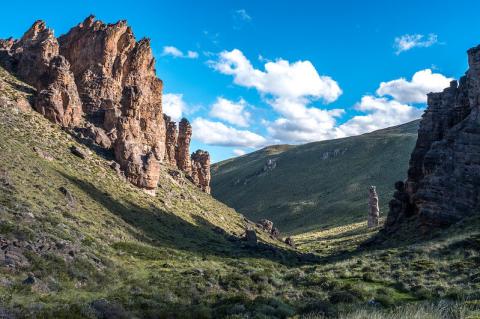
Nestled along the rugged coastline of Chubut Province in Argentine Patagonia, the Patagonia Azul Biosphere Reserve stands as a testament to this region's incredible beauty and biodiversity. Recognized by UNESCO, this vast protected area covers an impressive area, making it Argentina's largest biosphere reserve and one of the most significant marine-terrestrial conservation areas in South America. With its pristine landscapes, unique geological formations, and rich flora and fauna, the Patagonia Azul Biosphere Reserve is a true natural wonder.

Patagonia National Park: The Heart of Chilean Wilderness

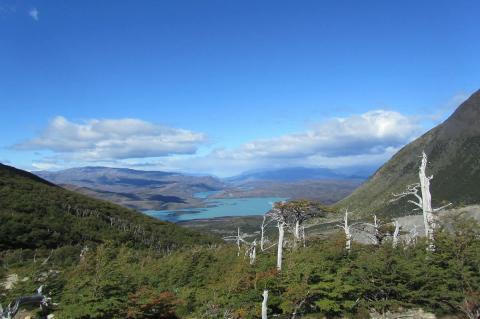
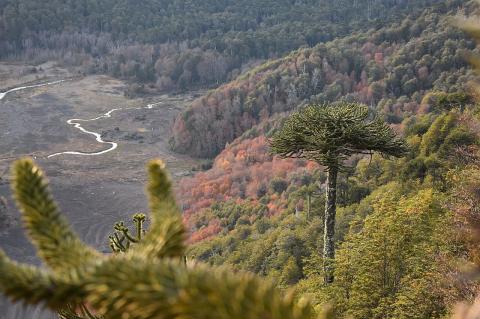
Patagonia National Park, located in the Aysén Region of southern Chile, is a vast and diverse protected area that showcases Patagonia's unique natural beauty and ecological significance. The park, encompassing a range of ecosystems from arid steppe grasslands to dense southern beech forests, serves as a crucial habitat for various flora and fauna. With its origins tied to significant conservation efforts, the park is a testament to its dedication to preserving Chile's natural heritage.

Pereyra Iraola Provincial Park and Biosphere Reserve: A Natural Oasis in Buenos Aires

Nestled between the municipalities of La Plata and Berazategui, along the banks of the majestic Río de la Plata, lies the Pereyra Iraola Provincial Park and Biosphere Reserve. This urban oasis is the largest provincial park in Argentina's Buenos Aires Province and a rich center of biodiversity, offering a sanctuary for nature enthusiasts and city dwellers alike.

Perito Moreno National Park: A Patagonian Paradise

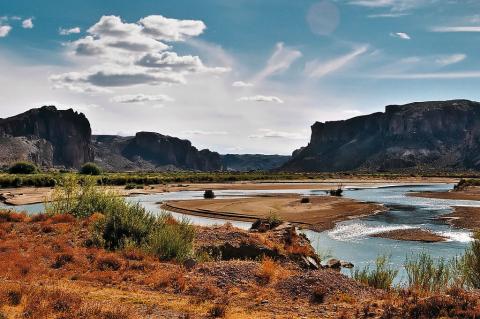
Situated in the heart of Patagonia, the southern region of Argentina, lies Perito Moreno National Park, a pristine wilderness area that showcases the beauty and grandeur of this remote corner of the world. Established in 1937, this national park is one of the oldest in Argentina. It is named after the renowned explorer Francisco "Perito" Moreno, who was crucial in establishing Argentina's park system. This protected area immerses visitors in Patagonia's rugged landscapes and diverse ecosystems.

Pico da Neblina: Brazil's Pinnacle of Wilderness and Cultural Heritage

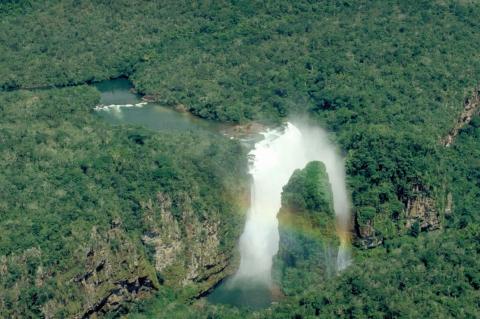
Pico da Neblina National Park, located in the far north of Brazil, is a remote and ecologically significant area encompassing Brazil's highest peak, Pico da Neblina. This vast park, bordering Venezuela, is part of the larger Amazon Rainforest biome and remains one of Brazil's most pristine and biodiverse regions. With limited human access and deep cultural ties to Indigenous peoples, the park represents an important symbol of conservation, environmental diversity, and natural beauty.

Pilón-Lajas Biosphere Reserve and Communal Lands (Bolivia)

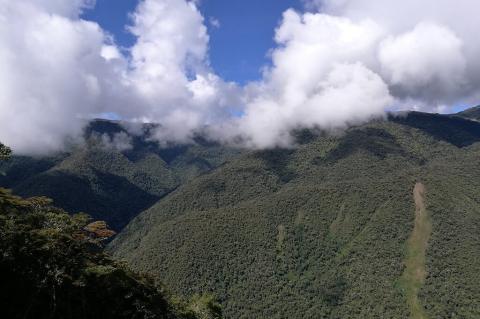
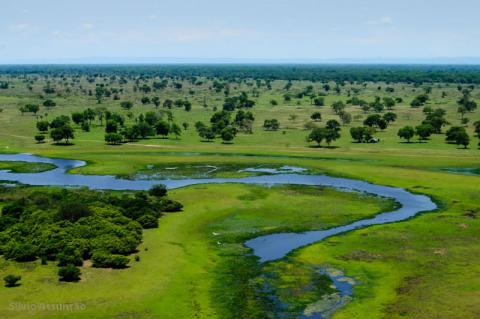
The Pilón Lajas Biosphere Reserve, located in Bolivia on the eastern spur of the Andes, is a remarkable convergence of biodiversity and cultural heritage. Spanning the departments of La Paz and Beni, this reserve encompasses various ecosystems, including humid tropical forests, subtropical forests, and Amazonian plains. Home to many plant and animal species, the reserve protects the cultural heritage of the Tsimane', Mosetene, and Tacana Indigenous communities.

Podocarpus National Park: Ecuador's Biodiversity Haven

Podocarpus National Park is a remarkable natural sanctuary in the southeastern provinces of Zamora Chinchipe and Loja in Ecuador. This park, part of the Podocarpus-El Condor Biosphere Reserve, is renowned for its immense biodiversity and unique ecosystems. Positioned at the confluence of four ecological systems—the Northern Andes, Southern Andes, Amazonian, and Pacific regions—Podocarpus National Park is a treasure trove of endemic species and diverse habitats.