Bodies of Water of South America

Magdalena River and Basin: Colombia's Lifeline

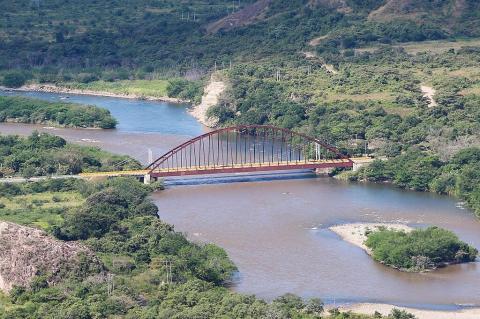
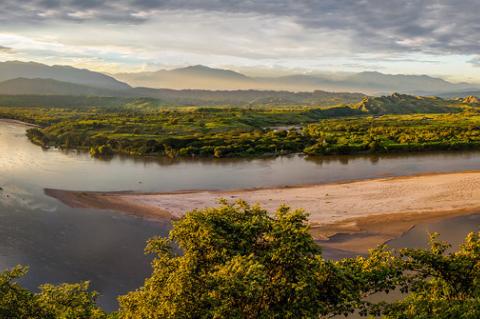
Flowing gracefully through the heart of Colombia, the Magdalena River stands as the country's principal waterway, weaving its way from the towering peaks of the Andes to the sun-kissed shores of the Caribbean Sea. Carving a path through diverse landscapes and ecosystems, this mighty river and its expansive basin serve as the lifeblood of Colombia, nurturing vibrant communities, sustaining vital ecosystems, and shaping the nation's cultural and economic landscape.

Maracaibo Lake and Basin: The Geologic and Economic Heart of Venezuela

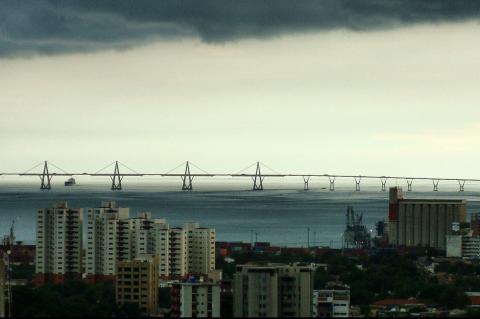
Lake Maracaibo, situated in the Maracaibo Basin of northwestern Venezuela, is a large brackish tidal estuary and an inlet of the Caribbean Sea. Numerous rivers feed the lake, the largest of which is the Catatumbo. With their rich petroleum reserves, dynamic weather phenomena, and significant economic contributions, Lake Maracaibo and the Maracaibo Basin are central to Venezuela's geography and economy.

Paracas National Reserve: A Coastal Desert Haven in Peru

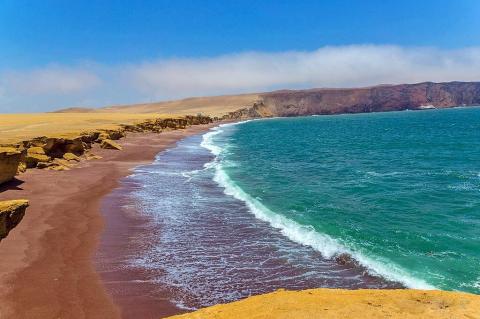
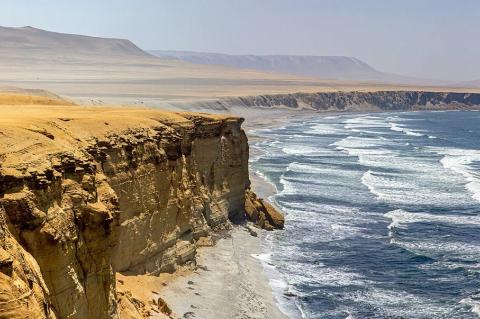
Paracas National Reserve is a unique protected area located in the Ica region of Peru, spanning coastal desert and marine ecosystems, making it a critical conservation area in South America. The reserve encompasses the Paracas Peninsula, Independence Bay, and surrounding desert regions, offering a rich mosaic of landscapes supporting diverse wildlife. In addition to its natural beauty, Paracas is steeped in archaeological history, with remnants of the ancient Paracas culture visible in the region. The combination of ecological significance and cultural heritage makes the Paracas National Reserve an exceptional destination.

Paranaíba River: Lifeblood of Brazil's Cerrado

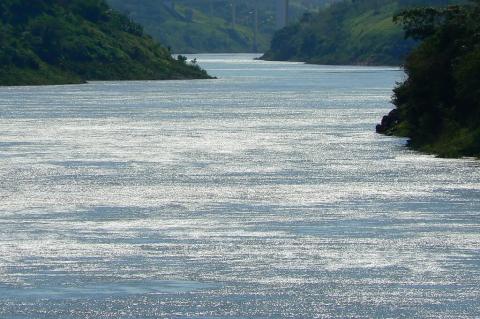
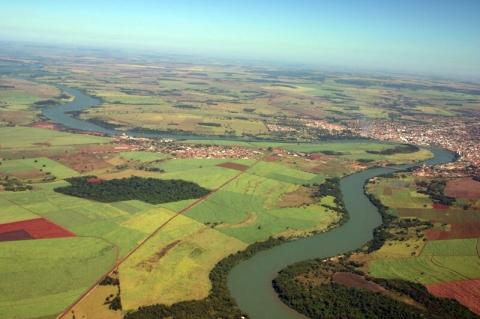
The Paranaíba River is a vital waterway in Brazil, coursing through the expansive Cerrado biome and forming the upper reach of the Paraná River Basin. Known for its ecological diversity, economic importance, and role in shaping regional culture, the Paranaíba River symbolizes Brazil's dynamic interplay between nature and development. From its headwaters in Minas Gerais to its confluence with the Grande River, the Paranaíba is vital to Brazil's environment and economy.

Patagonia's Crown Jewel: Lake Buenos Aires

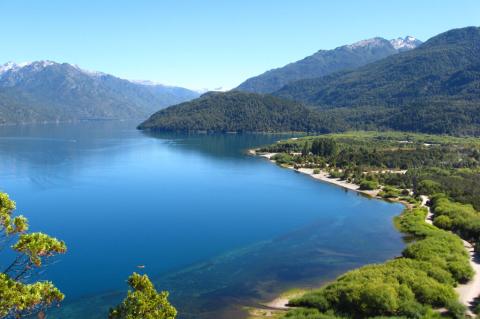
Located in Patagonia, Lake Buenos Aires, known as Lago General Carrera in Chile, is one of South America's largest lakes. It boasts breathtaking scenery and vibrant ecosystems. Formed by glacial activity, the lake is surrounded by towering mountains and lush forests, showcasing unmatched beauty. Its waters vary from turquoise to deep blue, mirroring the pristine Patagonian environment. The lake fosters cooperation and cultural exchange between Argentina and Chile while providing livelihoods for local communities.

Purus River: Lifeblood of the Southwestern Amazon

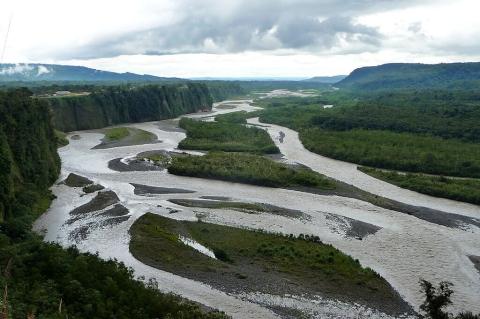
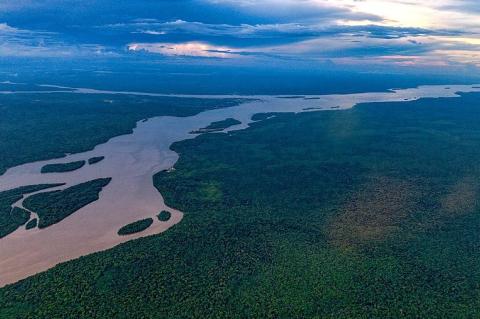
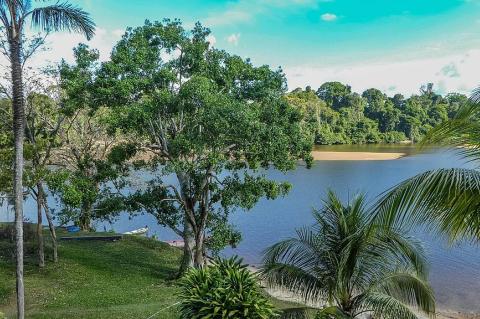
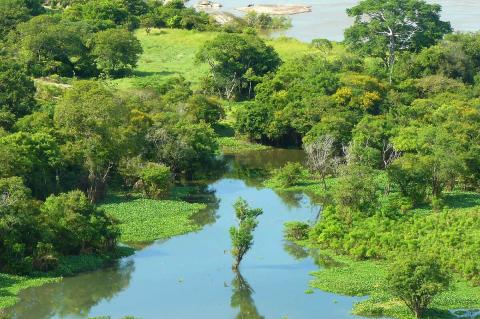
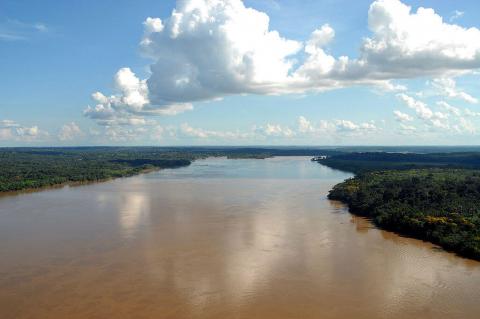
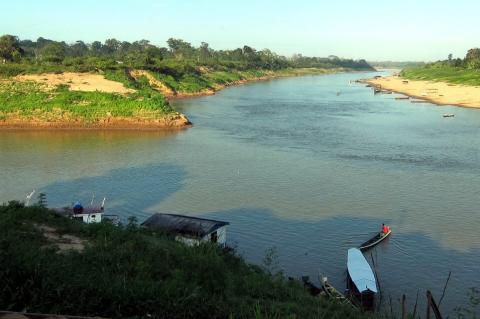
The Purus River is one of the Amazon Basin's significant tributaries, winding its way through the heart of the Amazon Rainforest. Originating in the Ucayali Basin in Peru, the river traverses a vast expanse of wilderness before merging with the Amazon River in Brazil. The Purus River's extensive basin is a vital hydrological and ecological feature of the Amazon, supporting diverse flora, fauna, and human communities.

San Carlos de Bariloche and Nahuel Huapi: Exploring Patagonia’s Scenic Heart

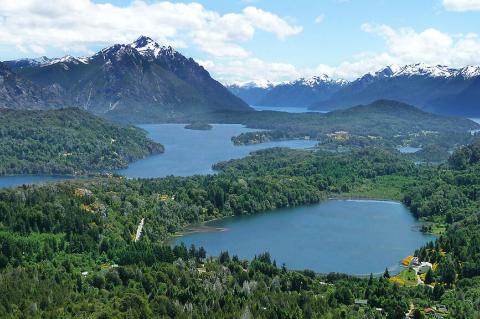
Situated in the foothills of the Argentine Andes, San Carlos de Bariloche offers a striking combination of natural beauty and cultural richness. Located on the clear shores of Lake Nahuel Huapi, Bariloche is surrounded by some of Patagonia's most breathtaking mountains and lakes. As part of the more expansive Nahuel Huapi National Park, the region attracts visitors worldwide, offering a unique blend of outdoor activities, historical landmarks, and distinct architectural charm.

The Amazon River System: Nature's Mightiest Waterway

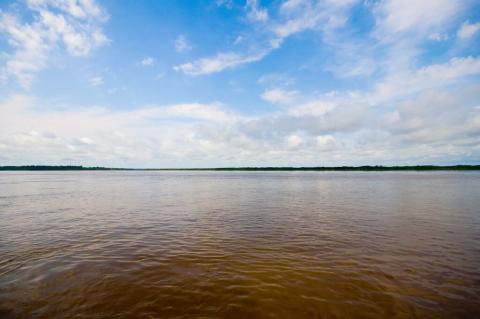
The Amazon River system is Earth's most powerful aquatic network, draining over 1,100 tributaries into a river that empties into the Atlantic. This flow accounts for 15-20% of global freshwater entering oceans, making it vital for ocean circulation and climate. It serves as a highway for life and a driver of weather patterns, transporting nutrients and generating moisture that affects regions from Argentina to North America. From the Peruvian mountains to the Atlantic, this immense waterway shapes landscapes, sustains ecosystems, and connects diverse environments across thousands of kilometers.

The Argentine Sea: A Biodiverse and Economic Powerhouse

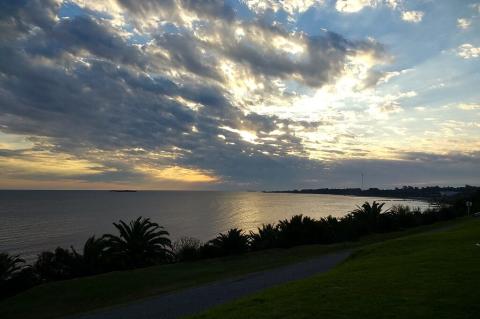
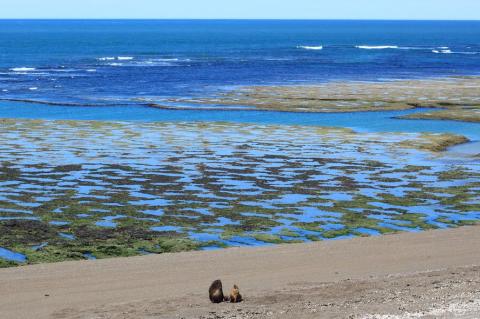
The Argentine Sea, located in the southwestern Atlantic Ocean along Argentina's eastern coast, is one of the most ecologically diverse and economically significant marine regions in the Southern Hemisphere. It is a vital hub for marine biodiversity, fisheries, and energy resources. Bordered by the Argentine continental shelf, this sea is a lifeline for the country, blending natural wealth with cultural and economic importance.

The Atrato River: Colombia's Lifeline Through the Chocó

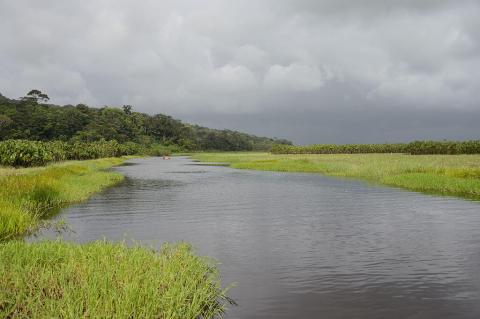
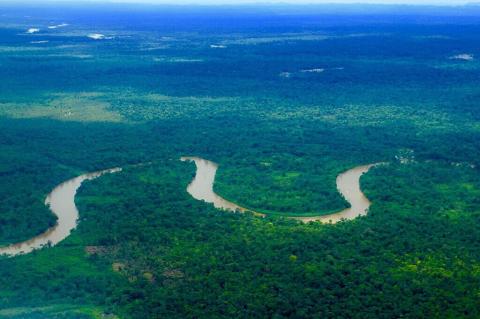
Winding through the dense rainforests of Colombia's Chocó Department, the Atrato River is a vital artery of life, culture, and biodiversity. It is renowned for its ecological significance and historical and cultural importance to the Afro-Colombian and Indigenous communities living along its banks. The river's influence extends beyond its immediate surroundings, making it an essential feature of Colombia's natural and cultural heritage.