Bodies of Water of South America

Ica and Huacachina: Oases of Culture and Nature in Peru's Desert South

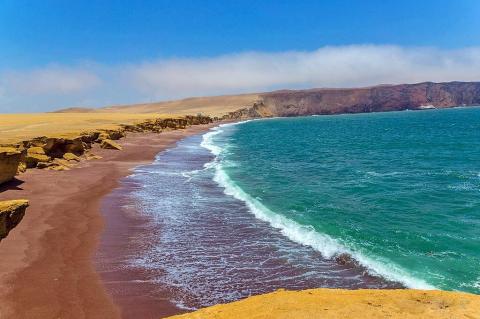
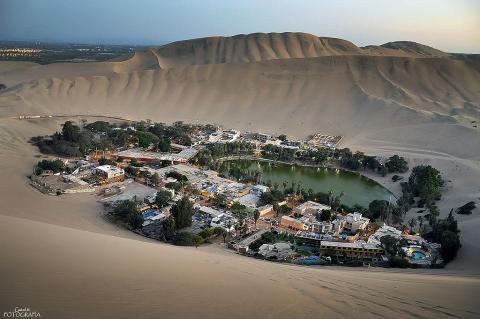
Nestled between the barren expanses of the Ica Desert and the vibrant culture of southern Peru lies the city of Ica, a place rich in history, natural wonders, and iconic traditions. Known for its ties to the ancient Inca civilizations and the Spanish colonial period and as the home of Peru's national drink, Pisco, Ica has much to offer. Just beyond the city's boundaries lies one of Peru's most stunning natural features: the Huacachina Oasis, a shimmering jewel in the desert landscape that attracts travelers from across the globe.

Itaipu: Powering Progress, Preserving Nature

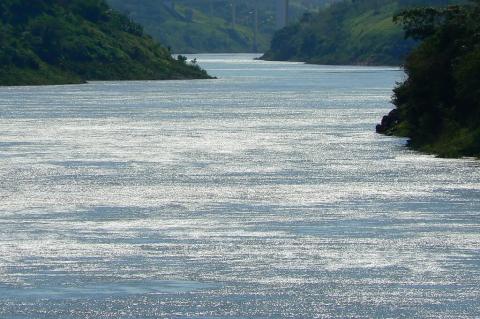
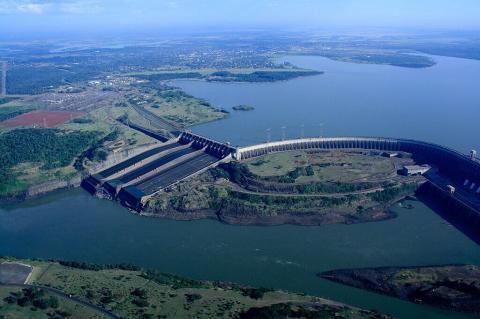
The Itaipu Dam, a colossal feat of engineering, is situated on the Paraná River at the border of Brazil and Paraguay. Recognized as one of the largest hydroelectric power plants in the world by installed capacity, Itaipu serves as a critical energy source for both nations while symbolizing international cooperation and technological achievement. The Itaipu Reservoir, created by the dam, stretches across a vast area, supporting energy production, water management, and biodiversity.

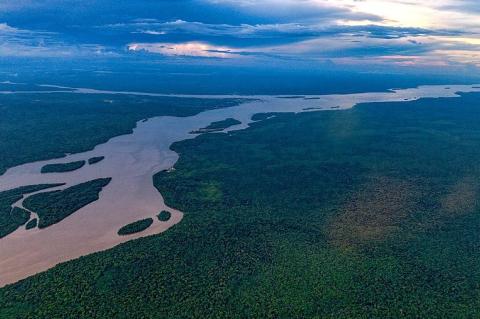
Juruá River: A Meandering Giant of the Amazon

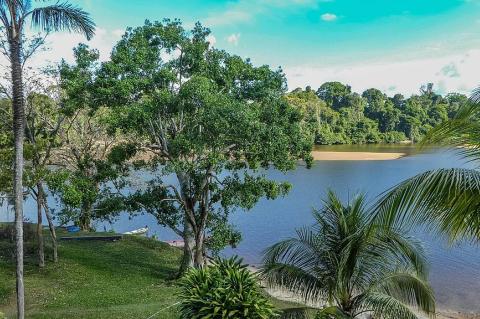
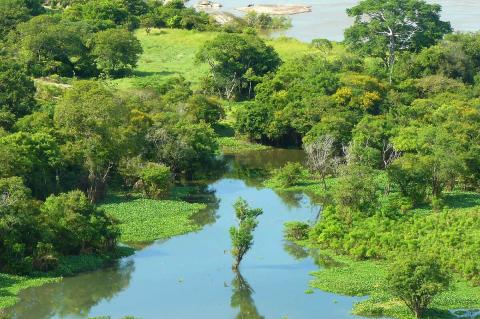
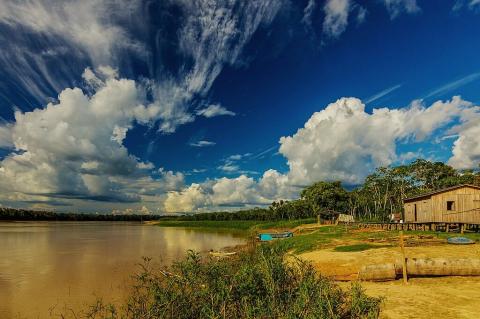
The Juruá River, one of the longest and most winding tributaries of the Amazon River, is a crucial component of the Amazon Basin's intricate hydrological network. Originating in the highlands of Peru and snaking its way through the lowlands of Brazil, the Juruá River plays a vital role in shaping the region's ecology, supporting diverse ecosystems, and influencing the lives of those who inhabit its banks.

Lago Argentino: The Crown Jewel of Patagonian Glacial Lakes

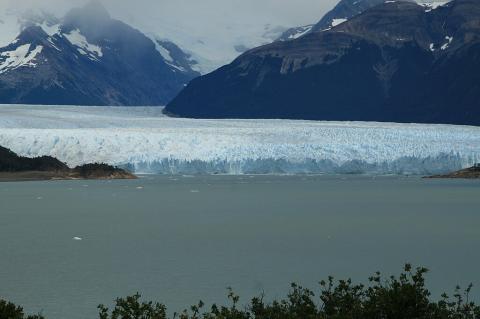
In the remote and windswept landscapes of Argentine Patagonia lies one of South America's most spectacular natural wonders: Lago Argentino. This magnificent glacial lake represents the intersection of geological forces, climatic phenomena, and ecological diversity that has captivated scientists, explorers, and visitors for generations. As Argentina's largest freshwater lake and a UNESCO World Heritage site component, Lago Argentino stands as a testament to the raw power and beauty of nature in one of Earth's most pristine wilderness areas.

Lago General Carrera: The Majestic Beauty of Patagonia's Marble Caves

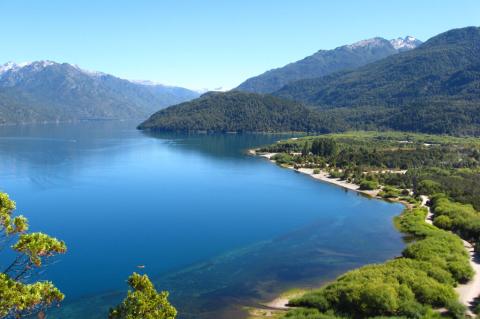
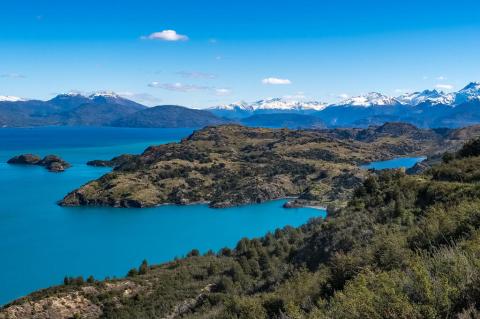
Straddling the border between Chile and Argentina lies one of the most breathtaking natural wonders in South America—Lago General Carrera (known as Lago Buenos Aires in Argentina). This expansive glacial lake, with its turquoise and sapphire waters, is surrounded by the rugged landscapes of Patagonia and framed by snow-capped mountains, providing an unforgettable view that draws visitors from around the world. Among its most famous attractions are the Marble Caves, surreal formations carved by nature over thousands of years.

Lagoa dos Patos: South America's Largest Lagoon

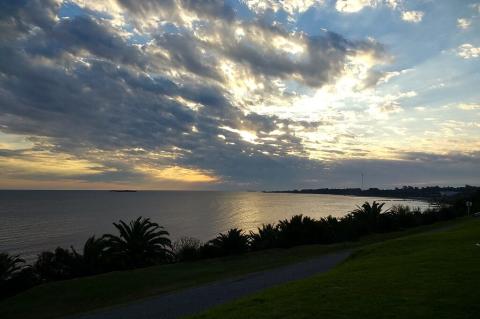
Lagoa dos Patos, located in southern Brazil, is the largest lagoon in South America and a remarkable example of nature's diversity and grandeur. This lagoon is a dynamic ecosystem shaped by the interplay of freshwater rivers, brackish wetlands, and the nearby Atlantic Ocean. With its immense ecological, economic, and cultural importance, Lagoa dos Patos is more than just a body of water—it is a vital artery supporting the region's biodiversity and livelihoods.

Laguna Blanca: A Conservation Haven in the Andean Heights

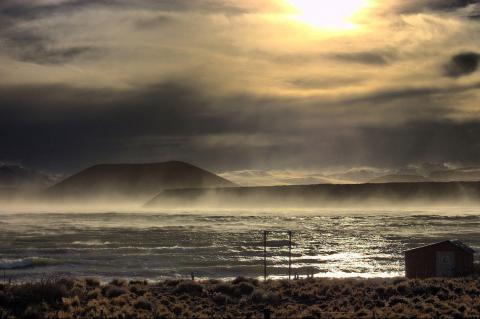
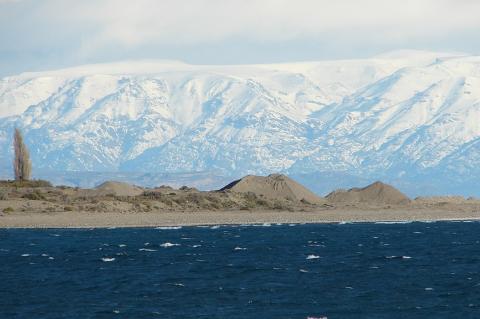
The Laguna Blanca Biosphere Reserve is a magnificent example of nature's resilience and human ingenuity. Nestled in the Andean region of northwest Argentina, it encompasses a unique arid Andean landscape characterized by a saline lake surrounded by rugged rock formations. This reserve is situated in Catamarca Province and is a testament to conservation efforts, rich biodiversity, and ancient cultural practices.

Lake Llanquihue and Osorno Volcano: Treasures of Chile's Lake District

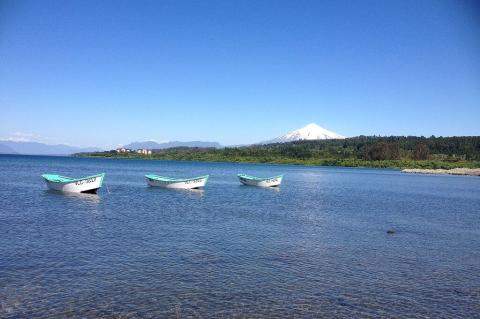
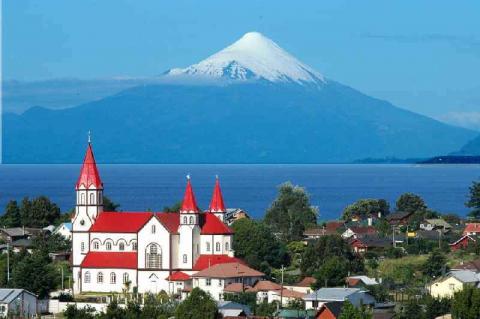
Nestled in the heart of Chile's enchanting Lake District lies Lake Llanquihue, a sprawling body of water renowned for its scenic beauty and cultural significance. With its vast expanse of dark waters and striking black sand shores, Lake Llanquihue captivates the imagination. Situated between Osorno Province and Llanquihue Province, Osorno Volcano commands attention with its snow-capped peak and dramatic silhouette, creating a striking contrast against the azure waters of Lake Llanquihue.

Lake Titicaca: Ancient Waters of the Andes

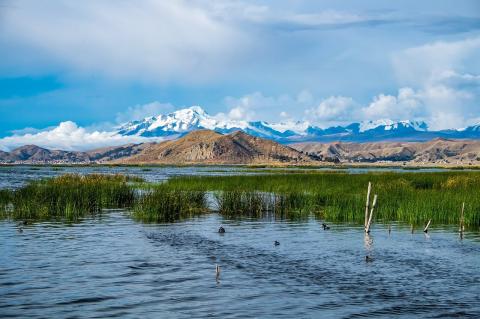
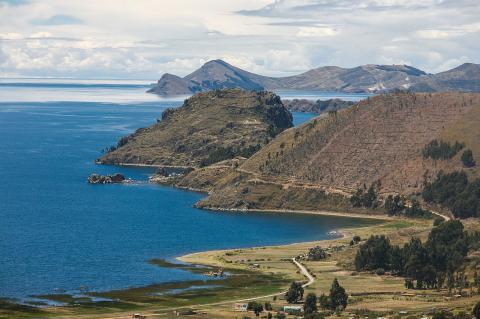
Lake Titicaca is one of the highest navigable lakes in the world. It is situated at the northern end of the Altiplano basin, on the border of Peru and Bolivia in the Andes Mountains. With a history dating back millions of years, Lake Titicaca is the largest lake in South America by volume and holds great cultural and ecological significance. The lake has always been an integral part of indigenous cultures and provides a habitat for a wide range of biodiversity, including over 530 aquatic species.

Madeira River: A Lifeline of the Amazon Basin

The Madeira River is one of South America's most significant waterways, playing a crucial role in the hydrology of the Amazon Basin. It is the largest and most important tributary of the Amazon River, making it a vital component of the region's ecosystem. Spanning Bolivia and Brazil, this mighty river traverses diverse landscapes and supports an array of flora and fauna, underscoring its importance as both a natural resource and a habitat.