Bodies of Water of South America

The Urubamba River: Sacred Waters from Andes to Amazon

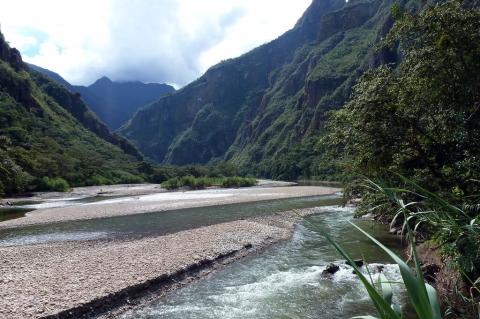
The Urubamba River, known as Willkamayu ("Sacred River") to the Incas, flows from its glacial origins in the Cordillera Vilcanota to its confluence with the Tambo River in Peru's Amazon Basin. This vital waterway traverses multiple ecological zones, supporting a diverse array of ecosystems. The river's cultural significance extends beyond its role as the Sacred Valley's agricultural lifeline—it remains central to Quechua spiritual practices and serves as the transportation corridor that enabled Inca imperial expansion while continuing to sustain Indigenous communities.

The Uruguay River: A Vital Waterway of South America

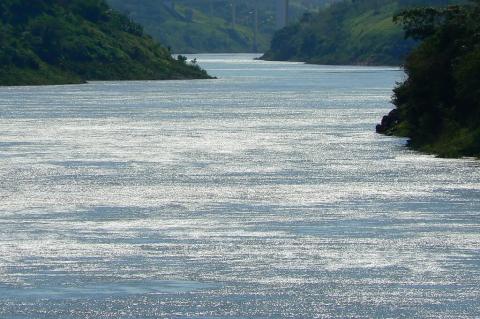
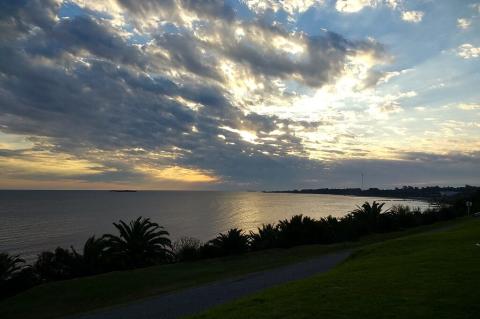
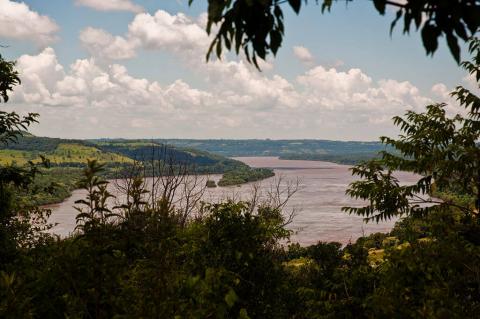
The Uruguay River is a significant fluvial system in South America. It stretches from its headwaters in Brazil's coastal range to its confluence with the Río de la Plata. As a natural boundary between Brazil, Uruguay, and Argentina, the river plays a crucial role in the region's geography, economy, and ecology. An exploration of the Uruguay River reveals its origins, course through diverse landscapes, ecological significance, and role in regional development.

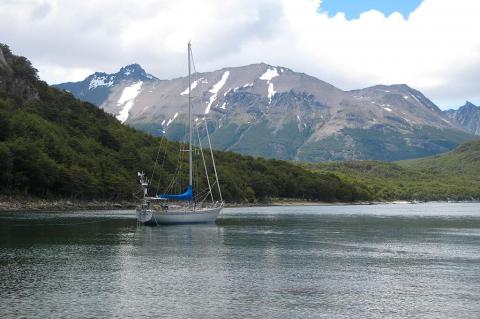
The Winding Waterways of Tierra del Fuego: Exploring the Strait of Magellan and Beagle Channel

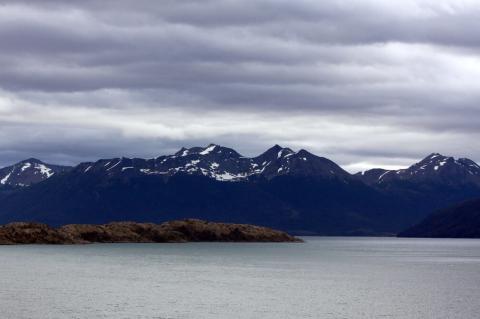
Threading through the Tierra del Fuego archipelago at the southern tip of South America, the Strait of Magellan and the Beagle Channel are the two great navigable passages that, for nearly four centuries, connected the Atlantic and Pacific oceans without requiring ships to round Cape Horn's dangerous open waters. Both waterways carry names from famous voyages of exploration, and both were home to Indigenous communities who mastered a life lived almost entirely on and around the water.

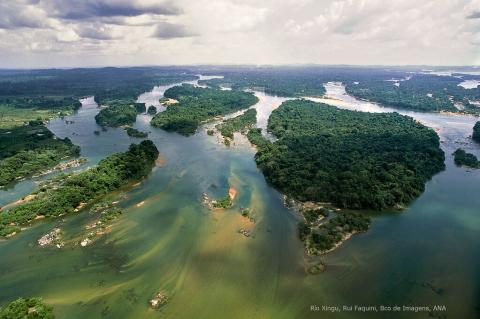
The Xingu River: Lifeblood of the Brazilian Amazon

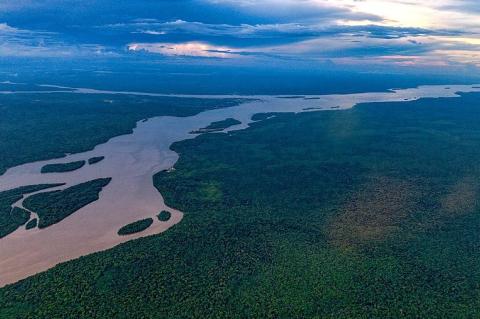
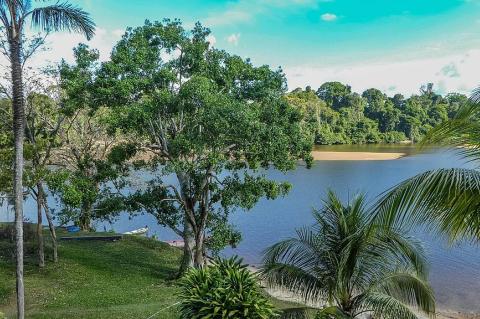
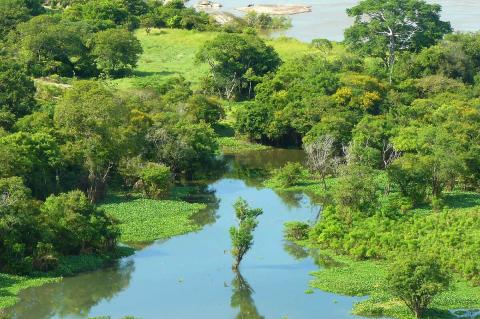
The Xingu River, a major tributary of the Amazon River, flows through the Brazilian Amazon, which is home to one of the world’s most biodiverse ecosystems. It traverses rainforests, savannas, and Indigenous territories, supporting diverse wildlife and the cultural heritage of the Indigenous peoples. As an essential part of the Amazon basin, the Xingu River highlights the beauty of tropical ecosystems, yet it faces significant environmental challenges.

Tierra del Fuego: Archipelago of Fire and Ice

At the southernmost extremity of South America, where the continent fragments into a thousand islands scattered across tempestuous seas, lies Tierra del Fuego, the "Land of Fire." Ferdinand Magellan, the Portuguese explorer who first glimpsed these shores in 1520, named the archipelago after witnessing the countless fires lit by Indigenous peoples along the coastline. Five centuries later, the region remains one of the most sparsely populated and geologically dynamic corners of the continent.

Tocantins-Araguaia River System: A Comprehensive Overview of Brazil's Central Fluvial Network

The Tocantins-Araguaia River system in central Brazil is one of the country's most vital and extensive fluvial networks. Though commonly mistaken as a tributary of the Amazon River, this system is distinct and unique, with its complex hydrological dynamics and significant ecological importance. The river flows northward from the Brazilian Highlands, eventually emptying into the Atlantic Ocean through the Pará River, a distributary channel of the Amazon River delta.