Islands and Archipelagos

Easter Island: Unveiling the Mysteries of Rapa Nui

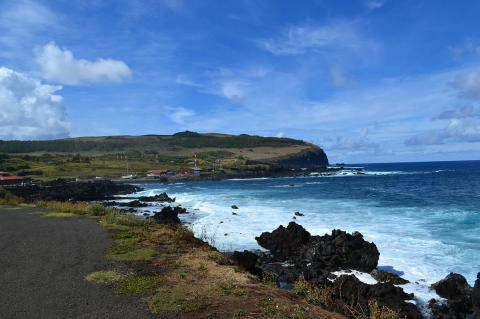
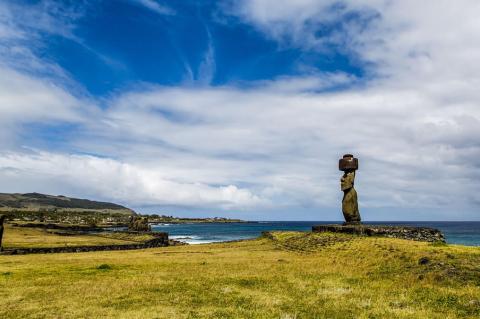
Easter Island, known locally as Rapa Nui, is remote and enigmatic in the southeastern Pacific Ocean. This Chilean territory, famous for its colossal stone statues called moai, offers a fascinating glimpse into Polynesian culture and human ingenuity. The island's rich archaeological heritage and unique ecosystem make it a site of immense cultural and scientific importance, recognized globally through its designation as a UNESCO World Heritage Site.

Exploring Saba Bank Atoll and Saba Bank National Park

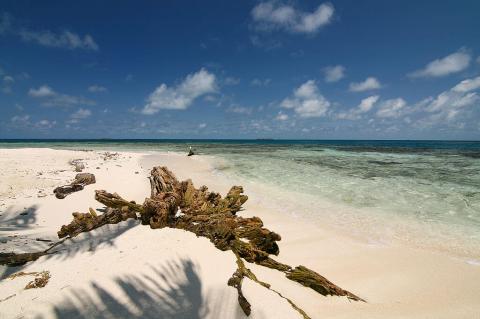
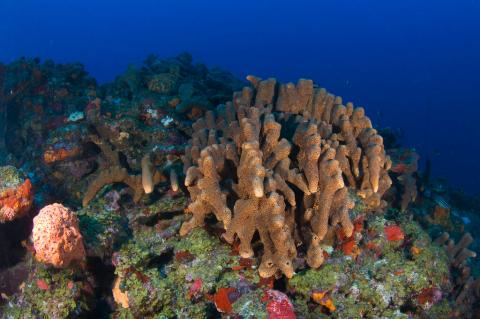
Saba Bank Atoll, nestled in the azure waters of the Caribbean Sea, stands as a unique and vital ecosystem of unparalleled ecological significance. This atoll is not only the largest actively growing submarine atoll in the Caribbean Sea and the Atlantic Ocean but also the third largest in the world. Saba Bank Atoll was designated the Saba Bank National Park, a testament to its importance in safeguarding marine biodiversity.

Exploring the Ecological Treasures of Chile's Desventuradas Islands

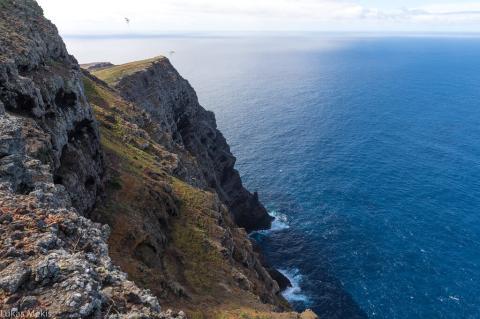
The Desventuradas Islands, comprising San Félix, San Ambrosio, González, and Roca Catedral, are part of Chile’s remote Pacific territories and represent a critical component of the San Félix-San Ambrosio Islands temperate forests ecoregion. These islands, located in the Pacific Ocean off the Chilean mainland, are ecological treasures defined by their remarkable biodiversity, geographic isolation, and ecological significance.

Exploring the Turks and Caicos: From Coral Reefs to Cultural Heritage

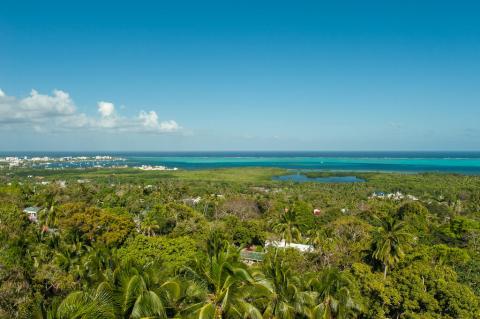
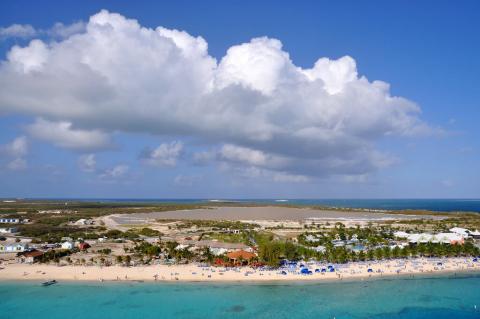
The Turks and Caicos Islands, located in the Lucayan Archipelago of the Atlantic Ocean, are a breathtaking collection of islands south of the Bahamas and northeast of Cuba. As a British Overseas Territory, this archipelago consists of two main island groups: the larger Caicos Islands and the smaller Turks Islands. Known for their pristine beaches, rich history, vibrant culture, and diverse ecosystems, the Turks and Caicos Islands have become a popular tourist destination and an important offshore financial center.

Fernando de Noronha and Rocas Atoll: Guardians of the South Atlantic

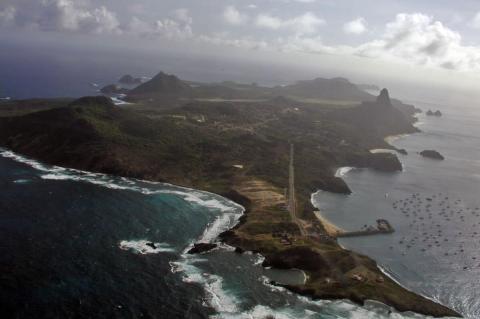
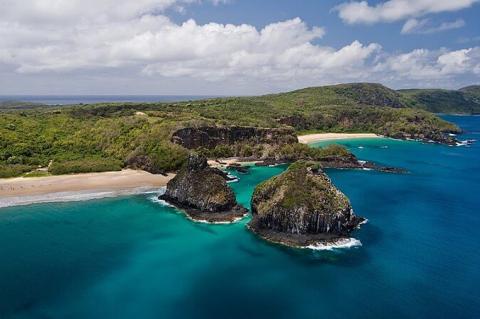
Fernando de Noronha is a volcanic archipelago in the South Atlantic Ocean, located off the northeast coast of Brazil. The archipelago comprises 21 islands and islets, the most significant being Fernando de Noronha. Fernando de Noronha is a haven for nature enthusiasts and adventure seekers, known for its stunning natural beauty, crystal-clear waters, pristine beaches, and diverse marine life. In addition, Rocas Atoll is a circular coral reef that encloses a lagoon.

Gorgona Island: Colombia's Ecological Jewel in the Pacific

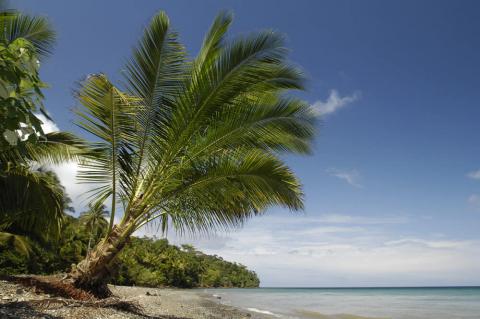
Situated off Colombia's Pacific coast, the island of Gorgona is a true ecological gem. It boasts a rich biodiversity and a fascinating history that spans indigenous cultures and colonial exploration. This remote island, part of Colombia's Insular Region, is a world unto itself, isolated by the vast expanse of the Pacific Ocean. Gorgona is home to Gorgona Natural National Park, a protected area established to preserve its unique ecological treasures.

Guamblin Island: Conservation and Biodiversity in Chile's Hidden Paradise

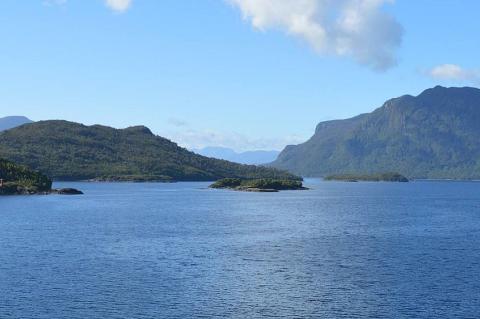
Nestled in the remote southern reaches of Chile, Guamblin Island National Park is a sanctuary of pristine natural beauty and ecological significance. Covering the entirety of Guamblin Island, this national park is a haven for diverse flora and fauna, some of which are found nowhere else on Earth. This exploration delves into the geographical features, biodiversity, climatic conditions, and conservation efforts that make Guamblin Island a unique and vital part of Chile's natural heritage.

Haiti's Tortuga: A Rich Tapestry of Piracy and Culture

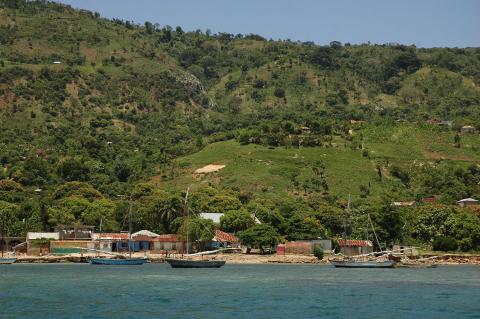
Tortuga, an island off Haiti's northwest coast, is celebrated for its dramatic landscapes, pristine beaches, and rich historical tapestry. Renowned for its past as a pirate haven, Tortuga's natural allure and cultural depth make it a standout destination in the Caribbean. The island's diverse ecosystems, vibrant marine life, and a blend of African, European, and Indigenous influences offer a captivating mix of history, nature, and culture.

Hidden Treasures of the Caribbean: The Rosario and San Bernardo Islands

The Rosario and San Bernardo Islands, situated off Colombia's Caribbean coast, are a stunning collection of small islands renowned for their natural beauty and biodiversity. These islands, surrounding coral reefs, and underwater ecosystems form the Rosario and San Bernardo Corals National Natural Park. The islands and their ecosystems support a wide variety of marine life and serve as popular tourist destinations due to their pristine beaches and vibrant underwater landscapes.

Isla de la Juventud: Cuba's Forgotten Island of History and Beauty

Lying in the Caribbean Sea, southwest of mainland Cuba, Isla de la Juventud (Isle of Youth) is the country's second-largest island and one of its most intriguing destinations. Known for its layered history, tropical landscapes, and a unique blend of isolation and vitality, the island has worn many identities—from pirate hideout to penal colony, agricultural experiment to educational utopia. Less touristy than other Cuban regions, Isla de la Juventud provides an immersive experience of island life, lush nature, and a rich history.