Islands and Archipelagos

Isla Magdalena National Park: A Patagonian Treasure

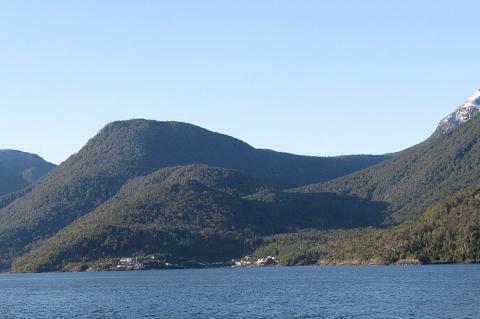
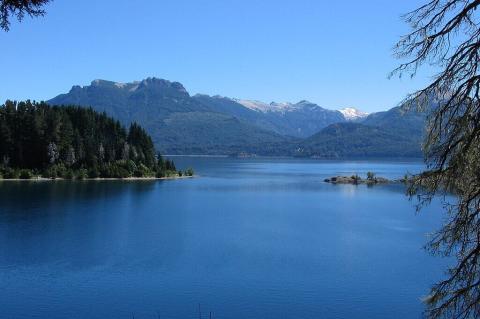
Isla Magdalena National Park, located in Chile's Aysén Region, is a pristine wilderness showcasing southern Patagonia's rugged beauty and biodiversity. The park encompasses approximately 80% of Magdalena Island, one of the largest islands south of Chiloé, making it a significant protected area within the region. Dominated by the extinct Montalat volcano, the island's varied landscapes, rich ecosystems, and cultural history make it an essential destination for nature enthusiasts and conservationists.

Islas del Golfo de California: Balancing Conservation and Human Impact

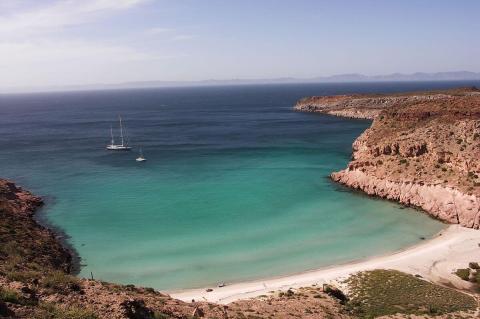
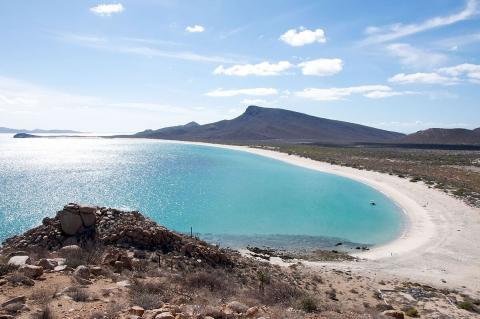
The Islas del Golfo de California, a vast archipelago of over 240 islands, is nestled between the Baja California peninsula, the Sonoran Desert, and the mangroves of Sinaloa in northwestern Mexico. Renowned for its rich biodiversity, these islands are part of the Islands and Protected Areas of the Gulf of California World Heritage site. Despite their ecological significance, recent challenges have highlighted the complex interplay between conservation efforts and human activity.

Islas Marietas Archipelago: A Sanctuary of Biodiversity and Ecotourism

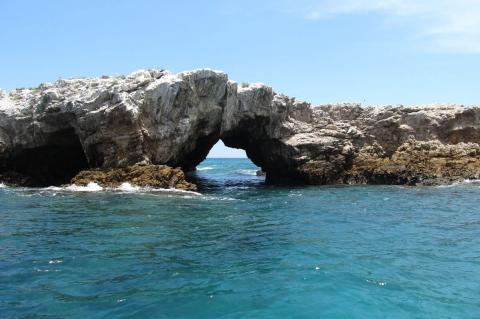
Off the Pacific coast of Nayarit, Mexico, the Islas Marietas Archipelago comprises two islands and two islets that serve as a vital sanctuary for an astonishing variety of marine and avian species. Uninhabited and southwest of Punta Mita, it is a haven for wildlife and a premier destination for eco-tourism and marine research. Protected as part of the Islas Marietas National Park and Biosphere Reserve, the region's confluence of marine currents creates a unique ecosystem where species from different regions thrive, making it essential for conservation and eco-tourism.

Jardines de la Reina: Cuba's Spectacular Marine Sanctuary

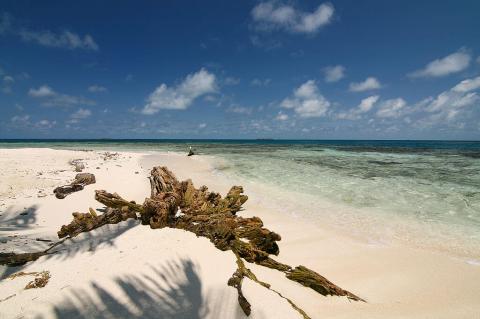
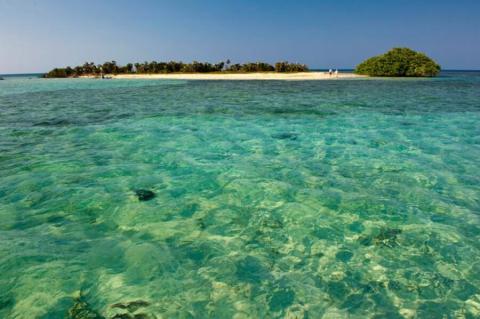
Nestled off Cuba's southern shores, the Jardines de la Reina archipelago beckons as an aquatic haven, revered for its untouched coral reefs and flourishing marine habitats. This expansive sanctuary, encompassing over 250 coral islands and cays, is one of Cuba's most significant protected regions, boasting dual distinctions as a marine reserve and a national park. Renowned for its translucent waters and immaculate coral formations, the area teems with a rich array of marine biodiversity.

Juan Fernández Archipelago: Nature and Legend in the South Pacific

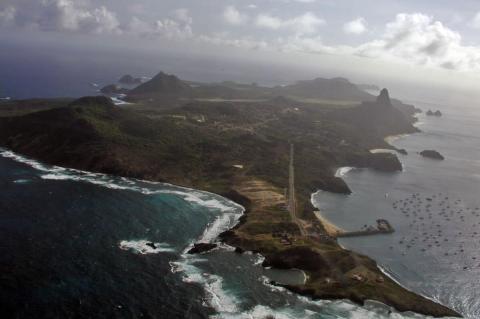
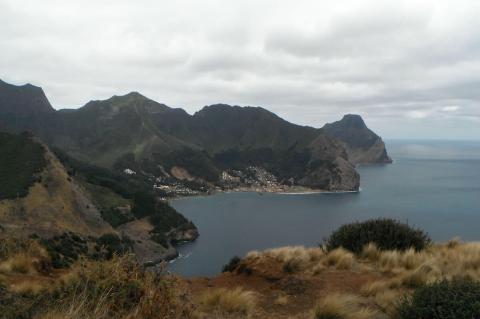
The Juan Fernández Archipelago, situated in the South Pacific Ocean, is a remote chain of volcanic islands belonging to Chile. The archipelago has long intrigued explorers, writers, and biologists alike. Known for its ties to the marooned sailor Alexander Selkirk—whose survival inspired Daniel Defoe's Robinson Crusoe—the archipelago is a cultural landmark and a unique ecological hotspot. With dramatic landscapes, endemic species, and a colorful history of pirates and explorers, the Juan Fernández Islands offer a rare glimpse into the natural and human story of isolation.

Los Roques: Venezuela’s Coral Crown in the Caribbean

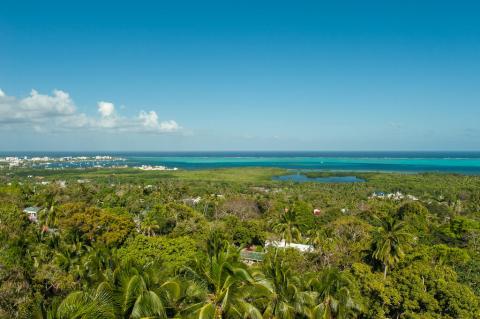
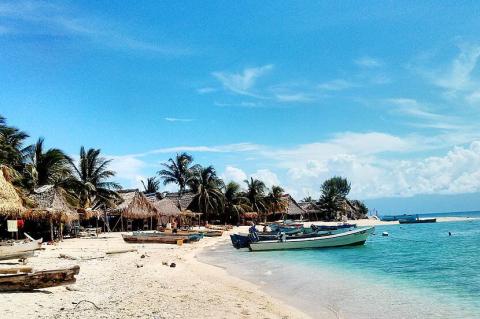
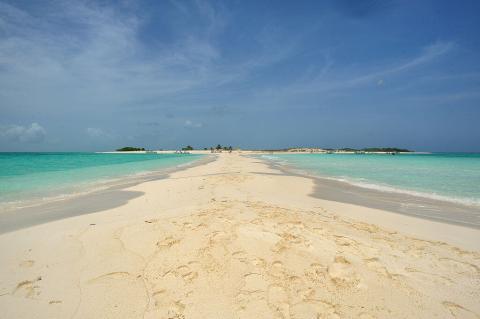
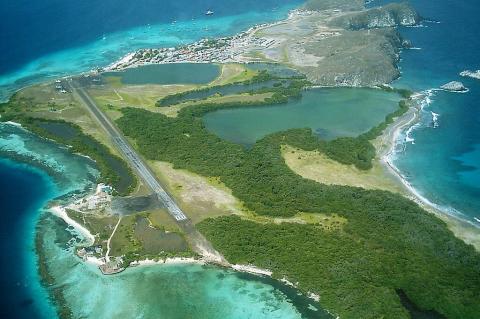
Los Roques is a pristine archipelago in the Caribbean Sea, situated north of Venezuela's central coast. This stunning collection of islands, cays, and sandbanks forms a unique coral atoll encompassing a central shallow lagoon surrounded by vibrant coral reefs and mangroves. The area is renowned for its natural beauty, biodiversity, and clear turquoise waters, making it one of the most important marine environments in the southern Caribbean.

Malpelo Island: A Marine Sanctuary of Biodiversity

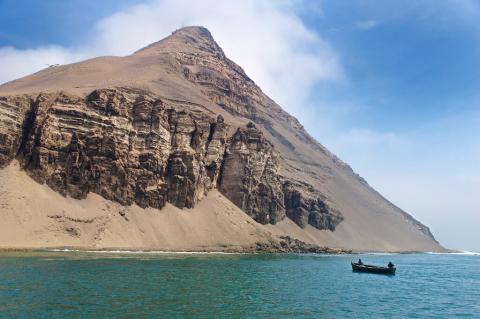
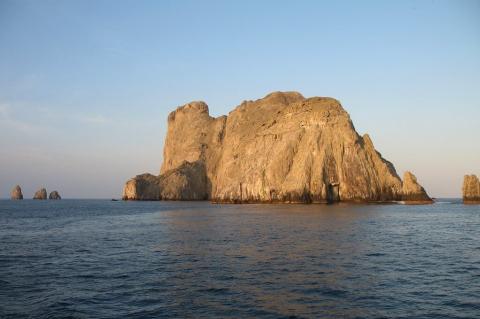
Malpelo Island and the Malpelo Fauna and Flora Sanctuary are remarkable natural treasures located off the coast of Colombia in the Pacific Ocean. Malpelo Island is a critical biodiversity hotspot, supporting unique marine and terrestrial life despite its small size. The surrounding sanctuary, a vast marine protected area, is recognized globally for its pristine ecosystems and rich biodiversity.

Marajó Archipelago: Brazil's Ecological and Cultural Treasure

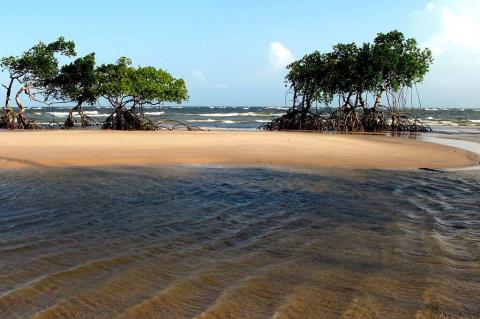
The Marajó Archipelago, the largest fluvial-maritime archipelago on Earth, is a breathtaking expanse in Amapá and Pará in Brazil. This unique and ecologically diverse region stretches from the mouth of the Amazon River to the Atlantic Ocean, encapsulating a myriad of natural wonders and rich cultural history. Renowned for its ecological significance and archaeological treasures, the Marajó Archipelago offers a fascinating glimpse into the intricate interplay between nature and human civilization.

Nueva Esparta: The Island State of Venezuela

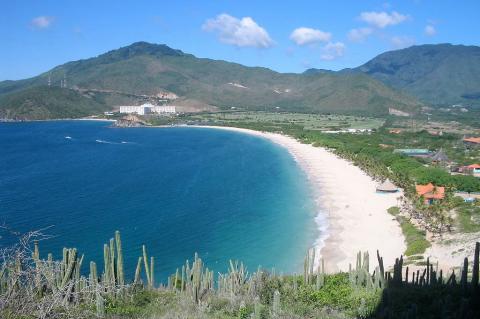
Nueva Esparta, the smallest of Venezuela's states, is unique as the only insular state in the country. Located in the Caribbean Sea, off the northeastern coast of Venezuela, Nueva Esparta comprises Margarita Island, Coche Island, and Cubagua Island. Known as the "Isle of Pearls" due to its historical association with pearl fishing, the state plays a significant role in Venezuela's history, culture, and economy. Beyond its bustling towns and historical sites, it is renowned for stunning beaches, a vibrant tourism industry, and rich biodiversity.

Ometepe: A Volcanic Gem in Lake Nicaragua

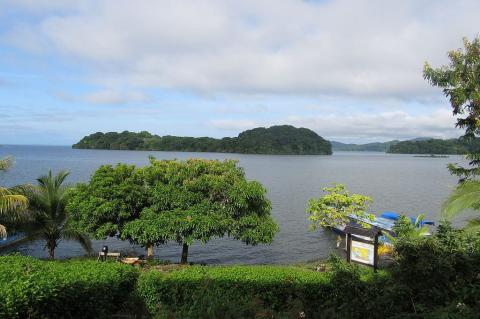
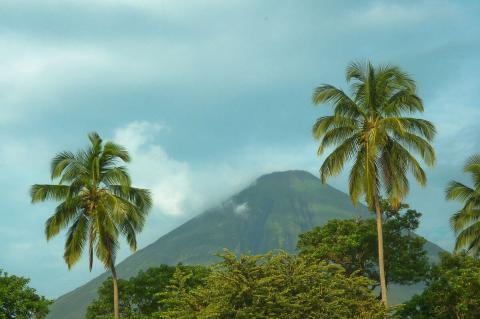
Rising dramatically from the vast expanse of Lake Nicaragua, Ometepe Island is a unique and captivating natural wonder. This island, shaped by two volcanoes, Maderas and Concepción, is a vibrant mosaic of lush forests, diverse wildlife, and rich cultural history. As the largest island in Lake Nicaragua and a UNESCO-designated biosphere reserve, Ometepe is a geological marvel and a vital ecological and cultural treasure. The island’s economy is rooted in agriculture, livestock, and tourism, which thrives amid its stunning landscapes.