Islands and Archipelagos

Revillagigedo Archipelago: Mexico’s Hidden Natural Treasure

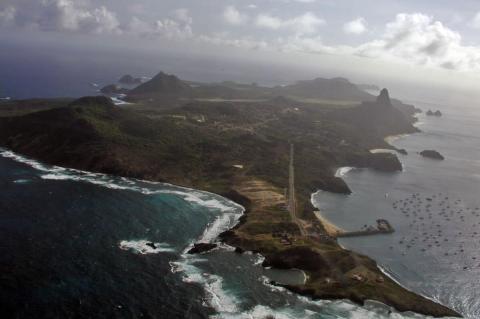
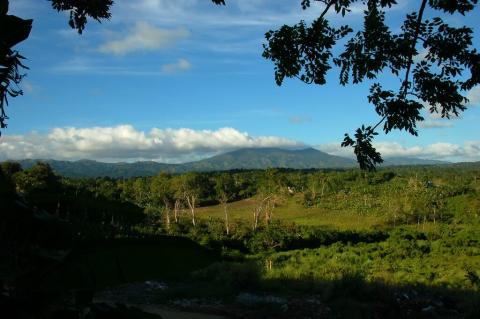
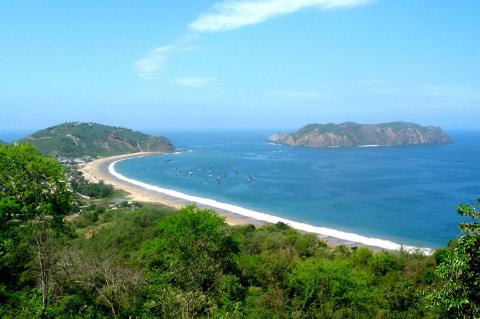
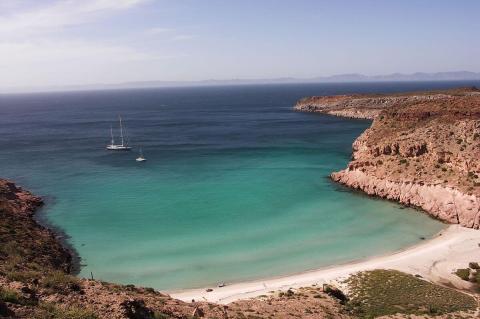
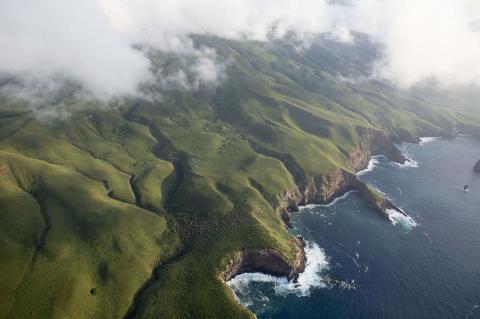
The Archipiélago de Revillagigedo, located in the eastern Pacific Ocean, is a remarkable natural treasure. South-southwest of the Baja California Peninsula and west-southwest of Cape Corrientes on the Mexican mainland, this archipelago consists of volcanic islands declared a Marine Reserve and a National Park. They are recognized as a UNESCO World Heritage Site, reflecting its global significance. The four islands and their surrounding waters form a unique and pristine ecosystem.

Roatán and the Bay Islands: Caribbean Gems in Honduras' Coral Kingdom

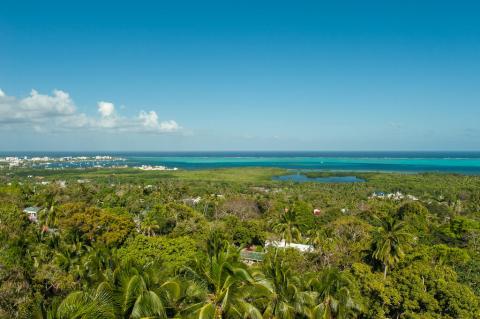
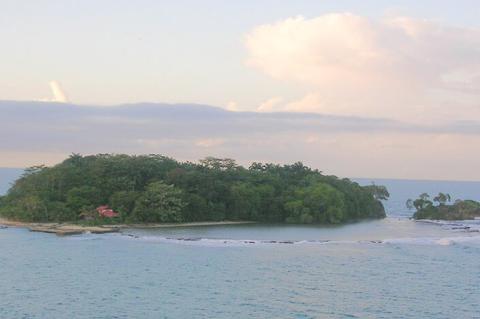
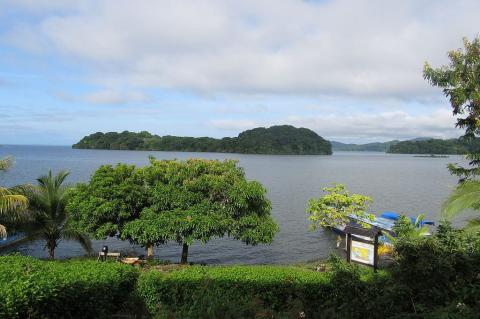
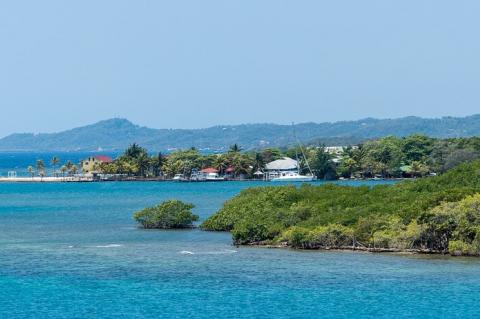
In the azure waters of the Caribbean Sea, where ancient coral formations meet tropical landscapes, lies one of Central America's most remarkable marine ecosystems—the Bay Islands of Honduras. Anchored within the Gulf of Honduras, this archipelago represents a living testament to millions of years of geological evolution and marine biodiversity, with Roatán serving as its crown jewel. Here, beneath crystalline waters, thrives the second-largest barrier reef system in the world, while above, a rich tapestry of cultures weaves together Indigenous, colonial, and Afro-Caribbean influences.

San Blas Islands: Panama's Caribbean Jewel

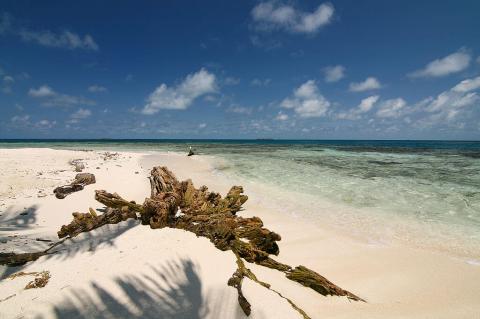
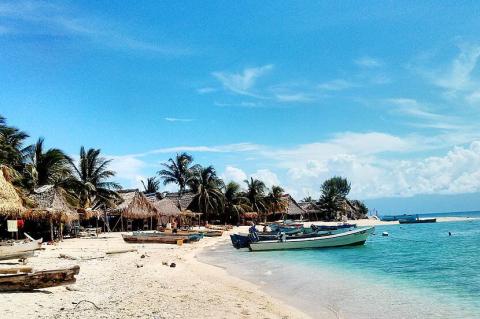
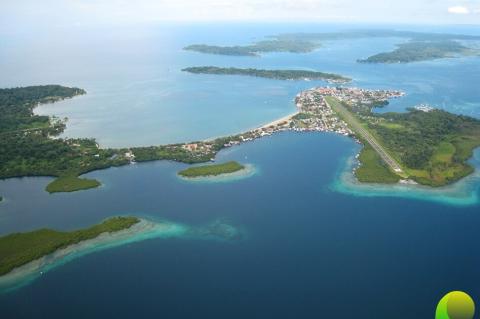
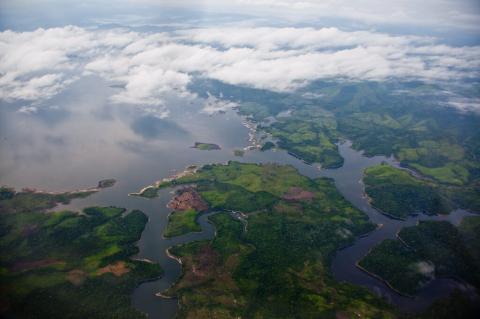
Nestled in the Caribbean Sea along Panama's northeastern coast, the San Blas Islands, known as the Guna Yala Archipelago, are characterized by their unspoiled natural beauty and vibrant indigenous culture. This chain of approximately 365 islands, many of which are uninhabited or sparsely populated, offers a stunning landscape of turquoise waters, white sandy beaches, and lush tropical vegetation. The archipelago is a living testament to the Guna people's resilience and commitment to preserving their environment.

South Orkney Islands: A Nexus of Science and Sovereignty

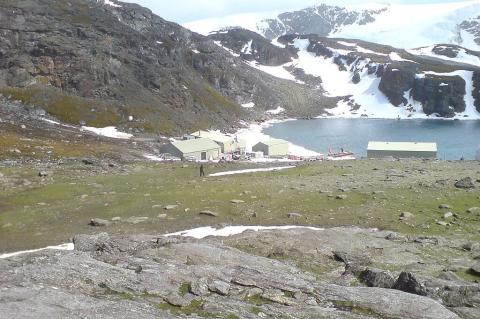
The South Orkney Islands are a remote archipelago in the Southern Ocean, significant for their ecology, historical exploration, scientific research, and international governance. They are located northeast of the Antarctic Peninsula and surrounded by biologically diverse and climatically important waters. Their glaciated landscapes, unique ecosystems, and pivotal place in global climate studies underscore their importance as more than just frozen outposts in the Southern Ocean.

The Canarreos Archipelago: Cuba's Hidden Paradise of Islands and Reefs

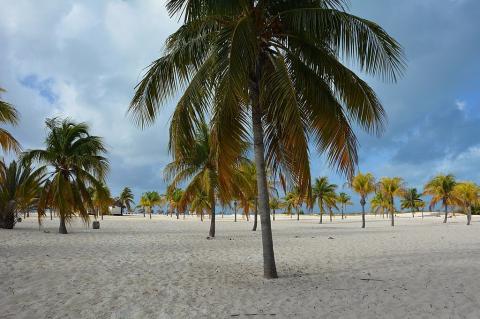
Stretching across the Caribbean Sea to the south of mainland Cuba, the Canarreos Archipelago is a sprawling chain of islands, cays, and islets that stands as one of the country's most ecologically rich and serene regions. Comprising over 350 landforms, the archipelago remains largely undeveloped, making it a haven for marine life, a sanctuary for rare species, and a destination for travelers seeking quiet, pristine beauty.

The Exuma Cays: A Pristine Archipelago in The Bahamas

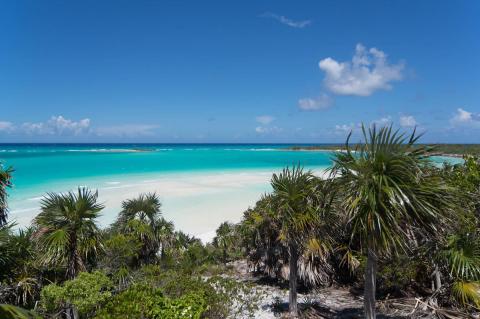
The Exuma Cays, a stunning chain of over 365 islands and cays, form a unique and picturesque part of The Bahamas, a nation of islands scattered across the Atlantic Ocean. They are famed for their pristine white-sand beaches, strikingly turquoise waters, and an array of marine life that thrives in their crystal-clear surroundings. The Exuma Cays Land and Sea Park protects various habitats, from vibrant coral reefs and mangrove communities to the scrublands and beaches of the cays themselves.

The Galápagos Archipelago: Conservation, Challenges, and Evolutionary Marvels

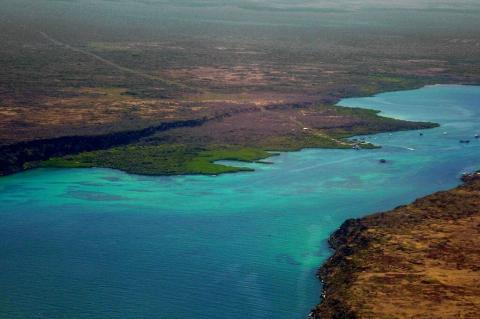
The Archipiélago de Colón, more widely known as the Galápagos Islands, is an archipelago located in the Pacific Ocean west of the coast of Ecuador, the nation to which the islands belong. These islands are renowned for their unique biodiversity and pivotal role in developing the theory of evolution by natural selection, proposed by Charles Darwin. The islands, encompassing the Galápagos Province, the Galápagos National Park, and the Galápagos Marine Reserve, represent one of the planet's most important and unique ecological areas.

The Midriff Islands and San Lorenzo Marine Park: A Gulf of California Sanctuary

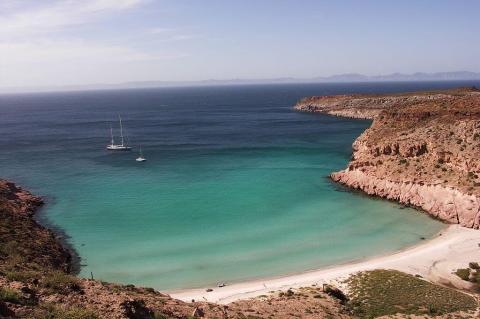
In the northern Gulf of California, where the desert meets the sea, lies one of Mexico's most ecologically significant marine reserves: San Lorenzo Marine Archipelago National Park. This protected region is part of the renowned Midriff Islands, encompassing islands and maritime borders. It plays a vital role in preserving the marine biodiversity of the Gulf. Nestled between Baja California's eastern coast and the deep waters of the Sea of Cortez, the park is a sanctuary for endangered species and an essential component of the Gulf's fragile marine ecosystem.

The Mysterious Island of Redonda: A Geological and Ecological Gem in the Caribbean

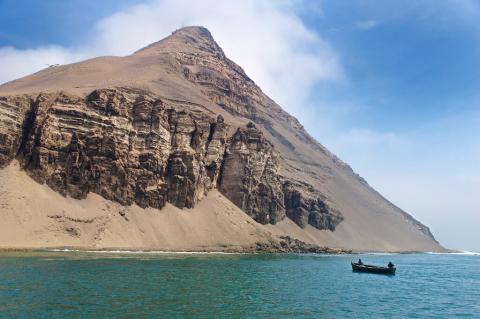
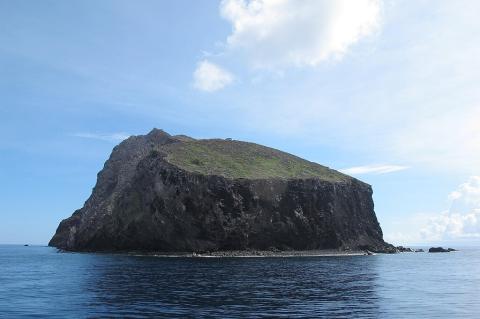
Amidst the shimmering turquoise waters of the Caribbean Sea, the tiny island of Redonda is a unique and captivating geological and ecological wonder. Unlike the lush, tropical islands that dot the area, Redonda is a rugged, volcanic outcrop that rises dramatically from the sea. Belonging to Antigua and Barbuda, this remote, uninhabited island is a testament to the remarkable diversity and resilience of life in the region.

The Pearl Islands: A Glimpse into Panama’s Pristine Archipelago

Nestled in the serene waters of the Gulf of Panama, the Pearl Islands (Archipiélago de las Perlas) stand as a picturesque archipelago rich in history and natural beauty. Located southeast of Panama City, these islands, known locally as Islas de las Perlas, comprise a stunning collection of 183 islands and islets, with 39 considered sizable. Renowned for its lush landscapes, pristine beaches, and vibrant marine life, the Pearl Islands are a popular destination for tourists and fishermen alike.