Islands and Archipelagos

The Pearl Islands: A Glimpse into Panama’s Pristine Archipelago

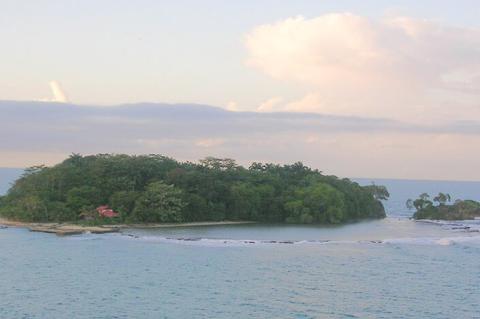
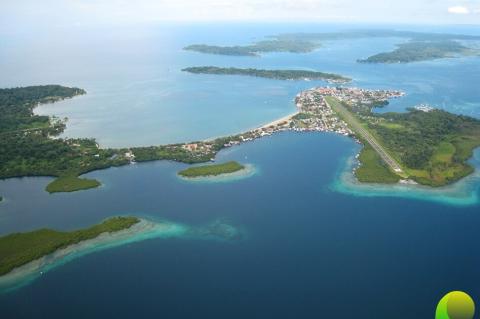
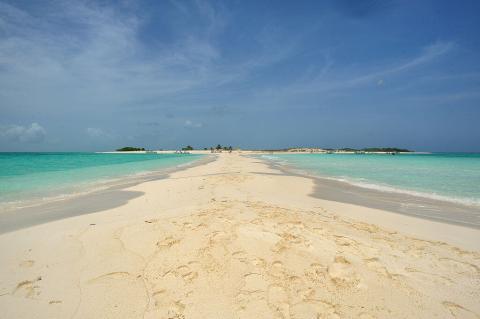
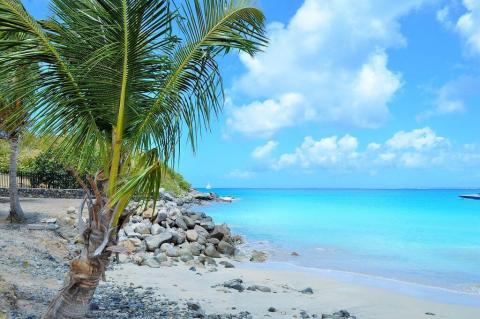
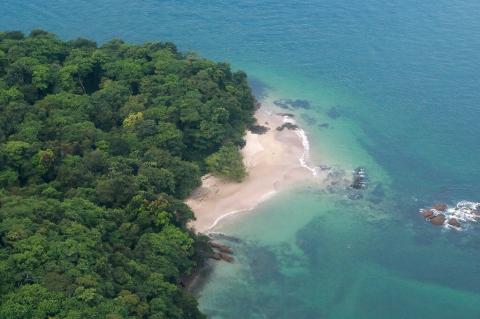
Nestled in the serene waters of the Gulf of Panama, the Pearl Islands (Archipiélago de las Perlas) stand as a picturesque archipelago rich in history and natural beauty. Located southeast of Panama City, these islands, known locally as Islas de las Perlas, comprise a stunning collection of 183 islands and islets, with 39 considered sizable. Renowned for its lush landscapes, pristine beaches, and vibrant marine life, the Pearl Islands are a popular destination for tourists and fishermen alike.

The San Andrés Archipelago: Colombia's Caribbean Paradise

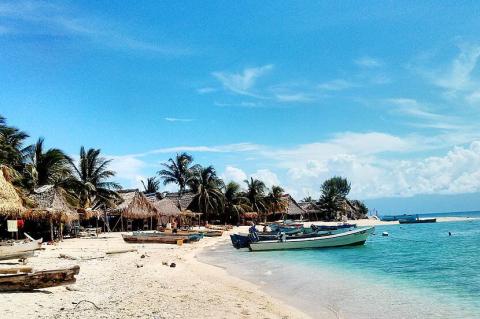
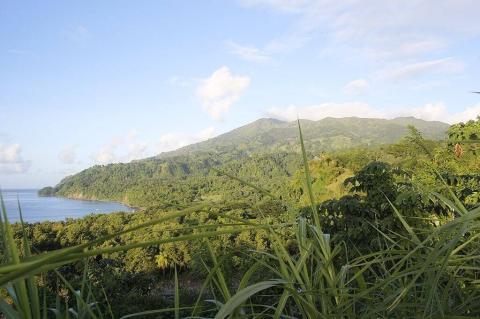
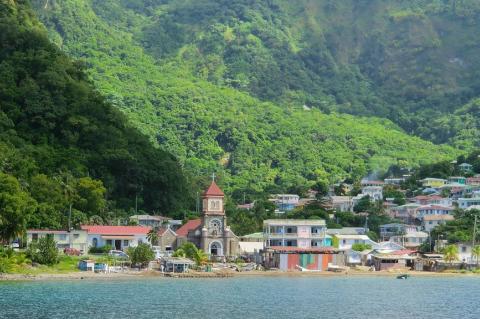
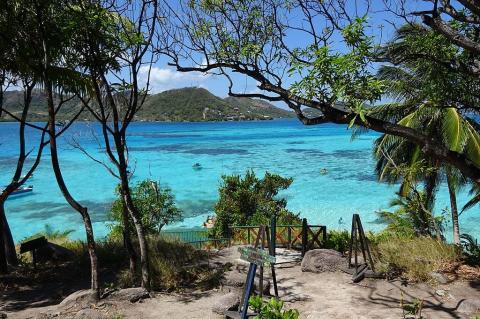
The Archipelago of San Andrés, Providencia, and Santa Catalina is a stunning collection of islands in the Caribbean Sea's western sector, belonging to the Republic of Colombia. The archipelago is a unique and captivating destination known for its rich history, vibrant culture, and incredible biodiversity. With its crystal-clear waters, lush landscapes, and warm, welcoming communities, this region is a true gem of the Caribbean.

The Solentiname Islands: Nicaragua’s Volcanic Archipelago of Art and Nature

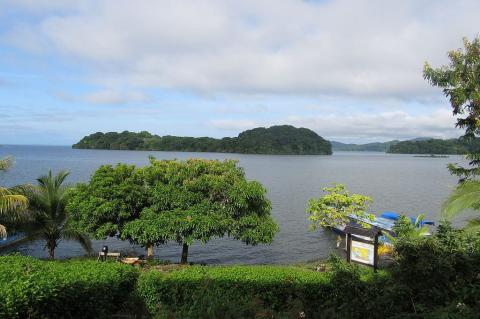
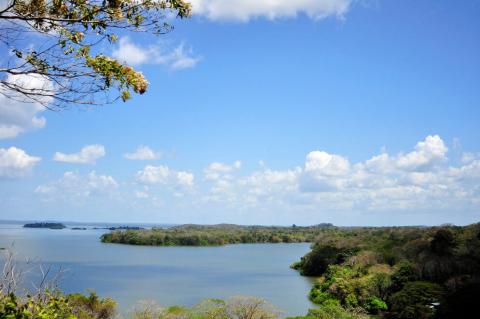
The Solentiname Islands are a serene and picturesque archipelago situated in the southeastern corner of Lake Nicaragua. These islands are renowned for their natural beauty, rich biodiversity, and cultural heritage. They are a haven for wildlife enthusiasts, artists, and those seeking a tranquil escape into nature. The archipelago comprises four main islands and numerous smaller islets, creating a unique environment that blends lush vegetation, volcanic landscapes, and vibrant artistic communities.

The Tobago Cays: Guardians of Biodiversity

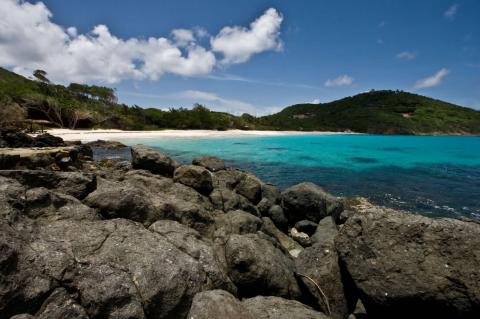
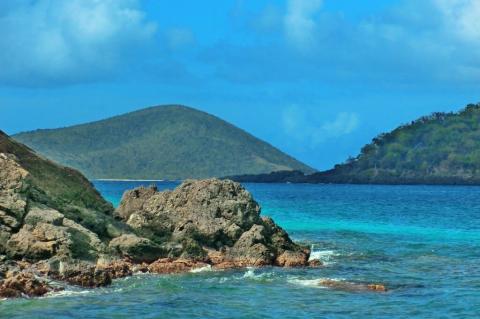
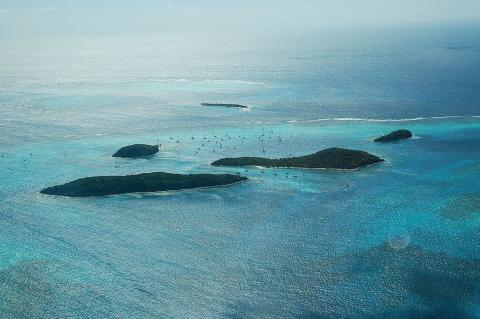
The Tobago Cays are a captivating archipelago located in the southern Grenadines of the Lesser Antilles. Comprising five small, uninhabited islands - Petit Rameau, Petit Bateau, Baradal, Petit Tabac, and Jamesby - these cays are renowned for their stunning natural beauty and popular tourist destinations. Their surrounding waters are the centerpiece of the Tobago Cays Marine Park, home to many threatened and endangered terrestrial and marine species.

Tiburón Island: Where Desert Meets Sea

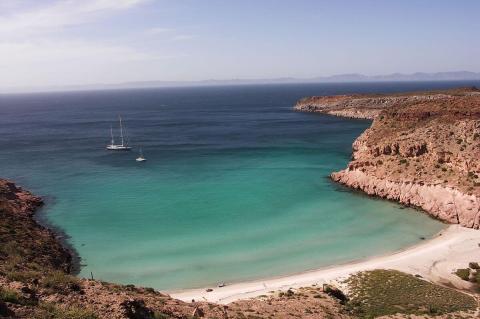
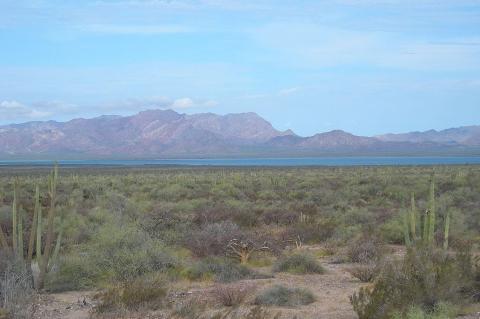
Tiburón Island, located in the Gulf of California, is Mexico's largest island and a treasure trove of ecological, cultural, and geological significance. With its striking desert landscapes, unique biodiversity, and rich Indigenous heritage, it is a vital component of the region's natural and cultural fabric. This protected landmass offers a pristine environment that has drawn the attention of ecologists, adventurers, and historians alike.

Tierra del Fuego: Archipelago of Fire and Ice

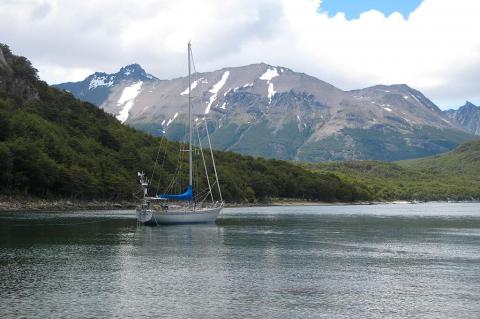
At the southernmost extremity of South America, where the continent fragments into a thousand islands scattered across tempestuous seas, lies Tierra del Fuego, the "Land of Fire." Ferdinand Magellan, the Portuguese explorer who first glimpsed these shores in 1520, named the archipelago after witnessing the countless fires lit by Indigenous peoples along the coastline. Five centuries later, the region remains one of the most sparsely populated and geologically dynamic corners of the continent.

Trindade and Martim Vaz: A Remote Sanctuary in the Atlantic

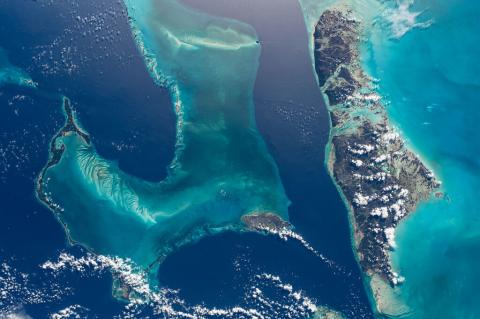
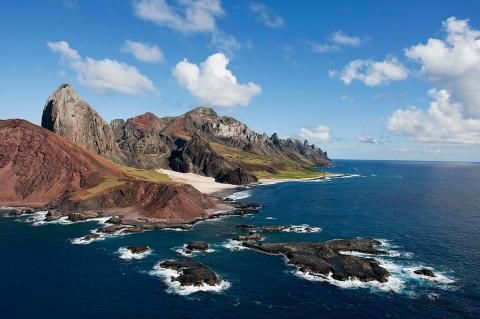
Located in the heart of the Atlantic Ocean, the Trindade and Martim Vaz archipelago is Brazil's easternmost point, off the coast of the Brazilian state of Espírito Santo. Comprising two main islands, Trindade and Martim Vaz, along with numerous smaller islets and rocks formed from volcanic activity, the archipelago is a stark, isolated outpost that remains largely untouched by human hands. Despite its isolation, Trindade and Martim Vaz hold significant ecological, historical, and strategic importance, offering unique opportunities for scientific exploration and wildlife conservation.