Natural Region

The Enigmatic Argentine Monte: Unveiling the Secrets of a Unique Desert Ecoregion

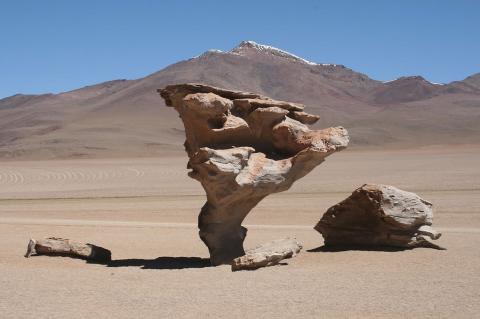
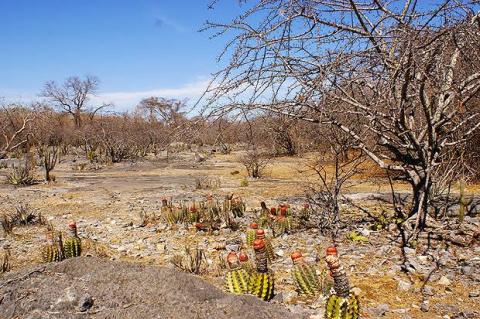
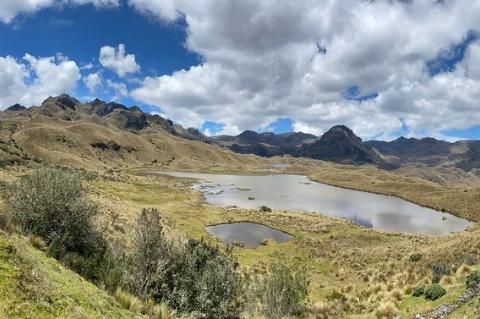
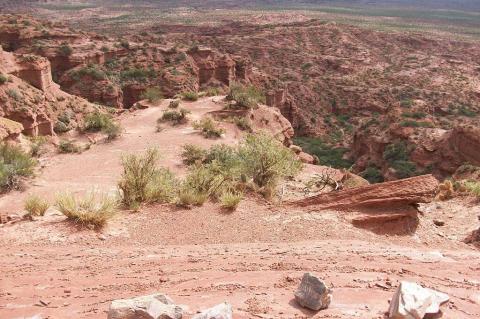
Nestled within the heart of Argentina, the Monte Desert and its encompassing ecoregion, the Argentine Monte, offer a captivating glimpse into a realm of stark beauty and remarkable resilience. This vast expanse is a tapestry woven with diverse landscapes, unique flora, and enigmatic fauna. Characterized by its arid conditions and the interplay of mountain ranges, this region is a testament to nature's ability to thrive in even the harshest environments.

The Green Heart of Colombia: Exploring the Amazon Natural Region

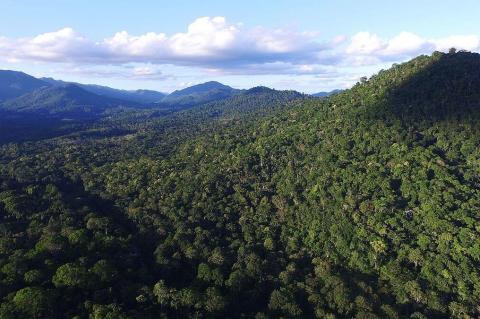
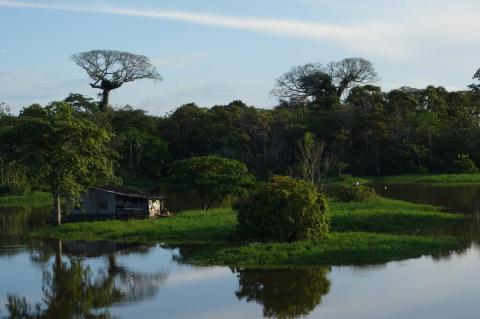
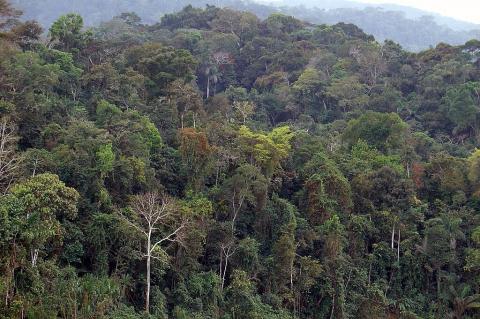
Colombia's Amazon Natural Region, a sprawling expanse in the country's southern reaches, is overwhelmingly dominated by dense, biodiverse tropical rainforest, bounded to the west by the eastern slopes of the Cordillera Oriental of the Colombian Andes and extending eastward to the borders with Venezuela and Brazil. As the most heavily forested and least populated of Colombia's natural regions, the Amazon Natural Region is a critical global lung, boasting unparalleled biodiversity and intricate ecological processes.

The Iberá Wetlands: Argentina's Natural Wonderland

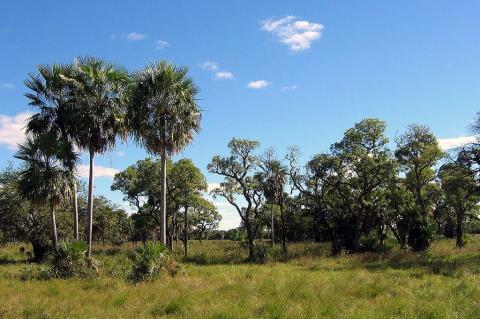
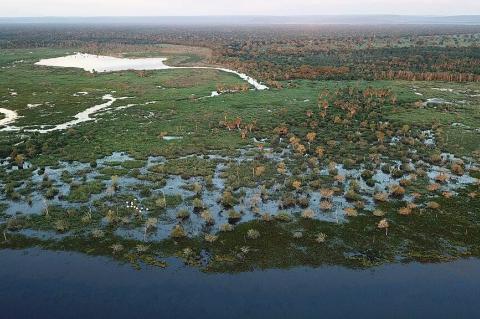
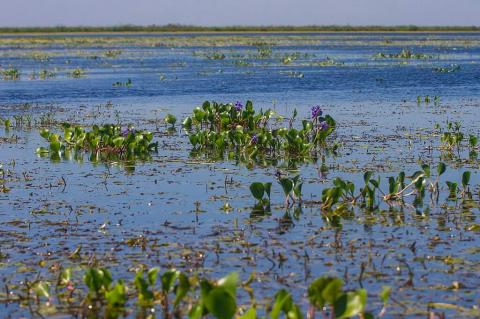
Nestled in the province of Corrientes in northwestern Argentina lies the breathtaking ecosystem known as the Iberá Wetlands, or Esteros del Iberá. This expansive wetland marvel unfolds as a mosaic of marshes, swamps, bogs, lakes, and lagoons, creating one of the most significant freshwater reservoirs on the South American continent. Seamlessly integrated into the Humid Chaco ecoregion, the wetlands serve as a vast ecological haven. Beyond its sheer size, this intricate network of water bodies plays a pivotal role in sustaining the region's water supply and acting as a crucial force in flood control.

The Iwokrama Rainforest: A Verdant Gem of Guyana

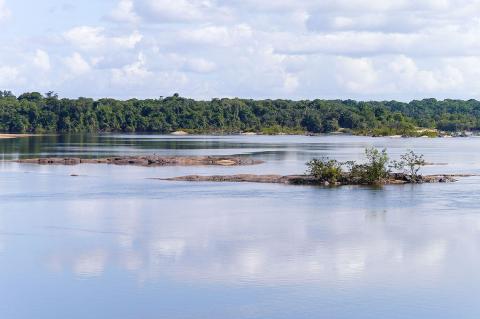
Nestled in the heart of the Guiana Shield region of South America, the Iwokrama Rainforest in Guyana is one of the planet’s last pristine tropical forests. This vast wilderness is renowned for its exceptional biodiversity and is a global sustainable forest management model. Its rich natural and cultural heritage highlights its significance in international conservation efforts.

The Lacandón Forest and Montes Azules Biosphere Reserve: A Critical Link in Mesoamerica's Green Corridor

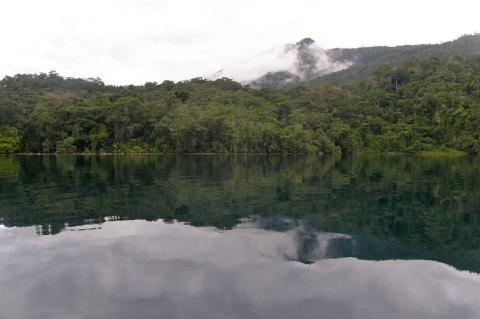
In southeastern Mexico, the Lacandón Forest, also known as Selva Lacandona, is a vital part of North America's natural treasures. More than a tropical rainforest, it serves as a crucial link in the Mesoamerican Biological Corridor, which spans from Mexico to Panama, connecting protected areas across eight nations to preserve biodiversity and ecological connectivity. Within its boundaries, the Montes Azules Biosphere Reserve is one of Mexico's most biodiverse areas, with ecosystems largely unchanged since the Classic Maya era over a millennium ago.

The Mediterranean Heartbeat: Exploring Chile's Zona Central

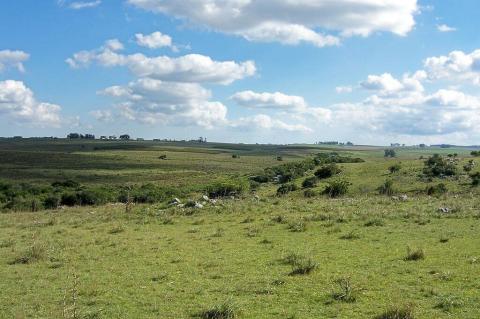
Chile's Zona Central represents the vibrant and most densely populated core of the country. This zone embodies the nation's demographic, economic, and cultural center, characterized by a classic Mediterranean climate. It is a landscape where fertile valleys, bordered by prominent coastal ranges and the towering peaks of the Andes, have fostered intensive agriculture, significant urban development, and a rich biodiversity, all shaped by distinct seasonal rainfall patterns and the enduring presence of both mountains and sea.

The Rupununi: A Pristine Wilderness in Guyana's Heart

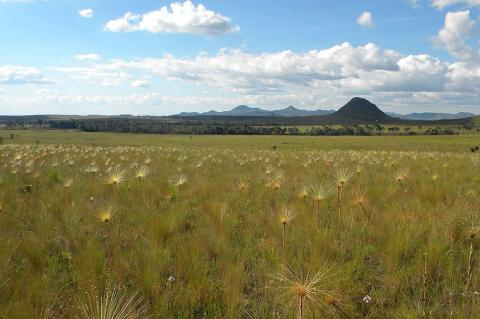
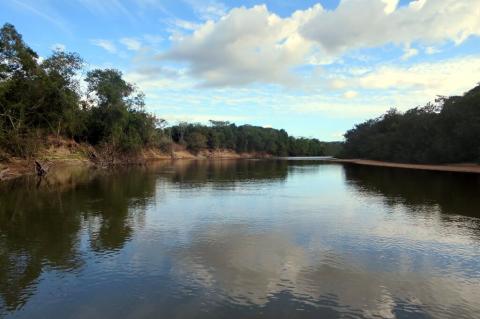
The Rupununi region in southwestern Guyana is one of the Earth's last significant wilderness areas, offering a glimpse into an ecosystem of unparalleled diversity and ecological importance. Bordering the Brazilian Amazon, this region is a complex mosaic of savannas, wetlands, forests, and rivers rich in biodiversity and cultural heritage. Divided by the Kanuku Mountains into the Northern and Southern Rupununi, this area represents one of Guyana's most unique and biologically rich landscapes.

The Semi-Arid Heart of Chile: Ecology, Agriculture, and Astronomy in the Norte Chico

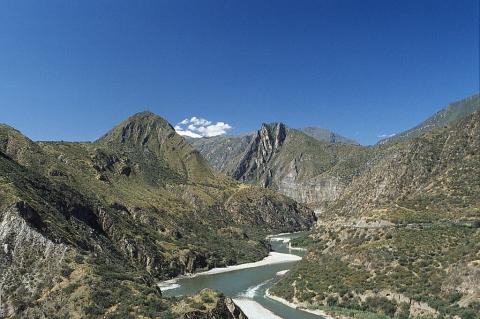
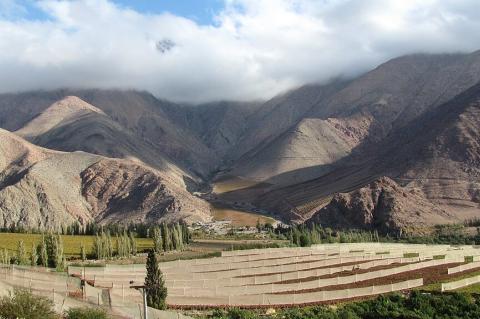
Chile's Norte Chico, the "Near North," region is a vital transitional zone from the arid Copiapó River to the temperate Aconcagua River. This area demonstrates a shift from the hyperaridity of the Norte Grande to the Mediterranean-like central zone. The Norte Chico features semi-arid climates, distinctive valleys, endemic biodiversity, and a rich history tied to agriculture and mineral extraction. Its landscapes, ranging from foggy coastlines to fertile valleys and the slopes of the Andes, reveal the ecological and geographical gradients of Chile.

The Wild Frontier: Exploring Chile's Zona Austral

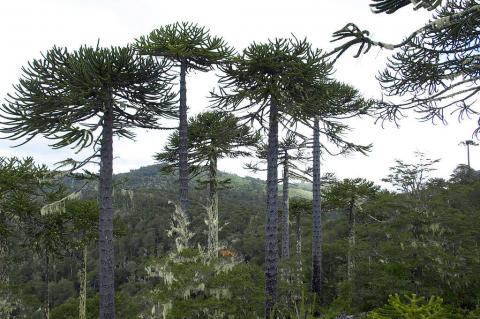
Chile's Zona Austral, the "Far South," encompasses the vast and sparsely populated territory stretching south from the Guaitecas Archipelago to the legendary Cape Horn, representing the country's final frontier towards Antarctica. As the southernmost of its five distinct natural regions, this zone is characterized by a cold, wet climate, dramatic glaciated landscapes, rugged coastlines with intricate fjords and numerous islands, and subpolar conditions in its southernmost reaches.

Where the Tropics Embrace the Coast: Exploring Colombia's Caribbean Natural Region

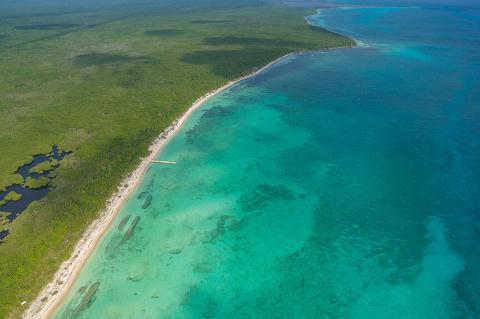
Colombia's Caribbean Natural Region, stretching from the Gulf of Urabá to the Guajira Peninsula, is where tropical warmth meets the Caribbean Sea. Known for its unique climate, diverse ecosystems, rich history, and vibrant culture, this region is key to Colombia's narrative. Once a gateway for European exploration, the Caribbean coast has transformed into a dynamic area of bustling port cities, stunning landscapes, and a unique cultural identity shaped by its history and coastal location.