Natural Region

Chapada Diamantina: Exploring Nature's Masterpiece in the Brazilian Highlands

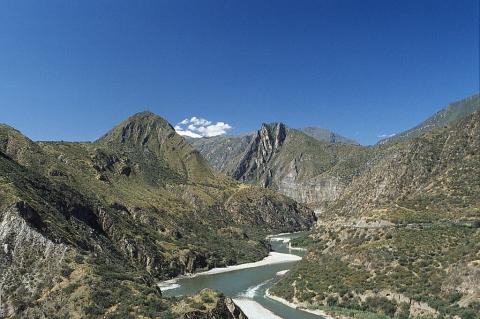
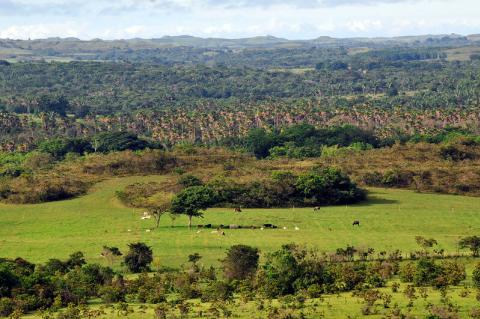
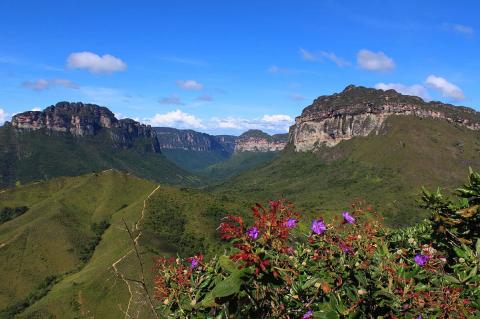
Nestled in the northeastern reaches of Brazil, Chapada Diamantina unfolds as a vibrant region of extraordinary landscapes and rugged mountainous terrain within the Brazilian Highlands. This region is situated within the Brazilian Highlands and is geographically diverse and culturally rich. Chapada Diamantina National Park, an integral part of the Chapada Diamantina region, is a testament to its ecological importance.

Chile's Lake District: Nature's Paradise and Cultural Gem

Nestled between the Andes Mountains and the Pacific Ocean, Chile's Lake District is a breathtaking region renowned for its pristine lakes, snow-capped volcanoes, lush forests, and vibrant cultural heritage. This picturesque area in southern Chile stretches from Temuco to Puerto Montt, offering visitors a captivating blend of outdoor adventure, serene landscapes, and cultural immersion. The region's enchanting beauty and rich history make it a treasure trove for those seeking a connection to Chile's natural and cultural identity.

Embracing the Emerald South: Exploring Chile's Zona Sur

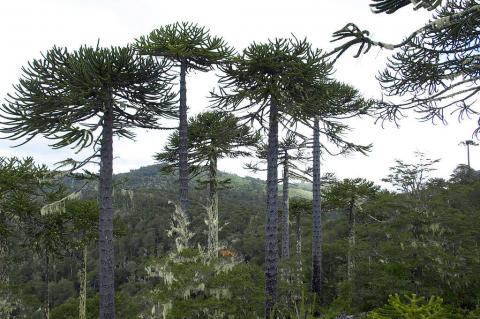
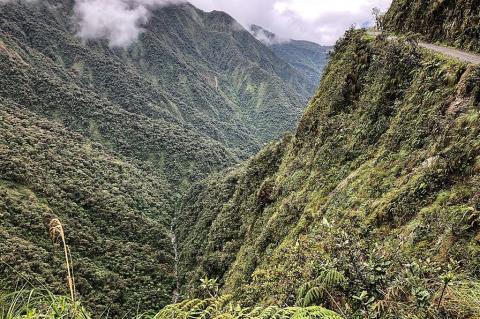
Chile's Zona Sur, or "Southern Zone," stretches from the Biobío River to the Guaitecas Archipelago, showing a shift to increased humidity, lush forests, and striking volcanic landscapes. It features a temperate oceanic climate with heavy rainfall, many lakes and rivers, and the majestic southern Andes. The Zona Sur boasts rich biodiversity, including unique endemic species, and a cultural heritage shaped by indigenous Mapuche traditions and European influences.

Islands in the Sky: Venezuela's Gran Sabana

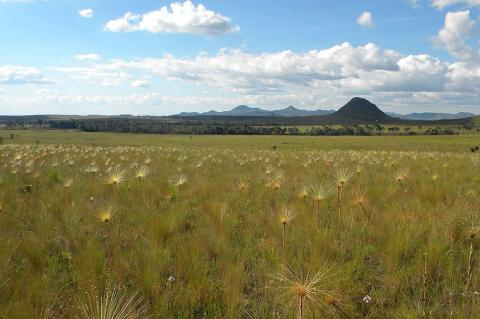
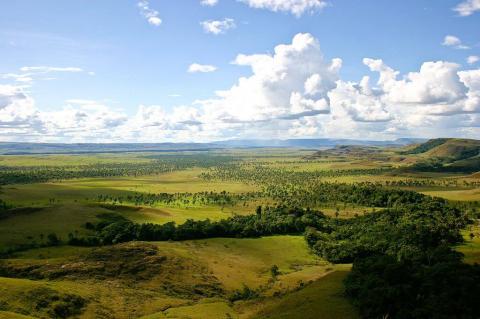
La Gran Sabana is a vast plateau in southeastern Venezuela within Canaima National Park, part of the Guiana Shield. It features spectacular tepuis—isolated tabletop mountains with sheer cliffs above savannas—and hosts over 4,800 plant species, including many endemic and carnivorous plants. The Pemon people have lived here for millennia, and landmarks like Mount Roraima and Angel Falls highlight its ancient, unique landscape, facing threats from fire, mining, and climate change.

Mesopotamia and the Missionary Jungle: A Tale of Ecological Riches and Conservation Challenges

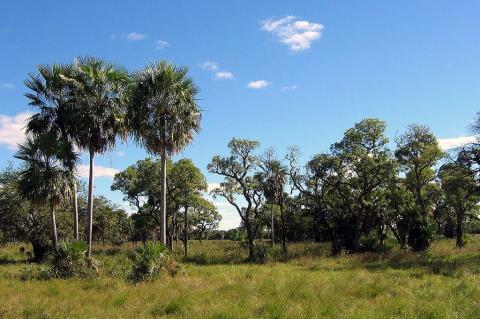
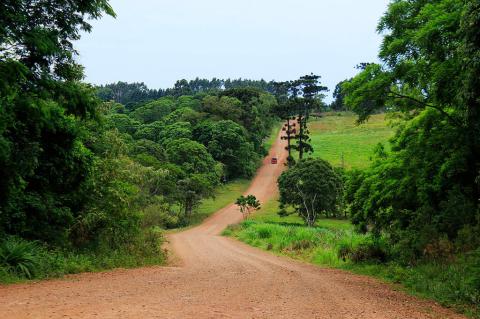
Mesopotamia, a captivating geographical region in Argentina, embraces the provinces of Misiones, Corrientes, and Entre Ríos. Nestled "between the rivers," the Paraná River to the west, and the Uruguay River to the east, Mesopotamia's diverse landscapes and ecosystems offer a unique blend of natural wonders. The Missionary Jungle is a vital component of the region's environmental wealth.

The Arid Diagonal: South America's Great Drylands

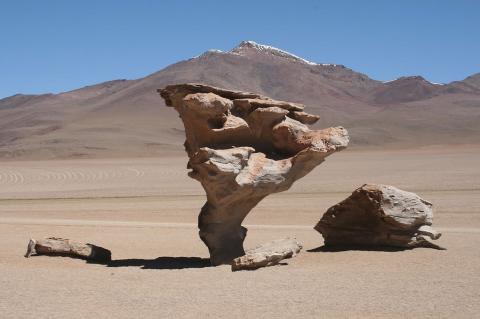
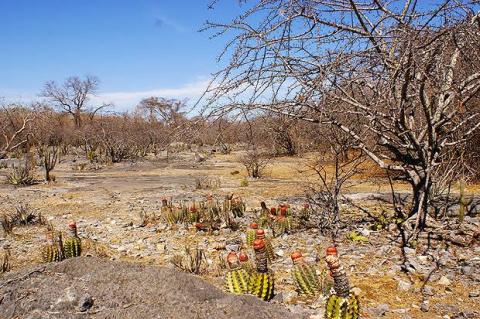
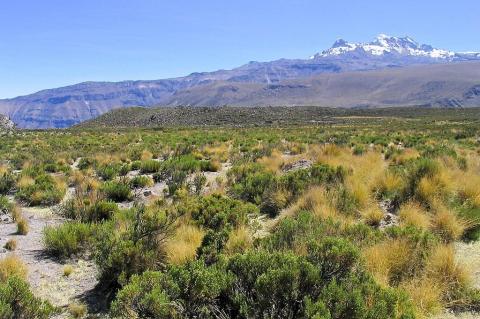
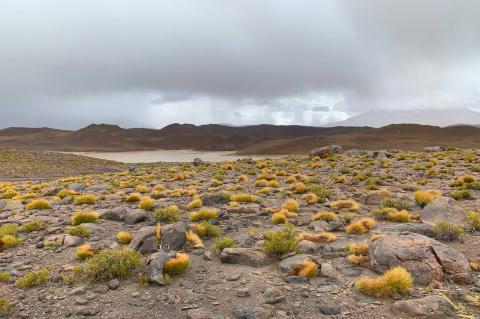
South America's Arid Diagonal is a vast belt of arid and semi-arid ecosystems extending from coastal Peru to southeastern Argentina and northeastern Brazil. The region encompasses diverse desert systems, including the hyperarid Atacama, the ENSO-influenced Sechura, the biodiverse Monte, the wind-swept Patagonian Desert, and the high-altitude Puna. Despite extreme aridity, the diagonal harbors remarkable biodiversity with high endemism levels, particularly in transition zones, though it faces conservation challenges from overgrazing, mining, agricultural expansion, and climate change.

The Arid Majesty of Chile's Norte Grande: A Land of Extremes and Resilience

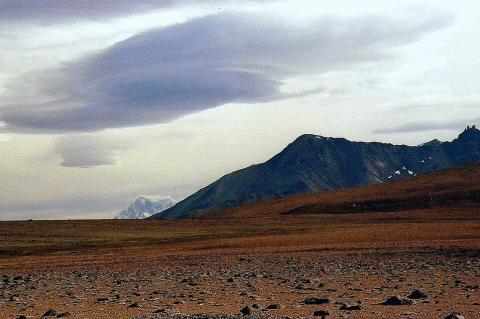
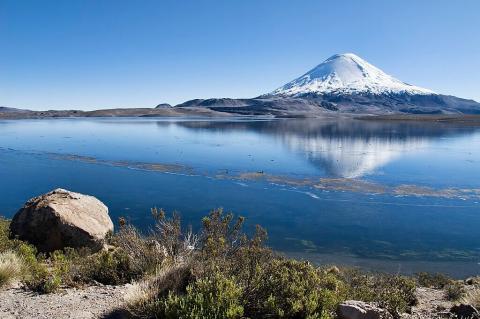
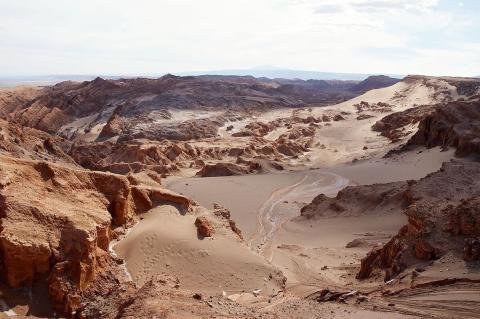
Chile's Norte Grande, the northernmost region stretching from the Peruvian border to the Copiapó River, showcases the raw power and stark beauty of extreme aridity. This area, home to the Atacama Desert, one of the driest places on Earth, features a landscape shaped by relentless sun, minimal rainfall, and dramatic geological forces. However, within this inhospitable environment lies a unique tapestry of adapted life, captivating geological features, and a rich history defined by the struggle for existence in a land of striking contrasts.

The Backbone of Colombia: Exploring the Andean Natural Region

Colombia's Andean Natural Region, the country's populous heartland, is a majestic tapestry of mountain ranges, valleys, and ecosystems shaped by altitude. This central region features three branches of the Andes Mountains, running from south to north. Beyond its topography, the Andean region is the historical and contemporary core of Colombian life, housing many urban centers, rich pre-Columbian Indigenous heritage, and a significant part of the vital Magdalena River basin.

The Emerald Embrace: Exploring Colombia's Pacific/Chocó Natural Region

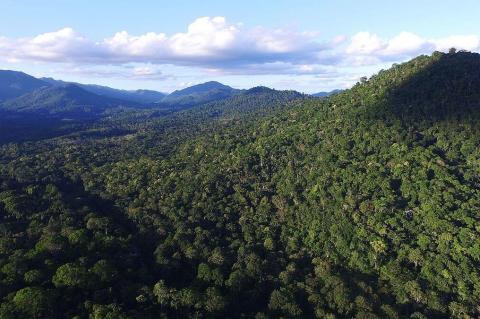
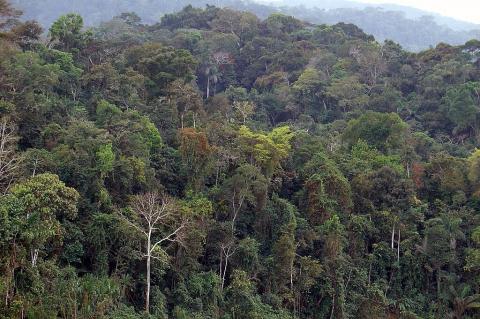
Colombia's Pacific/Chocó Natural Region is a vital biodiversity sanctuary along the western coastline. Known as the "Colombian Chocó," it features a warm, humid climate, dense rainforests, river systems, swamps, and mangroves along the Pacific Ocean. Bordered by the Cordillera Occidental to the east and stretching from the Darién Gap and Panama in the north to Ecuador in the south, the Chocó showcases remarkable ecological diversity, influenced by unique evolutionary and environmental factors.

The Endless Horizon: Exploring Colombia's Orinoco Natural Region

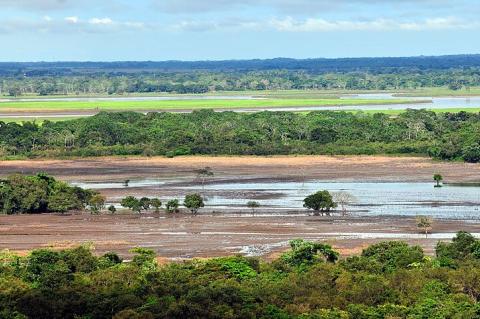
Colombia's Orinoco Natural Region, also known as the Orinoquía or the Eastern Plains, is a vast and sparsely populated expanse stretching east of the majestic Andes Mountains. Forming part of the immense Llanos, a tropical grassland plain shared with Venezuela, this region is defined by its flat, open savannas, integral connection to the Orinoco River watershed, and unique biodiversity adapted to the seasonal wet and dry cycles. While less densely populated than other Colombian regions, the Orinoquía holds significant ecological importance.