Argentina

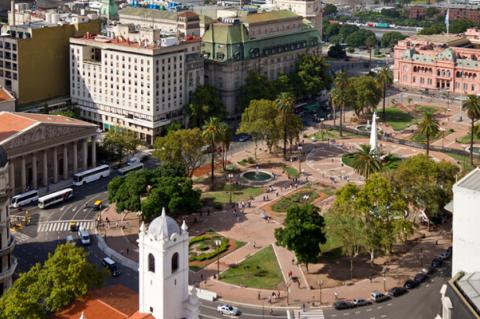
The Heart of Buenos Aires: Exploring Plaza de Mayo

Plaza de Mayo is not merely a public square but the symbolic heart of Buenos Aires and the epicenter of Argentina's political and cultural history. For over two centuries, the plaza has served as a stage for some of the country's most significant events, from the struggle for independence to modern-day protests and celebrations. Its surrounding landmarks, historical significance, and cultural impact make it one of Argentina's most iconic and enduring spaces.

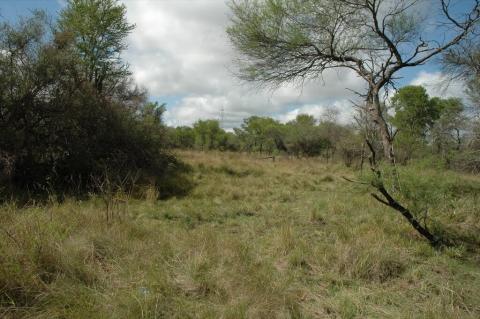
The Humid Chaco: A Realm of Green and Water, Where Life Flourishes in Abundance

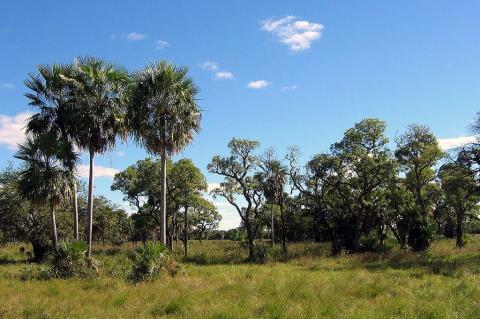
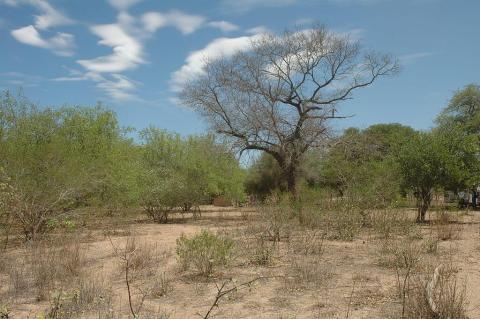
The Humid Chaco ecoregion, the eastern counterpart to the drier expanses of the Gran Chaco, stretches across eastern Paraguay, northeastern Argentina, and a small portion of southeastern Brazil. In contrast to the aridity that defines its western neighbor, the Humid Chaco is characterized by higher rainfall, more fertile soils in certain areas, and a greater abundance of surface water. This results in a landscape teeming with diverse forests, expansive savannas that experience seasonal flooding, and intricate riparian ecosystems.

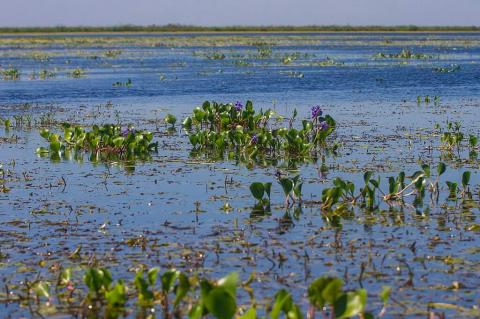
The Iberá Wetlands: Argentina's Natural Wonderland

Nestled in the province of Corrientes in northwestern Argentina lies the breathtaking ecosystem known as the Iberá Wetlands, or Esteros del Iberá. This expansive wetland marvel unfolds as a mosaic of marshes, swamps, bogs, lakes, and lagoons, creating one of the most significant freshwater reservoirs on the South American continent. Seamlessly integrated into the Humid Chaco ecoregion, the wetlands serve as a vast ecological haven. Beyond its sheer size, this intricate network of water bodies plays a pivotal role in sustaining the region's water supply and acting as a crucial force in flood control.

The Iguazú River: A Natural Wonder of South America

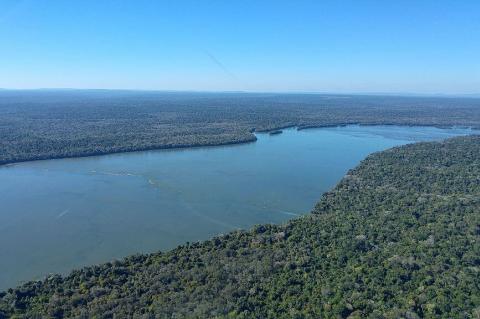
The Iguazú River, one of South America's most remarkable waterways, is a vital natural feature that traverses the landscapes of Brazil and Argentina. Renowned for its breathtaking Iguazú Falls, the river is a critical component of the region's hydrological system, supporting diverse ecosystems and serving as an essential resource for local communities. Originating in the Serra do Mar coastal range, the river winds through lush forests and rugged terrain before culminating in a dramatic series of cascades.

The Jesuit Block and Estancias of Córdoba: A Testament to Cultural Exchange

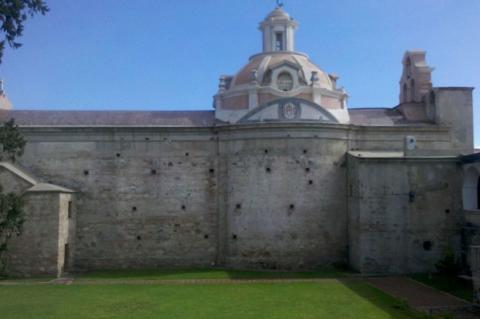
The Jesuit Block and Estancias of Córdoba stand as a powerful testament to the enduring influence of Jesuit missionaries in shaping South America's cultural, religious, and economic landscape. A UNESCO World Heritage Site, this remarkable ensemble transcends its architectural and historical significance. It embodies a vast religious, political, economic, legal, and cultural system, leaving an indelible mark on the region's development.

The Majestic Quebrada del Condorito: Argentina's High-Altitude Haven

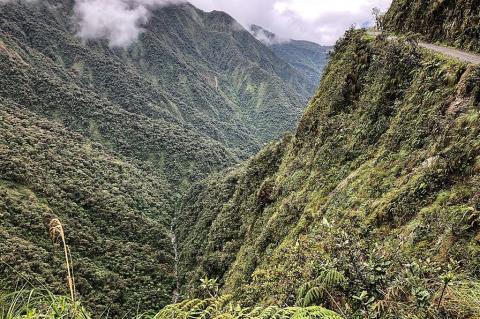
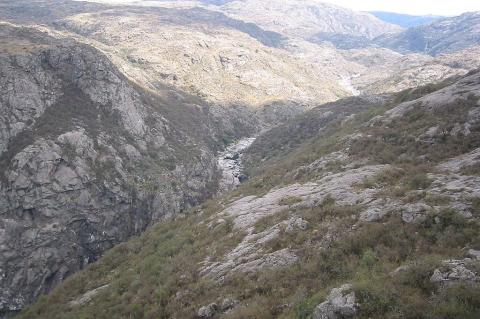
Nestled in the heart of Argentina, Quebrada del Condorito National Park stands as a powerful testament to the nation's dedication to preserving its extraordinary biodiversity and breathtaking landscapes. It is renowned for its dramatic vistas, which include deep gorges, towering cliffs, and rugged terrain, creating a stunning natural amphitheater. The park's diverse ecosystems range from montane forests to high-altitude grasslands, each supporting a unique assemblage of flora and fauna.

The Majesty of Ice: Exploring the Perito Moreno Glacier and Los Glaciares National Park

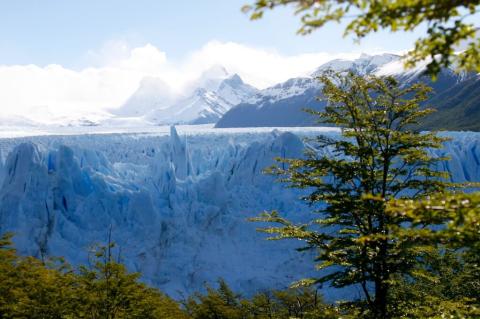
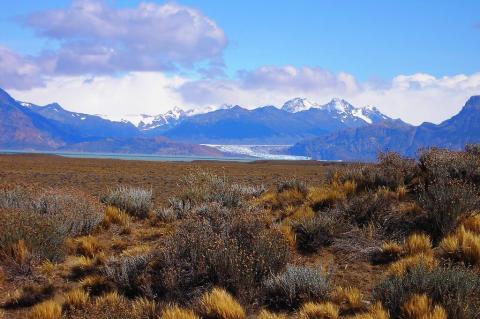
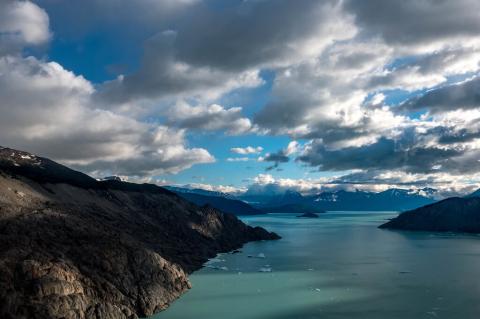
In the remote expanse of Argentine Patagonia, an extraordinary natural spectacle unfolds at the Perito Moreno Glacier, one of the most iconic landmarks of Argentina's Los Glaciares National Park. The glacier, known for its dramatic size, captivating beauty, and regular ruptures, symbolizes the region's glacial power and is a significant tourist destination. Located near the town of El Calafate, this massive ice formation is part of the Southern Patagonian Ice Field, one of the world's largest freshwater reserves.

The Pan-American Highway: Linking North, Central, and South America

Stretching from the frozen tundras of Alaska to the windswept landscapes of Tierra del Fuego, the Pan-American Highway is a testament to human ingenuity and the indomitable spirit of connectivity. This vast network of roads is one of the most extensive and ambitious transportation systems ever conceived, serving as a vital artery for trade, tourism, and cultural exchange across the Americas. Despite the monumental achievements of the highway, a formidable obstacle remains – the Darién Gap.

The Paraguay River: Lifeline of South America

The Paraguay River, South America's fifth-largest river, is vital for the continent's southern regions. From its source in Brazil to its confluence with the Paraná River in Argentina, the river flows through Brazil, Paraguay, and Argentina. The river not only serves as a critical geographical feature but also demarcates national borders and influences the livelihoods of millions, making it one of the most significant waterways on the continent. It is crucial in maintaining biodiversity, especially in the Pantanal, one of the world's most ecologically diverse wetlands.

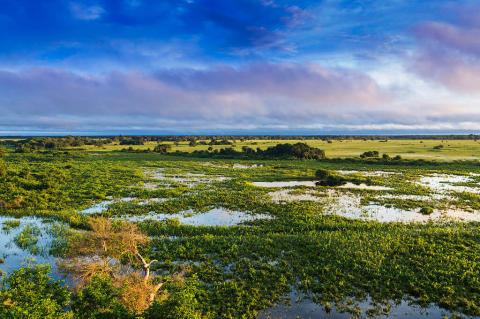
The Paraná Flooded Savanna: Guardian of the Flooded Realm

The Paraná Flooded Savanna ecoregion is a vast area that spans across the floodplains of the middle and lower Paraná River, along with its tributary, the Paraguay River. This region is home to diverse flora and fauna, crucial for maintaining the ecological balance in Argentina and Paraguay. This region's intricate network of waterways and lush marshlands provides a secure habitat for countless plant and animal species.