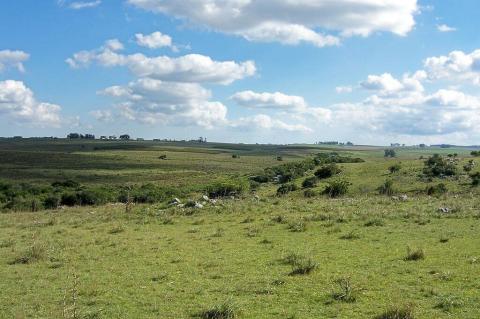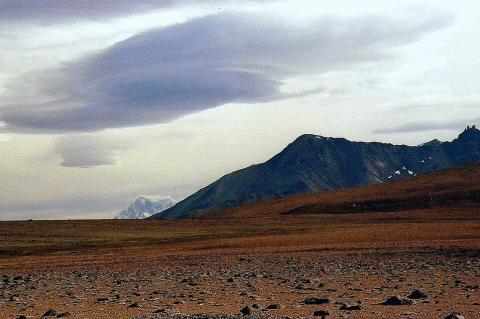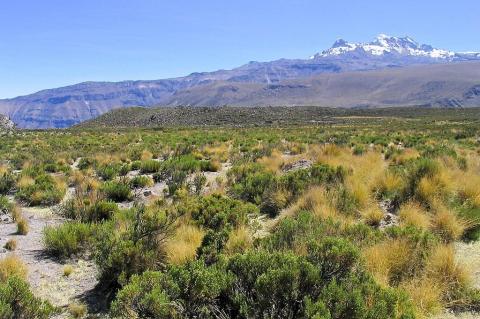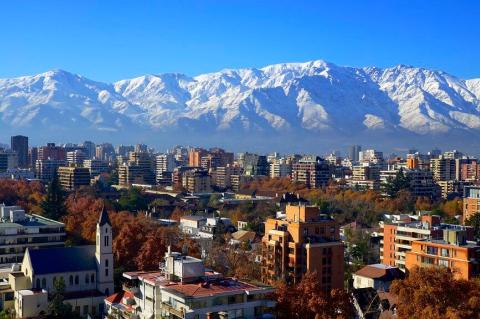
Argentina

Riacho Teuquito Biosphere Reserve: The Chaco's Sanctuary

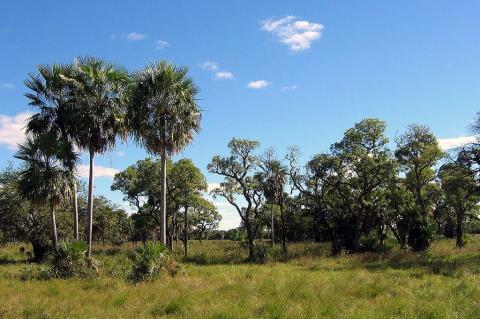
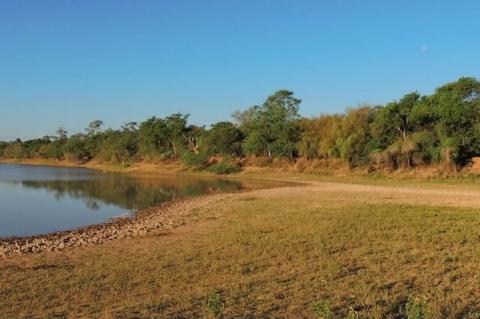
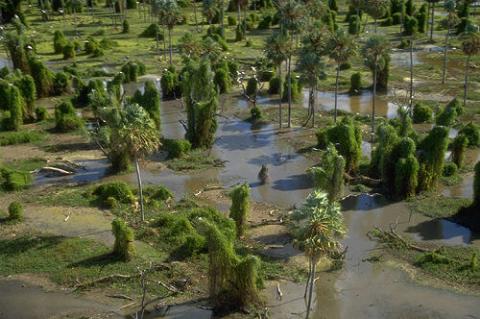
The Riacho Teuquito Biosphere Reserve, nestled in the Province of Formosa in northeastern Argentina, is a vital conservation area within the Chaco region. This reserve is dedicated to preserving the semi-arid Chaco's unique woody ecosystems, which have faced significant deforestation and environmental pressures. The reserve's strategic zoning allows for effective conservation, sustainable development, and promoting harmonious human-nature interactions.

Río Pilcomayo National Park: A Riverine Sanctuary in Northern Argentina

Nestled in the northeastern province of Formosa, Argentina, near the border with Paraguay, the Río Pilcomayo National Park stands as a testament to the country's commitment to preserving its rich natural heritage. This protected area of diverse ecosystems boasts a varied topography and showcases the unique beauty and biodiversity of the Pilcomayo River, a vital watercourse that weaves through the region.

Rosario, Argentina: A Cultural and Historical Journey Along the Paraná River

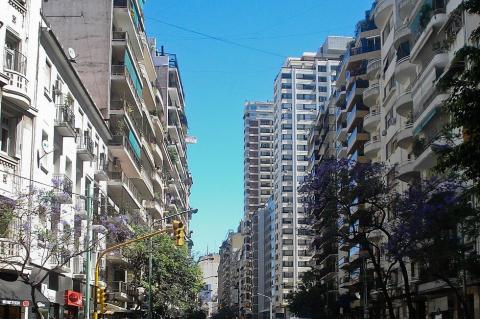
Nestled along the Paraná River, Rosario is one of Argentina's most vibrant and historically rich cities. It is famed for its dynamic cultural contributions, strong political heritage, and scenic beauty. As the birthplace of revolutionary Che Guevara and soccer legend Lionel Messi, Rosario's influence spans well beyond Argentina's borders. With its blend of colonial and modern influences, Rosario offers a glimpse into Argentina's past, present, and future.

San Carlos de Bariloche and Nahuel Huapi: Exploring Patagonia’s Scenic Heart

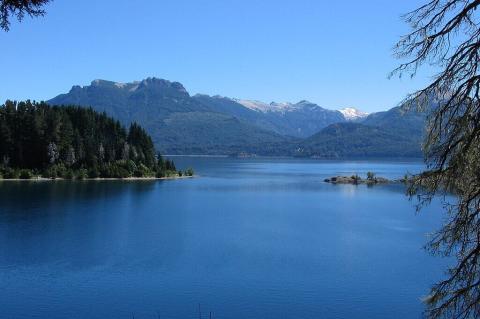
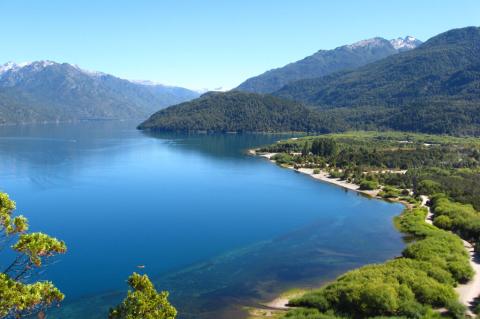
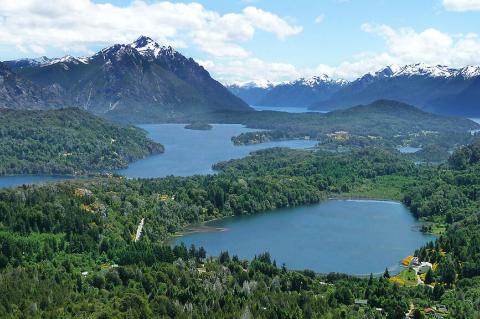
Situated in the foothills of the Argentine Andes, San Carlos de Bariloche offers a striking combination of natural beauty and cultural richness. Located on the clear shores of Lake Nahuel Huapi, Bariloche is surrounded by some of Patagonia's most breathtaking mountains and lakes. As part of the more expansive Nahuel Huapi National Park, the region attracts visitors worldwide, offering a unique blend of outdoor activities, historical landmarks, and distinct architectural charm.

San Guillermo National Park and Biosphere Reserve: A Majestic Andean Sanctuary

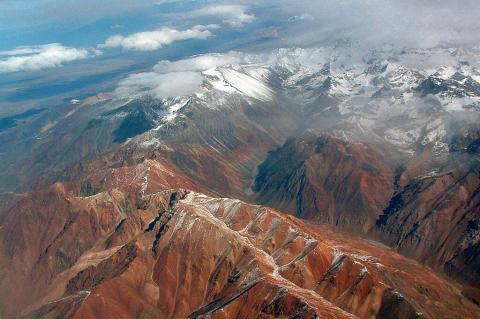
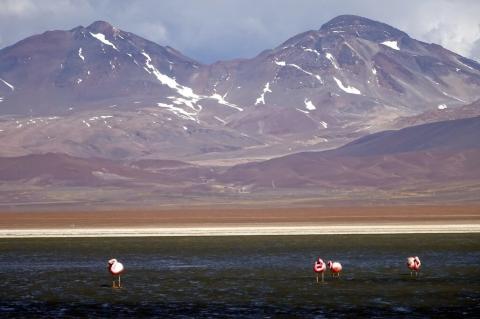
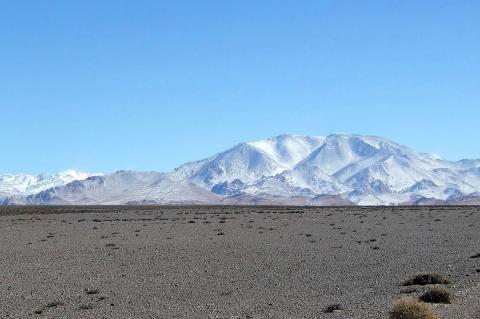
Nestled within the rugged folds of Argentina's San Juan Province, the San Guillermo National Park and Biosphere Reserve stand as a testament to the remarkable biodiversity and cultural heritage of the high Andes. This vast protected area encompasses a mosaic of mountain systems, highland grasslands, and arid landscapes, offering a unique glimpse into the delicate balance between nature and human communities.

Sierra de Córdoba: Argentina's Majestic Mountain Range

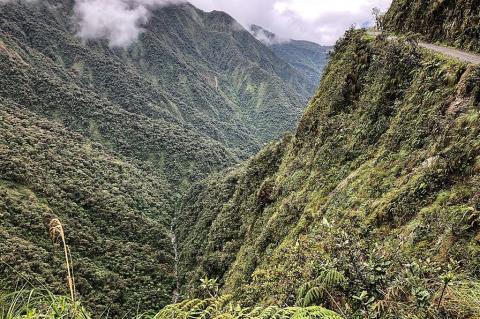
The Sierra de Córdoba is one of Argentina's most significant mountain ranges, stretching across the country's central region. Located primarily in Córdoba Province, it forms part of the larger Sierras Pampeanas system. Characterized by rolling hills, deep valleys, and rugged peaks, the range is a vital ecological and cultural region. Its rich biodiversity, historical significance, and economic contributions make it an essential natural landmark in Argentina.

Sierra de las Quijadas National Park: Preserving the Chaco-Monte Ecotone

Nestled in the heart of Argentina's San Luis province, the Sierra de las Quijadas National Park is a unique and ecologically significant protected area. Established to safeguard the natural features of the Semiarid Chaco and Argentine Low Monte ecoregions, this park represents a critical transitional zone between these two distinct biomes, offering a remarkable diversity of plant and animal life.

The Altiplano—Puna Volcanic Complex: Unveiling Geological Marvels in South America

The Altiplano—Puna volcanic complex is a testament to the awe-inspiring geological processes shaping the southern portion of the Altiplano—Puna plateau in the central Andes. It spans Argentina, Bolivia, and Chile and was formed when the Nazca Plate subducted beneath the South American Plate. The complex boasts diverse volcanic features and is the largest active magma reservoir. Scientific exploration continues to unravel the region's geological history, revealing insights into subterranean processes.

The Argentine Sea: A Biodiverse and Economic Powerhouse

The Argentine Sea, located in the southwestern Atlantic Ocean along Argentina's eastern coast, is one of the most ecologically diverse and economically significant marine regions in the Southern Hemisphere. It is a vital hub for marine biodiversity, fisheries, and energy resources. Bordered by the Argentine continental shelf, this sea is a lifeline for the country, blending natural wealth with cultural and economic importance.

The Arid Diagonal: South America's Great Drylands

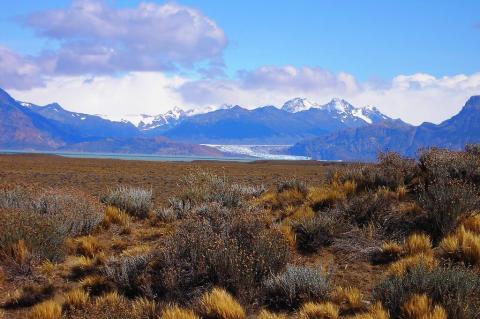
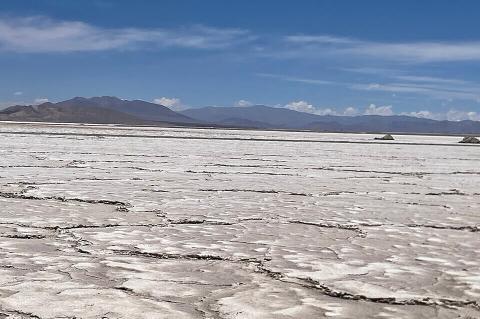
South America's Arid Diagonal is a vast belt of arid and semi-arid ecosystems extending from coastal Peru to southeastern Argentina and northeastern Brazil. The region encompasses diverse desert systems, including the hyperarid Atacama, the ENSO-influenced Sechura, the biodiverse Monte, the wind-swept Patagonian Desert, and the high-altitude Puna. Despite extreme aridity, the diagonal harbors remarkable biodiversity with high endemism levels, particularly in transition zones, though it faces conservation challenges from overgrazing, mining, agricultural expansion, and climate change.