Argentina

The Paraná River: Lifeblood of South America

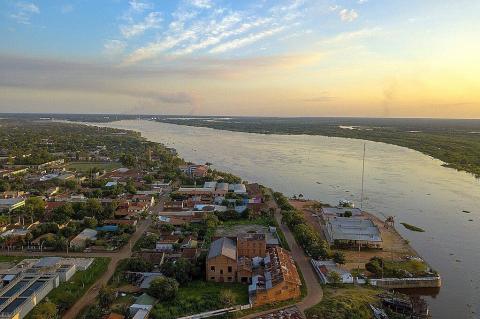
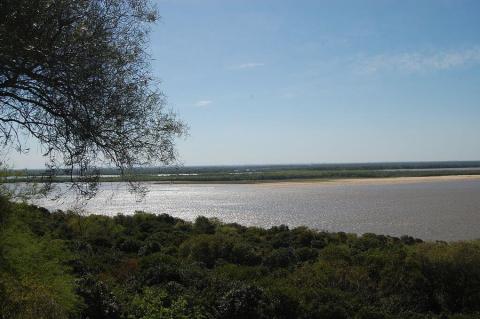
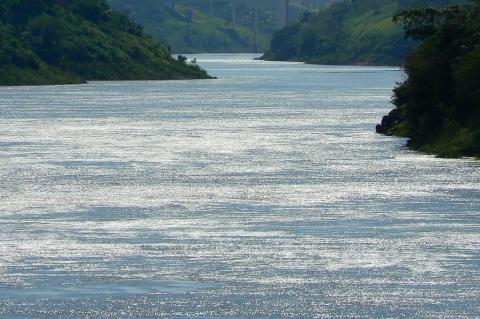
The Paraná River is an extraordinary natural feature, the second-longest river in South America after the Amazon. It traverses Brazil, Paraguay, and Argentina. Originating in southern Brazil, the Paraná River flows generally southward until it merges with the Uruguay River to form the Río de la Plata at the border of Argentina and Uruguay. This extensive river system and its encompassing basin play crucial roles in the region's environmental, economic, and cultural landscapes.

The Parque Costero del Sur Biosphere Reserve: A Pampean Oasis

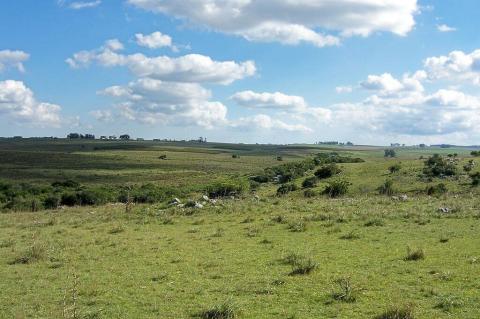
Along Argentina's Atlantic coast, in the southern reaches of the Río de la Plata estuary, lies the Parque Costero del Sur Biosphere Reserve – a verdant oasis showcasing the nation's rich natural and cultural heritage. This sprawling protected area, comprising fertile pampas grasslands, swamps, wetlands, and dry forests, is a true celebration of biodiversity, where the unique ecosystems of the river and the pampas converge.

The Patagonian and Fuegian Andes: Spine of the World's End

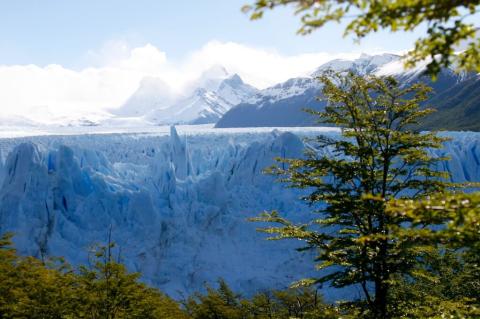
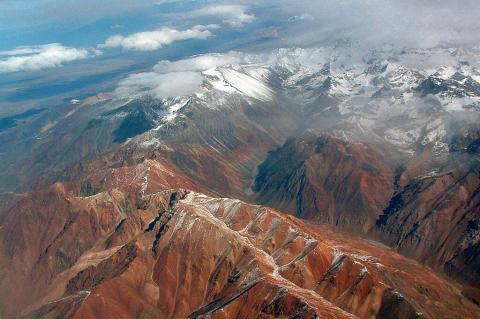
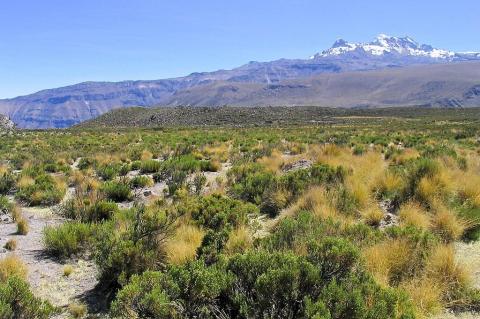
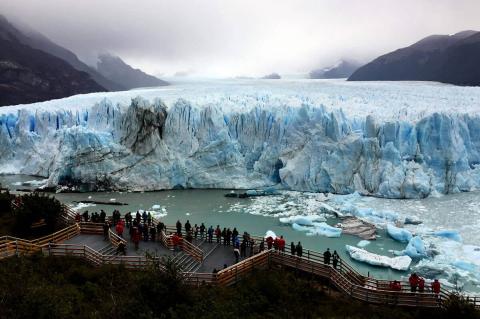
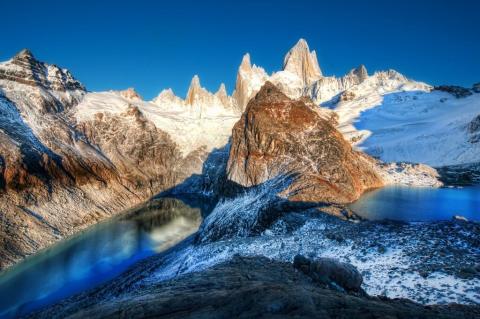
Rising from the steppes of southern Argentina and Chile like a serrated blade cleaving sky from earth, the Patagonian and Fuegian Andes form a spectacular and complex mountain system. This southern extension of the Andean chain features dramatic landscapes, towering granite spires, ancient ice fields, and active volcanic peaks that reshape the continent. These mountains serve as a living laboratory of planetary processes, a refuge for unique ecosystems, and a testament to the powerful natural forces that have shaped our world.

The Patagonian Grasslands: Guardians of the Windswept Plains

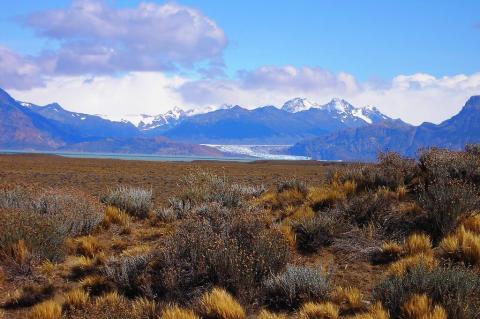
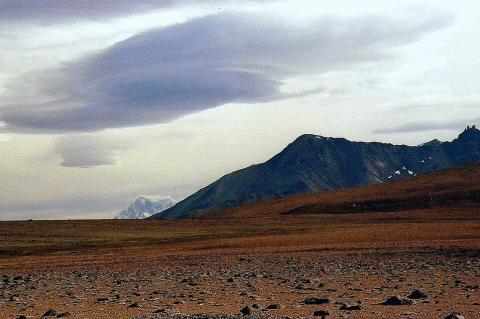
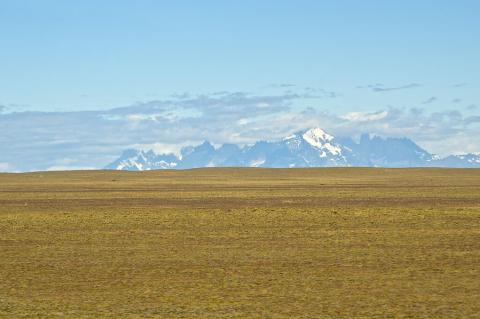
The Patagonian Grasslands ecoregion is situated in the southern part of Argentina. It is an example of nature's resilience in challenging conditions. This area falls under the biome of temperate grasslands, savannas, and shrublands, which spans across the Neotropical realm. The region is a testament to the stunning beauty and biodiversity of the southern landscapes of Argentina.

The Pilcomayo River: A Lifeline Traversing South America

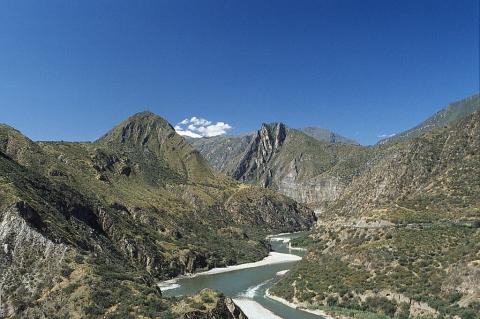
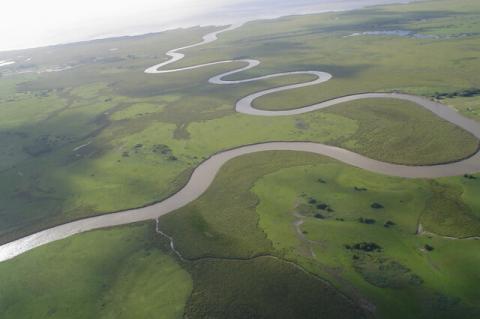
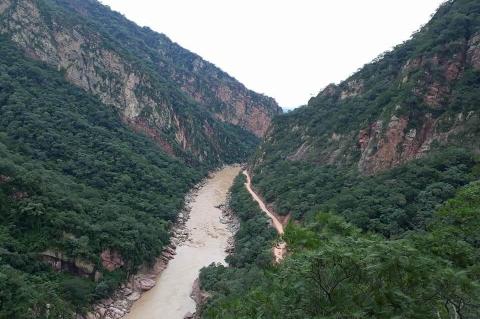
Winding its way through the heart of South America, the Pilcomayo River stands as a vital watercourse that interweaves the landscapes and ecosystems of Argentina, Bolivia, and Paraguay. Originating from the Andes, this remarkable river embarks on a journey that not only shapes the physical terrain but also sustains a rich tapestry of biodiversity, leaving an indelible mark on the diverse regions it traverses.

The Qhapaq Ñan: Weaving an Empire Through Stone and Sky

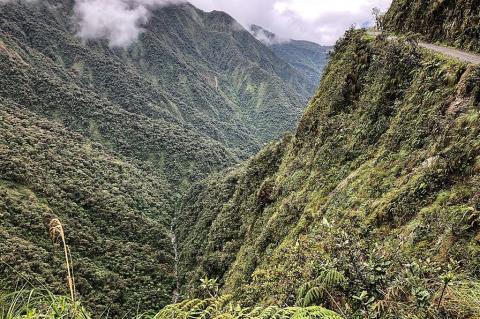
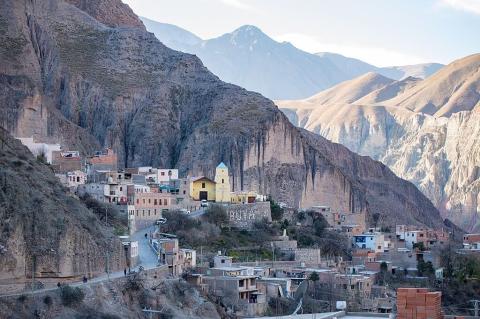
Stretching across the spine of South America, the Qhapaq Ñan represents one of humanity's most ambitious engineering achievements. This network of pathways once carried the footsteps of llamas laden with precious cargo, alpacas bearing the finest textiles, and chasqui messengers racing between distant provinces of the vast Inca Empire. More than mere roads, these ancient highways served as the nervous system of Tawantinsuyu, the "Land of the Four Quarters," binding together a realm that spanned from the emerald depths of the Amazon to the windswept altiplano.

The Río de la Plata: A Confluence of Majesty

Carving a vast and imposing presence along the southeastern coastline of South America, the Río de la Plata stands as a monumental estuary and drainage basin, a tapering intrusion of the Atlantic Ocean stretching its embrace between Uruguay and Argentina. This immense waterway, often regarded as a gulf, a marginal sea, or even the widest river in the world, is a testament to the continent's awe-inspiring natural grandeur.

The Río Negro: Lifeblood of Argentine Patagonia

Flowing through the vast expanse of Argentine Patagonia, the Río Negro is one of the most significant rivers in South America. Renowned for its striking natural beauty, ecological importance, and cultural heritage, the river carves its way through diverse landscapes and serves as a crucial lifeline for the region. By examining its geographical origins, ecological dynamics, cultural significance, and modern challenges, the Río Negro emerges as a symbol of resilience and interconnectedness.

The Sierras Pampeanas: Unveiling Argentina's Diverse Landscape and Heritage

Stretching across northwestern Argentina, the Sierras Pampeanas, also known as the Central Sierras, present a mesmerizing tapestry of geographical features, flora, and fauna. This expansive mountain range rises abruptly from the surrounding Pampas region, extending parallel to the towering Andes Mountains. Encompassing seven Argentine provinces, the Sierras Pampeanas region is characterized by its rugged terrain, diverse ecosystems, and rich biodiversity.

The Southern Cone Mesopotamian Savanna: Argentina's Flooded Biodiversity Haven

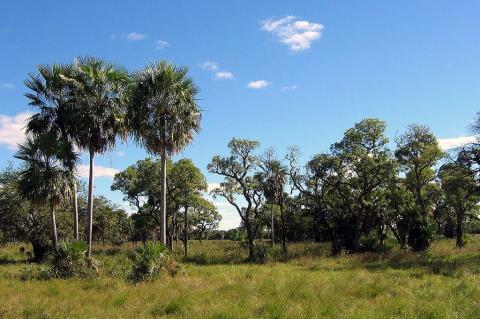
The Southern Cone Mesopotamian savanna, also known as the Argentine Mesopotamian grasslands, is an ecosystem in northeastern Argentina. It combines woodland and grassland, with trees widely spaced apart, allowing for a continuous layer of herbs. Despite its ecological significance, the Southern Cone Mesopotamian savanna is one of the least protected ecoregions in Argentina.