Argentina

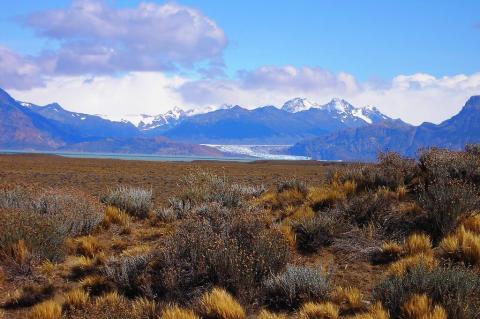
The Southern Patagonian Ice Field: A Colossal Glacier of the Andes

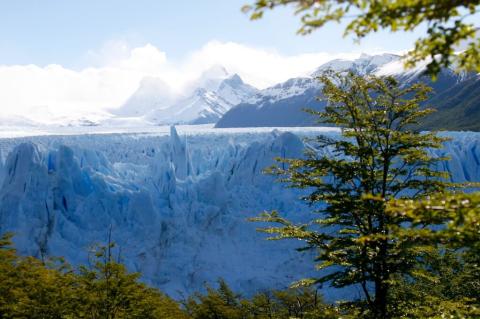
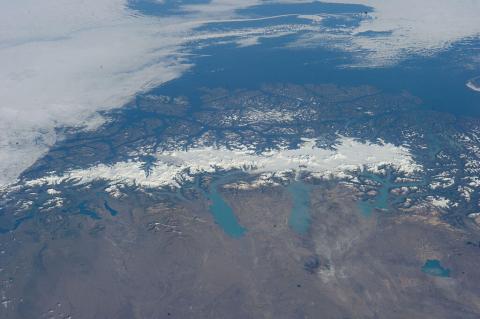
The Southern Patagonian Ice Field is a breathtaking and monumental testament to the power of glacial forces, stretching along the southern Andes Mountains between Chile and Argentina. As the world's third-largest expanse of continental ice, after the Antarctic and Greenland ice sheets, it represents the grander of the two surviving remnants of the vast Patagonian Ice Sheet. Its immense scale, dramatic outlet glaciers, and profound ecological significance make it a jewel of the Patagonian wilderness.

The Uruguay River: A Vital Waterway of South America

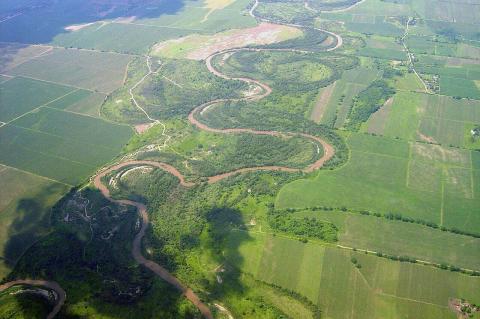
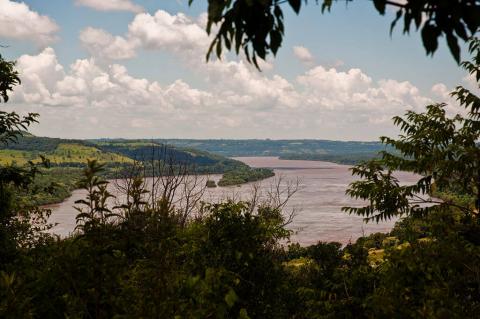
The Uruguay River is a significant fluvial system in South America. It stretches from its headwaters in Brazil's coastal range to its confluence with the Río de la Plata. As a natural boundary between Brazil, Uruguay, and Argentina, the river plays a crucial role in the region's geography, economy, and ecology. An exploration of the Uruguay River reveals its origins, course through diverse landscapes, ecological significance, and role in regional development.

The Winding Waterways of Tierra del Fuego: Exploring the Strait of Magellan and Beagle Channel

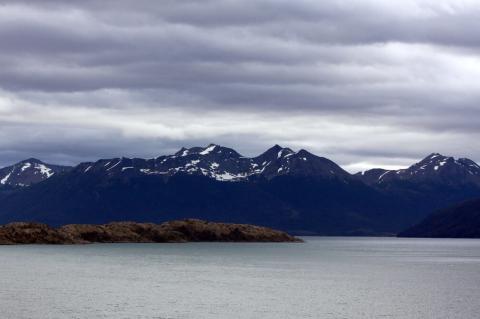
At the southernmost tip of South America, where the continent dissolves into a labyrinth of islands and channels, two remarkable waterways have shaped the course of maritime history, scientific discovery, and human exploration. The Strait of Magellan and the Beagle Channel, carved by millennia of geological forces and sculpted by the relentless Southern Ocean, represent far more than mere passages between oceans—they are corridors of human ambition, natural wonder, and enduring mystery.

Tierra del Fuego National Park: Argentina's Southernmost Natural Wonder

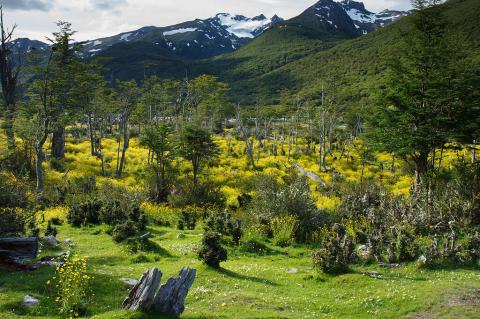
At the southernmost reaches of Argentine Patagonia, where the rugged landscapes of Tierra del Fuego converge with the pristine waters of the Beagle Channel, lies a natural paradise that has captured the hearts and imaginations of adventurers and nature enthusiasts alike. Tierra del Fuego National Park, Argentina's first shoreline national park, is a realm of breathtaking scenery, diverse ecosystems, and abundant wildlife with few equals on the planet.

Tierra del Fuego: The Last Frontier at the End of the World

At the southernmost tip of South America, where the continent fragments into islands across turbulent seas, lies one of Earth's most enigmatic regions. Tierra del Fuego—the "Land of Fire"—testifies to the planet's savage beauty and complexity. This archipelago, shaped by geological forces and millennia of ice and wind, embodies humanity's fascination with the edges of the known world, where civilization yields to wilderness and the elements conspire against habitation.

Unveiling the Wonders of Lihué Calel National Park

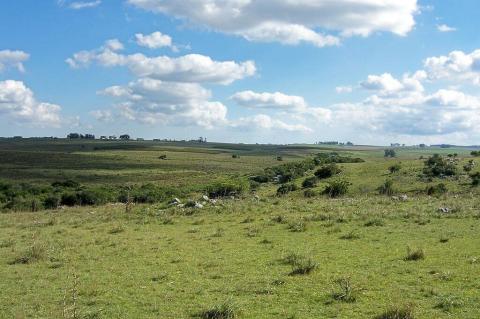
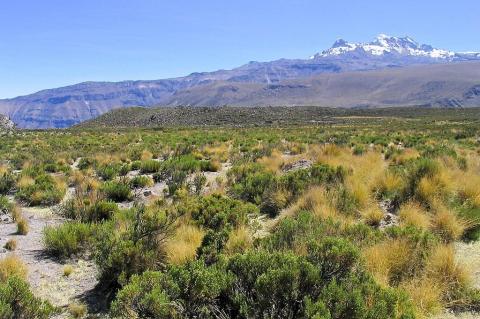
Lihué Calel National Park is nestled in the heart of La Pampa Province, Argentina. It is a stunning natural oasis amidst the vast Pampas plains. This protected area boasts breathtaking landscapes, rich biodiversity, and a deep-rooted cultural heritage. From the rugged peaks of the Sierra de Lihué Calel mountain range to the picturesque canyons, plateaus, and grass-clumped plains, this national park invites visitors to embark on a journey of discovery through a realm of natural wonders.

Ushuaia and Tierra del Fuego: Exploring the Southernmost Reaches

At the very edge of the South American continent, where the vast expanse of the Atlantic and Pacific Oceans converge, lies a region steeped in history, adventure, and breathtaking natural beauty – Tierra del Fuego and its capital, Ushuaia. This southernmost province of Argentina, aptly named the "Land of Fire," is a land of contrasts, where rugged mountains meet pristine waterways, and ancient cultures coexist with modern-day marvels.

Yabotí Biosphere Reserve: A Haven of Biodiversity and Cultural Heritage

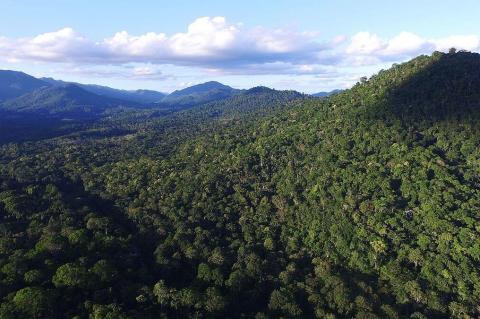
The Yabotí Biosphere Reserve in northeastern Misiones, Argentina, is known for its rich biodiversity and cultural heritage. It is part of the Misiones Rainforest Corridor in the Amazon Rainforest region and supports a wide variety of plant and animal life. The reserve also sustains the traditional villages of the Guaraní peoples, showcasing a harmonious blend of natural and cultural conservation.