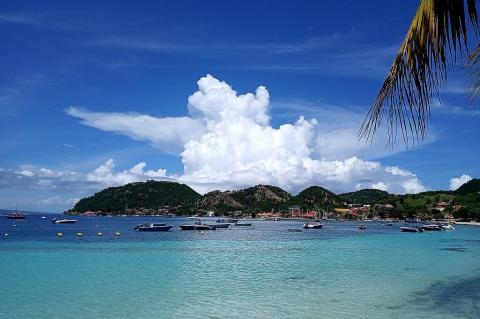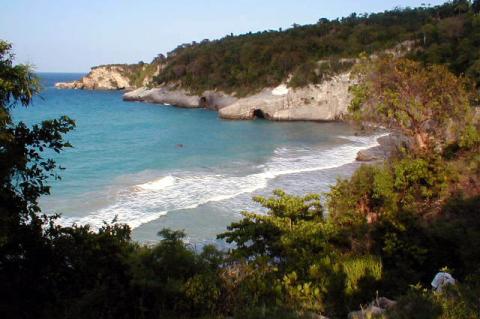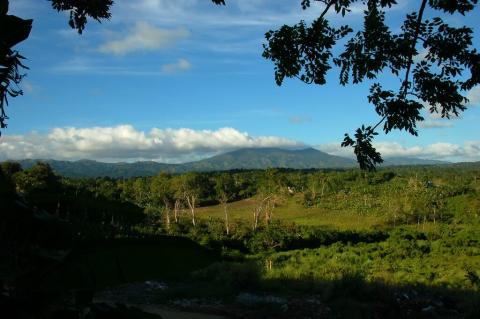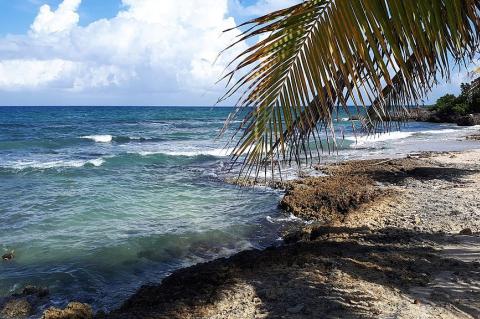
Caribbean

Grand Etang National Park and Forest Reserve: Grenada's Natural Sanctuary

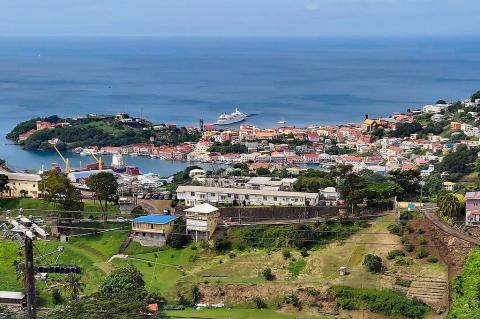
The Grand Etang National Park and Forest Reserve is Grenada's oldest and largest protected area. It's a testament to the island's rich biodiversity and natural beauty. The reserve covers a significant portion of central Grenada, providing a sanctuary for diverse wildlife and plant species. The park's varied elevations and terrain create a mosaic of ecological subsystems. The rainforest around Grand Etang Lake, the focal point of the reserve, is particularly rich in biodiversity.
Grande Colline National Park: A Sanctuary of Biodiversity in Haiti

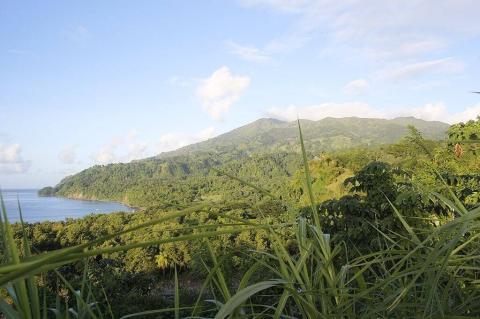
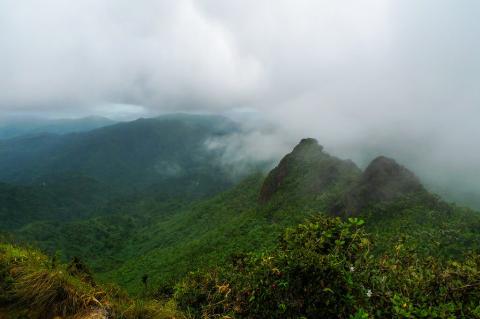
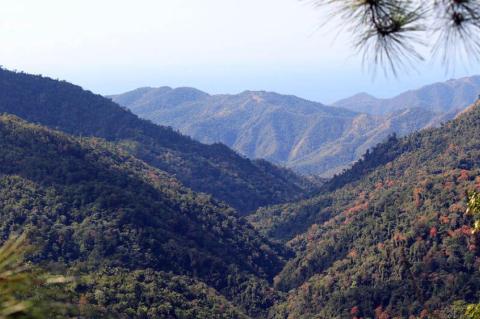
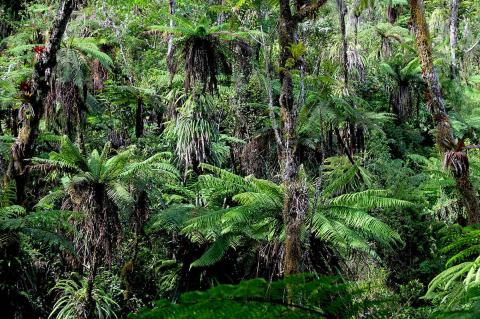
Grande Colline National Park encompasses the rugged and biologically rich Grande Colline mountain range in southwestern Haiti. The park forms part of the Massif de la Hotte, a region celebrated for its extraordinary biodiversity and significant ecological value. The park represents one of the last refuges of Haiti's dense cloud forest, harboring numerous endemic species and serving as a critical area for conservation efforts.

Guanahacabibes: Cuba's Pristine Coastal Wilderness

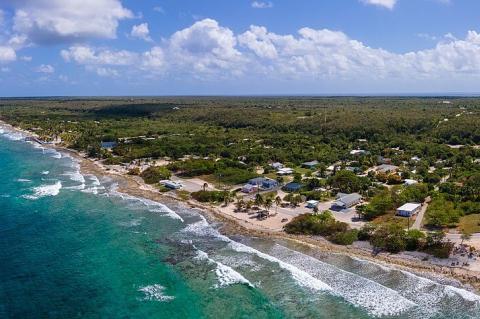
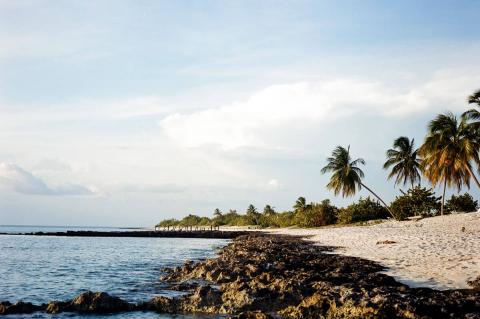
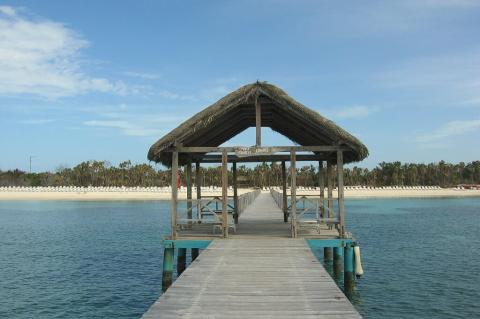
Nestled in the westernmost corner of Cuba, the Guanahacabibes Peninsula is a remarkable natural treasure. It is the country's westernmost point and offers a glimpse into its rich biodiversity and unique cultural heritage. This remote and sparsely populated region is home to a National Park and a UNESCO Biosphere Reserve, making it a prime destination for nature enthusiasts and conservation-minded travelers.

Guánica Biosphere Reserve: Preserving Puerto Rico's Ecological Legacy

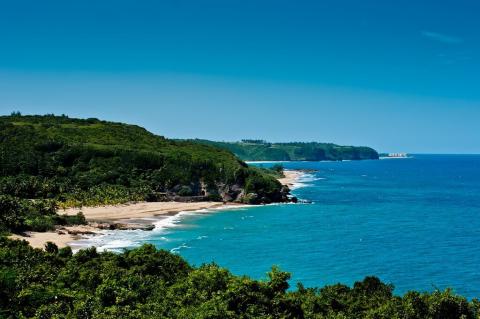
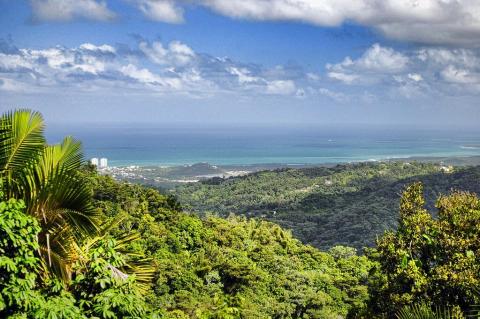
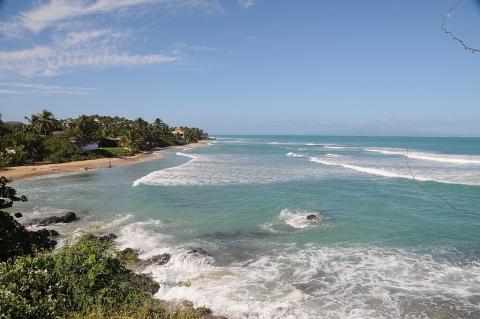
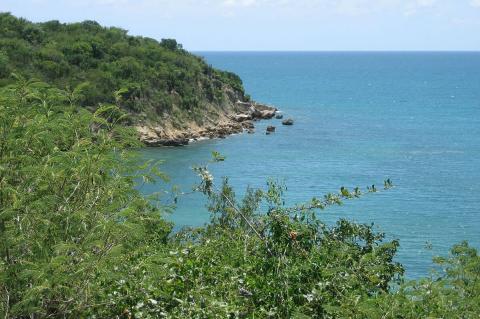
Located in the southwestern region of Puerto Rico, the Guánica Biosphere Reserve is a vital ecological treasure, encompassing coastal areas, mangrove cays, and subtropical dry forests. It is recognized for its remarkable biodiversity and unique ecosystems and represents one of the Caribbean's most well-preserved subtropical dry forests. The reserve's diverse habitats and rich flora and fauna make it a critical conservation and scientific research area.

Haiti's Tortuga: A Rich Tapestry of Piracy and Culture

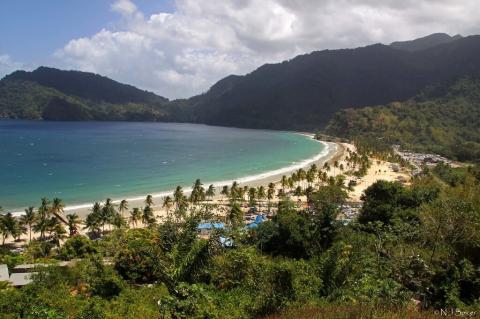
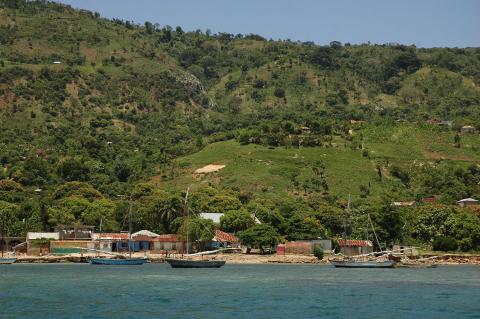
Tortuga, an island off Haiti's northwest coast, is celebrated for its dramatic landscapes, pristine beaches, and rich historical tapestry. Renowned for its past as a pirate haven, Tortuga's natural allure and cultural depth make it a standout destination in the Caribbean. The island's diverse ecosystems, vibrant marine life, and a blend of African, European, and Indigenous influences offer a captivating mix of history, nature, and culture.

Havana, Cuba: A City Steeped in Legacy and Life

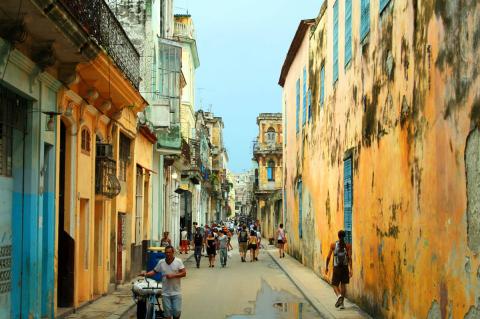
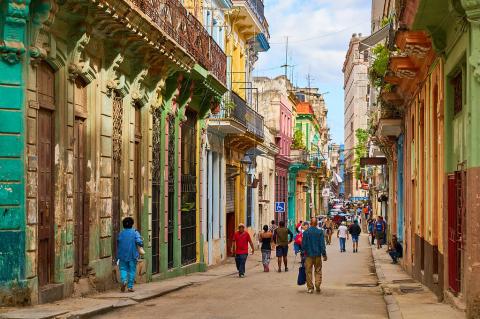
Havana, Cuba's capital, is a city where the echoes of colonial history meet the rhythms of contemporary life. Havana was founded in 1519 and has grown into one of the most captivating urban centers in the Caribbean. Its rich architectural heritage, lively arts scene, and coastal beauty offer a unique glimpse into Cuba's soul. The city's layout, blending historical districts with modern expansions, reflects its evolution as a cultural, political, and economic hub.

Historic Camagüey: The Labyrinthine Jewel of Cuba

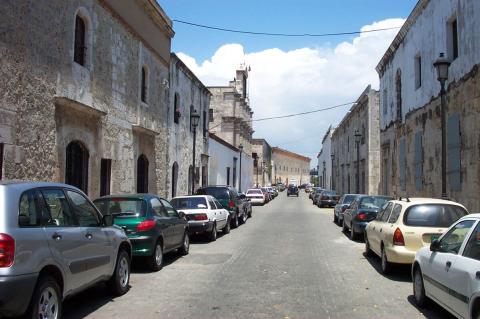
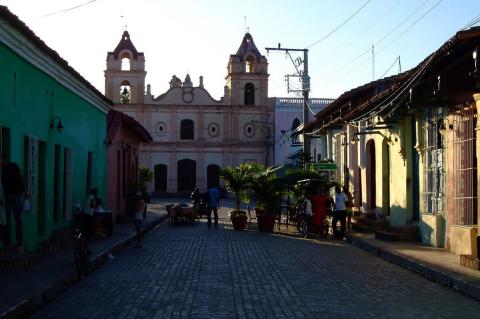
Camagüey, one of Cuba's oldest cities, holds a special place in the island's history and culture. Established in 1514 as Santa María del Puerto del Príncipe, the city was later relocated inland to its present location in 1528 to avoid pirate attacks. Today, Camagüey's historic center is a testament to its rich history, showcasing a unique and labyrinthine urban layout that distinguishes it from other colonial cities in Cuba.

Indigenous Caribbean: The Forgotten Peoples and Their Lasting Impact

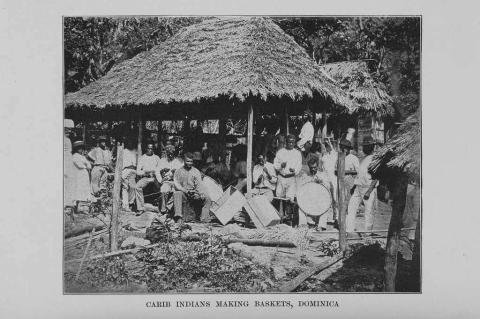
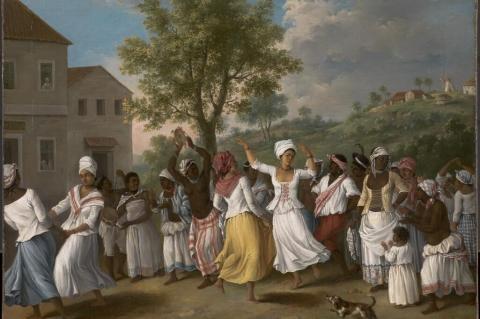
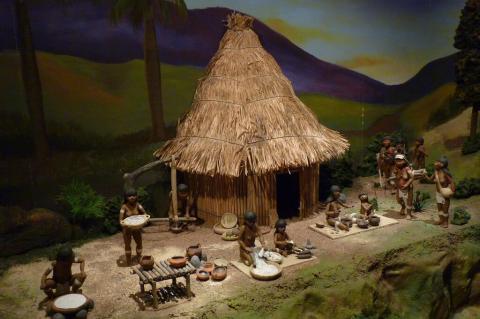
Before European contact, the Caribbean housed diverse Indigenous societies with unique cultures suited to their environments. While the Taíno are the best-known group, others like the Kalinago, Ciboney, Guanahatabey, Guanahacabibe, Garifuna, and Lucayan significantly influenced Caribbean history. These groups occupied various islands, engaged in trade and conflict, and developed distinct economic, social, and spiritual practices. Their legacies endure in the cultures and traditions of the modern Caribbean.

Isla de la Juventud: Cuba's Forgotten Island of History and Beauty

Lying in the Caribbean Sea, southwest of mainland Cuba, Isla de la Juventud (Isle of Youth) is the country's second-largest island and one of its most intriguing destinations. Known for its layered history, tropical landscapes, and a unique blend of isolation and vitality, the island has worn many identities—from pirate hideout to penal colony, agricultural experiment to educational utopia. Less touristy than other Cuban regions, Isla de la Juventud provides an immersive experience of island life, lush nature, and a rich history.

Island Sanctuaries: Vieques and Culebra National Wildlife Refuges

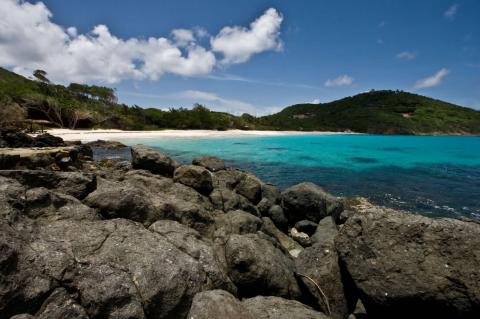
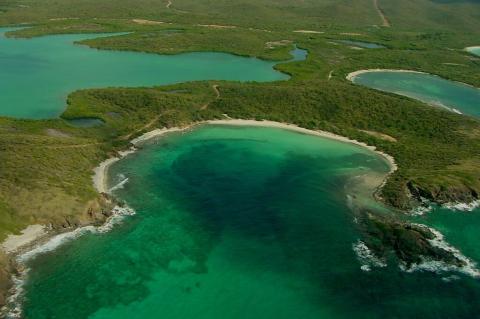
The wildlife refuges of Vieques and Culebra are key conservation success stories on Puerto Rico's eastern islands. The Vieques National Wildlife Refuge, on former U.S. Navy lands, covers over half the island, while the Culebra National Wildlife Refuge protects marine and coastal habitats on 23 cays and parts of Culebra's coast. Together, these refuges safeguard some of the most biodiverse and ecologically intact habitats remaining in the U.S. Caribbean, serving as sanctuaries for endangered species while supporting sustainable tourism and scientific research.