Caribbean

Saint Mary's Biosphere Reserve: A Caribbean Haven of Biodiversity

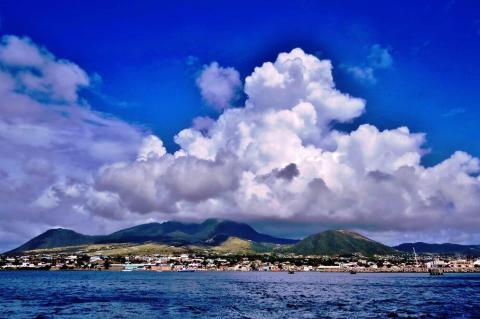
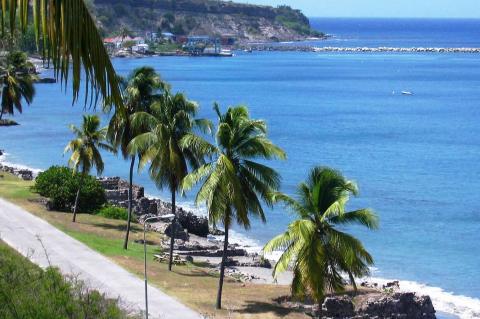
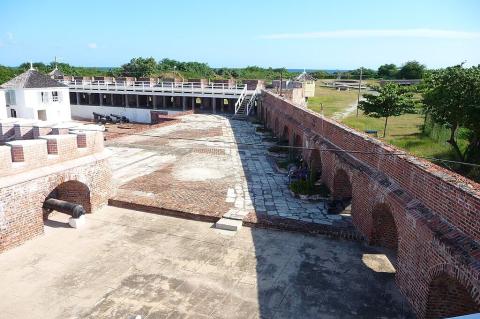
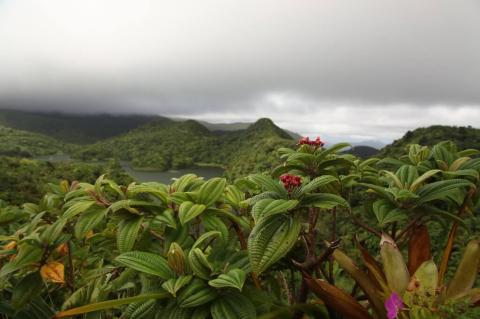
Saint Mary's Biosphere Reserve in Saint Kitts and Nevis is a diverse ecosystem with cloud forests, mangroves, and coral reefs. The Brimstone Hill Fortress National Park is at the center, showcasing the island's resilience and architectural grandeur. The reserve is home to a range of wildlife, maintaining ecological balance. It celebrates life's interconnectedness in this Caribbean paradise.

Saint-Martin National Nature Reserve: Preserving the Jewel of the Caribbean

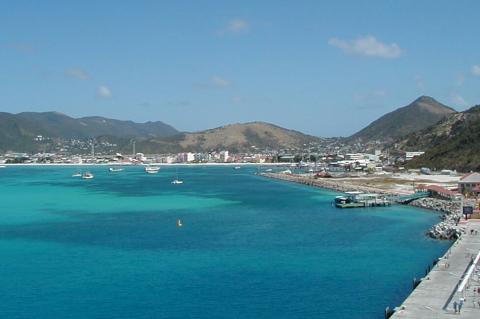
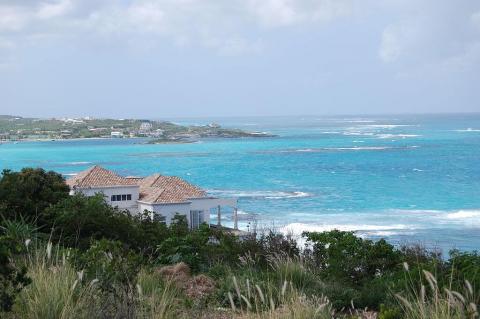
Nestled in the northeastern corner of the French side of the island of Saint Martin, the Saint-Martin National Nature Reserve is a pristine haven for the region's rich biodiversity and a true gem in the heart of the Caribbean. From its rocky coasts and cliffs to its vibrant coral reefs and mangrove forests, the Saint-Martin National Nature Reserve is a testament to the remarkable diversity of life in this tropical paradise.

Sint Eustatius National Marine Park: A Sanctuary of Caribbean Marine Biodiversity

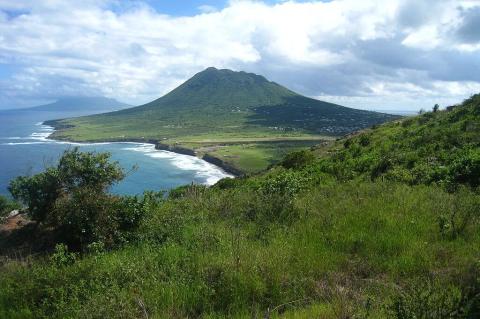
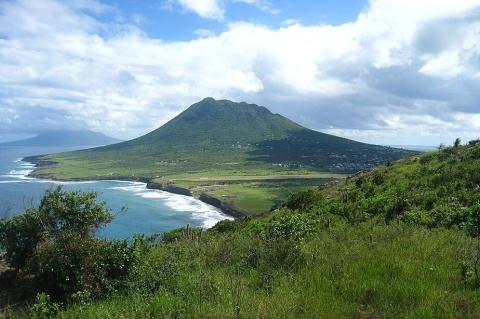
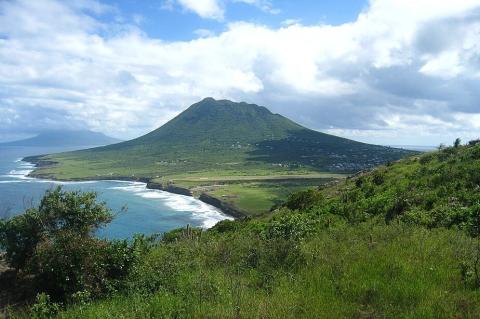
The Sint Eustatius National Marine Park, located in the northern Leeward Islands of the Caribbean Sea, is a vital conservation area that encircles the entire island of Sint Eustatius. The Park plays a crucial role in protecting the island's rich marine biodiversity, safeguarding habitats that range from vibrant coral reefs to sandy seabeds. It is a testament to the region's commitment to marine conservation and sustainable tourism.
Spanish Town: Unveiling the Rich Heritage of Jamaica's First Capital

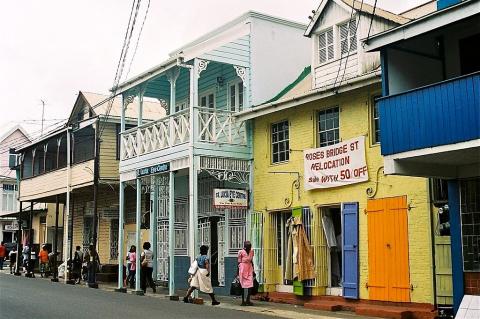
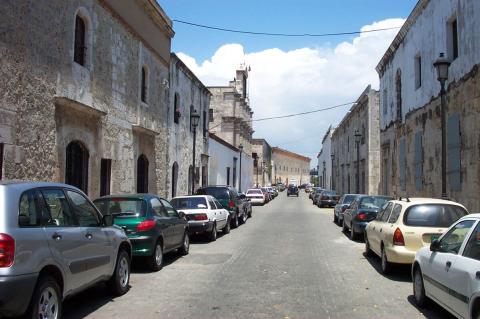
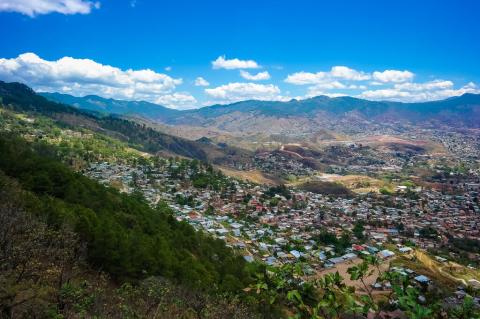
Nestled in the heart of Jamaica's lush St. Catherine Parish, west of the capital, Kingston, lies Spanish Town, a historic gem that bears witness to the island's rich and diverse cultural heritage. Located along the banks of the Cobre River, in the fertile plains of the Liguanea Plain, the Spanish settlers initially chose this captivating town for its proximity to coastal areas, natural resources, and defensible position. Once the capital of Jamaica, Spanish Town is a tapestry of colonial architecture, vibrant traditions, and a legacy that spans centuries.
The Archaeological Ensemble of 17th Century Port Royal: Jamaica's Sunken Colonial Capital

At Kingston Harbour in southeastern Jamaica lies the remains of Port Royal, once the most important English port in the Caribbean and the fourth largest city in the Americas. This colonial city, thriving in the late 17th century as a trade, naval, and piracy hub, was devastated in 1692 when an earthquake submerged two-thirds of its territory. The site, inscribed by UNESCO, offers rare insights into colonial urban life, maritime trade, and social dynamics, embodying a global archaeological treasure and a reminder of the power of natural disasters to reshape civilization.

The Baths of Virgin Gorda: A Geological Marvel in the British Virgin Islands

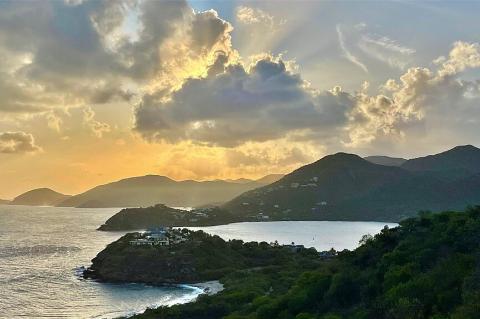
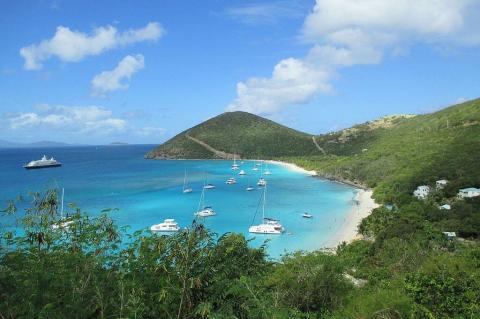
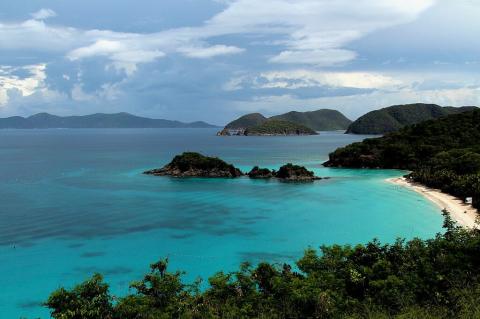
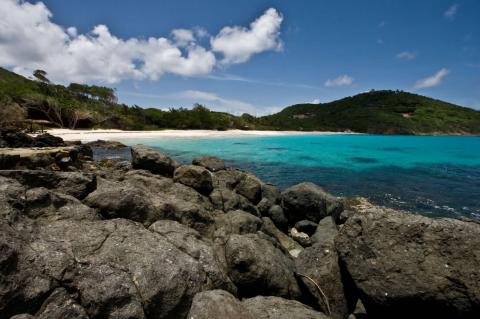
Nestled amidst the scenic island of Virgin Gorda, a gem within the British Virgin Islands, lies a natural wonder that mesmerizes visitors and evokes wonder – The Baths. This geological masterpiece, molded by the relentless forces of nature over millennia, presents an awe-inspiring labyrinth of monumental granite boulders, pristine pools, and hidden caves, inviting exploration and admiration of the raw beauty and power of the natural world.

The Blue and John Crow Mountains: A Natural and Cultural Jewel of Jamaica

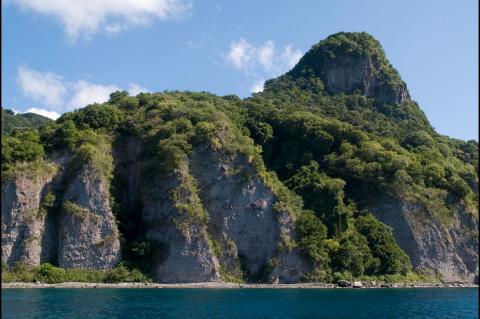
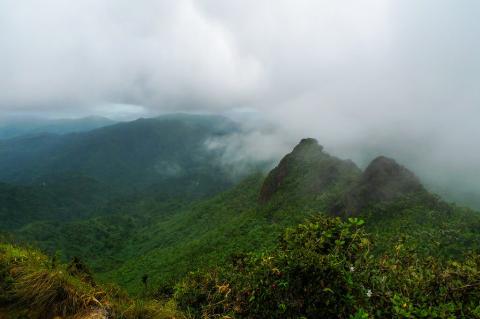
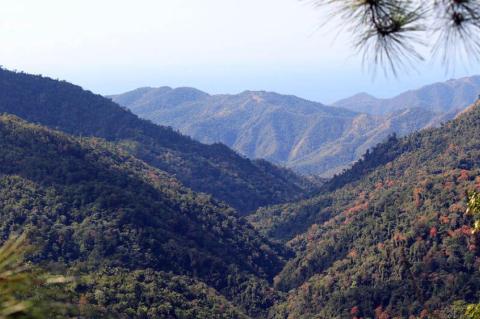
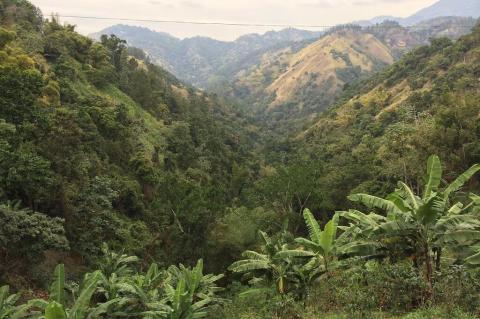
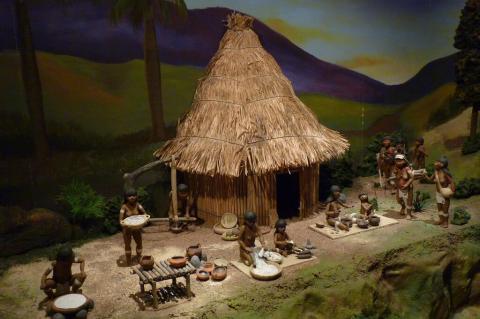
Jamaica's Blue and John Crow Mountains encompass a rich cultural and natural heritage mosaic. They served as a refuge for indigenous peoples and, later, the Maroons. This UNESCO World Heritage Site and National Park boasts exceptional biodiversity, with unique plant and animal species in its montane rainforests. Conservation efforts protect this ecologically significant area, preserving its beauty and cultural legacy for future generations.

The Canarreos Archipelago: Cuba's Hidden Paradise of Islands and Reefs

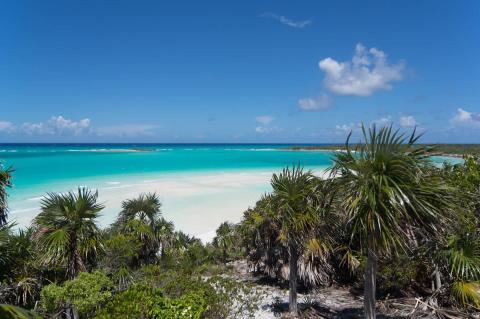
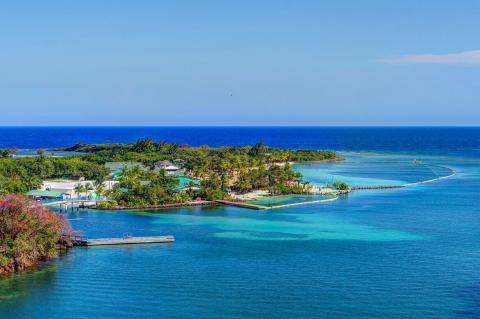
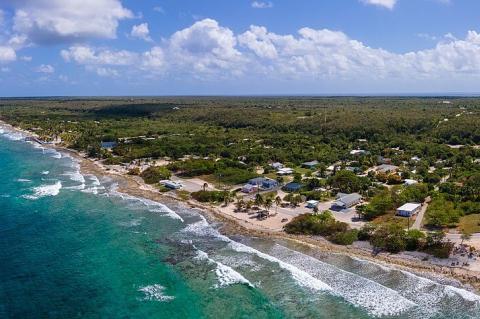
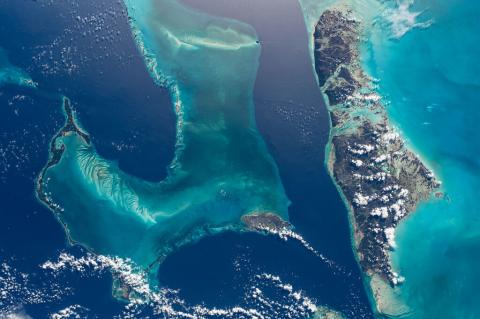
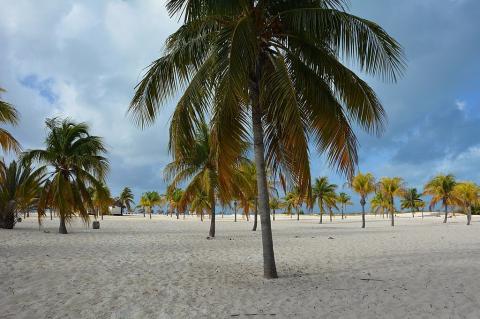
Stretching across the Caribbean Sea to the south of mainland Cuba, the Canarreos Archipelago is a sprawling chain of islands, cays, and islets that stands as one of the country's most ecologically rich and serene regions. Comprising over 350 landforms, the archipelago remains largely undeveloped, making it a haven for marine life, a sanctuary for rare species, and a destination for travelers seeking quiet, pristine beauty.

The Caribbean Plate: A Complex Oceanic Mosaic

The Caribbean Plate forms a unique oceanic tectonic entity covering approximately 3.32 million square kilometers (1.28 million square miles) beneath the Caribbean Sea and portions of Central America. This predominantly oceanic plate represents one of Earth's most tectonically complex regions, where interactions between four major plates create a diverse array of geological processes, from active volcanism to transform faulting and subduction dynamics.