Caribbean

The Leeward Islands Dry Forests: Echoes of Resilience

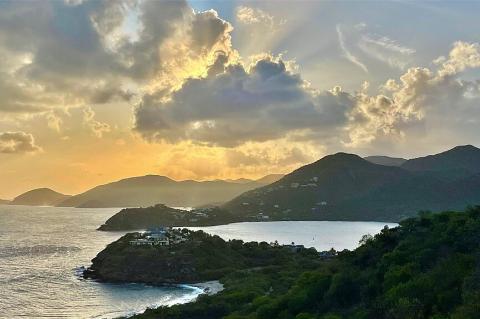
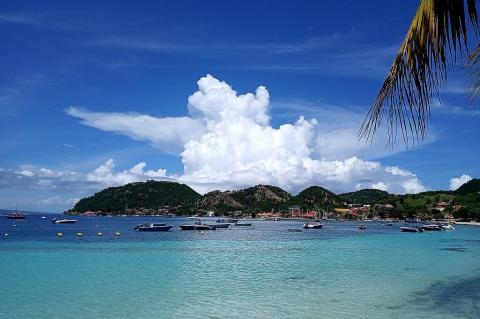
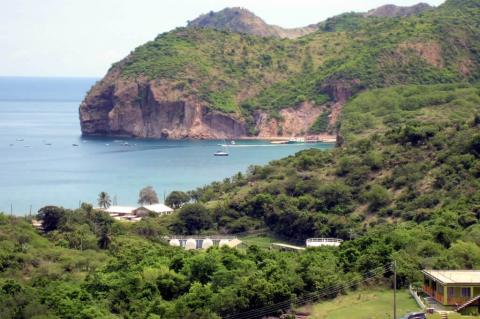
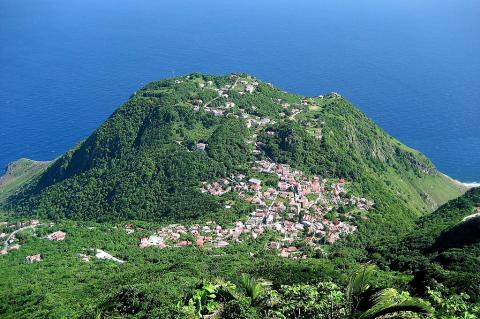
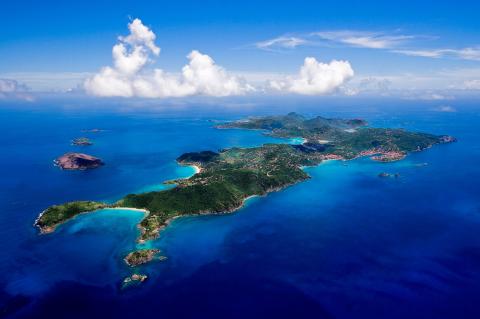
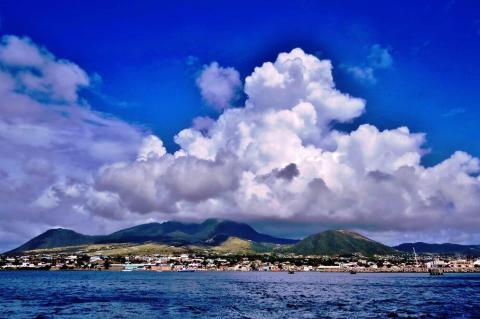
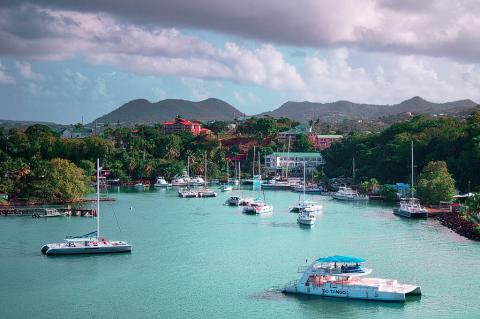
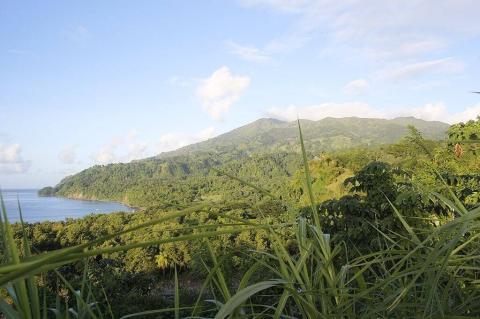
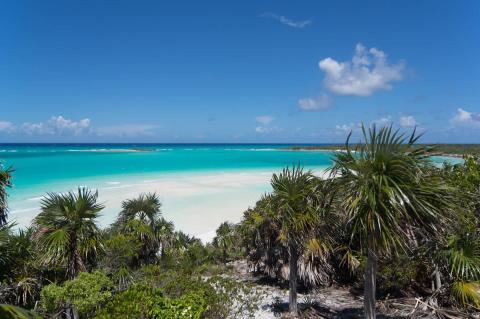
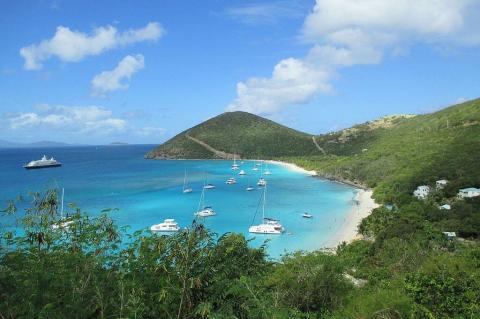
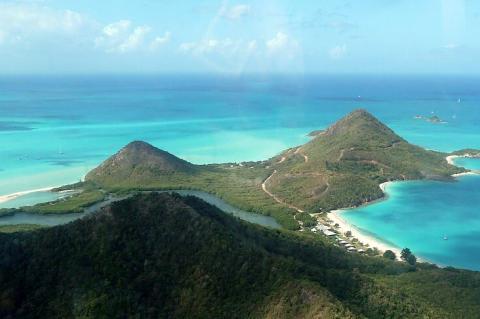
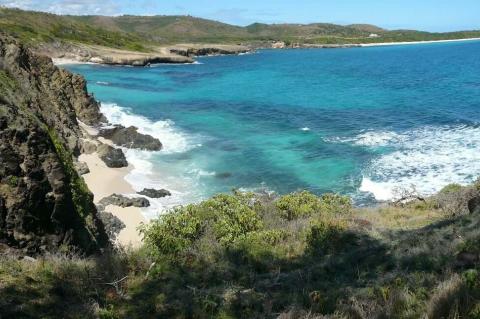
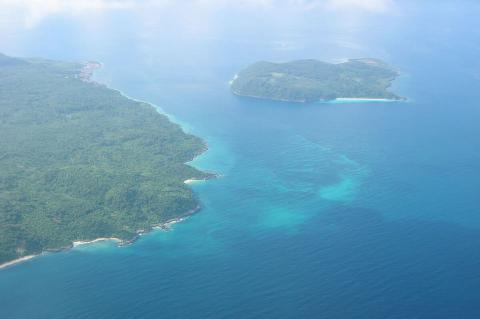
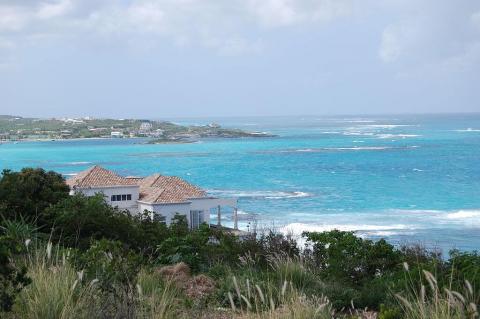
Nestled amidst the azure waters of the eastern Caribbean Sea, the Leeward Islands dry forests ecoregion sprawls across secluded corners of the Leeward Islands. Characterized by gentle relief and moderate rainfall, this ecoregion, though weathered by centuries of deforestation, still retains echoes of its former magnificence, offering glimpses into its enduring beauty.
The Lesser Antillean Dry Forests Ecoregion: A Study in Resilience

The Lesser Antilles, a chain of islands in the Caribbean Sea, is known for its ecological diversity and unique habitats. Among its ecoregions, the Lesser Antillean dry forests stand out as an area of significant ecological importance. These dry forests, shaped by low rainfall and prolonged dry seasons, showcase nature's resilience and adaptability. Understanding this ecoregion's characteristics, biodiversity, and conservation challenges is essential for its preservation.

The Lesser Antilles Volcanic Arc: Unlocking the Mysteries

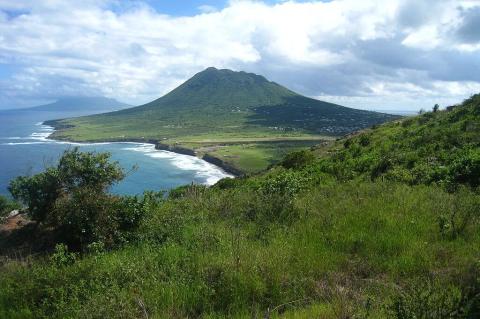
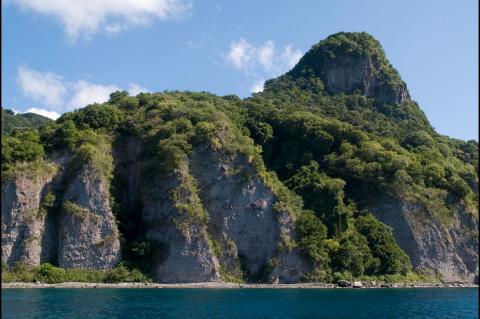
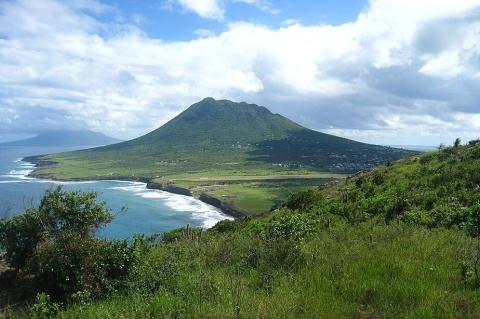
The Lesser Antilles Volcanic Arc is a chain of volcanic islands stretching from the Virgin Islands to Grenada in the eastern Caribbean Sea. It is formed by the subduction of the North American Plate beneath the Caribbean Plate, which creates the volcanoes that make up the islands. This volcanic arc, along with other geological forces, contributes to the shaping of the Caribbean Sea.

The Lifeblood of Eastern Cuba: The Cauto River

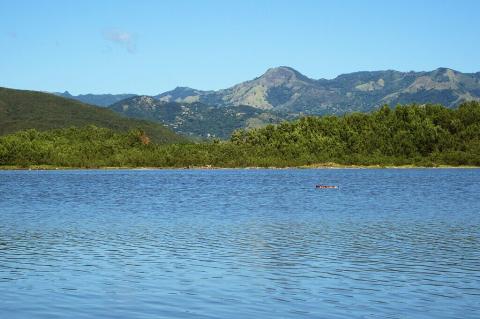
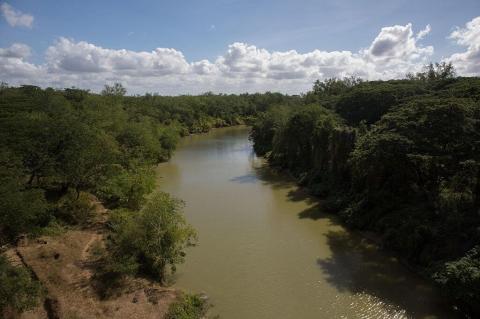
The Cauto River, Cuba's longest and most significant river, winds through the island's eastern region, sustaining ecosystems, agriculture, and communities. As a vital freshwater source, the river plays an essential role in shaping the landscapes and livelihoods of the provinces it traverses. With its diverse ecosystems, economic importance, and cultural significance, the Cauto River is a natural treasure that embodies the interplay between nature and human activity in Cuba.

The Majestic Massif de la Selle: Haiti's Natural Jewel

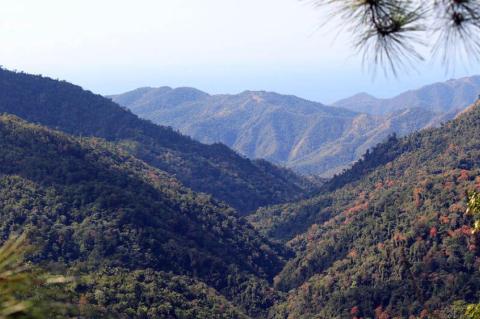
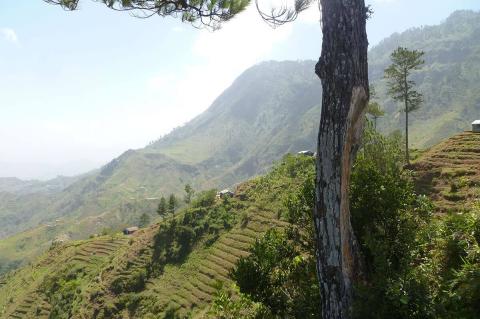
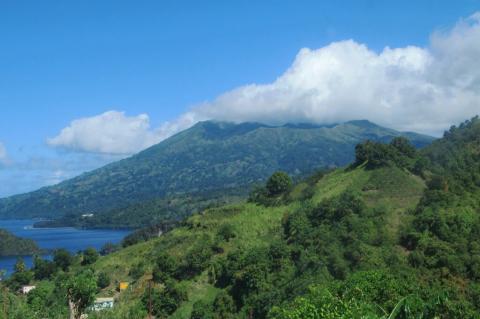
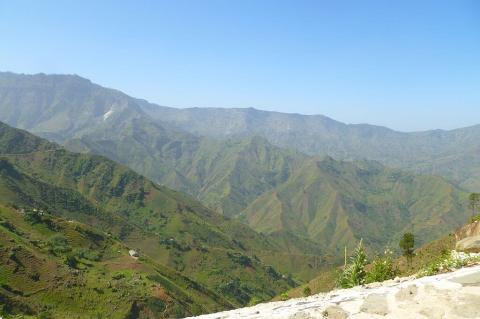
The Massif de la Selle is a prominent mountain range in southwestern Haiti on the island of Hispaniola. This mountainous region, known for its rugged terrain and abundant biodiversity, boasts the highest elevation in Haiti at its pinnacle, Pic la Selle. Its geographic, ecological, and socio-economic significance is profound, making it a critical area for natural preservation and human development.

The Massif de la Hotte and La Hotte Biosphere Reserve: Guardians of Biodiversity

The Massif de la Hotte, situated in southwestern Haiti on the Tiburon Peninsula, represents one of Hispaniola's most ecologically and historically significant regions. It is renowned for its rugged terrain, unique biodiversity, and critical ecological role. The La Hotte Biosphere Reserve, encompassing terrestrial and marine areas, further highlights the region's importance as a biodiversity hotspot and a center for conservation efforts.

The Massif du Nord: Haiti's Northern Natural Treasure

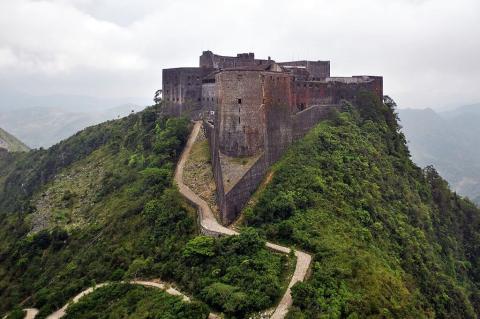
The Massif du Nord, also known as the Northern Massif, is a prominent mountain range in northern Haiti. This significant geographic feature is crucial to the country's topography, ecology, and cultural heritage. As the western extension of the Cordillera Central that traverses the Dominican Republic, the Massif du Nord is a testament to Haiti's rich natural and historical landscape. It includes diverse ecosystems, unique biodiversity, and historical landmarks.

The Mysterious Island of Redonda: A Geological and Ecological Gem in the Caribbean

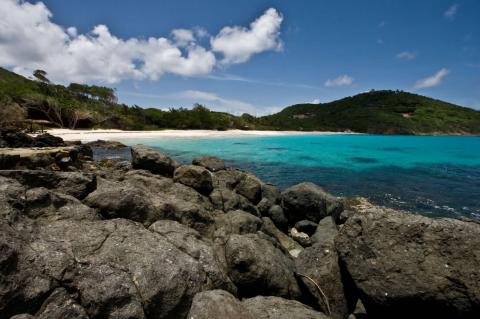
Amidst the shimmering turquoise waters of the Caribbean Sea, the tiny island of Redonda is a unique and captivating geological and ecological wonder. Unlike the lush, tropical islands that dot the area, Redonda is a rugged, volcanic outcrop that rises dramatically from the sea. Belonging to Antigua and Barbuda, this remote, uninhabited island is a testament to the remarkable diversity and resilience of life in the region.

The North American Plate: Continental Giant of the Northern Americas

The North American Plate, Earth's second-largest tectonic plate covering approximately 76 million square kilometers (29.3 million square miles), underlies most of North America, Greenland, the western Atlantic Ocean, and portions of the Caribbean Sea. This massive continental plate illustrates the intricate interactions between continental and oceanic lithosphere, driving a range of diverse geological processes from the Arctic Ocean to Central America.

The Puerto Rico Trench: Unveiling the Depths

The Puerto Rico Trench is an impressive geological feature situated parallel to Puerto Rico's northern coast beneath the Caribbean Sea and the Atlantic Ocean. It is an underwater depression located on the border between the two vast bodies of water and is notable for its depth and complexity. The deepest point in the Atlantic Ocean, the Milwaukee Depth, can be found at the trench's western end.