Chile

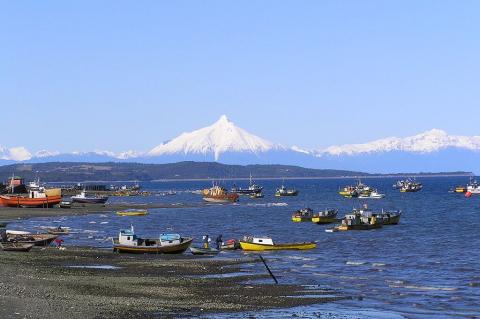
Cerro Tronador: The Silent Giant of the Patagonian Andes

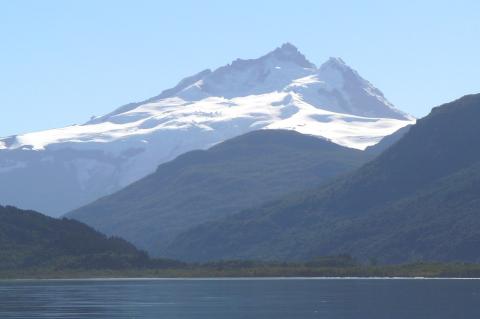
Cerro Tronador, an extinct stratovolcano straddling the border between Argentina and Chile, rises majestically above the surrounding landscape. Its prominence makes Tronador a popular destination for mountaineers and adventurers seeking to explore one of the region's most iconic natural landmarks. Located within two national parks, Nahuel Huapi in Argentina and Vicente Pérez Rosales in Chile, Cerro Tronador is also a vital part of the local ecosystem, featuring eight retreating glaciers and geothermal activity that reflects its volcanic origins.

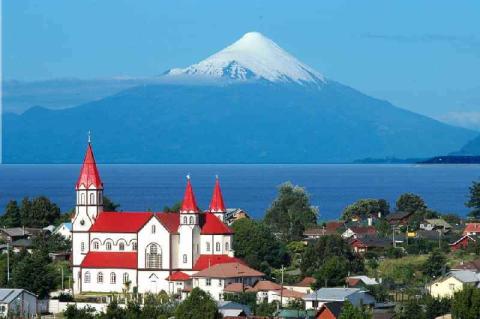
Chile's Lake District: Nature's Paradise and Cultural Gem

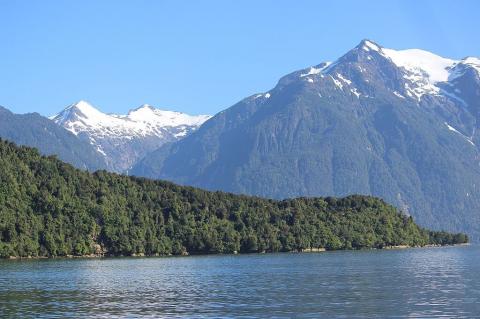
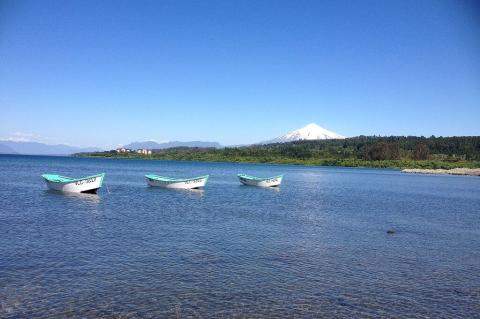
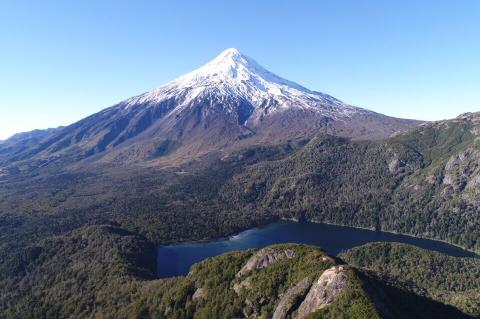
Nestled between the Andes Mountains and the Pacific Ocean, Chile's Lake District is a breathtaking region renowned for its pristine lakes, snow-capped volcanoes, lush forests, and vibrant cultural heritage. This picturesque area in southern Chile stretches from Temuco to Puerto Montt, offering visitors a captivating blend of outdoor adventure, serene landscapes, and cultural immersion. The region's enchanting beauty and rich history make it a treasure trove for those seeking a connection to Chile's natural and cultural identity.

Chile's Maipo Valley: A Journey Through the Heart of Chilean Wine Culture

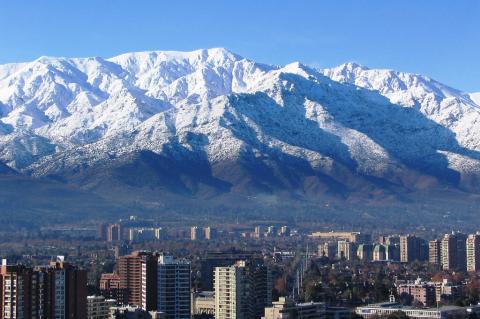
Nestled amidst the dramatic landscapes of Chile, the Maipo Valley stands as a beacon of viticultural excellence, earning its place as one of South America's most esteemed wine-producing regions. Revered as the "Bordeaux of South America," this historic valley traces its winemaking roots back to the very birth of Chile's wine industry, serving as the cradle of viticulture in the country.

Chiloé Island and Archipelago: A Mystical Realm of Nature and Culture in Southern Chile

Nestled in the pristine waters of southern Chile, the Chiloé Archipelago stands as a mystical realm where nature's grandeur intertwines seamlessly with a rich tapestry of cultural enchantment. This breathtaking collection of more than forty islands, separated from the mainland by the narrow Chacao Channel to the north and the vast Sea of Chiloé to the east, beckons travelers to discover a world where ancient traditions, distinctive architecture, and culinary excellence coexist with extraordinary biodiversity.

Chiloé National Park: Biodiversity and Beauty on Chiloé Island

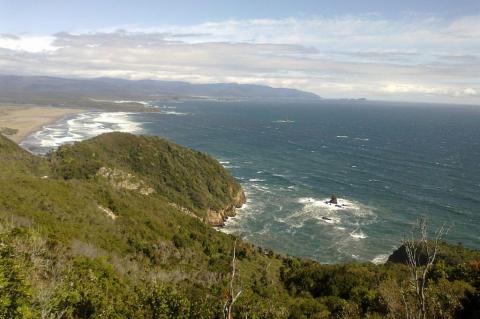
Chiloé National Park, located on the western coast of Chiloé Island in the Los Lagos Region of southern Chile, is a sanctuary of remarkable biodiversity and natural beauty. The park showcases diverse ecosystems, from temperate rainforests and swamps to rugged coastlines and sandy dunes. Exploring the park's geography, climate, flora, fauna, and recreational opportunities reveals the significance of one of Chile's most enchanting natural reserves.

Concepción: The Cultural and Economic Heart of Southern Chile

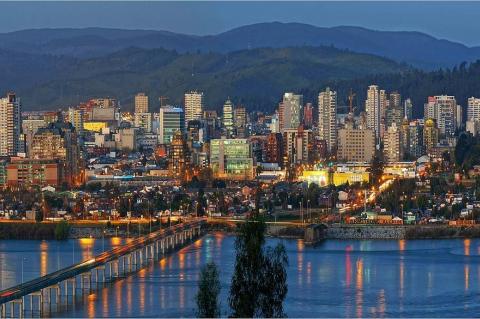
Nestled between the Pacific Ocean and the verdant landscapes of central Chile, Concepción stands as a city where history, culture, and innovation converge. Known for its pivotal role in Chile's independence, robust industrial base, and vibrant arts scene, it has earned nicknames like the "Gateway to Southern Chile" and the "Cradle of Chilean Rock." Situated along the Biobío River, the city embodies a unique blend of tradition and modernity, making it an essential piece of Chile's identity.

Conguillío National Park and Araucarias Biosphere Reserve: A Volcanic Wonderland of Araucaria Forests

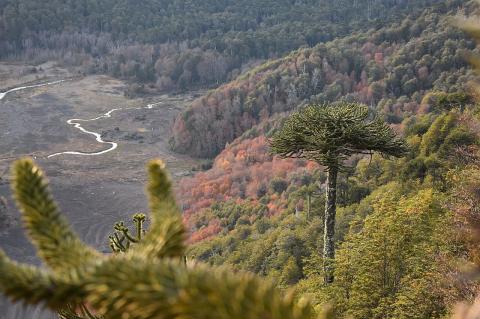
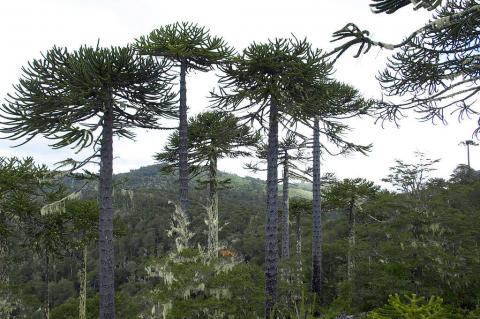
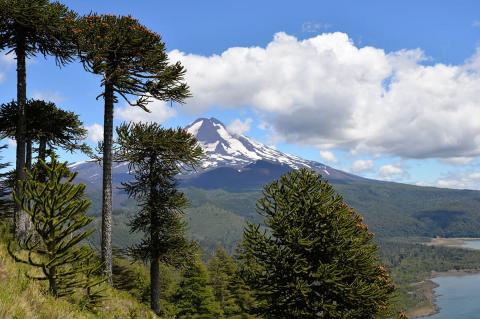
Deep in the heart of Chile's La Araucanía Region, where the majestic Andes meet the temperate rainforests of the south, lies a natural treasure trove that has captured the imagination of explorers and scientists alike. The Conguillío National Park and the Araucarias Biosphere Reserve form a breathtaking landscape of volcanic grandeur, ancient forests, and a rich tapestry of biodiversity that is truly unique to this corner of the world.

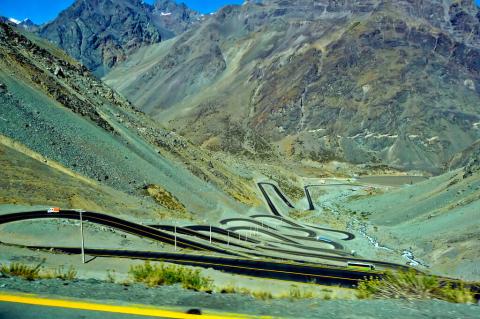
Connecting Nations: The Trans-Andean Highway and its Vital Passes

The Trans-Andean Highway is a critical network of roads and mountain passes that traverse the Andes Mountains, facilitating transportation and trade between Argentina and Chile. This extensive system of routes plays an essential role in the economic and cultural ties between these two South American nations, offering a mix of challenging terrains and stunning landscapes. Each pass within the network has unique characteristics that contribute to its importance for cross-border trade, tourism, and transportation.

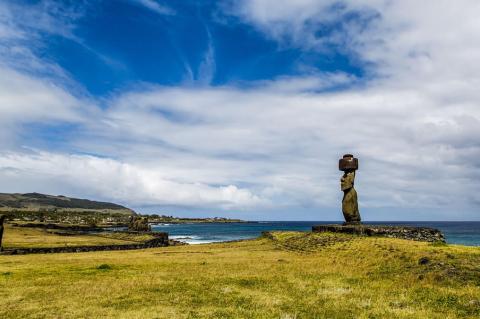
Easter Island: Unveiling the Mysteries of Rapa Nui

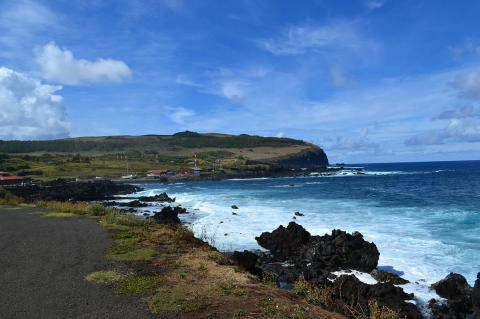
Easter Island, known locally as Rapa Nui, is remote and enigmatic in the southeastern Pacific Ocean. This Chilean territory, famous for its colossal stone statues called moai, offers a fascinating glimpse into Polynesian culture and human ingenuity. The island's rich archaeological heritage and unique ecosystem make it a site of immense cultural and scientific importance, recognized globally through its designation as a UNESCO World Heritage Site.

Echoes of Faith: The Churches of the Altiplano

The high-altitude Altiplano plateau, stretching across northern Chile and Bolivia, is home to a remarkable blend of Indigenous and colonial cultures. During the Spanish colonization, this region became a melting pot of Quechua, Tiahuanaco, Inca, and Aymara influences, resulting in a unique cultural synthesis. The most tangible reflection of this cultural fusion is the numerous chapels and churches built during this period.