Chile

Las Palmas de Cocalán National Park: Guardian of Chile's Ancient Palms

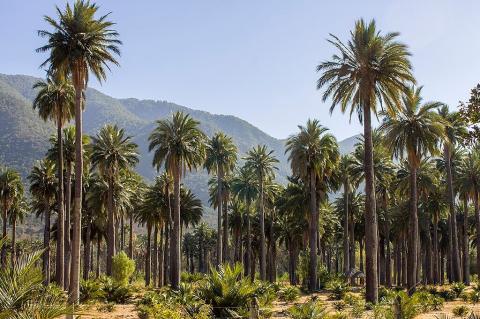
Las Palmas de Cocalán National Park protects one of the world's rarest palm forests. The sanctuary preserves ancient groves of the Chilean palm, one of South America's most endangered endemic trees and the only palm species native to Chile. Located within the Coastal Mountain Range, the park shelters a remarkable concentration of millenary palms. These living giants represent irreplaceable genetic resources and serve as monuments to Chile's prehistoric past, making the park one of only three locations in Chile that protect significant populations of this critically threatened species.

Lauca National Park and Biosphere Reserve: A Symphony of Nature

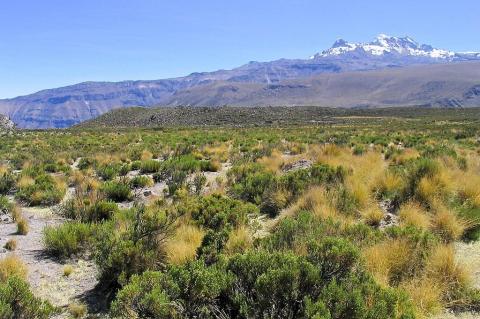
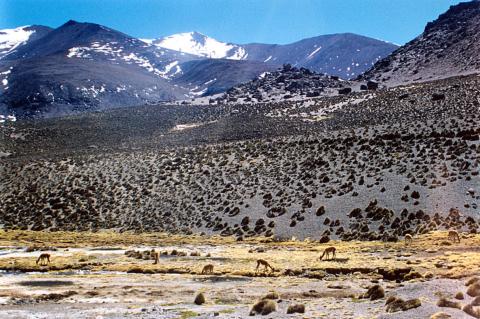
Lauca National Park lies in the northernmost Chilean Andes, in the commune of Putre in the Arica y Parinacota Region, along the border with Bolivia. It covers 137,883 hectares of the Altiplano and the surrounding mountains, and borders Bolivia's Sajama National Park. Together with Las Vicuñas National Reserve and the Salar de Surire Natural Monument, it forms the Lauca Biosphere Reserve. The landscape is part of the Central Andean dry puna.

Licancabur Volcano: A Sacred Andean Colossus

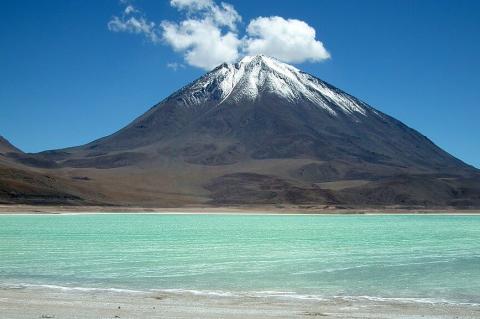
Towering above the arid landscapes of the Atacama Desert, where the borders of Bolivia and Chile converge, stands the majestic Licancabur Volcano. This imposing stratovolcano, with its symmetric cone, is a testament to the geological forces shaping the Andean landscape. Licancabur is a captivating natural wonder and a sacred site revered by the Atacameño people, who have long held it in high esteem. Beyond its cultural significance, this volcanic behemoth offers a unique glimpse into the region's geological history.

Llanos de Challe National Park: A Coastal Desert Ecosystem in Northern Chile

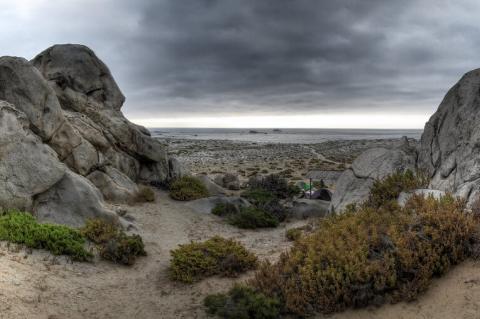
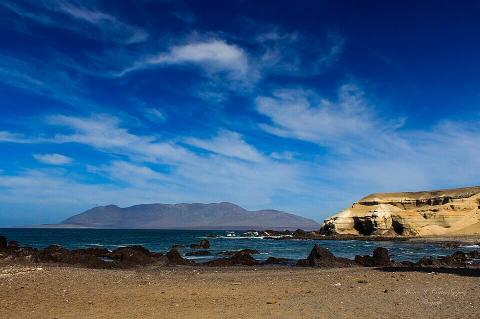
Llanos de Challe National Park, situated along the coast of northern Chile's Atacama Region, is a captivating natural area known for its unique coastal desert ecosystem. The park is characterized by its diverse flora and fauna and striking landscapes shaped by its fog-fed ecosystem. Exploring the park's geographical features, biological diversity, and ecological significance offers a deeper understanding of its role in preserving the natural heritage of the Atacama Desert.

Llullaillaco Volcano and National Park: Chile's High-Altitude Archaeological Sanctuary

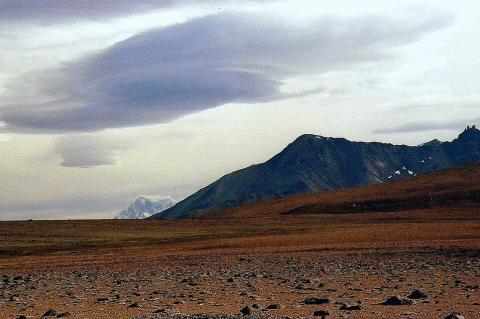
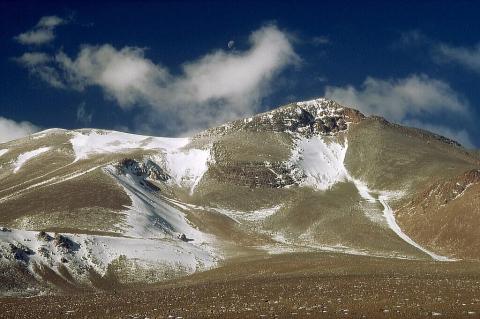
Rising from the remote stretches where Chile meets Argentina, Llullaillaco volcano stands as one of South America's most remarkable monuments to both natural forces and human achievement. This massive stratovolcano holds the distinction of being the world's second-highest active volcano and, remarkably, the site of the world's highest archaeological discovery. Llullaillaco National Park, which spans the eastern slopes, was established to protect this unique ecosystem and its invaluable cultural heritage.

Maipo Valley: Where Chilean Wine Excellence Meets Andean Majesty

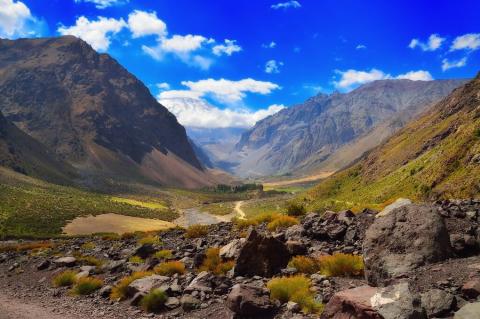
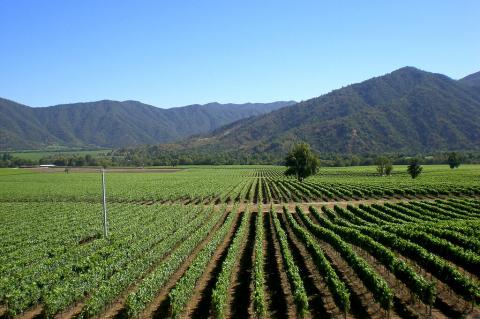
The Maipo Valley stands as Chile's most historic and prestigious wine-producing region. Often called the "Bordeaux of South America," this fertile valley produces some of South America's finest wines. The region represents the birthplace of Chilean wine culture, where Spanish colonists planted the nation's first vines in the 1540s and where 19th-century entrepreneurs established grand estates that transformed Chilean winemaking from rustic Colonial production to world-class viticulture.

Melimoyu National Park: The Untouched Wilderness of Chile

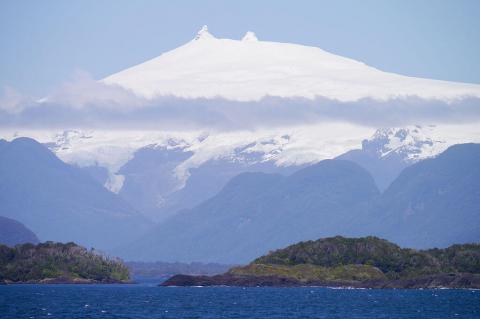
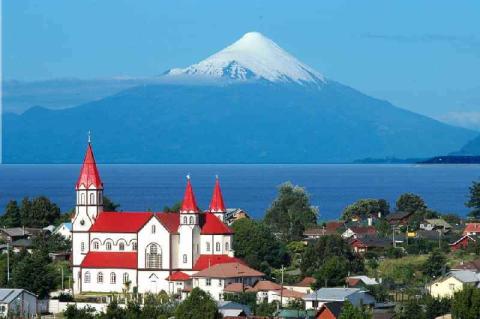
Melimoyu National Park, located in the Aysén Region in southern Chile, is a pristine wilderness offering a unique blend of natural beauty and biodiversity. Dominated by the imposing Melimoyu Volcano, this park is a sanctuary of lush forests, glaciers, fjords, and diverse wildlife. Although it remains largely inaccessible to the public, the park's untouched landscapes and ecological significance make it a notable area for conservation and study.

Monte Verde: Rewriting the Story of America's First People

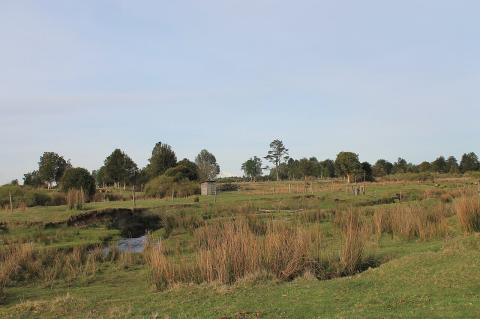
On the banks of Chinchihuapi Creek in southern Chile lies one of the most significant archaeological sites in the Americas. Monte Verde, a Paleolithic settlement preserved beneath a peat bog, fundamentally challenged long-held beliefs about when and how humans first reached the New World. Discovered in 1975, this remarkably well-preserved site revealed evidence of human occupation at the southern tip of South America at least 1,000 years before the previously accepted date for human arrival in the Americas.

Morro Moreno National Park: A Fog Oasis on Chile's Desert Coast

Morro Moreno National Park occupies the southern end of the Mejillones Peninsula, in the Coastal Range of Chile's Antofagasta Region, in the communes of Antofagasta and Mejillones, and covers about 7,300 hectares. The peninsula it sits on is wider than it is long, reaching only about 20 km into the Pacific, and in the driest desert on Earth, the park's massif is where coastal fog, known as camanchaca, sustains an island of life.

Nahuelbuta National Park: Chile's Coastal Monkey Puzzle Refuge

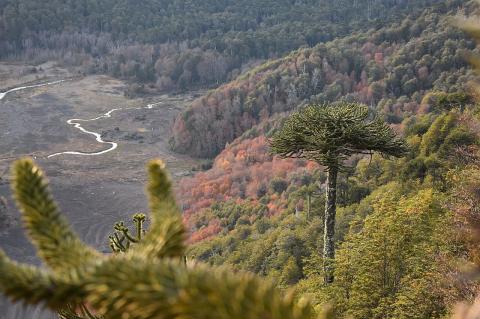
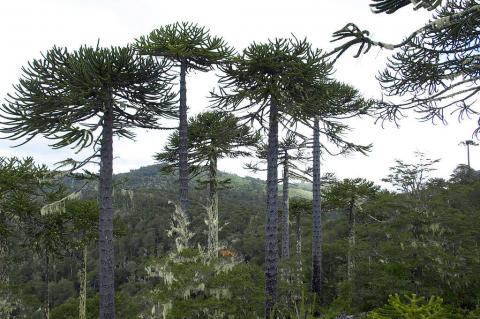
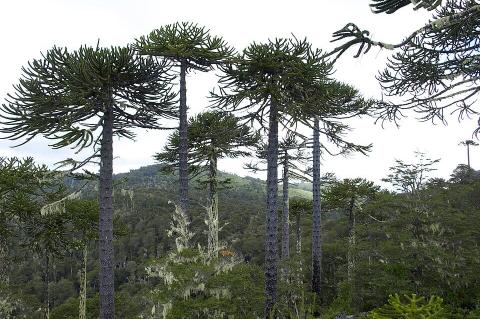
Nahuelbuta National Park lies in the Nahuelbuta Range, part of the Chilean Coastal Range, between the communes of Angol and Purén in the Araucanía Region. The park covers about 6,800 hectares and is accessible by road from Angol and Cañete on the coast. Its forests reach about 1,400 m, and the monkey puzzle tree (Araucaria araucana), a conifer usually associated with the high Andes, survives here in an isolated stand near the Pacific.