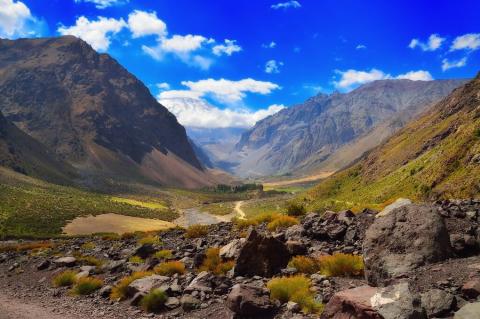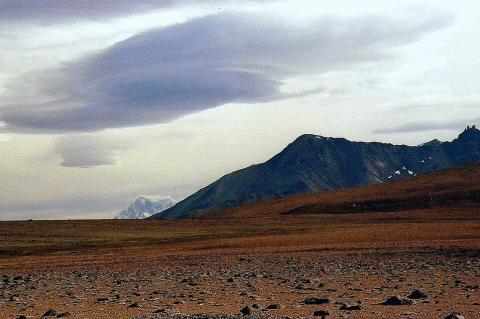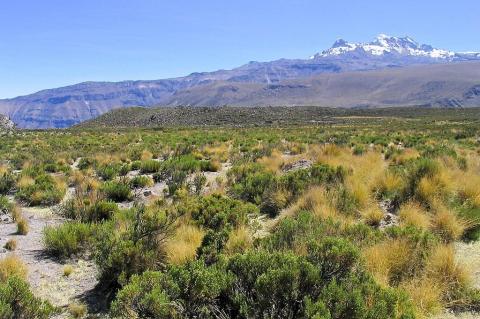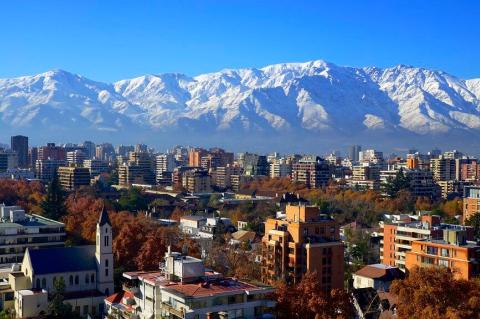
Chile

Pali-Aike National Park: A Volcanic Wonderland in Chilean Patagonia

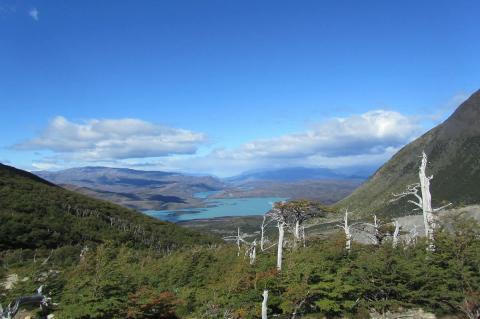
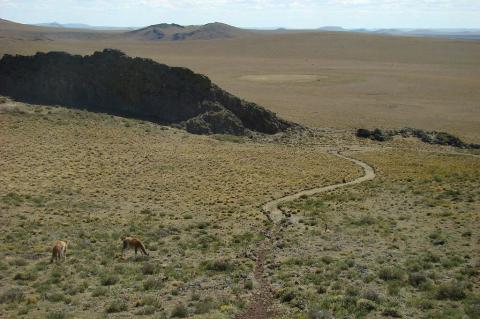
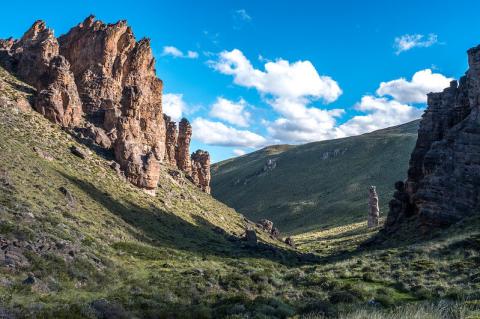
Located in the southern part of Chile, Pali-Aike National Park showcases the country's diverse geology and ancient history. This large park in the Magallanes Region is famous for its distinctive volcanic landscapes, ancient caves, and archaeological findings. From open plains to stunning crater lakes, the park's geological features, cultural importance, and conservation initiatives highlight Pali-Aike National Park as a remarkable part of Chile.

Pan de Azúcar National Park: Chile's Coastal Desert Wilderness

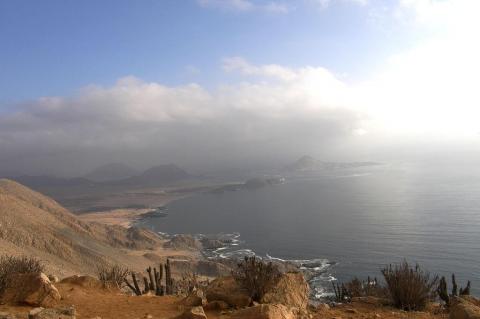
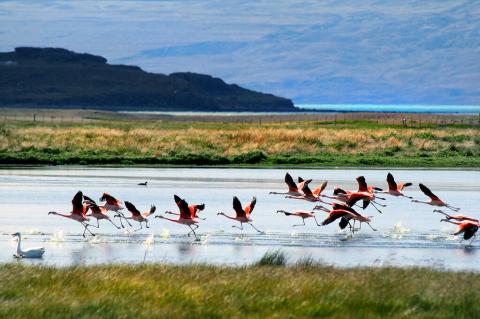
Pan de Azúcar National Park, located along Chile's northern coast, is a breathtaking expanse of coastal desert that offers a unique combination of marine, terrestrial, and desert ecosystems. As one of the most ecologically diverse areas along Chile's northern coast, the park serves as a critical refuge for a variety of species, including the Humboldt penguin, guanaco, and marine mammals. Its stunning geological features and role in preserving delicate ecosystems make it a key destination for nature enthusiasts and conservationists.

Patagonia National Park: The Heart of Chilean Wilderness

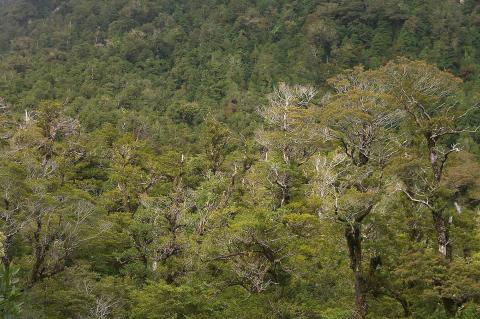
Patagonia National Park, located in the Aysén Region of southern Chile, is a vast and diverse protected area that showcases Patagonia's unique natural beauty and ecological significance. The park, encompassing a range of ecosystems from arid steppe grasslands to dense southern beech forests, serves as a crucial habitat for various flora and fauna. With its origins tied to significant conservation efforts, the park is a testament to its dedication to preserving Chile's natural heritage.

Patagonia: Nature's Last Frontier at the Edge of the World

Argentina and Chile share Patagonia, a vast and enigmatic region at the southern tip of South America. It is renowned for its stunning landscapes, rich biodiversity, and cultural heritage. This expansive region, often referred to as one of the world's last remaining "Edens," captivates with its mix of arid plains, towering mountains, sprawling glaciers, and dense forests. Patagonia's geographical, climatic, economic, and cultural aspects reveal a region of immense natural beauty and significance.

Patagonia's Crown Jewel: Lake Buenos Aires

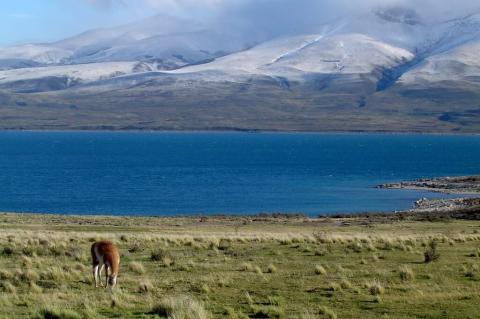
Located in Patagonia, Lake Buenos Aires, known as Lago General Carrera in Chile, is one of South America's largest lakes. It boasts breathtaking scenery and vibrant ecosystems. Formed by glacial activity, the lake is surrounded by towering mountains and lush forests, showcasing unmatched beauty. Its waters vary from turquoise to deep blue, mirroring the pristine Patagonian environment. The lake fosters cooperation and cultural exchange between Argentina and Chile while providing livelihoods for local communities.

Preserving Chile's Natural Heritage: The Bosques Templados Lluviosos Biosphere Reserve

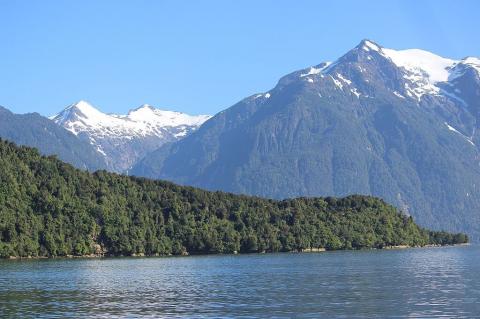
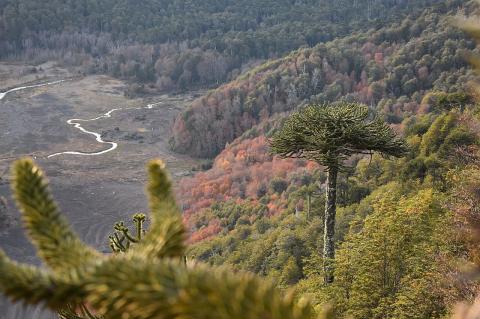
Nestled in the heart of Chile's Los Lagos and Los Ríos regions, the Bosques Templados Lluviosos de Los Andes Australes Biosphere Reserve is a testament to the intricate beauty and ecological importance of the Valdivian temperate rainforest. This expansive protected area includes some of the world's most unique and biologically rich ecosystems. The reserve, featuring volcanic terrains, verdant forests, and a variety of native species, plays a crucial role in conservation and sustainable development.

Puerto Williams: Journey to the End of the World

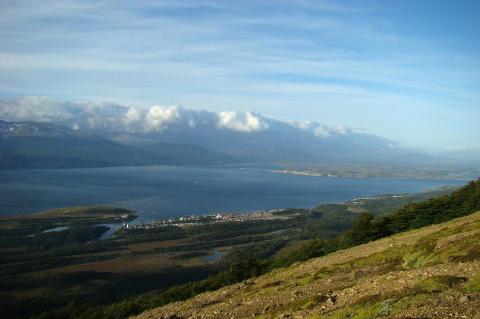
Nestled on the northern shores of the Beagle Channel, Puerto Williams stands as a beacon of exploration at the southernmost tip of the world. Situated on Navarino Island, Tierra del Fuego, in Chile's Magallanes and Chilean Antarctica region, it holds the prestigious title of the world's southernmost city. It serves as the capital of the Commune of Cabo de Hornos. With approximately 2,500 residents, Puerto Williams embodies a unique blend of history, adventure, and natural beauty.

Pumalín Douglas Tompkins National Park: A Legacy of Conservation

Pumalín Douglas Tompkins National Park in Chile's Los Lagos Region is a testament to the country's rich natural heritage and conservation efforts. Spanning northern Patagonia, it features breathtaking landscapes, including volcanoes, forests, waterfalls, and coastlines. Named after American conservationist Douglas Tompkins, the park is a sanctuary for diverse flora and fauna, including ancient Alerce trees.

Puna de Atacama: An Arid Collage of High Plateaus, Peaks, and Indigenous Heritage

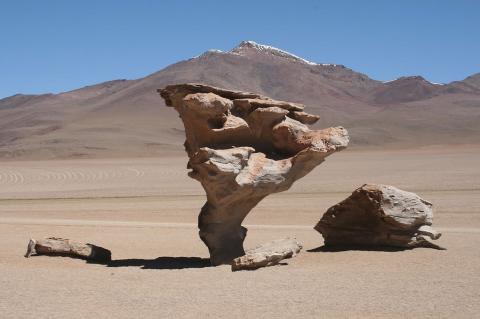
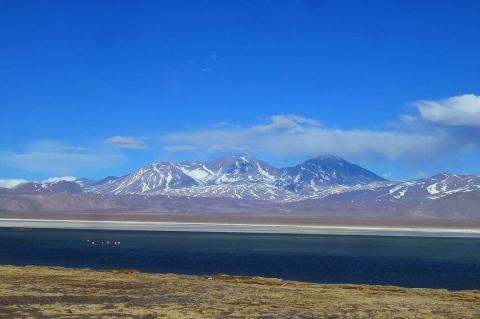
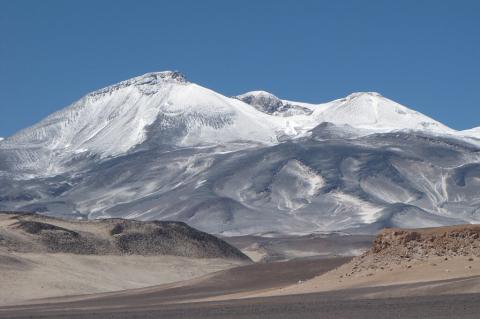
Nestled in the Andes Mountains of South America, the Puna de Atacama is a testament to nature's mesmerizing contrasts, from its cold, desolate high plateaus to the deep river valleys that carve through its eastern expanse. This vast and arid landscape, situated in the southernmost part of the Andean Altiplano, has geographical and cultural significance, stretching across northwestern Argentina and adjacent regions of Chile.

Puyehue National Park: Chile's Natural Masterpiece

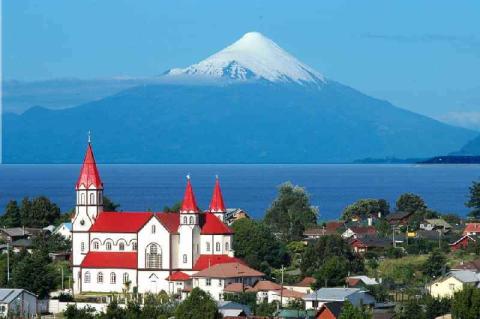
Nestled in the heart of southern Chile's Los Ríos and Los Lagos regions, Puyehue National Park is a testament to the country's natural wonders. This vast protected area boasts diverse landscapes, from steaming thermal springs and towering volcanoes to lush evergreen forests stretching endlessly. This comprehensive exploration delves into the essence of Puyehue National Park, unveiling its geological marvels and rich biodiversity