Landforms of the Caribbean

The Explosive History and Unique Ecology of La Soufrière Volcano

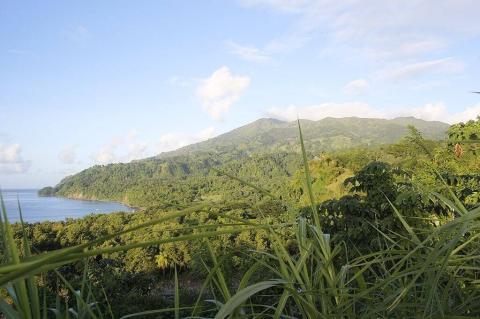
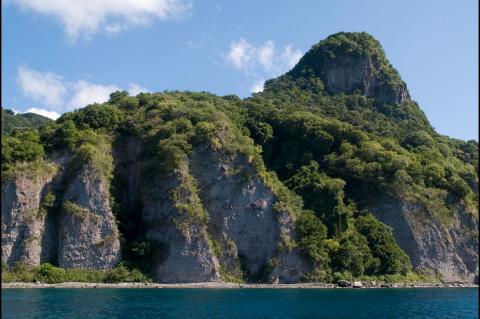
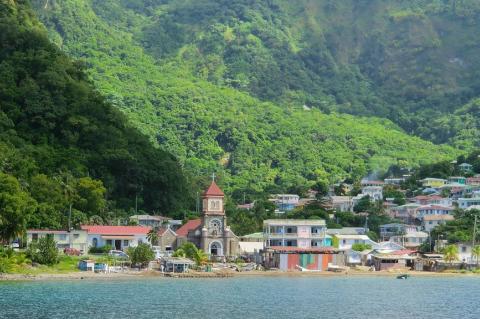
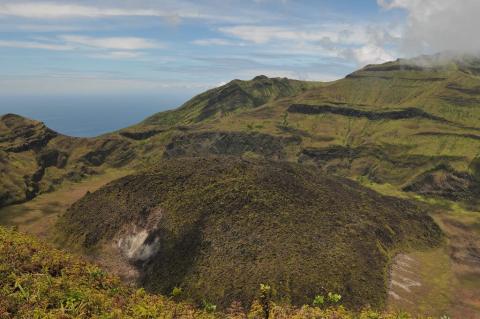
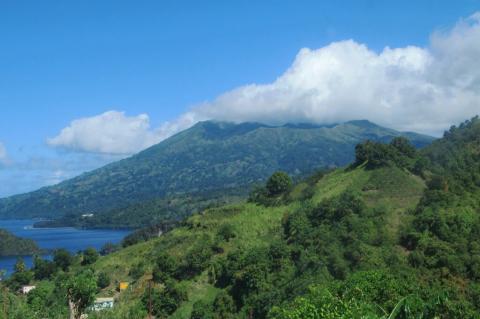
La Soufrière is an active stratovolcano on the island of Saint Vincent, the largest within the Saint Vincent and the Grenadines archipelago in the southeastern Caribbean Sea. Situated within the geologically active Lesser Antilles volcanic arc, La Soufrière is the highest point on the island and the highest in the nation. The volcano is known for its long and dynamic eruptive history, with 23 recorded eruptions in the past 4,000 years.

The Green Heart of Western Cuba: Exploring Sierra del Rosario and Its Biosphere Reserve

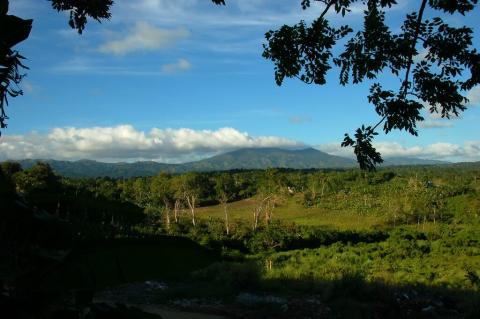
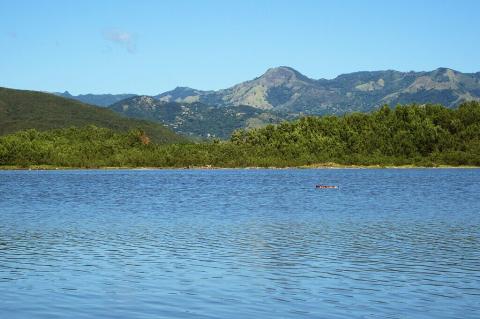
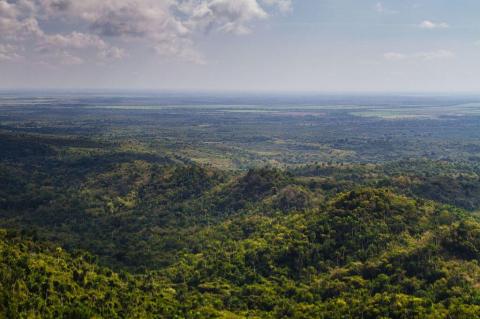
The Sierra del Rosario, located in the western part of Cuba, is a region of remarkable natural beauty and ecological significance. Part of the more extensive Guaniguanico Mountain Range, it is characterized by its rolling hills, steep slopes, and deep valleys, all covered in lush tropical forests. The region's biodiversity and historical and cultural heritage have earned it the designation of a Biosphere Reserve, making it a crucial area for conservation and sustainable development.

The Lesser Antilles Volcanic Arc: Unlocking the Mysteries

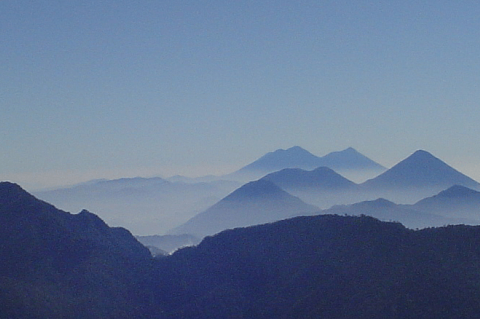
The Lesser Antilles Volcanic Arc is a chain of volcanic islands stretching from the Virgin Islands to Grenada in the eastern Caribbean Sea. It is formed by the subduction of the North American Plate beneath the Caribbean Plate, which creates the volcanoes that make up the islands. This volcanic arc, along with other geological forces, contributes to the shaping of the Caribbean Sea.

The Majestic Massif de la Selle: Haiti's Natural Jewel

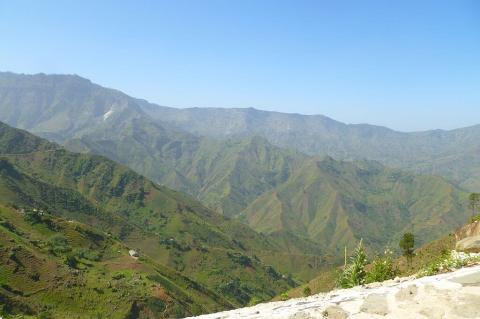
The Massif de la Selle is a prominent mountain range in southwestern Haiti on the island of Hispaniola. This mountainous region, known for its rugged terrain and abundant biodiversity, boasts the highest elevation in Haiti at its pinnacle, Pic la Selle. Its geographic, ecological, and socio-economic significance is profound, making it a critical area for natural preservation and human development.

The Massif de la Hotte and La Hotte Biosphere Reserve: Guardians of Biodiversity

The Massif de la Hotte, situated in southwestern Haiti on the Tiburon Peninsula, represents one of Hispaniola's most ecologically and historically significant regions. It is renowned for its rugged terrain, unique biodiversity, and critical ecological role. The La Hotte Biosphere Reserve, encompassing terrestrial and marine areas, further highlights the region's importance as a biodiversity hotspot and a center for conservation efforts.

The Massif du Nord: Haiti's Northern Natural Treasure

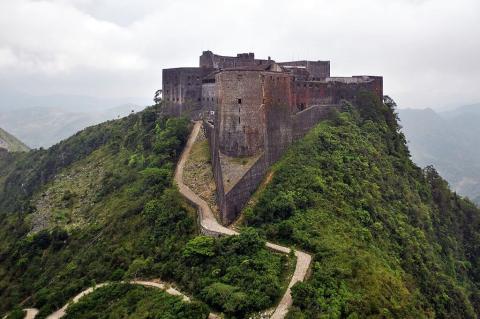
The Massif du Nord, also known as the Northern Massif, is a prominent mountain range in northern Haiti. This significant geographic feature is crucial to the country's topography, ecology, and cultural heritage. As the western extension of the Cordillera Central that traverses the Dominican Republic, the Massif du Nord is a testament to Haiti's rich natural and historical landscape. It includes diverse ecosystems, unique biodiversity, and historical landmarks.

The Mysterious Island of Redonda: A Geological and Ecological Gem in the Caribbean

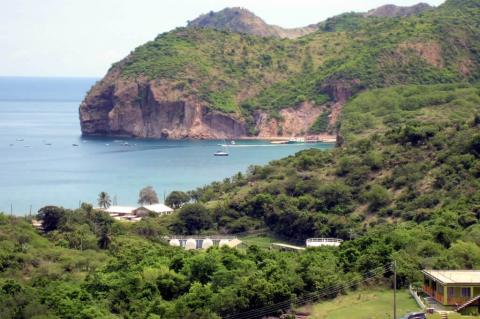
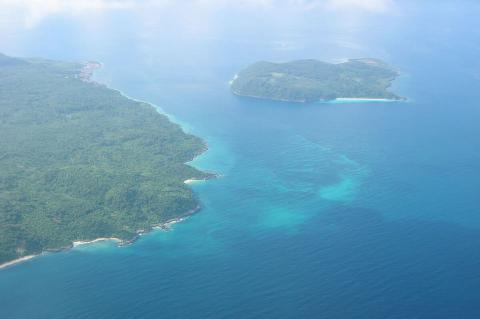
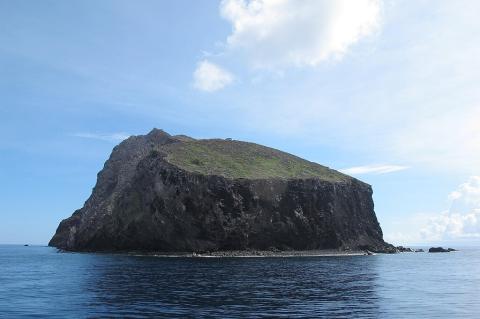
Amidst the shimmering turquoise waters of the Caribbean Sea, the tiny island of Redonda is a unique and captivating geological and ecological wonder. Unlike the lush, tropical islands that dot the area, Redonda is a rugged, volcanic outcrop that rises dramatically from the sea. Belonging to Antigua and Barbuda, this remote, uninhabited island is a testament to the remarkable diversity and resilience of life in the region.

The North American Plate: Continental Giant of the Northern Americas

The North American Plate, Earth's second-largest tectonic plate covering approximately 76 million square kilometers (29.3 million square miles), underlies most of North America, Greenland, the western Atlantic Ocean, and portions of the Caribbean Sea. This massive continental plate illustrates the intricate interactions between continental and oceanic lithosphere, driving a range of diverse geological processes from the Arctic Ocean to Central America.

The Puerto Rico Trench: Unveiling the Depths

The Puerto Rico Trench is an impressive geological feature situated parallel to Puerto Rico's northern coast beneath the Caribbean Sea and the Atlantic Ocean. It is an underwater depression located on the border between the two vast bodies of water and is notable for its depth and complexity. The deepest point in the Atlantic Ocean, the Milwaukee Depth, can be found at the trench's western end.

The San Andrés Archipelago: Colombia's Caribbean Paradise

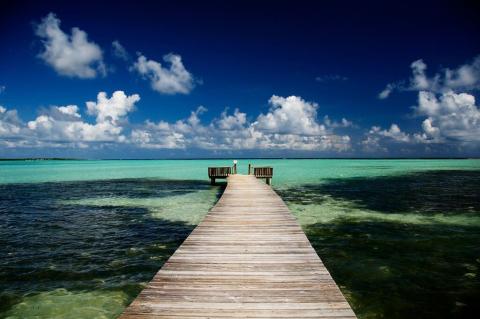
The Archipelago of San Andrés, Providencia, and Santa Catalina is a stunning collection of islands in the Caribbean Sea's western sector, belonging to the Republic of Colombia. The archipelago is a unique and captivating destination known for its rich history, vibrant culture, and incredible biodiversity. With its crystal-clear waters, lush landscapes, and warm, welcoming communities, this region is a true gem of the Caribbean.