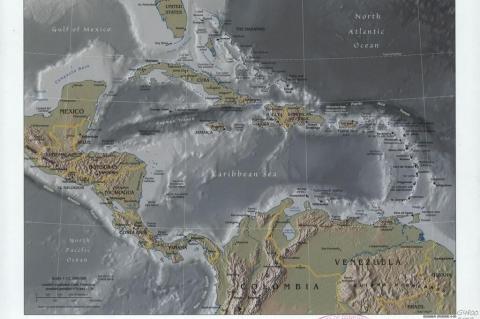
Landforms of the Caribbean

Lago Enriquillo and Isla Cabritos National Park: A Natural Wonder of the Dominican Republic

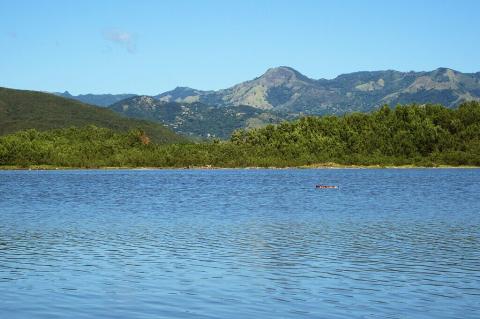
Nestled in the southwestern region of the Dominican Republic lies a natural marvel – the Lago Enriquillo and Isla Cabritos National Park. This stunning protected area encompasses the largest lake in the Dominican Republic, Hispaniola, and the entire Caribbean Region, along with the captivating Isla Cabritos (Goat Island) at its center. This remarkable destination offers a unique blend of natural beauty, rich biodiversity, and a fascinating cultural heritage.

Morne Diablotin: Guardian of Dominica's Biodiversity

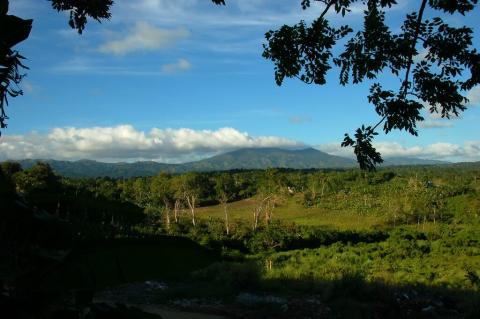
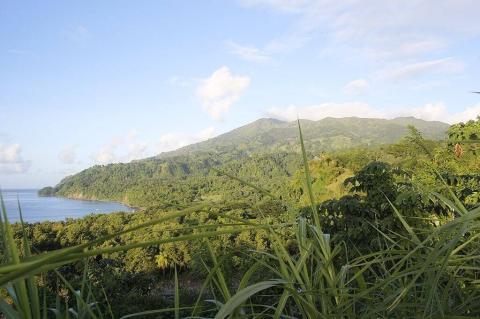
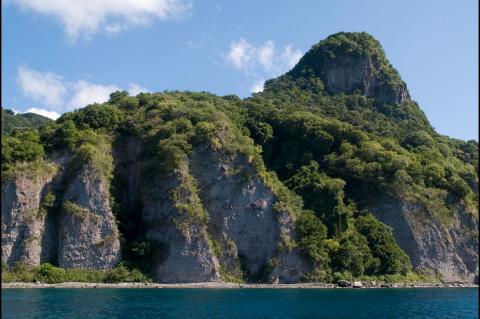
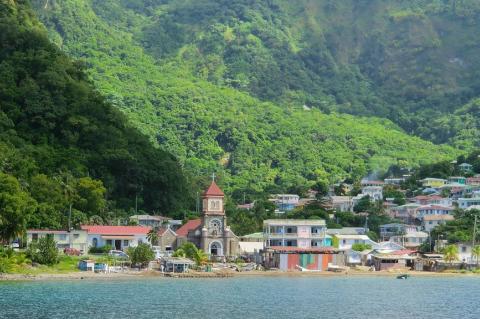
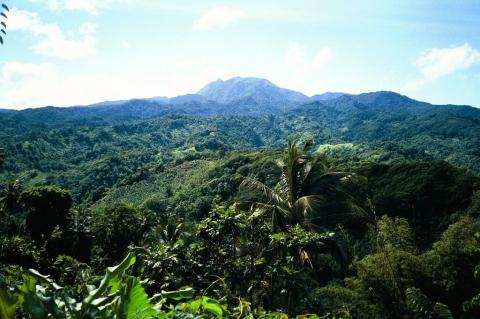
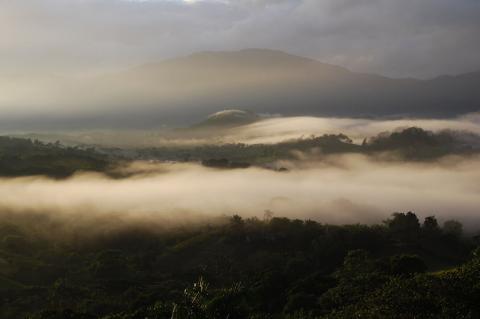
Nestled within the verdant heart of Dominica, Morne Diablotin stands as a towering testament to the island's rich natural heritage. Crowned with mist-shrouded peaks and draped in lush tropical rainforest, this majestic mountain and its surrounding national park harbor an extraordinary array of flora and fauna found nowhere else on Earth. Morne Diablotin National Park is a sanctuary of unparalleled biodiversity and ecological significance.

Mount Pelée: The Deadly Volcano That Decimated Saint-Pierre

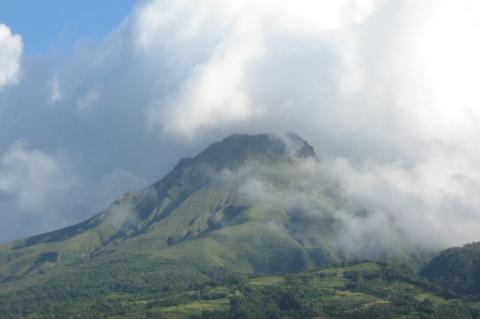
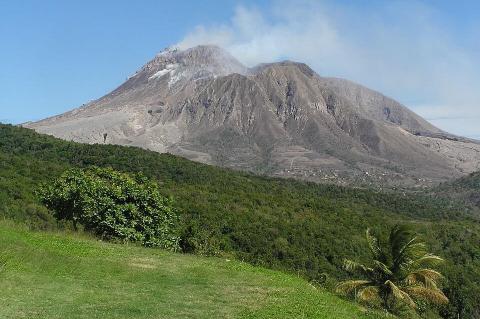
Rising majestically over the lush northern coast of the Caribbean island of Martinique, Mount Pelée is a stark and ominous presence. With its brooding, cloud-capped peak, this active stratovolcano has etched its name into the annals of history as one of the most deadly and destructive volcanoes in modern times. Today, Mount Pelée stands as a somber monument to the fragility of human existence in the face of nature's raw, destructive force.

The Baths of Virgin Gorda: A Geological Marvel in the British Virgin Islands

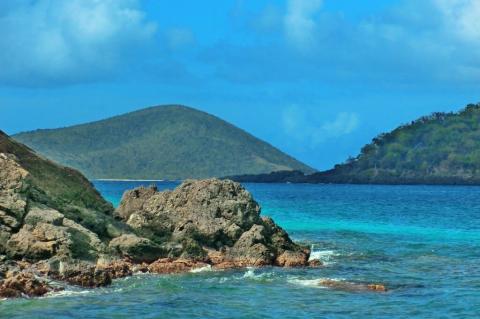
Nestled amidst the scenic island of Virgin Gorda, a gem within the British Virgin Islands, lies a natural wonder that mesmerizes visitors and evokes wonder – The Baths. This geological masterpiece, molded by the relentless forces of nature over millennia, presents an awe-inspiring labyrinth of monumental granite boulders, pristine pools, and hidden caves, inviting exploration and admiration of the raw beauty and power of the natural world.

The Blue and John Crow Mountains: A Natural and Cultural Jewel of Jamaica

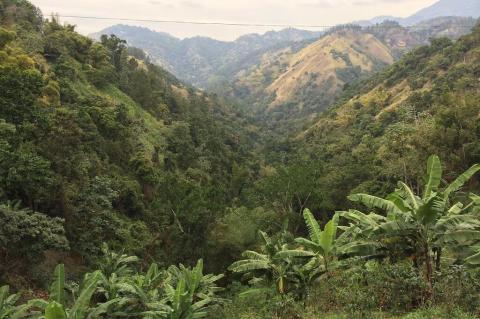
Jamaica's Blue and John Crow Mountains encompass a rich cultural and natural heritage mosaic. They served as a refuge for indigenous peoples and, later, the Maroons. This UNESCO World Heritage Site and National Park boasts exceptional biodiversity, with unique plant and animal species in its montane rainforests. Conservation efforts protect this ecologically significant area, preserving its beauty and cultural legacy for future generations.

The Canarreos Archipelago: Cuba's Hidden Paradise of Islands and Reefs

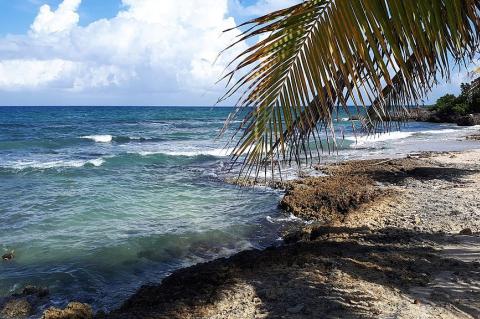
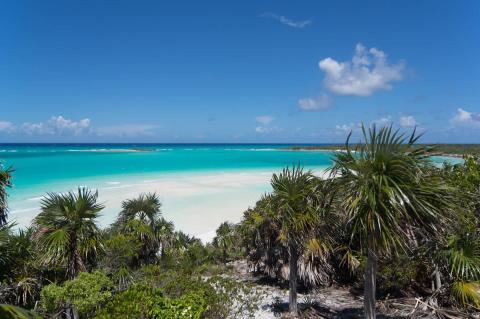
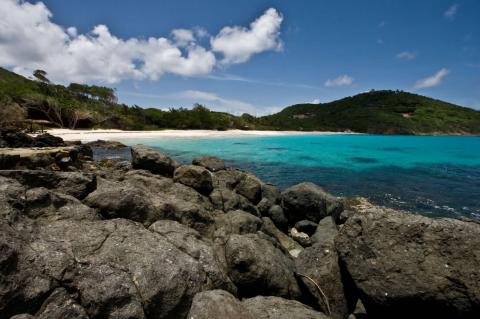
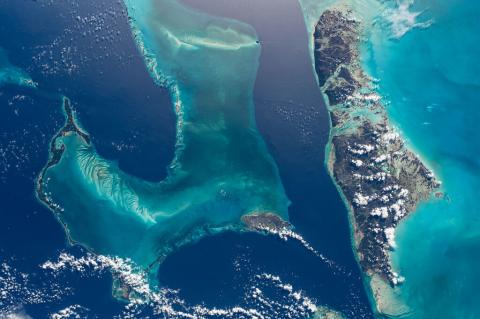
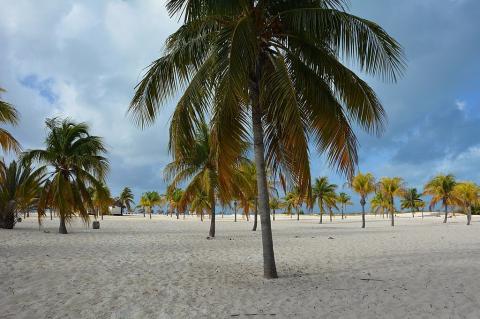
Stretching across the Caribbean Sea to the south of mainland Cuba, the Canarreos Archipelago is a sprawling chain of islands, cays, and islets that stands as one of the country's most ecologically rich and serene regions. Comprising over 350 landforms, the archipelago remains largely undeveloped, making it a haven for marine life, a sanctuary for rare species, and a destination for travelers seeking quiet, pristine beauty.

The Caribbean Plate: A Complex Oceanic Mosaic

The Caribbean Plate forms a unique oceanic tectonic entity covering approximately 3.32 million square kilometers (1.28 million square miles) beneath the Caribbean Sea and portions of Central America. This predominantly oceanic plate represents one of Earth's most tectonically complex regions, where interactions between four major plates create a diverse array of geological processes, from active volcanism to transform faulting and subduction dynamics.

The Cayman Trench and Cayman Ridge: Exploring the Depth

The Caribbean Sea contains a remarkable feature beneath its surface, known as the Cayman Trench and the Cayman Ridge. The Cayman Trench, also known as the Cayman Trough, Bartlett Deep, or Bartlett Trough, is a submarine trench on the floor of the western Caribbean Sea between Jamaica and the southeastern tip of Cuba. The Cayman Ridge is an undersea mountain range on the northern margin of the Cayman Trough and includes the Cayman Islands.

The Cordillera Central and Pico Duarte: Guardians of Hispaniola's Natural Heritage

The Cordillera Central, stretching across the central part of Hispaniola, defines the Dominican Republic's landscape, influencing its terrain, climate, and biodiversity. Its rugged peaks and verdant valleys showcase the island's diverse natural heritage. Pico Duarte, the highest summit in the country, stands as an icon within this breathtaking landscape. Similarly, José Armando Bermúdez National Park reflects the nation's dedication to preserving its environmental legacy.

The Cordillera Septentrional: Dominican Republic's Northern Mountain Range

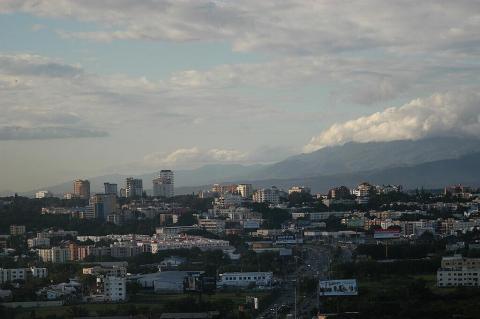
The Cordillera Septentrional, also known as the Northern Mountain Range, is a prominent geological and cultural feature in the Dominican Republic, shaping the landscape and livelihoods of those residing there. This mountain range, stretching in a northwest-southeast direction parallel to the northern coast, boasts rugged terrain characterized by steep slopes and lush valleys. The range is known for its rich biodiversity and is an important water source.