Mexico

Islas del Golfo de California: Balancing Conservation and Human Impact

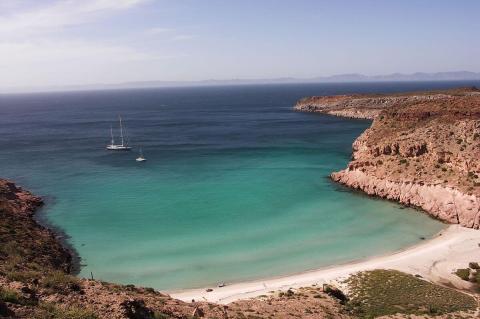
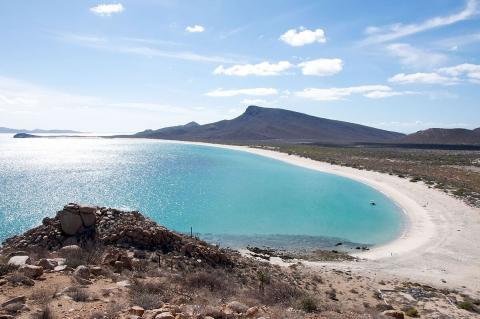
The Islas del Golfo de California, a vast archipelago of over 240 islands, is nestled between the Baja California peninsula, the Sonoran Desert, and the mangroves of Sinaloa in northwestern Mexico. Renowned for its rich biodiversity, these islands are part of the Islands and Protected Areas of the Gulf of California World Heritage site. Despite their ecological significance, recent challenges have highlighted the complex interplay between conservation efforts and human activity.

Islas Marietas Archipelago: A Sanctuary of Biodiversity and Ecotourism

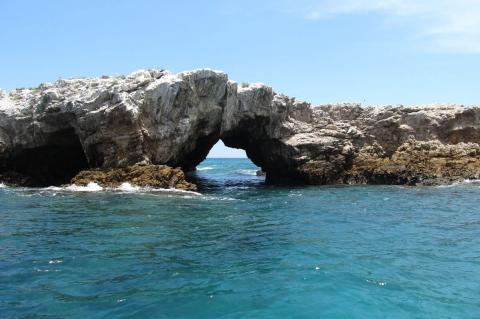
Off the Pacific coast of Nayarit, Mexico, the Islas Marietas Archipelago comprises two islands and two islets that serve as a vital sanctuary for an astonishing variety of marine and avian species. Uninhabited and southwest of Punta Mita, it is a haven for wildlife and a premier destination for eco-tourism and marine research. Protected as part of the Islas Marietas National Park and Biosphere Reserve, the region's confluence of marine currents creates a unique ecosystem where species from different regions thrive, making it essential for conservation and eco-tourism.

Lagunas de Montebello: Mexico’s Enchanted Lakes and Ancient Ruins

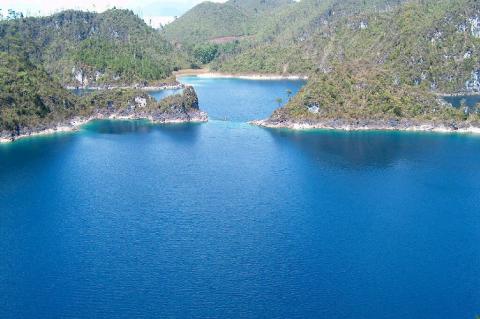
Lagunas de Montebello National Park, located in the southeastern region of Chiapas, Mexico, is an enchanting landscape with a remarkable blend of natural beauty and cultural significance. Known for its spectacular array of multi-colored lakes, pine forests, and Maya ruins, the park was the first in Chiapas. UNESCO recognized the park's ecological value by designating it a Biosphere Reserve. With its diversity of ecosystems, rich biodiversity, and archaeological sites, Lagunas de Montebello is a place of immense scenic beauty and a critical region for conservation.

Lake Chapala: Mexico's Largest and Most Enchanting Lake

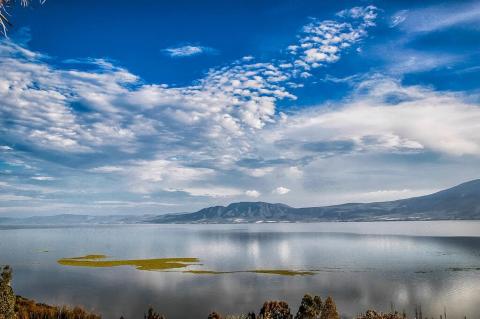
Lake Chapala, the largest freshwater lake in Mexico, is a place of natural beauty, cultural richness, and ecological importance. Located in the western state of Jalisco, south of Guadalajara, it is surrounded by picturesque towns, rolling hills, and lush landscapes. Renowned for its mild climate, Lake Chapala has become a haven for retirees, artists, and nature enthusiasts. However, it is also a vital ecological resource, playing a crucial role in regional water systems and supporting diverse flora and fauna.

Luis Barragán: Redefining Modern Architecture

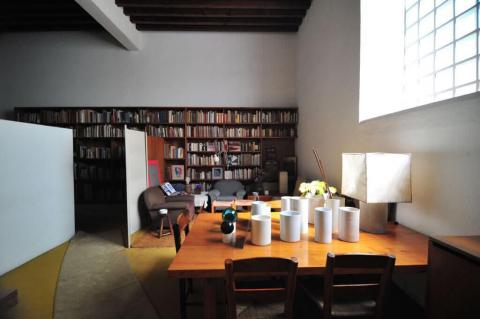
The Luis Barragán House and Studio, located in the Tacubaya neighborhood of Mexico City, is a landmark of 20th-century architecture. Designed and constructed by Luis Barragán between 1947 and 1948, the property is a testament to his visionary approach to architecture, blending modernist principles with traditional Mexican elements. Recognized as a UNESCO World Heritage Site, the house and studio reflect Barragán's philosophy of integrating space, light, and color to create environments that evoke a profound sense of peace and harmony.

Mangrove Ecosystem of Marismas Nacionales–San Blas: Biodiversity and Conservation

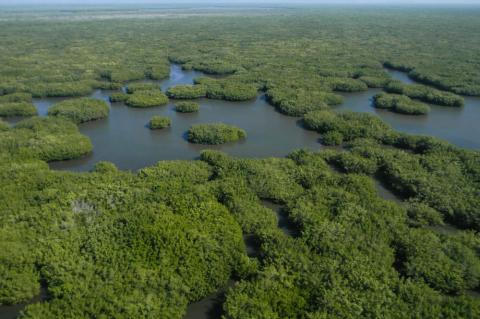
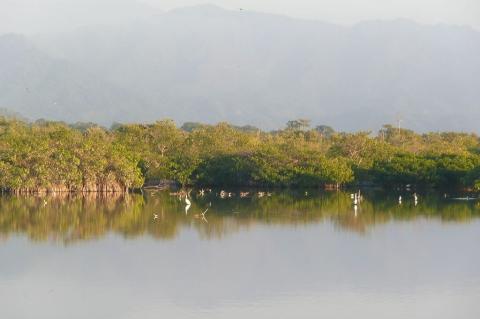
The Marismas Nacionales–San Blas Mangroves stretch across the Mexican states of Sinaloa and Nayarit, forming the most extensive mangrove area on Mexico's Pacific coast. This ecoregion, which includes the Marismas Nacionales Lagoon System, is celebrated for its rich biodiversity and ecological significance. The vast mangrove forests play a crucial role in stabilizing the coastline, supporting diverse species, and mitigating the impacts of climate change.

Mapimí Biosphere Reserve: A Desert Sanctuary in Northern Mexico

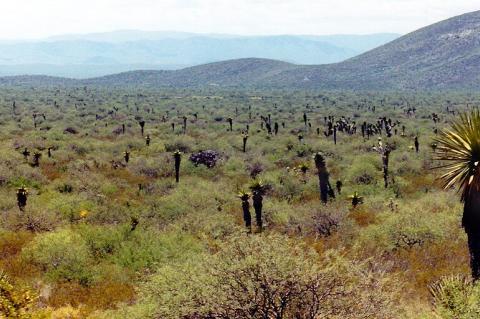
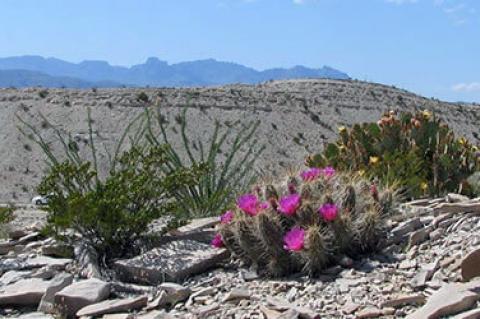
Nestled in the heart of the northern Mexican state of Durango, the Mapimí Biosphere Reserve is a testament to the region's unique desert ecosystems and incredible biodiversity. This protected area encompasses three distinct core zones in the central portion of the Chihuahuan Desert: the Sierra de la Campana, the Laguna de las Palomas (a saline lagoon) and the Dunas de la Soledad, a captivating desert habitat.

Marismas Nacionales: Mexico's Coastal Wetland Haven

The Marismas Nacionales Lagoon System is one of the most extensive and ecologically critical coastal wetlands along the Pacific coast in northwest Mexico. This unique ecosystem is a vital natural resource, distinguished by its dynamic wetland habitats, including estuaries, marshes, mangroves, and coastal lagoons. It is recognized as one of Mexico's most crucial mangrove systems, playing a critical role in sustaining biodiversity, protecting coastal areas, and mitigating the impacts of climate change.

Mérida, Mexico: A Cultural and Historical Gem

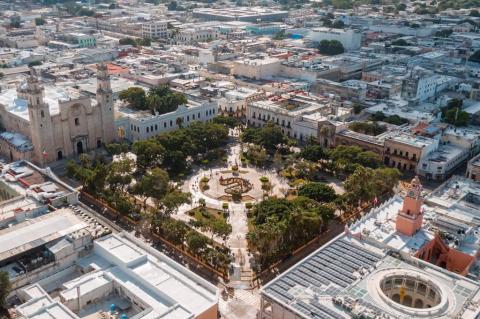
Nestled in the heart of the Yucatán Peninsula, Mérida is a vibrant city that seamlessly blends its rich Mayan heritage with Spanish colonial influences. Known as "La Ciudad Blanca" (The White City), Mérida captivates visitors with its stunning architecture, lively cultural scene, and warm hospitality. As the capital of the state of Yucatán, it serves as a gateway to exploring the region's ancient ruins, natural wonders, and culinary delights.

Mesoamerica: Unveiling the Cultural Richness of Middle America

Mesoamerica, a historical and cultural region bridging North and South America, has long been a center of human civilization, innovation, and cultural exchange. The term "Mesoamerica," meaning "Middle America" in Greek, refers to a vast area stretching from south-central Mexico to northern Costa Rica. This region, home to some of the most advanced pre-Columbian societies, features a variety of landscapes and climates that played a crucial role in shaping the development of ancient civilizations.