Mexico

Origins of Civilization: The Prehistoric Caves of Yagul and Mitla

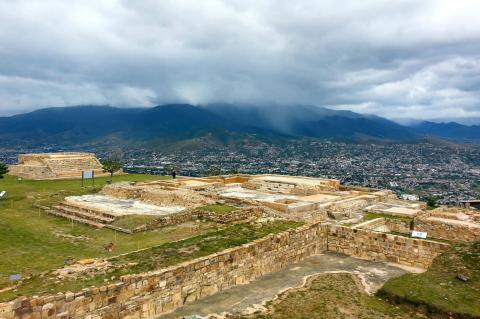
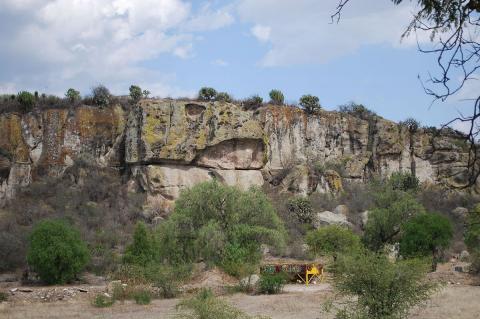
Nestled on the northern slopes of the Tlacolula Valley in Oaxaca, Mexico, the Prehistoric Caves of Yagul and Mitla form an extensive cultural landscape that bridges the ancient past with the rise of Mesoamerican civilizations. This UNESCO World Heritage Site encompasses two pre-Hispanic archaeological complexes alongside a series of prehistoric caves and rock shelters, offering a glimpse into the region's early human adaptation, agriculture, and societal development.

Palenque: The Maya Legacy in Stone and Nature

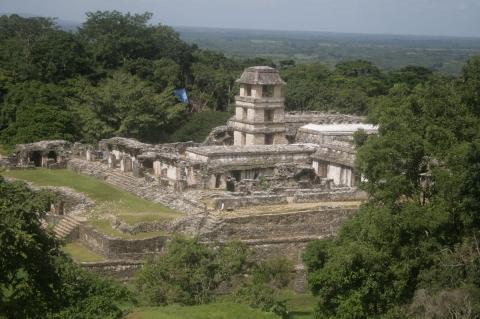
Located amidst the verdant jungles of southern Mexico, the Pre-Hispanic City and National Park of Palenque is a significant archaeological site and a national treasure. Once a thriving Maya city, Palenque, known in ancient times as Lakamha, meaning "Big Water," flourished during the 7th century before gradually being overtaken by the surrounding forest. Today, it is recognized as a UNESCO World Heritage Site, celebrated for its historical importance and natural beauty.

Pantanos de Centla Biosphere Reserve: Mexico's Exquisite Wetland Haven

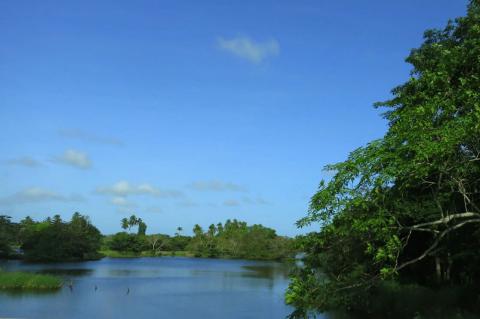
The Pantanos de Centla Biosphere Reserve, an ecological gem nestled in the heart of Tabasco, southern Mexico, is one of the most crucial wetlands in what was once Mesoamerica. This expansive reserve boasts one of the largest tropical moist forest ecoregions in the Americas. With its seasonally flooded forests, vast wetlands, and critical position at the confluence of the Grijalva and Usumacinta rivers, the reserve has rightfully earned its designation as a Ramsar Wetland of International Importance.

Paricutín Volcano: Mexico’s Youngest Volcanic Marvel

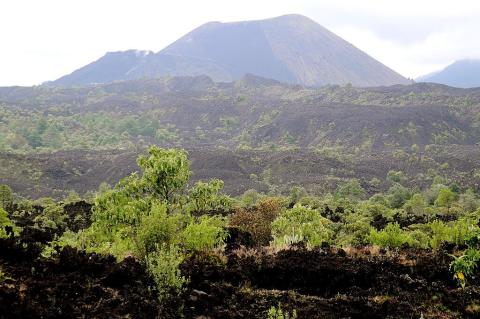
The Paricutín Volcano, located in Michoacán, Mexico, is one of the world's youngest and most studied volcanoes. Its sudden emergence in 1943 from a cornfield startled locals and scientists alike, marking a unique opportunity to observe the complete life cycle of a cinder cone volcano. Over nine years of continuous eruption, Paricutín buried villages and farmland under lava and ash, forever altering the landscape. The volcano, now dormant, stands as a testament to the immense geological forces in the region.

Pico de Orizaba: Mexico's Towering Natural Landmark

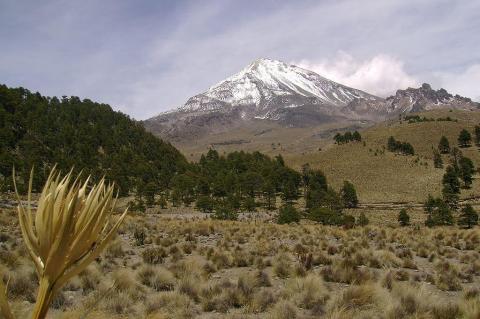
Pico de Orizaba, or Citlaltépetl, is the highest peak in Mexico and the tallest volcano in North America. Situated on the border of the Mexican states of Veracruz and Puebla, the inactive stratovolcano rises to an imposing height. Its prominence within the Trans-Mexican Volcanic Belt and its rich history in geological and cultural contexts make it a defining feature of the Mexican landscape. Its glaciers, towering presence, and role in indigenous mythologies further highlight the volcano's significance.

Preserving Mexico's Tropical Dry Forests: The Chamela-Cuixmala Biosphere Reserve

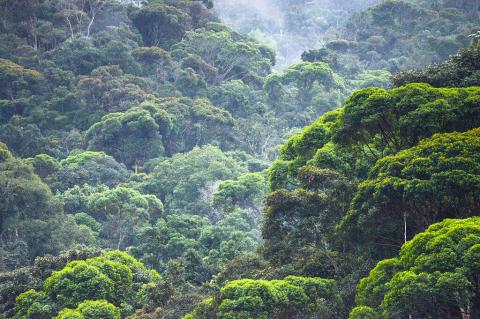
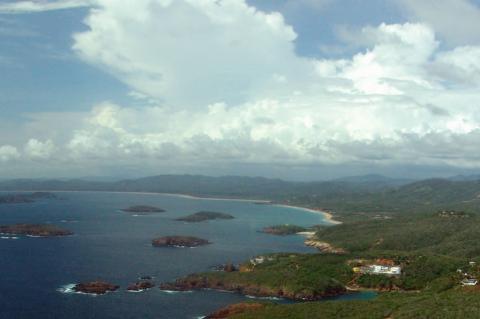
The Chamela-Cuixmala Biosphere Reserve is a rich mosaic of ecosystems located in the state of Jalisco, Mexico. Stretching along the Pacific coast, this reserve protects one of the most biologically diverse landscapes in the Americas. The reserve is named after the town of Chamela, an important historical port, and the Cuixmala River, which serves as a natural boundary. It is renowned for preserving dry and deciduous tropical forests, some of the world's most endangered and ecologically important ecosystems.

Protecting Paradise: The Islands and Protected Areas of the Gulf of California

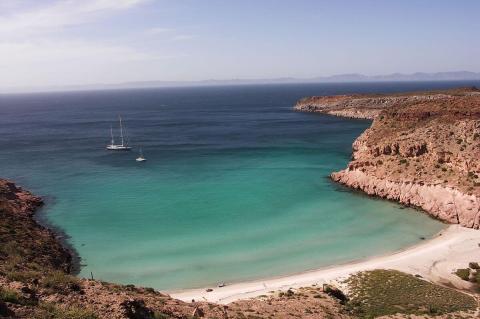
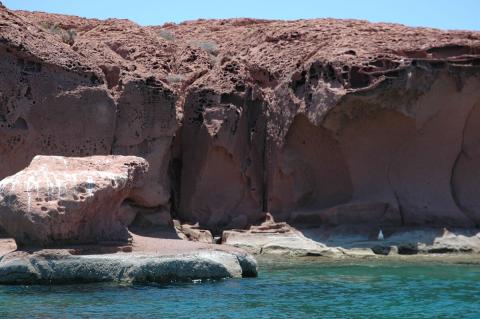
The Islands and Protected Areas of the Gulf of California, inscribed as a UNESCO World Heritage Site, includes 244 islands, islets, and coastal areas in northeastern Mexico. Known as "the world's aquarium," this natural paradise faces major threats leading to its listing as a World Heritage site in danger, especially due to the critically endangered vaquita. The site highlights extraordinary biodiversity and the urgent need for global conservation efforts, symbolizing natural wonder and the challenges of preserving marine ecosystems today.

Puebla: The Baroque Heart of Mexico

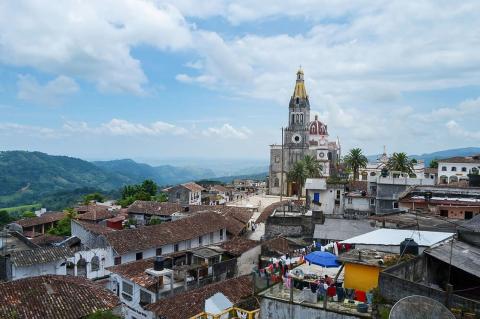
Puebla, located in central Mexico, is a vibrant blend of history, culture, and architectural splendor. Founded in 1531, Puebla has become one of Mexico's most important cities, known for its colonial-era buildings, rich cultural traditions, and significant historical events. Its location near the iconic Popocatépetl volcano provides a stunning natural backdrop and influences the region's climate and culture. The Historic Center of Puebla, designated as a UNESCO site, is renowned for its well-preserved baroque architecture, beautiful churches, and vibrant plazas.

Querétaro: A Colonial Masterpiece of Harmony and History

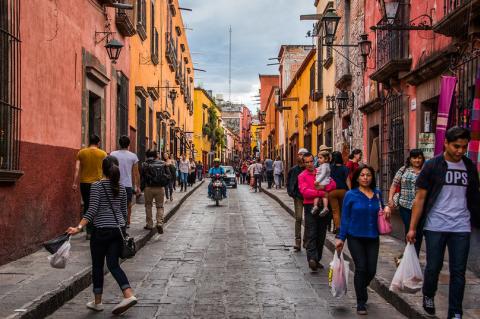
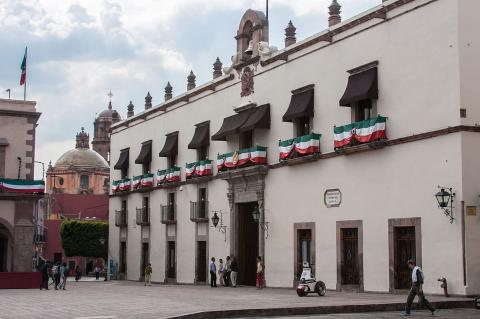
Querétaro City, located in the heart of central Mexico, is a city steeped in history and architectural splendor. Querétaro is a vibrant testament to the convergence of Spanish colonial influence and Indigenous cultural heritage. Recognized as a UNESCO World Heritage Site, the city's Historic Monuments Zone is an exceptional example of a colonial town whose unique urban layout and rich cultural tapestry continue to captivate visitors and scholars alike.

Revillagigedo Archipelago: Mexico’s Hidden Natural Treasure

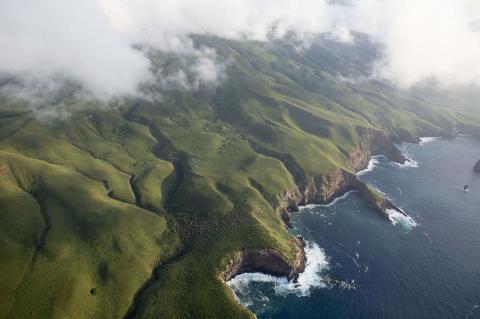
The Archipiélago de Revillagigedo, located in the eastern Pacific Ocean, is a remarkable natural treasure. South-southwest of the Baja California Peninsula and west-southwest of Cape Corrientes on the Mexican mainland, this archipelago consists of volcanic islands declared a Marine Reserve and a National Park. They are recognized as a UNESCO World Heritage Site, reflecting its global significance. The four islands and their surrounding waters form a unique and pristine ecosystem.