Mexico

The Maya Civilization: Architects of an Enduring Legacy

The Maya civilization, one of the most advanced and influential cultures of the ancient Americas, flourished in Mesoamerica for more than 2,000 years. Emerging around 2000 BCE and reaching its height between 250 and 900 CE, the Maya built vast city-states, developed one of the most sophisticated writing systems of the pre-Columbian world, and made remarkable advancements in mathematics, astronomy, and architecture.

The Maya Region: A Journey through Peaks, Lowlands, and Plateaus

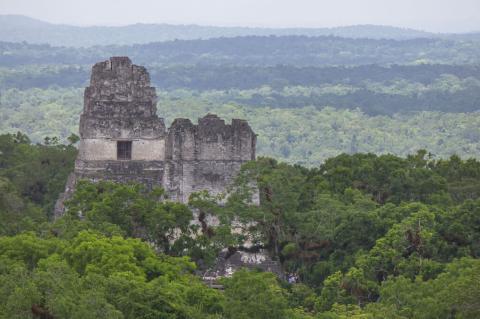
The Maya Region, the expansive heart of Mesoamerica, unfolds as a landscape of unparalleled diversity, spanning present-day Guatemala, Belize, and Mexico. Stretching from the mountainous peaks of the Sierra Madre to the semi-arid plains of northern Yucatán, this vast expanse encapsulates the historical and cultural landscape of the Mayan civilization in the pre-Columbian era.

The Mexican Plateau: A Diverse Landscape and Cultural Heartland

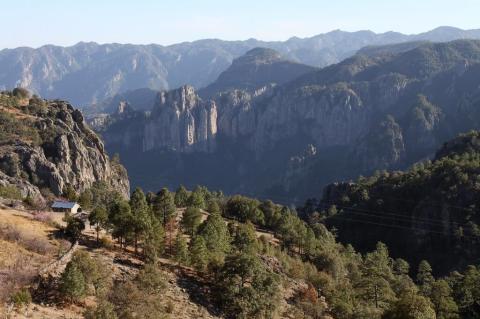
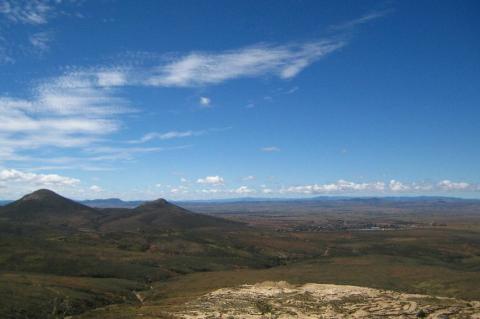
The Mexican Plateau, also known as the Altiplano, is a vast highland region in northern and central Mexico. It defines much of the nation's geography and cultural heartland. This expanse, characterized by diverse climates and ecosystems ranging from arid northern areas to temperate central regions, is divided into the Mesa del Norte and the Mesa Central. Its varied terrain has profoundly influenced settlement, agriculture, and regional cultures throughout Mexican history, making it both geographically and culturally essential to the nation.

The Middle America Trench: Where Ocean Floors Collide and Continents Rise

The Middle America Trench represents one of Earth's most dynamic subduction zones, where massive tectonic plates converge in a process that has shaped the region's landscape for millions of years. This extensive underwater canyon naturally divides into two distinct segments: the northern Acapulco Trench following Mexico's curved coastline, and the southern Guatemala Trench extending in a more linear fashion toward Costa Rica.

The Midriff Islands and San Lorenzo Marine Park: A Gulf of California Sanctuary

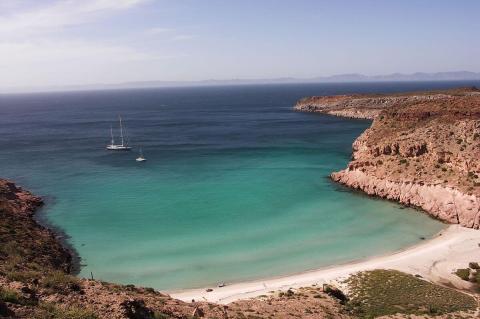
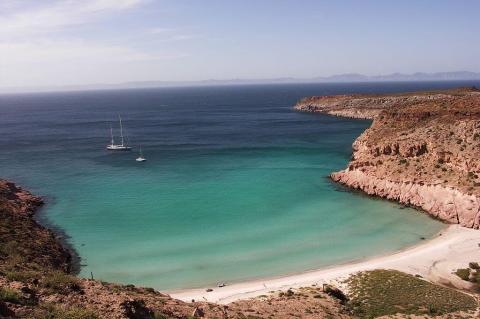
In the northern Gulf of California, where the desert meets the sea, lies one of Mexico's most ecologically significant marine reserves: San Lorenzo Marine Archipelago National Park. This protected region is part of the renowned Midriff Islands, encompassing islands and maritime borders. It plays a vital role in preserving the marine biodiversity of the Gulf. Nestled between Baja California's eastern coast and the deep waters of the Sea of Cortez, the park is a sanctuary for endangered species and an essential component of the Gulf's fragile marine ecosystem.

The Olmec: The First Great Civilization of Mesoamerica

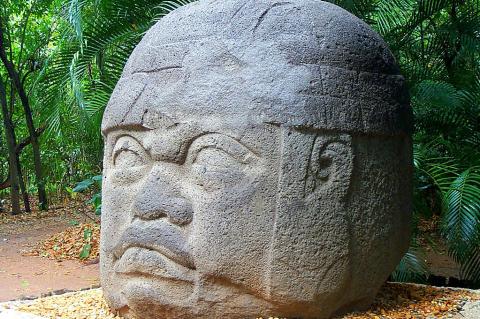
The Olmec civilization, which flourished between approximately 1500 and 400 BCE in what is now southern Mexico, is often regarded as the "Mother Culture" of Mesoamerica. This designation reflects the civilization's profound influence on later cultures, including the Maya, Zapotec, and Aztec. The Olmecs developed sophisticated artistic traditions, religious concepts, and early forms of writing and calendrical systems that shaped the cultural landscape of Mesoamerica for centuries.

The Pan-American Highway: Linking North, Central, and South America

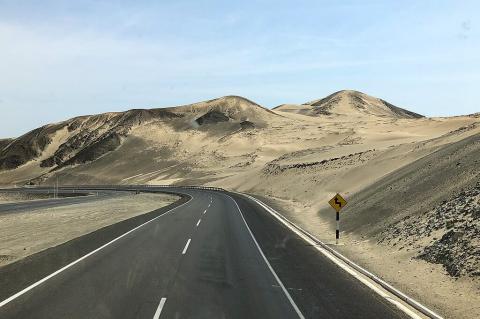
Stretching from the frozen tundras of Alaska to the windswept landscapes of Tierra del Fuego, the Pan-American Highway is a testament to human ingenuity and the indomitable spirit of connectivity. This vast network of roads is one of the most extensive and ambitious transportation systems ever conceived, serving as a vital artery for trade, tourism, and cultural exchange across the Americas. Despite the monumental achievements of the highway, a formidable obstacle remains – the Darién Gap.

The Peninsular Ranges System: A Geological and Ecological Marvel of Northwestern Mexico

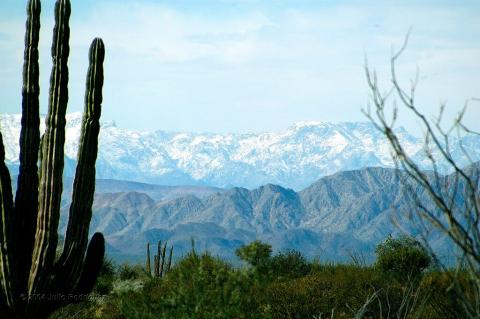
Running parallel to the Pacific Ocean, the Peninsular Ranges System is a remarkable series of coastal mountain ranges that form the backbone of the Baja California Peninsula in northwestern Mexico. This rugged geological feature spans from the international border with Southern California to the peninsula's southern tip, showcasing diverse ecosystems, geological formations, and endemic species.

The Petén Basin and Maya Forest: Where Ancient Civilizations Meet Living Wilderness

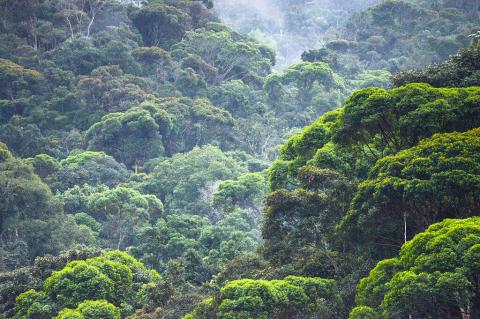
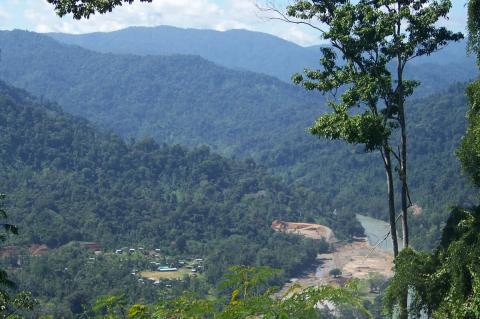
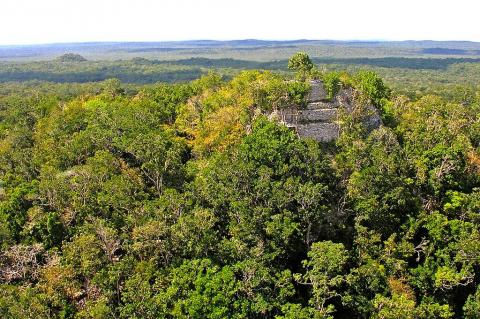
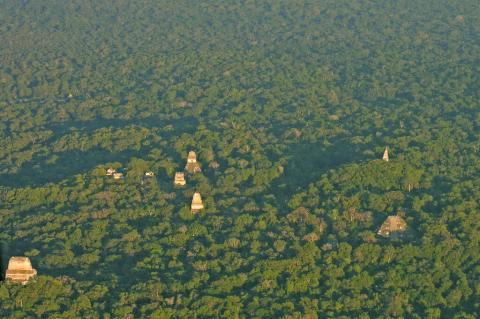
In the verdant heart of Central America, where the borders of Guatemala, Mexico, and Belize converge in a tapestry of emerald green, lies one of the world's most extraordinary convergences of natural wonder and human achievement. Here, beneath canopies that have witnessed the rise and fall of empires, the Petén Basin and its encompassing Maya Forest represent far more than geographical features—they embody a living testament to the intricate dance between civilization and wilderness that has unfolded across millennia.

The Ría Lagartos Biosphere Reserve: A Ramsar Wetland of Remarkable Biodiversity

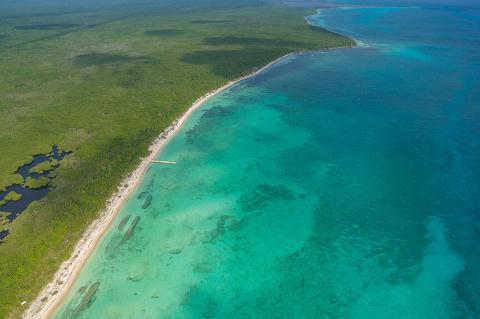
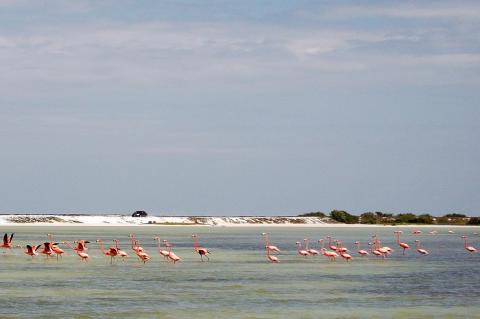
The Ría Lagartos Biosphere Reserve, situated at the eastern end of Mexico's Yucatán Peninsula, is a remarkable wetland ecosystem recognized by the Ramsar Convention for its exceptional ecological significance. This vast protected area encompasses diverse landscapes and habitats, serving as a vital sanctuary for numerous endangered species and a crucial stopover for migratory birds.