Mexico

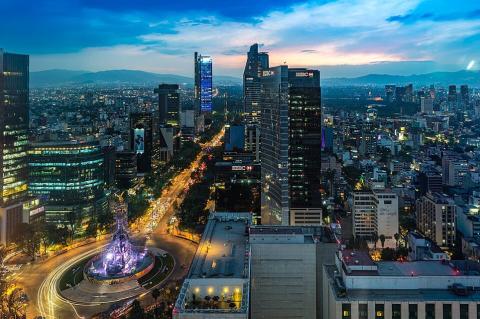
Mexico City: A Dynamic Blend of History and Modernity

Mexico City, the capital of Mexico, is a vibrant and historically rich metropolis. Located in the Valley of Mexico, it is the country's political, cultural, and economic hub. With a history of over seven centuries, from its roots as the Aztec capital Tenochtitlán to its current status, Mexico City blends ancient traditions with modern innovations. Its bustling streets, historic landmarks, and diverse cultural experiences make it a must-visit destination and a symbol of Mexico's dynamic identity.

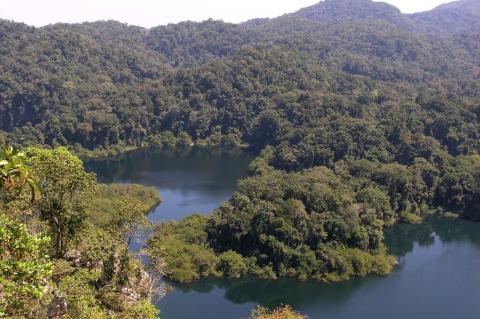
Mexico's Nahá-Metzabok Biosphere Reserve: A Sanctuary of Biodiversity and Cultural Heritage

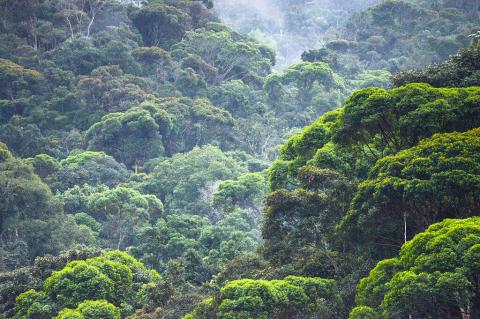
Within the verdant landscapes of Chiapas state in southeastern Mexico lies the Nahá-Metzabok Biosphere Reserve. This reserve spans the northeastern Chiapas Highlands and is a haven for biodiversity and cultural richness. Safeguarding montane rainforests, pine–oak woodlands, and pristine lakes within the renowned Lacandón Forest region, the Nahá-Metzabok Biosphere Reserve invites exploration.

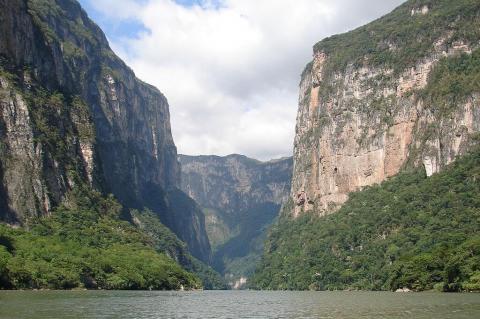
Mexico's Sumidero Canyon and National Park: Nature's Grandeur Along the Grijalva River

Nestled in the southern expanse of Mexico, the Sumidero Canyon emerges as a captivating geological marvel. Sculpted over millennia by the unwavering power of the Grijalva River, this majestic canyon serves as a poignant testament to the raw forces of nature and the awe-inspiring beauty they can create. Within the bounds of the Sumidero Canyon National Park, a sanctuary of ecological importance and natural diversity unfolds.

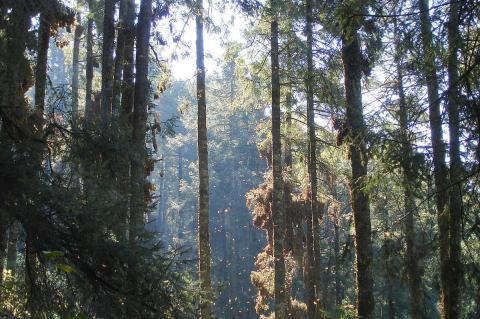
Monarch Butterfly Biosphere Reserve: A Sanctuary for Nature's Winged Wonders

Deep within the rugged forested mountains of central Mexico, a breathtaking natural spectacle unfolds each year – the mass migration of millions of monarch butterflies seeking refuge in their overwintering grounds. The Monarch Butterfly Biosphere Reserve, a UNESCO World Heritage site, serves as a sanctuary for these remarkable creatures, protecting their delicate habitats and ensuring the continuation of one of nature's most awe-inspiring phenomena.

Monasteries on the Slopes of Popocatepetl: Evangelization and Architectural Marvels of 16th-Century Mexico

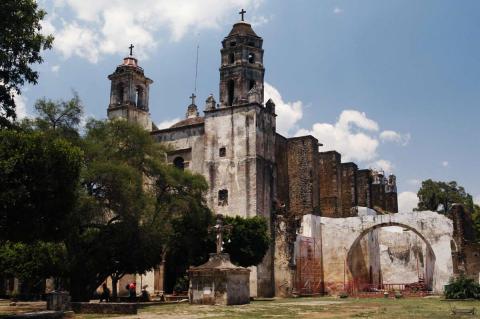
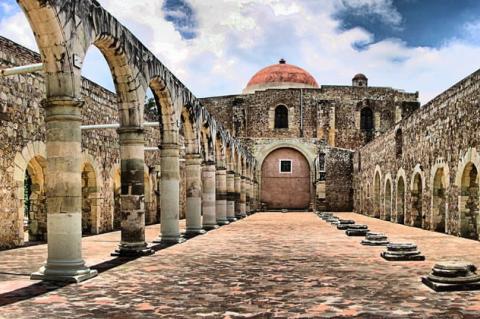
The Monasteries on the Slopes of Popocatepetl, situated in the shadow of one of Mexico's most iconic volcanoes, are a remarkable ensemble of 14 religious complexes that date back to the early 16th century. Spanning the states of Morelos and Puebla, these monasteries, built by Augustinians, Franciscans, and Dominicans, stand as enduring symbols of the religious and cultural transformation that unfolded in the region during the early years of Spanish colonization.

Morelia: A Colonial Gem in the Heart of Mexico

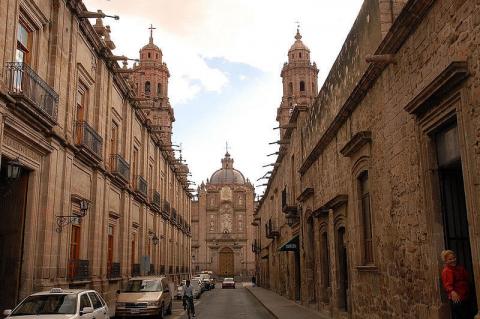
The Historic Center of Morelia, located in the north-central region of Michoacán, Mexico, is a remarkable example of colonial urban development. Situated at the foot of the Sierra Madre Occidental, the city was founded under the name Valladolid. It was crucial in Mexico's struggle for independence in the early 19th century. The city's urban layout and architectural heritage blend Spanish town planning with local Mesoamerican experience, creating a harmonious fusion that has endured over centuries.

Nature's Mosaic: Exploring the Sierra Gorda Biosphere Reserve

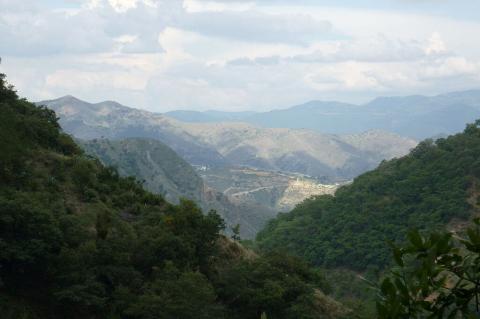
Nestled in the heart of northern Mexico at the intersection of the Arctic Neotropical and Mesoamerican Mountain regions, the Sierra Gorda Biosphere Reserve stands as a beacon of ecological diversity and natural beauty. Spanning the Querétaro and San Luis Potosí states, this reserve is a testament to the rich biodiversity and varied landscapes that characterize the region.

Nevado de Toluca National Park: Mexico's High-Altitude Volcanic Wonderland

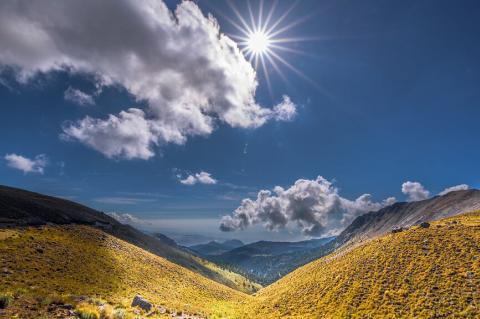
Nevado de Toluca National Park protects Mexico's fourth-highest mountain, a dramatic stratovolcano with twin crater lakes nestled within its ancient caldera. This sanctuary encompasses remarkable biodiversity across distinct elevation zones, from temperate forests of sacred fir and pine to high-altitude alpine grasslands supporting endemic species. Known to the Aztecs as "Xinantécatl", the mountain holds profound cultural significance as a sacred site where ancient peoples made ceremonial offerings. Today, the park attracts hikers, mountaineers, and researchers, though it faces growing threats that challenge the preservation of this extraordinary volcanic landscape.

Oaxaca and Monte Albán: A Journey Through Mesoamerican and Colonial History

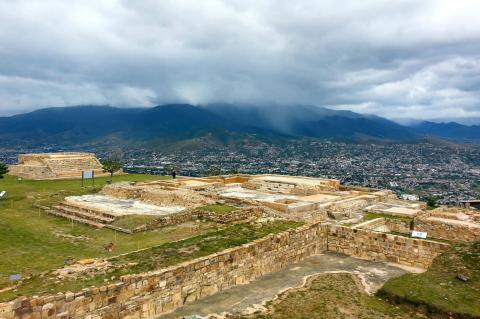
In the heart of Mexico’s Oaxaca Valley, the Historic Center of Oaxaca and the Archaeological Site of Monte Albán form a UNESCO World Heritage site showcasing over 1,500 years of history, culture, and architectural brilliance. Monte Albán features grand ceremonial centers, terraces, and pyramids, while the nearby city of Oaxaca de Juárez blends Indigenous and colonial heritage in its streets and architecture, reflecting the rich history of the region.

Oblatos Canyon: A Natural Wonder of Mexico's Western Highlands

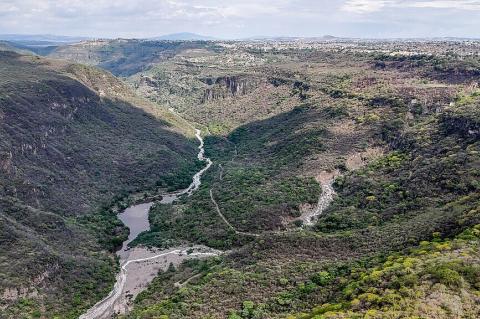
Oblatos Canyon, also known as Huentitán Canyon, is a breathtaking natural landmark located on the outskirts of Guadalajara in Jalisco, Mexico. Carved by the powerful Río Grande de Santiago, this majestic canyon serves as a sanctuary for diverse ecosystems, a hub for recreational activities, and a site of cultural and historical significance. Its dramatic landscapes, towering cliffs, and rich biodiversity have made it a favorite destination for adventurers, nature enthusiasts, and conservationists.