Mexico

Taxco de Alarcón: Mexico's City of Silver and Charm

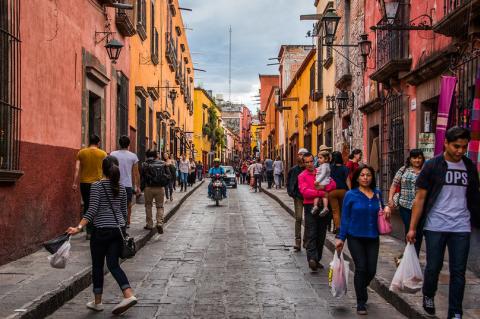
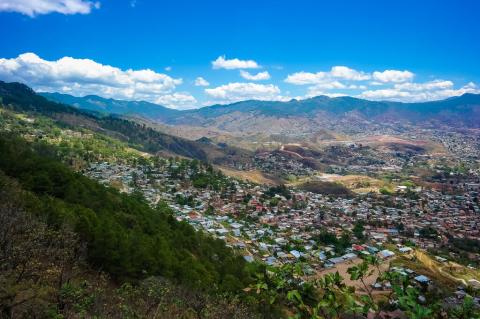
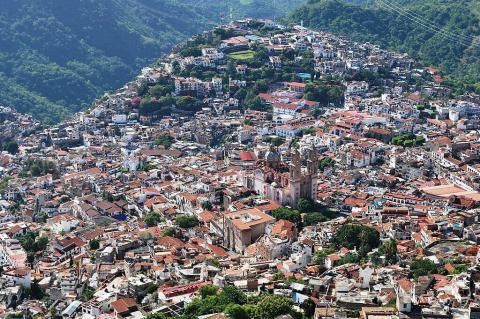
Nestled in the rugged terrain of Guerrero state, Taxco de Alarcón, commonly known as Taxco, is a jewel of colonial Mexico. Renowned for its silver craftsmanship and stunning Baroque architecture, the city offers a rich tapestry of history, culture, and natural beauty. Its winding cobblestone streets, whitewashed facades, and terracotta-tiled roofs create a picturesque setting that attracts visitors from around the world.

Tehuacán-Cuicatlán Valley: A Nexus of Ecology and Culture

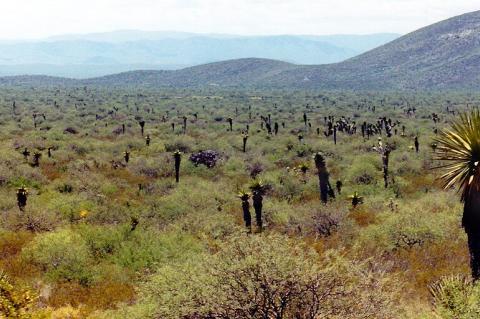
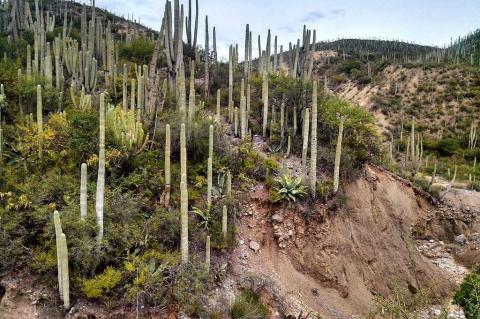
The Tehuacán-Cuicatlán Valley in southern Mexico showcases the intricate interaction between human societies and the environment. It is a UNESCO Biosphere Reserve and a World Heritage Site, known for its biodiversity, ancient agricultural practices, and enduring Indigenous traditions. Spanning the states of Puebla and Oaxaca, this valley offers a profound glimpse into the ecological and cultural wealth that has shaped the region for millennia.

Templo Mayor: Unearthing the Monumental Heart of the Aztec Empire

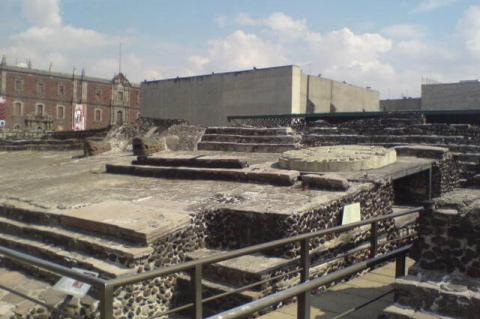
Nestled within the bustling streets of modern-day Mexico City lies a remnant of the past that has captivated archaeologists and history enthusiasts: the Templo Mayor. This monumental pyramid is a testament to the Mexica people's ingenuity, spirituality, and architectural prowess. Through its layers of construction and the artifacts unearthed from its depths, the Templo Mayor offers a rare glimpse into the rich cultural heritage of one of the most influential civilizations in Mesoamerica.

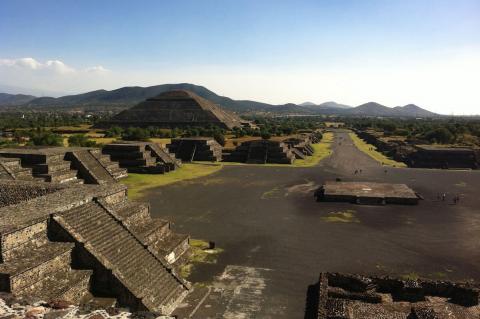
Teotihuacán: The Ancient Metropolis of Mesoamerica

Teotihuacán, the ancient city in the Valley of Mexico, is one of the most significant and enigmatic archaeological sites in the Americas. Renowned for its immense pyramids, intricate urban planning, and profound cultural legacy, this pre-Hispanic metropolis dominated the landscape of ancient Mesoamerica. At its height, Teotihuacán was a center of trade, religion, and power and the largest city in the pre-Columbian Americas. Its influence resonated throughout the region, leaving an indelible mark on subsequent civilizations.

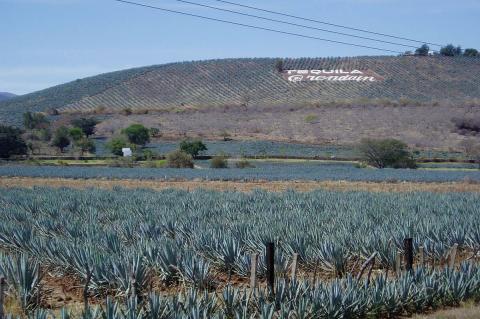
The Agave Region of Mexico: A Cultural and Botanical Marvel

Mexico's agave region, centered on the UNESCO-listed Agave Cultural Landscape of Tequila, stands as a testament to the country's rich biodiversity and cultural heritage, offering a landscape shaped by nature and human endeavor. From its rugged terrains to the artisanal traditions deeply rooted in agave cultivation, this region represents a harmonious blend of natural beauty and human ingenuity.

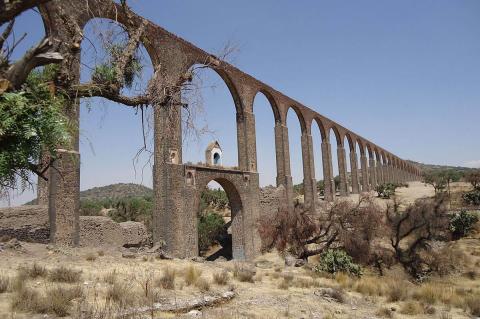
The Aqueduct of Padre Tembleque: A Hydraulic Masterpiece

The Aqueduct of Padre Tembleque, named after the Franciscan friar Francisco de Tembleque, is a remarkable example of water conduction engineering in the Americas. Constructed between 1555 and 1572, it spans the states of Mexico and Hidalgo in the Central Mexican Plateau. Recognized as a UNESCO site, the aqueduct represents a unique blend of European and indigenous engineering traditions, showcasing an impressive combination of Roman hydraulic principles and Mesoamerican construction techniques.

The Aztec Civilization: Power, Faith, and Empire in Ancient Mexico

In the centuries before the arrival of the Spanish conquistadors, a complex and powerful civilization flourished in the heart of Mesoamerica. Today, this civilization is known as the Aztec Empire. It was built upon layers of cultural, religious, and political traditions inherited from earlier societies such as the Toltec and the Teotihuacano. By the early 16th century, the Aztecs had constructed one of the most influential empires in the Americas, centered on their magnificent capital of Tenochtitlan.

The Balsas River: Lifeline of Central Mexico

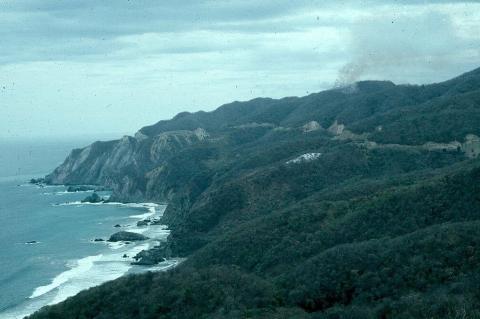
Spanning one of Mexico's most diverse and dynamic regions, the Balsas River flows through the heart of the country, nurturing ecosystems, supporting livelihoods, and influencing cultural identities. As one of the longest rivers in Mexico, the Balsas plays a critical role in connecting the landscapes of Central and Southern Mexico. Its ecological richness, historical significance, and contributions to agriculture and hydropower make it a vital resource for the nation.

The Bay of Campeche: Mexico's Maritime Crossroads of Nature and History

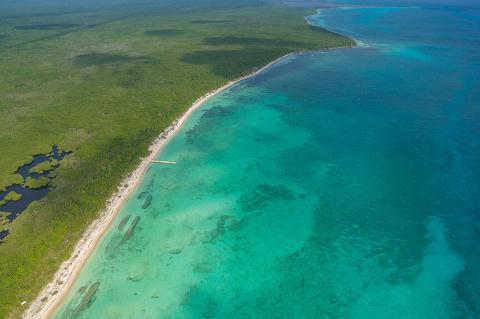
Located in the southwestern Gulf of Mexico, the Bay of Campeche is a vital maritime region with ecological, historical, and economic importance. It has served as a crossroads for nature, commerce, and human settlement, from ancient trade networks to today's global energy markets. The bay's diverse ecosystems and rich history contribute to its significance in Mexico's identity and environmental landscape.

The Enchanting Wilderness of La Michilía Biosphere Reserve

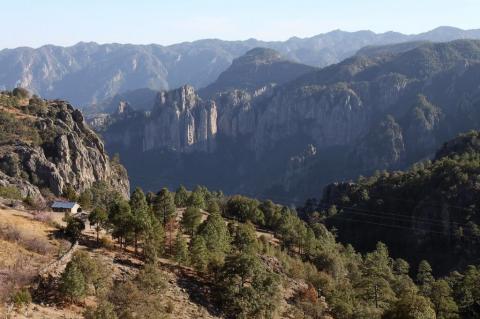
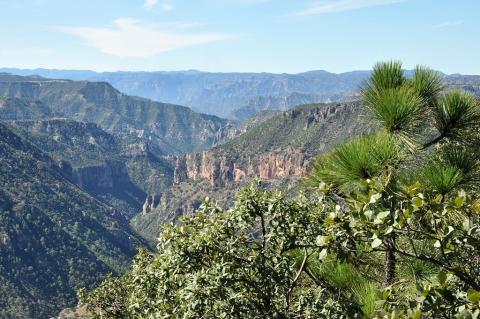
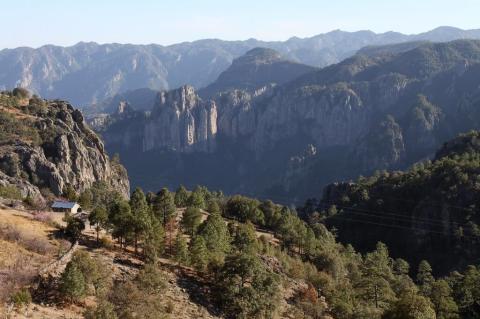
Nestled within the magnificent Sierra Madre Occidental in Mexico lies the captivating La Michilía Biosphere Reserve. This natural haven is a testament to the region's remarkable biodiversity and the enduring efforts to protect its ecological treasures. From towering pine and oak forests to serene meadows and ephemeral streams, the La Michilía Biosphere Reserve is a true oasis of tranquility in the heart of the Mexican countryside.