Mountain Ranges

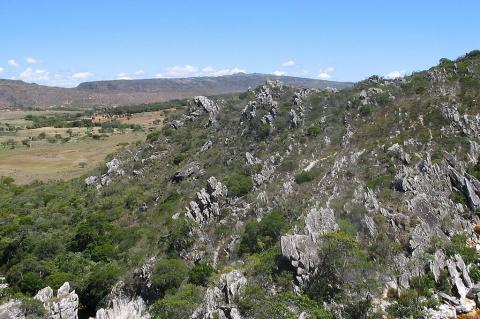
Serra da Canastra: A Rich Blend of Natural Splendor and Biodiversity

The Serra da Canastra is a significant mountain range in the western part of Minas Gerais state in southeastern Brazil. Nestled within the Brazilian Highlands, it is noted for its striking landscapes, rich biodiversity, and economic resources. The range's unique geological features and ecosystems make it an area of natural beauty and scientific interest. The range is also the birthplace of the São Francisco River, one of Brazil's most essential watercourses.

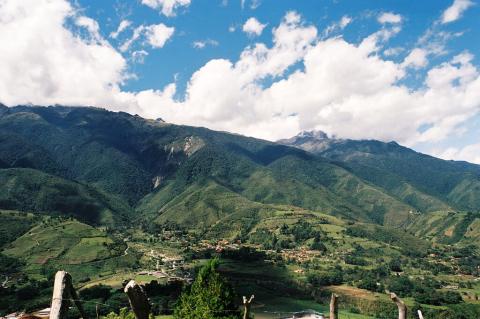
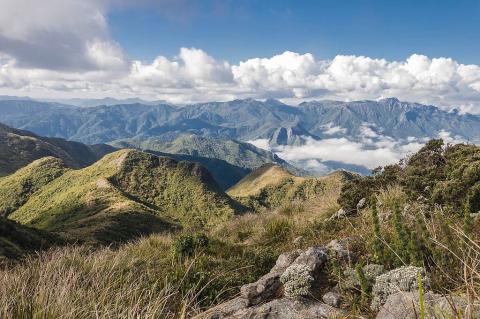
Serra da Mantiqueira: Brazil's Mountain of Tears and Biodiversity Haven

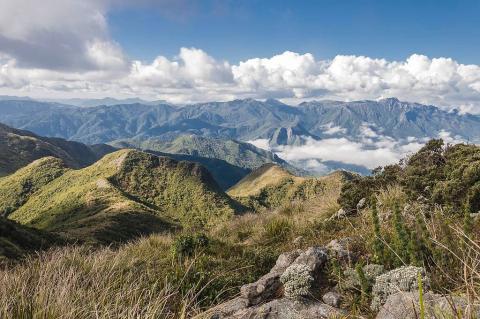
Nestled in the southeastern heartland of Brazil, the magnificent Serra da Mantiqueira rises from the valleys like an ancient fortress of stone and forest. This breathtaking mountain range spans across the borders of three Brazilian states—São Paulo, Rio de Janeiro, and Minas Gerais. From its dramatic emergence along the banks of the Paraíba do Sul River, the Serra da Mantiqueira stretches northeastward in a magnificent arc of granite escarpments and verdant highlands that serve as both geographic barrier and biological corridor.

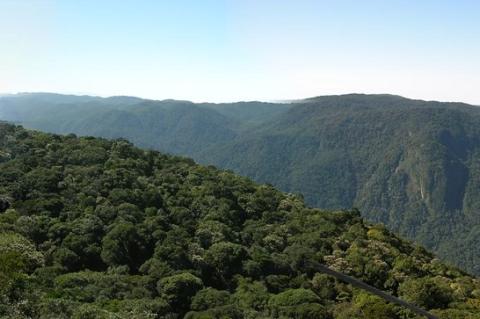
Serra de Paranapiacaba: Where Engineering Meets Wilderness

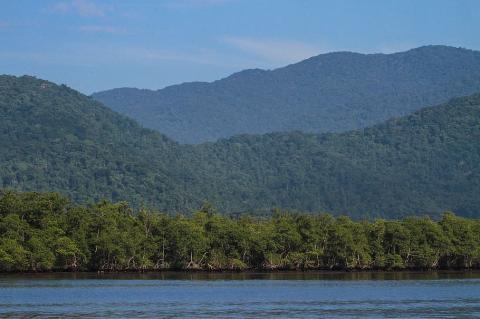
Rising from the Atlantic coastal plains like a great green fortress, the Serra de Paranapiacaba represents one of the most dramatic and historically significant sections of Brazil's Serra do Mar mountain system. This magnificent escarpment has served as both an imposing natural barrier and a gateway to Brazil's interior, forever linking human ambition with the raw power of nature itself. The range showcases how human innovation and natural preservation can coexist in one of Brazil's most historically and ecologically significant landscapes.

Serra do Espinhaço: Brazil’s Mountain of Riches and Biodiversity

The Serra do Espinhaço is a mountain range that stands as a natural marvel in Brazil, stretching through Minas Gerais and Bahia. Known for its rich mineral deposits and unique ecosystems, the Serra do Espinhaço plays a vital role in the country's environmental and cultural fabric. Known for its rich mineral deposits and unique ecosystems, the range's significance is underscored by its designation as a Biosphere Reserve, which highlights its importance in preserving Brazil's natural heritage.

Serra do Mar: Brazil's Emerald Escarpment

Along Brazil's southeastern Atlantic coast, where the azure ocean meets the verdant mountains, rises one of South America's most spectacular geological formations. The Serra do Mar stretches for approximately 1,500 kilometers (930 miles), forming a dramatic backdrop that has shaped both the landscape and the destiny of Brazil. From the misty highlands of Espírito Santo in the north to the rugged coastlines of Santa Catarina in the south, this ancient mountain system forms an almost continuous barrier between Brazil's interior plateau and the Atlantic Ocean.

Serra dos Órgãos: An Ecological Jewel of Brazil's Atlantic Forest

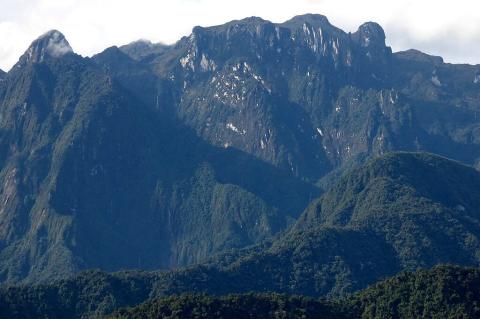
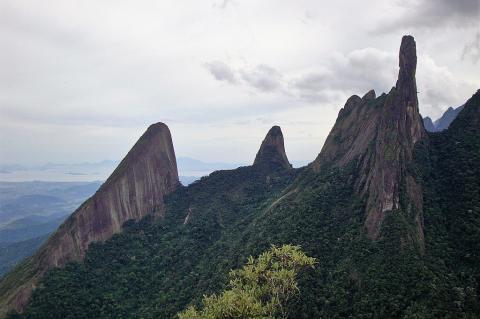
Rising majestically from Rio de Janeiro's coastal plains, the Serra dos Órgãos offers one of Brazil's most spectacular mountain landscapes. Named for its granite spires resembling cathedral organ pipes, this range is part of the Serra do Mar system, creating a dramatic backdrop that has fascinated visitors and scientists for centuries. From the bustling metropolis of Rio de Janeiro, these peaks appear as mystical silhouettes against the sky, their jagged profiles like ancient monuments to Brazil's geological forces.

Sierra de Córdoba: Argentina's Majestic Mountain Range

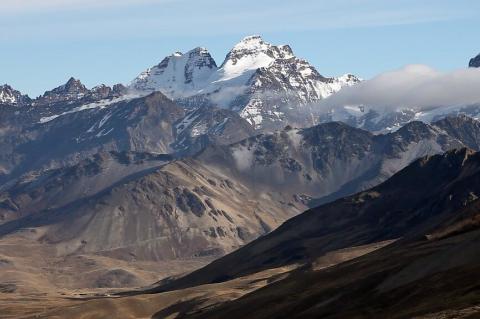
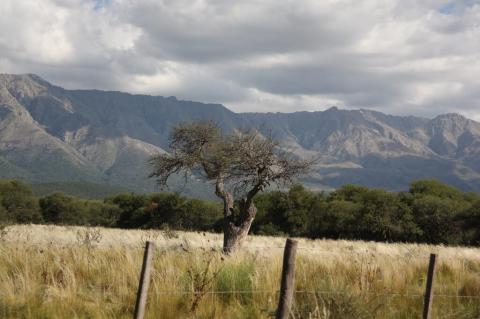
The Sierra de Córdoba is one of Argentina's most significant mountain ranges, stretching across the country's central region. Located primarily in Córdoba Province, it forms part of the larger Sierras Pampeanas system. Characterized by rolling hills, deep valleys, and rugged peaks, the range is a vital ecological and cultural region. Its rich biodiversity, historical significance, and economic contributions make it an essential natural landmark in Argentina.

Sierra Madre del Sur: Mexico's Southern Backbone

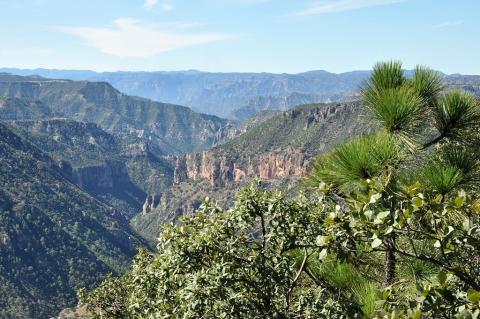
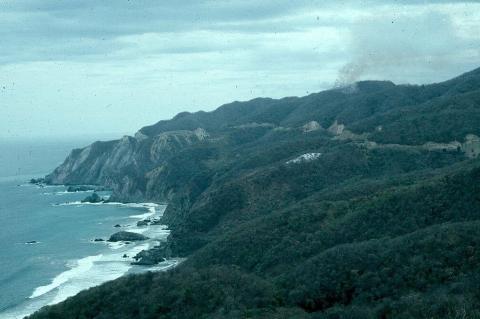
The Sierra Madre del Sur is a captivating mountain range in southern Mexico. It extends along the Pacific coastline and shapes the region's geography, ecology, and culture. The range, known for its dramatic landscapes and ecological diversity, is vital to Mexico's natural and cultural heritage. Its rugged terrain, unique ecosystems, and historical significance make it a focal point for exploration and conservation.

The Blue and John Crow Mountains: A Natural and Cultural Jewel of Jamaica

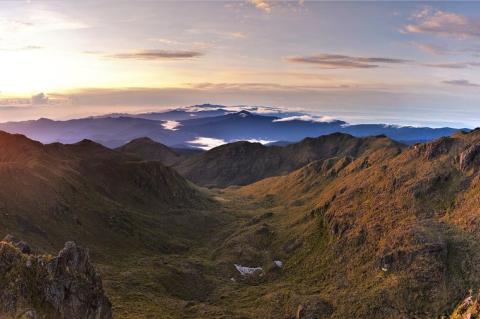
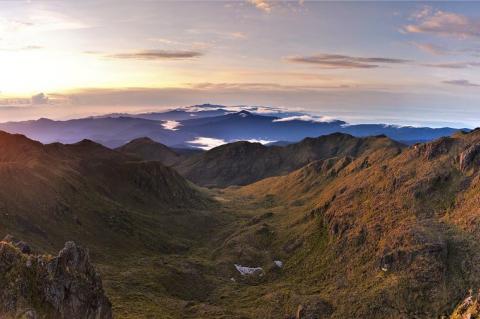
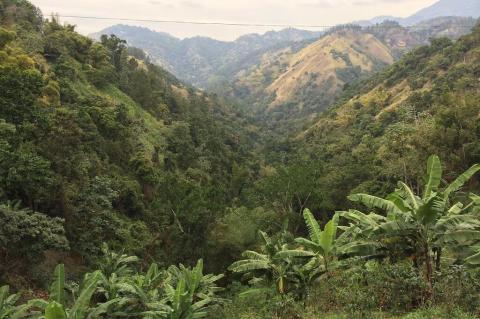
Jamaica's Blue and John Crow Mountains encompass a rich cultural and natural heritage mosaic. They served as a refuge for indigenous peoples and, later, the Maroons. This UNESCO World Heritage Site and National Park boasts exceptional biodiversity, with unique plant and animal species in its montane rainforests. Conservation efforts protect this ecologically significant area, preserving its beauty and cultural legacy for future generations.

The Chilean Coastal Range and Central Valley: Chile's Geographic Foundation

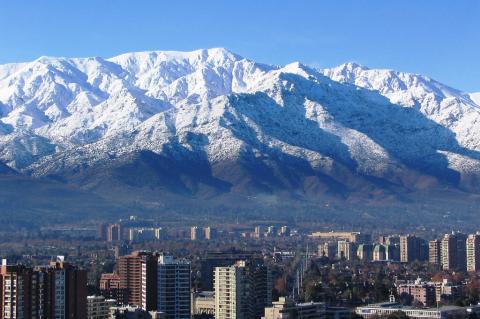
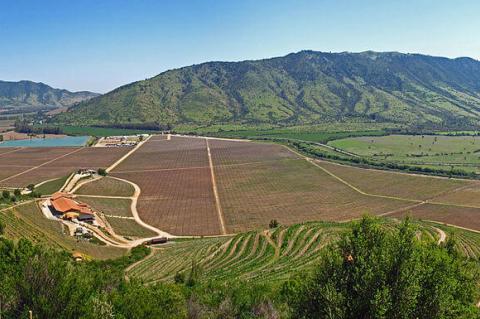
The Chilean Coastal Range and Central Valley are two distinct geographic features that run parallel along the length of Chile, shaping the country's climate, agriculture, and urban development. The Coastal Range acts as a barrier between the Pacific Ocean and the interior, while the Central Valley lies between these coastal mountains and the towering Andes, forming Chile's most fertile and populated corridor. Together, they influence where rain falls, forests grow, crops thrive, and cities develop—defining one of South America's most unique geographic regions.