Brazil

Goiás Velho: A Journey through Brazil's Colonial Legacy

Nestled amidst Brazil's rolling hills and lush greenery lies the picturesque and captivating town of Goiás. With its stunning, well-preserved colonial architecture and quaint cobblestone streets, this charming town paints a vivid picture of a bygone era. As the capital of the state of Goiás, Goiás Velho exudes an air of cultural significance, proudly showcasing the unique blend of traditions and customs that have shaped Brazil's history.

Grande Sertão Veredas National Park: A Biodiversity Haven in the Heart of Brazil

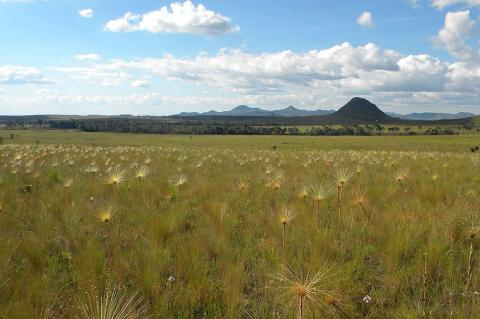
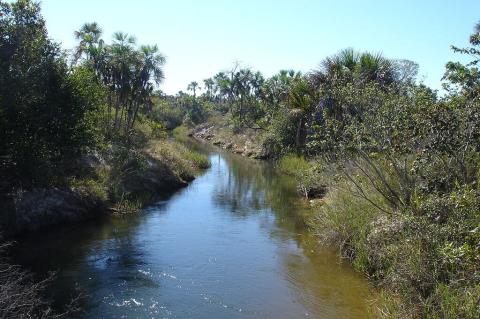
Nestled at the intersection of Minas Gerais and Bahia states in east-central Brazil, Grande Sertão Veredas National Park stands as a tribute to the abundant natural legacy of the Cerrado biome. Recognized for its expansive streams and veredas, resembling meandering pathways, the park offers a glimpse into various ecosystems, encompassing forests, savannas, and lush cerrado vegetation.

Guanabara Bay: A Deep Dive into Brazil's Iconic Coastal Treasure

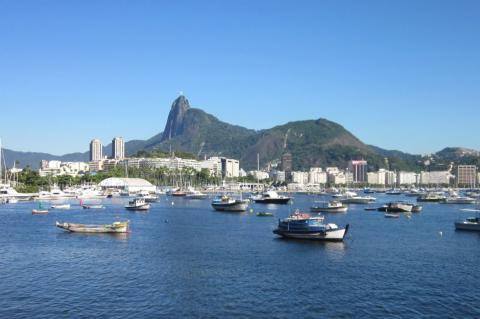
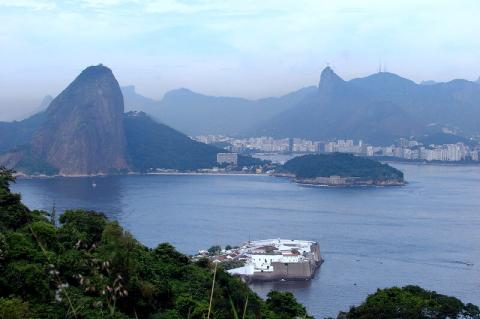
Guanabara Bay in Southeast Brazil is a historically significant coastal landmark. Situated in Rio de Janeiro, it's known for its natural beauty, strategic importance, and bustling life along its shores. Despite being overshadowed by Rio de Janeiro, the bay holds a rich history and ecological significance that warrant closer examination. This overview explores its geographical features, historical context, ecological challenges, and role in Brazil's cultural and economic landscape.

Guardians of the Amazon: The Central Amazon Conservation Complex

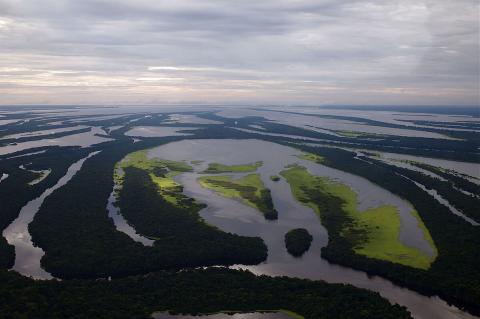
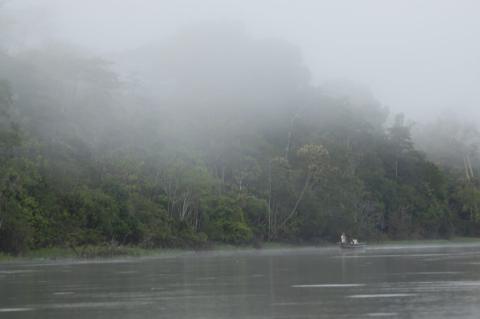
The Central Amazon Conservation Complex is one of Earth's largest and most biologically diverse protected areas. It is located in the heart of the Amazon Basin, west-northwest of Manaus, Brazil; the complex forms the core of the Central Amazon Ecological Corridor. This vast area encompasses some of the most critical ecosystems in Amazonia, representing a wide array of flora and fauna, including numerous endangered and endemic species. This UNESCO World Heritage Site is essential in preserving the ecological integrity of the world's largest tropical rainforest.

Guardians of the Green: Pernambuco's Coastal and Interior Forests

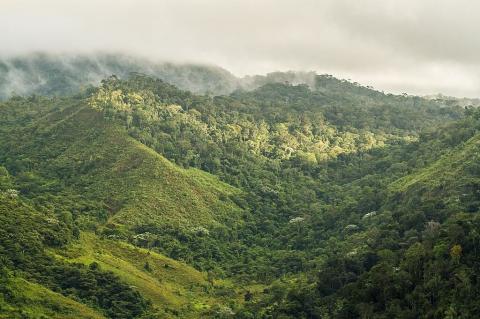
The Brazilian state of Pernambuco, located in the northeastern part of the country, is home to two distinct but ecologically significant ecoregions: the Pernambuco Coastal Forests and the Pernambuco Interior Forests. These ecoregions are vital to Brazil's Atlantic Forest, one of the world's most diverse and endangered ecosystems. Characterized by unique flora and fauna, these forests are crucial for biodiversity conservation, climate regulation, and sustaining local communities.

Guardians of the Sky: The Majestic Mount Roraima and Pacaraima Mountains

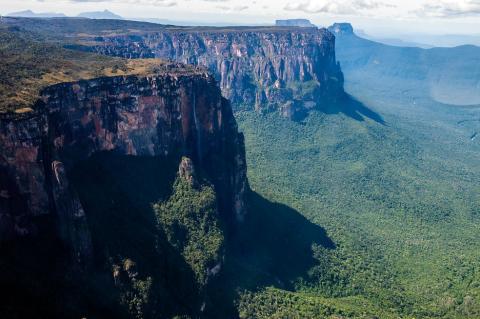
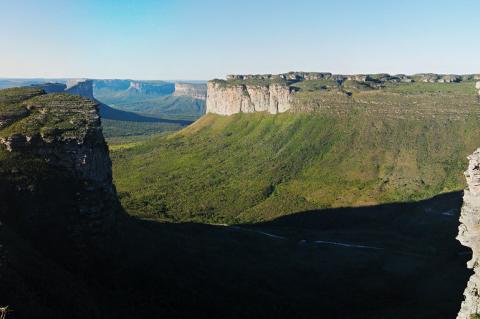
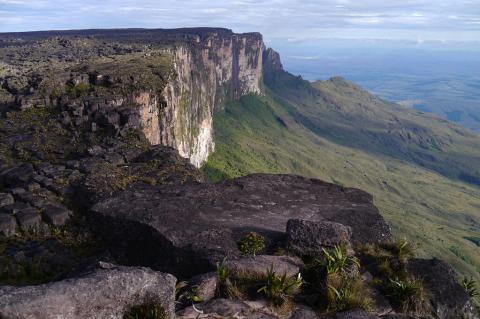
Mount Roraima and the Pacaraima Mountains represent some of South America's most awe-inspiring and geologically significant landscapes. With their unique ecosystems and dramatic geological features, these towering tepui plateaus hold a central place in the natural heritage of Venezuela, Guyana, and Brazil. Their geographical, ecological, and cultural significance highlights their unique characteristics and the rich biodiversity they support.

Guiana Highlands: Islands in the Sky, Emerald Heart of a Continent

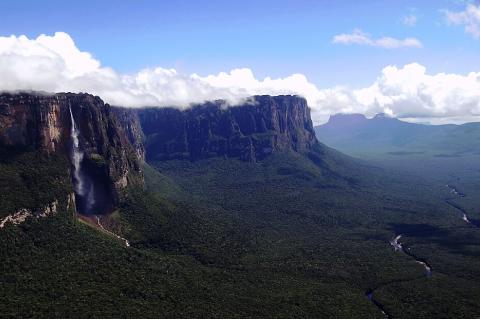
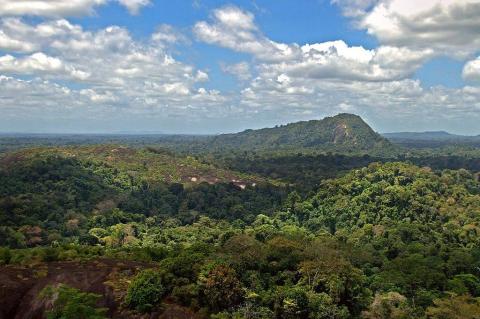
Nestled within the ancient Guiana Shield, the Guiana Highlands are a dramatic and biodiverse realm that extends across the southern half of Venezuela, encompassing the Guianas (Guyana, Suriname, and French Guiana), the northern reaches of Brazil, and the southeasternmost portions of Colombia. This expansive region covers an impressive area, forming a sprawling and captivating canvas of undulating lowlands, densely forested slopes, and the iconic, towering plateaus that define its character.

Gurupá Várzea: A Transition Zone Between River and Forest

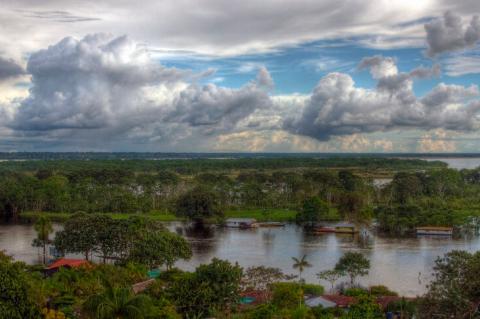
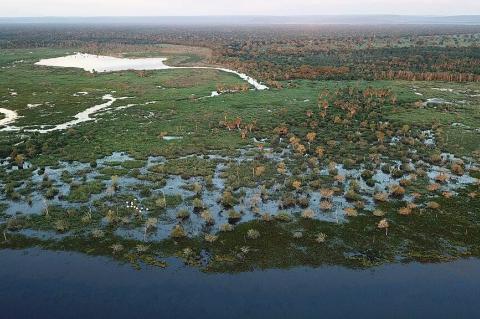
The Gurupá várzea is a remarkable ecoregion within the Amazon biome, defined by its seasonal flooding and lush forests along the lower Amazon River. Situated between the Tapajós and Xingu rivers, this várzea covers a vast area and plays a crucial ecological role in the region. It is a transitional zone between moist forest ecoregions, connecting the Tapajós-Xingu moist forests to the south with the Uatuma-Trombetas moist forests to the north.

Historic Town of Ouro Preto: The Heart of Brazil's Colonial Heritage

Nestled within the Brazilian Highlands, the historic town of Ouro Preto in Minas Gerais is a testament to Brazil's rich colonial history and architectural grandeur. This UNESCO World Heritage site is renowned for its well-preserved colonial architecture, cultural heritage, and artistic legacy. Founded in 1698 and once the capital of Minas Gerais, Ouro Preto played a pivotal role during the Brazilian Gold Rush, transforming it into a prosperous center of wealth and culture.

Iguaçu Falls: Brazil’s Thunderous Natural Wonder

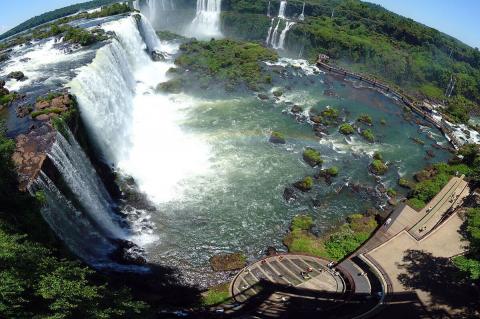
Iguaçu Falls is one of the world's most magnificent natural spectacles. Located at the border between Brazil and Argentina, the falls are part of the Iguaçu River, which plunges dramatically over the Paraná Plateau before continuing through a canyon. Featuring around 275 individual waterfalls, Iguaçu Falls is nearly three times wider than North America's Niagara Falls and significantly broader than Victoria Falls in Africa. The falls are a UNESCO World Heritage Site, attracting millions of visitors annually to witness their awe-inspiring beauty and ecological significance.