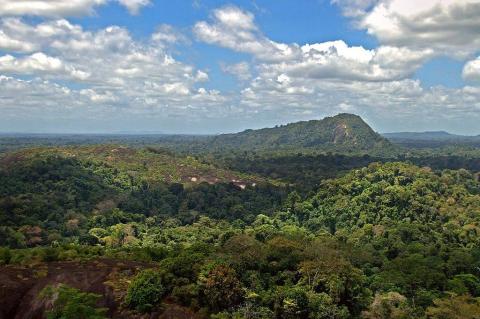
Brazil

The Atlantic Dry Forests of Brazil: Biodiversity and Conservation

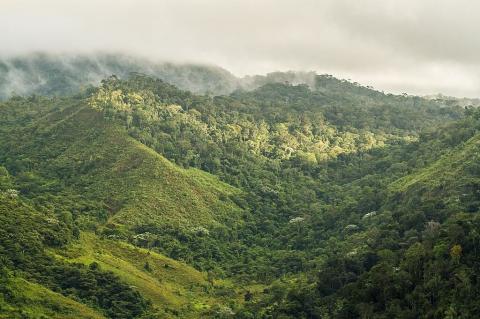
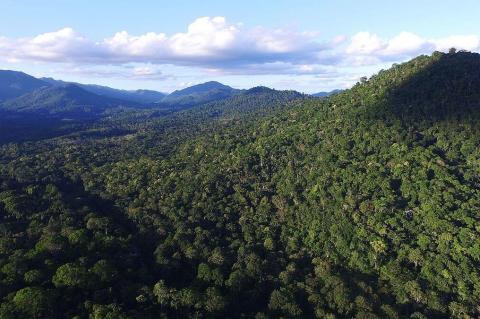
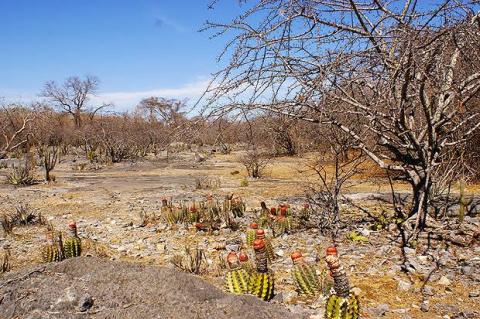
The Atlantic dry forests of Brazil are an extraordinary ecoregion characterized by their unique flora and fauna, complex climate, and significant ecological importance. Spanning the coastal regions of northeastern Brazil, these forests are a crucial component of the Atlantic Forest biome. They are renowned for their biodiversity and the critical ecological functions they perform.

The Borborema Plateau: Where Arid Landscapes and Diverse Ecosystems Converge

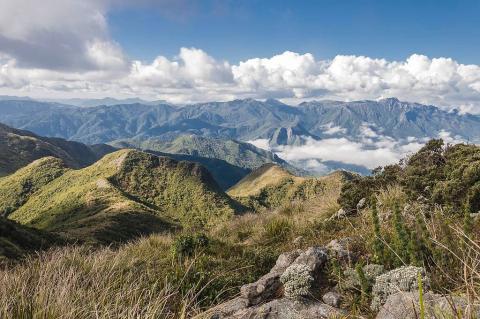
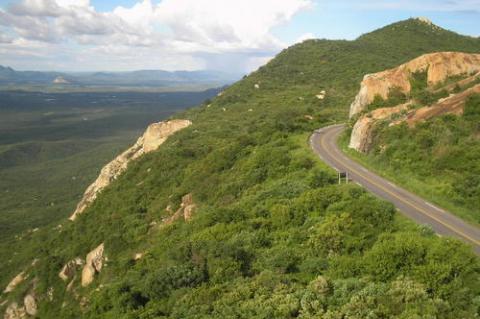
The Borborema Plateau, also known as the Serra da Borborema or Borborema Mountains, rises majestically in Brazil's northeastern region. This expansive and rugged plateau spans across the states of Alagoas, Pernambuco, Paraíba, and Rio Grande do Norte, forming the northeasternmost part of the Brazilian Highlands. It acts as a natural barrier against the moisture-laden winds coming from the Atlantic Ocean.

The Brazilian Highlands: Geological Foundation of a Continental Giant

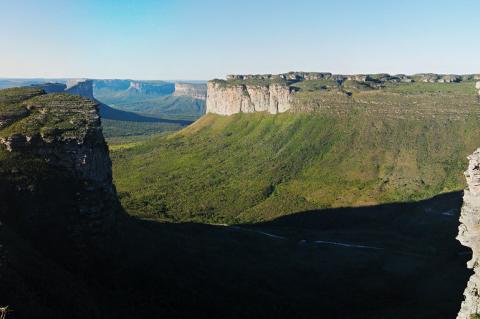
The Brazilian Highlands (Planalto Brasileiro) constitute South America's most extensive plateau system, covering approximately 4.5 million square kilometers (1.74 million square miles) and serving as Brazil's geological backbone. This ancient landform influences continental weather patterns, harbors critical biodiversity hotspots, supports over 190 million inhabitants, and provides the geological foundation for Brazil's emergence as a global agricultural and mining powerhouse.

The Cerrado Biosphere Reserve: A Jewel of Brazilian Biodiversity

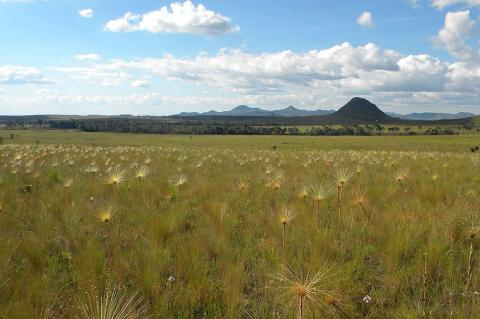
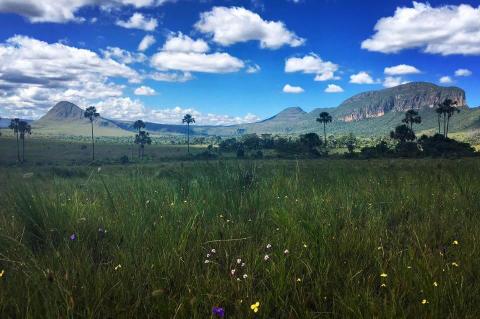
The Cerrado Biosphere Reserve, spanning across the Brazilian states of Goiás, Tocantins, Maranhão, Piauí, Bahia, Minas Gerais, São Paulo, Mato Grosso, Mato Grosso do Sul, and the Federal District, encompasses the vast and diverse Cerrado biome, what scientists consider the world's most biodiverse savanna and one of Earth's oldest tropical ecosystems. This UNESCO-designated reserve covers nearly a quarter of Brazil's land area—making it one of the world's largest biosphere reserves and highlighting the country's extraordinary natural heritage and ecological significance.

The Cerrado Protected Areas: Preserving the Biodiversity Jewel of Brazil

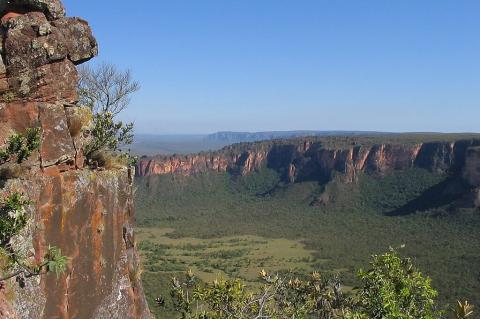
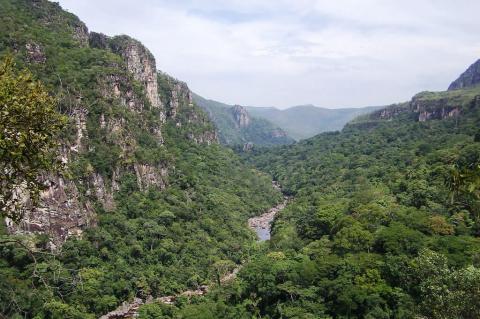
Nestled within Brazil's Central-West region lies an ecological treasure of global significance: the Cerrado Protected Areas, a UNESCO Site encompassing Chapada dos Veadeiros and Emas National Parks. These complementary protected areas safeguard the world's oldest and most biodiverse tropical savanna, representing humanity's most important stronghold for preserving the remarkable evolutionary heritage of the Cerrado biome. Located on Brazil's ancient central plateau, these parks preserve contrasting landscapes that together showcase the full spectrum of Cerrado biodiversity.

The Chiquitano Dry Forests: A Biodiverse Haven

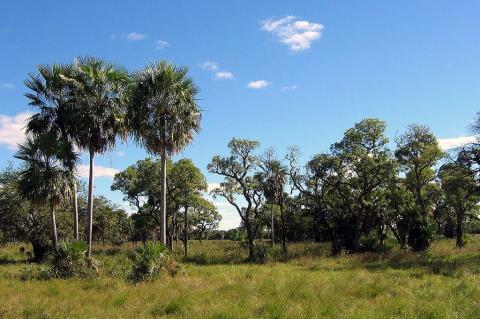
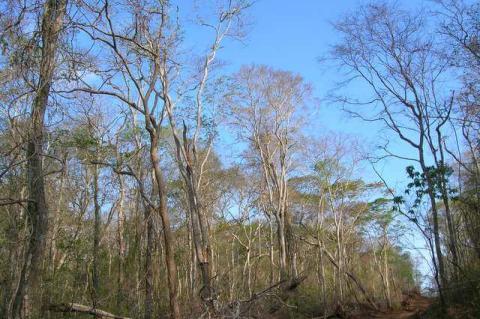
Nestled in the heart of eastern Bolivia and extending into western Brazil, the Chiquitano dry forests ecoregion is a unique and biodiverse haven characterized by its distinct vegetation and remarkable adaptation to a semi-arid climate. This ecoregion is a tapestry of dry forests, savannas, and gallery forests, providing a glimpse into nature's resilience and the intricate interplay between flora and fauna.

The Dry Chaco: A Realm of Resilience, Where Life Thrives Against the Odds

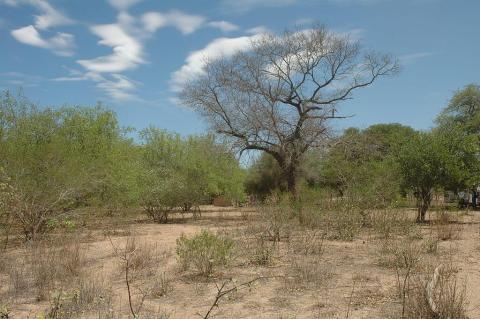
The Dry Chaco ecoregion, the arid part of the Gran Chaco, spans western Paraguay, northern Argentina, southeastern Bolivia, and a small area of Brazil. This lowland, mainly in the rain shadow of the Central Andes, features a landscape shaped by limited rainfall, intense solar radiation, and extreme seasonal temperatures. Rather than a barren wasteland, the Dry Chaco showcases a unique biodiversity of plants and animals that have evolved remarkable adaptations to thrive in this challenging environment.

The Federal District of Brazil: A Political and Cultural Hub

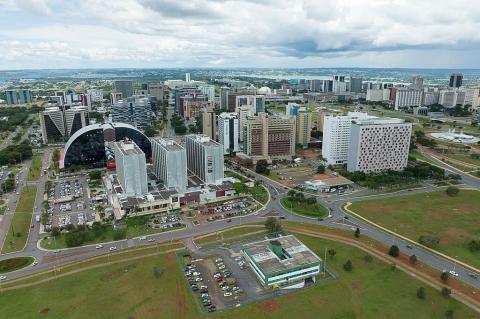
The Federal District of Brazil, known as Distrito Federal, is a unique administrative region that plays a pivotal role in the nation's governance and identity. Established as the capital of Brazil, Brasília exemplifies modern urban planning and serves as the epicenter of political activity in the country. The Federal District stands out as a vital component of Brazil's national narrative with a distinct blend of history, governance, economy, and cultural richness.

The Guaraní Aquifer System: South America's Hidden Ocean and the Future of Freshwater Security

Deep beneath four South American nations lies the Guaraní Aquifer System (GAS), one of Earth's most remarkable geological treasures. Spanning 1.2 million square kilometers of Argentina, Brazil, Paraguay, and Uruguay, it creates an underground hydrological empire rivaling the Mediterranean Sea. Named after the Indigenous Guaraní people, this aquifer system represents far more than a simple water source—it embodies the interconnected destiny of four nations and serves as a critical bulwark against regional water insecurity in an era of climate uncertainty.

The Guiana Shield: A Billion-Year Legacy of Stone and Life

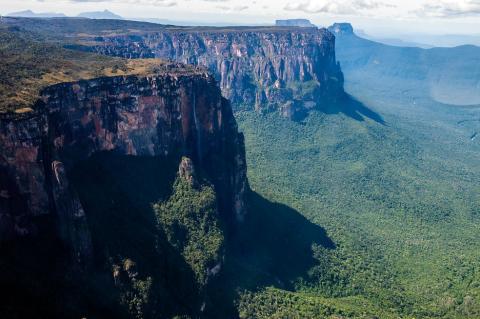
Draped across the northeastern corner of South America, the Guiana Shield stands as a profound testament to the Earth's deep history, a geological and ecological symphony played out over eons. Forged in the fiery depths of the Precambrian eon, dating back an astonishing 1.7 billion years, this ancient geological formation forms a stable craton, a foundational block of the South American Plate, shaping the very bedrock and landscapes of Guyana, Suriname, French Guiana, Venezuela, Colombia, and Brazil.