Brazil

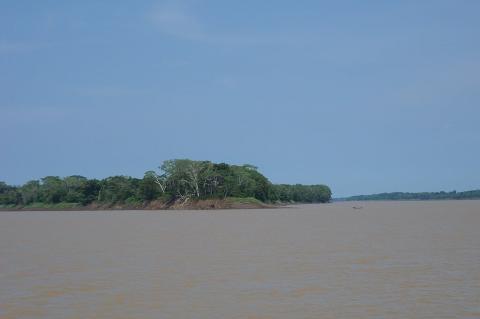
The Heart of the Amazon: Life in the Purus Várzea

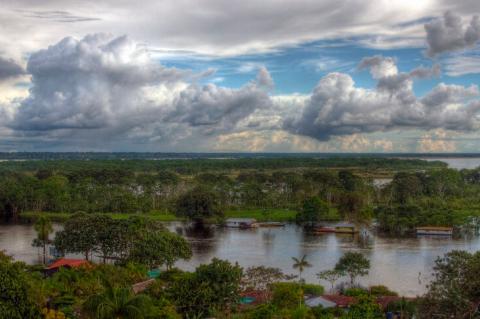
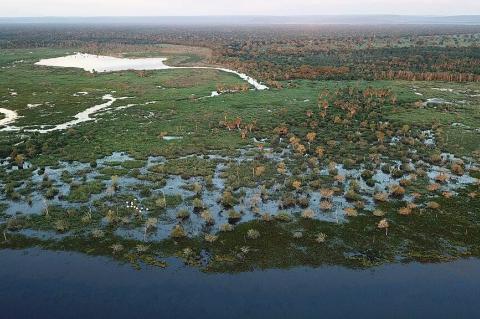
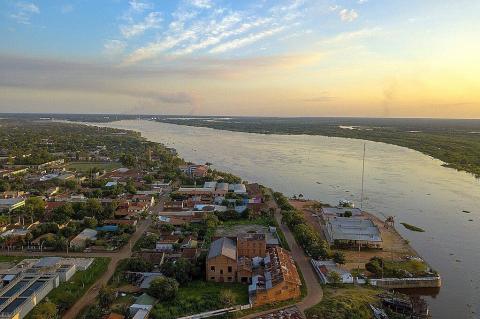
The Purus Várzea is one of the Amazon Basin's most extensive and ecologically rich várzea ecosystems. This ecoregion spans parts of Brazil's central Amazon, extending across the floodplains of the Purus River and its tributaries. Located primarily within the Brazilian states of Amazonas and Acre, the Purus Várzea is nestled between the Madeira River to the east and the Juruá River to the west, making it an integral part of the central Amazon's vast aquatic landscape.

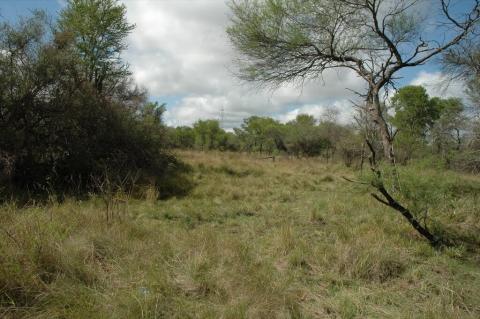
The Humid Chaco: A Realm of Green and Water, Where Life Flourishes in Abundance

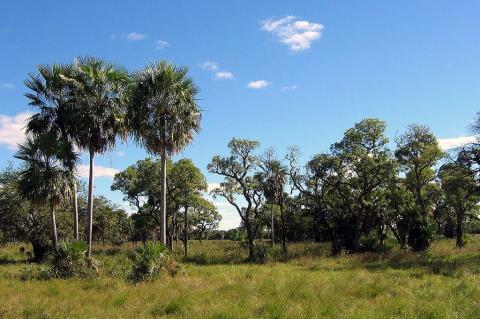
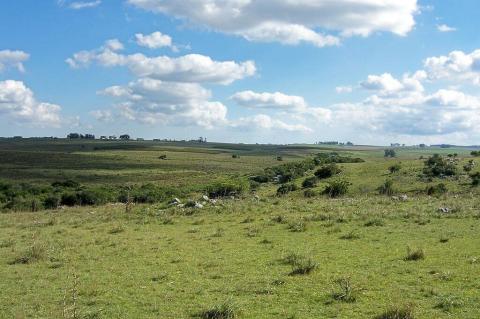
The Humid Chaco ecoregion, the eastern counterpart to the drier expanses of the Gran Chaco, stretches across eastern Paraguay, northeastern Argentina, and a small portion of southeastern Brazil. In contrast to the aridity that defines its western neighbor, the Humid Chaco is characterized by higher rainfall, more fertile soils in certain areas, and a greater abundance of surface water. This results in a landscape teeming with diverse forests, expansive savannas that experience seasonal flooding, and intricate riparian ecosystems.

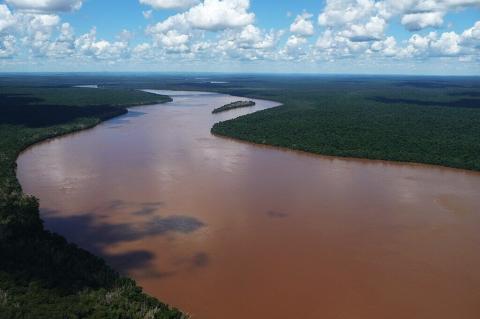
The Iguazú River: A Natural Wonder of South America

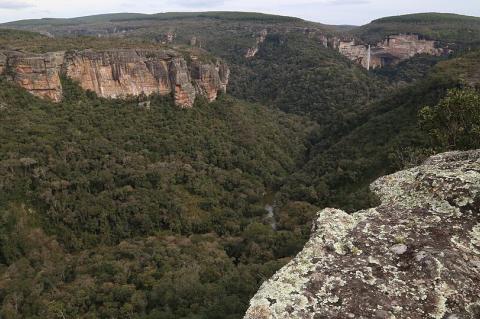
The Iguazú River, one of South America's most remarkable waterways, is a vital natural feature that traverses the landscapes of Brazil and Argentina. Renowned for its breathtaking Iguazú Falls, the river is a critical component of the region's hydrological system, supporting diverse ecosystems and serving as an essential resource for local communities. Originating in the Serra do Mar coastal range, the river winds through lush forests and rugged terrain before culminating in a dramatic series of cascades.

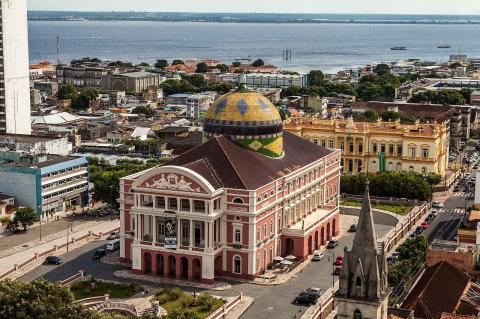
The Magnificent Teatro Amazonas: A Jewel in the Heart of the Amazon

Deep within the lush embrace of the Amazon Rainforest stands the remarkable Teatro Amazonas, a testament to human ingenuity and artistic expression. It took over 15 years to construct the theater, with artists, designers, and materials imported from Europe, to create a one-of-a-kind cultural institution. This iconic opera house, situated in the bustling city of Manaus, Brazil, is a true architectural masterpiece. Its grand neo-classical façade and exquisite interiors captivate all who enter its doors.

The Mata Atlântica Biosphere Reserve: Brazil's Crown Jewel of Atlantic Forest Conservation

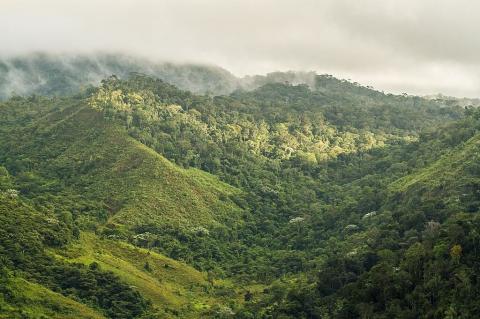
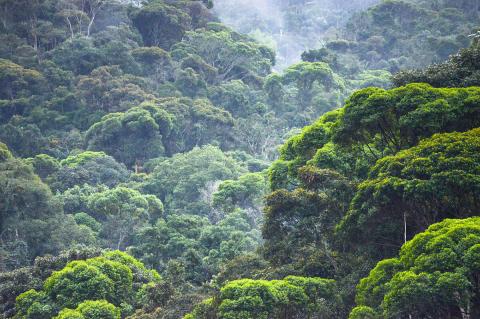
Brazil's Mata Atlântica Biosphere Reserve is one of the world's most ambitious conservation projects, safeguarding the remaining critically endangered Atlantic Forest. As Brazil's first biosphere reserve, this vast network covers 14 states and extends along Brazil's Atlantic coast from Ceará in the northeast to Rio Grande do Sul in the south. What makes this reserve remarkable is its innovative approach to conservation in one of the world's most densely populated areas, where over 120 million Brazilians live alongside some of the planet's most endangered ecosystems.

The Pantanal Biosphere Reserve: A Vast Wetland Oasis in the Heart of Brazil

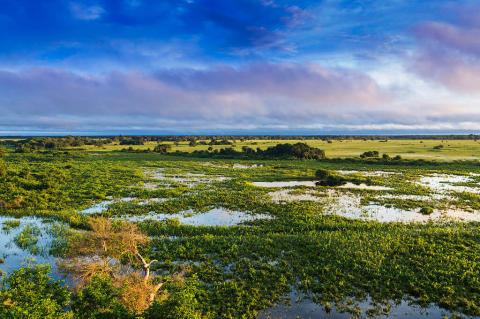
Nestled in the heart of South America, the Pantanal Biosphere Reserve stands as a testament to Brazil's incredible natural wonders. This expansive protected area, spanning the states of Mato Grosso, Mato Grosso do Sul, and a small portion of Goiás, encompasses one of the world's most extensive wetland complexes. It is a dynamic and diverse ecosystem that has captivated ecologists, conservationists, and nature enthusiasts alike.

The Paraguay River: Lifeline of South America

The Paraguay River, South America's fifth-largest river, is vital for the continent's southern regions. From its source in Brazil to its confluence with the Paraná River in Argentina, the river flows through Brazil, Paraguay, and Argentina. The river not only serves as a critical geographical feature but also demarcates national borders and influences the livelihoods of millions, making it one of the most significant waterways on the continent. It is crucial in maintaining biodiversity, especially in the Pantanal, one of the world's most ecologically diverse wetlands.

The Paraná River: Lifeblood of South America

The Paraná River is an extraordinary natural feature, the second-longest river in South America after the Amazon. It traverses Brazil, Paraguay, and Argentina. Originating in southern Brazil, the Paraná River flows generally southward until it merges with the Uruguay River to form the Río de la Plata at the border of Argentina and Uruguay. This extensive river system and its encompassing basin play crucial roles in the region's environmental, economic, and cultural landscapes.

The Paranapanema River: From Source to Confluence

The Paranapanema River is one of the most significant rivers in southeastern Brazil. Originating in the Serra do Paranapiacaba and flowing westward until it meets the Paraná River, it traverses a rich and varied landscape. It is a crucial water source for numerous ecosystems and a vital component of the region’s economy, supporting agriculture, hydropower, and local communities.

The Parima Mountains: A Natural and Cultural Frontier in South America

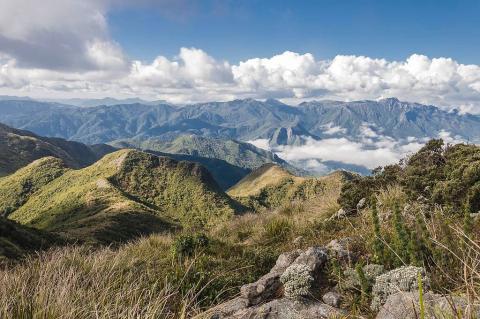
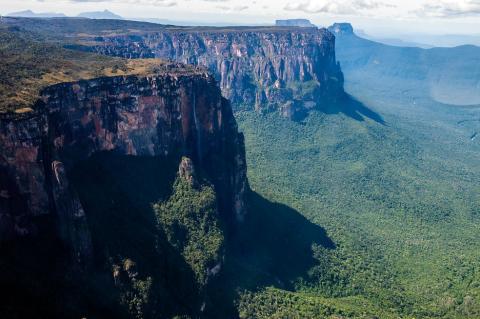
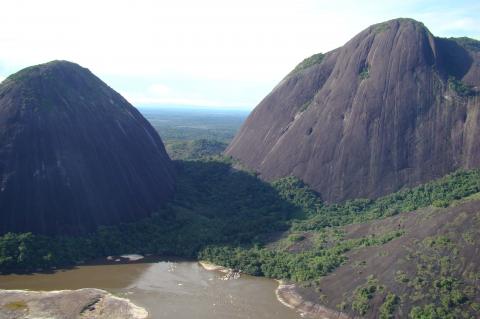
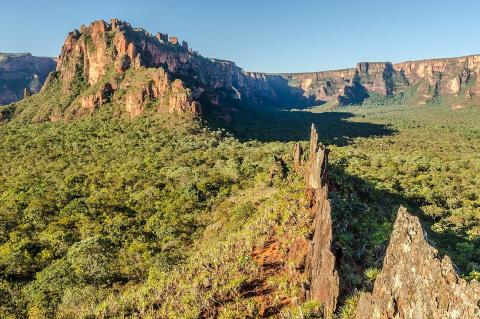
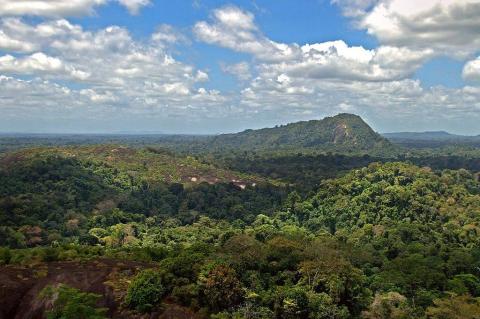
The Parima Mountains, located on the border of Venezuela and Brazil, are a remote and ecologically rich region. They are part of the Guiana Shield and are significant due to their untouched beauty, biological diversity, and role as the source of the Orinoco River. The mountains hold deep cultural significance as the homeland of Indigenous peoples, particularly the Yanomami, yet they remain largely hidden from the world's view.