Brazil

Serra de Paranapiacaba: Where Engineering Meets Wilderness

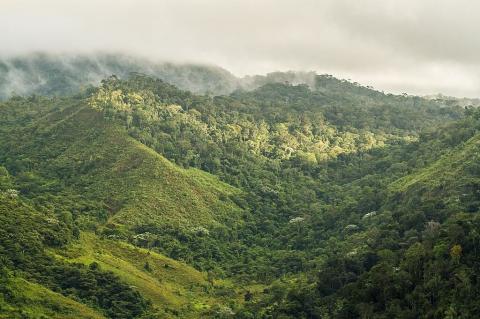
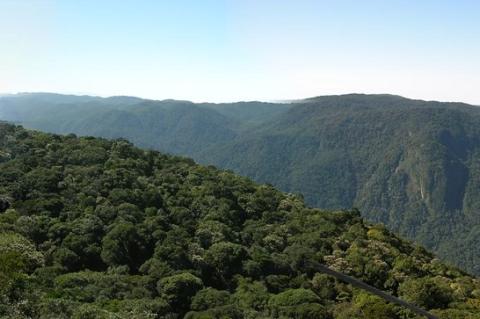
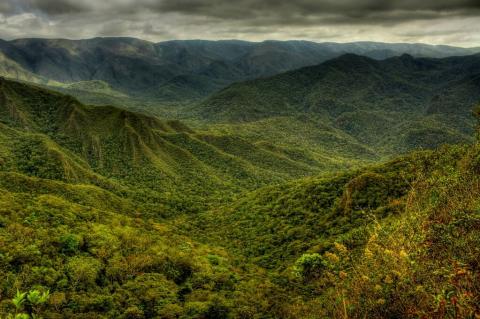
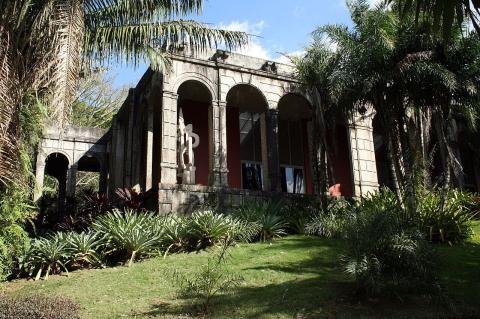
Rising from the Atlantic coastal plains like a great green fortress, the Serra de Paranapiacaba represents one of the most dramatic and historically significant sections of Brazil's Serra do Mar mountain system. This magnificent escarpment has served as both an imposing natural barrier and a gateway to Brazil's interior, forever linking human ambition with the raw power of nature itself. The range showcases how human innovation and natural preservation can coexist in one of Brazil's most historically and ecologically significant landscapes.

Serra do Divisor: Brazil's Gateway to Amazonian Wilderness

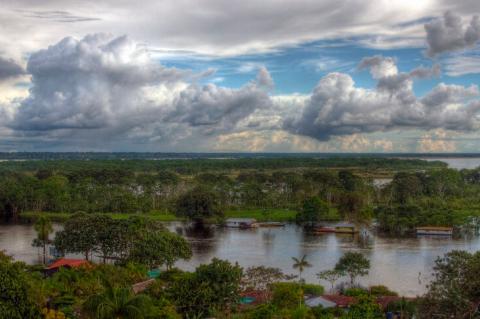
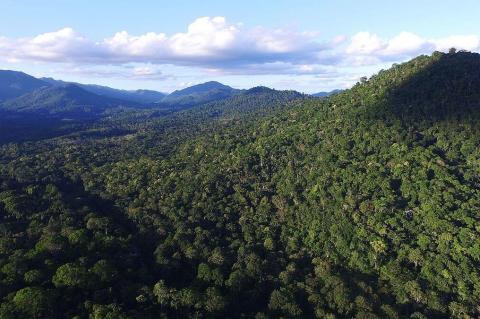
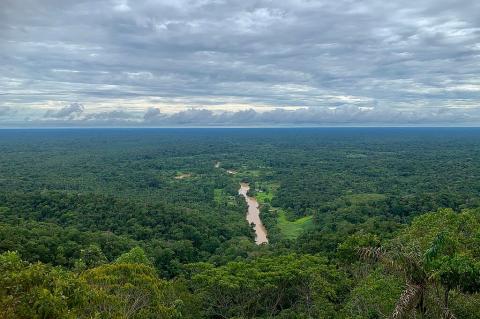
Serra do Divisor National Park, located in the westernmost part of Brazil, is a significant conservation area within the Amazon rainforest near the border with Peru. This protected area is part of the Serra do Divisor mountain range, which forms a natural boundary between Brazil and Peru. Together with the adjoining Serra del Divisor National Park in Peru, it constitutes one of the largest contiguous blocks of protected areas in the Amazon basin.

Serra do Espinhaço: Brazil’s Mountain of Riches and Biodiversity

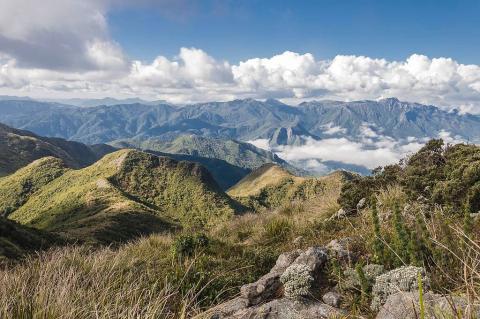
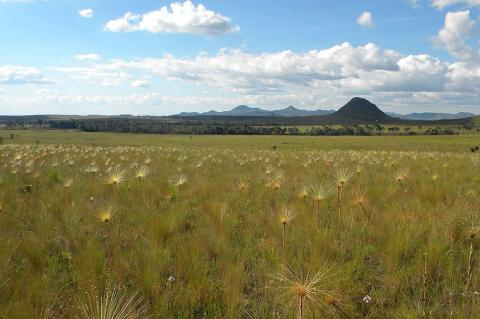
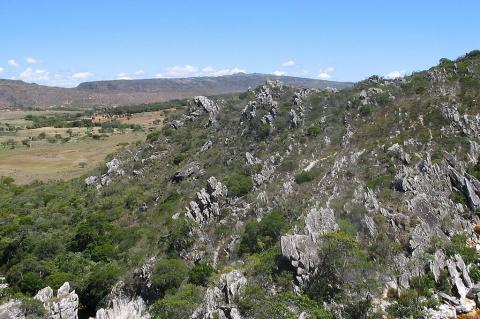
The Serra do Espinhaço is a mountain range that stands as a natural marvel in Brazil, stretching through Minas Gerais and Bahia. Known for its rich mineral deposits and unique ecosystems, the Serra do Espinhaço plays a vital role in the country's environmental and cultural fabric. Known for its rich mineral deposits and unique ecosystems, the range's significance is underscored by its designation as a Biosphere Reserve, which highlights its importance in preserving Brazil's natural heritage.

Serra do Gandarela National Park: A Biodiverse Haven in Brazil's Iron Quadrangle

In the heart of Brazil's mineral-rich Iron Quadrangle region lies the Serra do Gandarela National Park. Established in 2014, this sanctuary in Minas Gerais is famed for its biodiversity. With rugged mountains, lush forests, and crystal-clear rivers, it's a haven for outdoor enthusiasts and researchers. The park safeguards endangered species and serves as a vital water source for Belo Horizonte and its surrounding area, showcasing Brazil's dedication to conservation.

Serra do Mar: Brazil's Emerald Escarpment

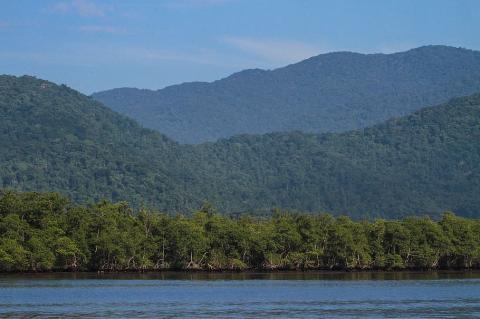
Along Brazil's southeastern Atlantic coast, where the azure ocean meets the verdant mountains, rises one of South America's most spectacular geological formations. The Serra do Mar stretches for approximately 1,500 kilometers (930 miles), forming a dramatic backdrop that has shaped both the landscape and the destiny of Brazil. From the misty highlands of Espírito Santo in the north to the rugged coastlines of Santa Catarina in the south, this ancient mountain system forms an almost continuous barrier between Brazil's interior plateau and the Atlantic Ocean.

Serra dos Órgãos: An Ecological Jewel of Brazil's Atlantic Forest

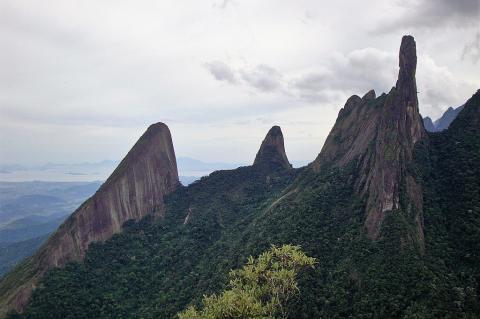
Rising majestically from Rio de Janeiro's coastal plains, the Serra dos Órgãos offers one of Brazil's most spectacular mountain landscapes. Named for its granite spires resembling cathedral organ pipes, this range is part of the Serra do Mar system, creating a dramatic backdrop that has fascinated visitors and scientists for centuries. From the bustling metropolis of Rio de Janeiro, these peaks appear as mystical silhouettes against the sky, their jagged profiles like ancient monuments to Brazil's geological forces.

Serra Furada: Guardians of the Atlantic Forest's Future

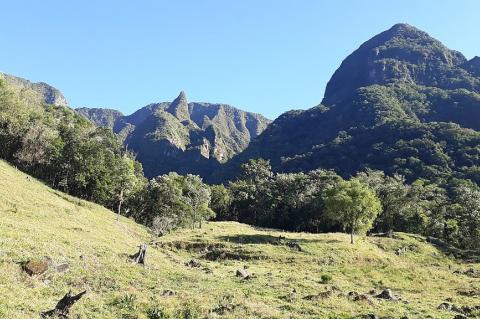
Serra Furada State Park, located in the Brazilian state of Santa Catarina, is a hidden gem of the Atlantic Forest biome. Spanning the municipalities of Orleans and Grão Pará, the park was established to protect its unique and diverse ecosystems. Nestled in the densely forested mountain region of the Serra Geral escarpment, Serra Furada is a vital part of the core zone of the Mata Atlântica Biosphere Reserve, playing a crucial role in the conservation of rare and endangered species and the regeneration of local forests.

Sete Cidades and Serra da Ibiapaba: Preserving Brazil's Natural Wonders

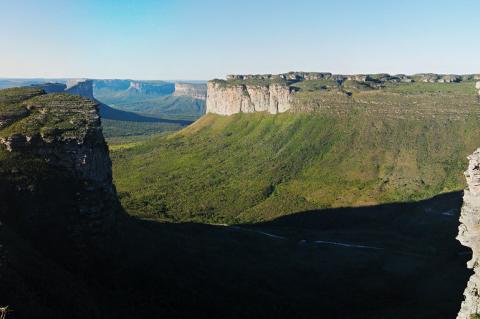
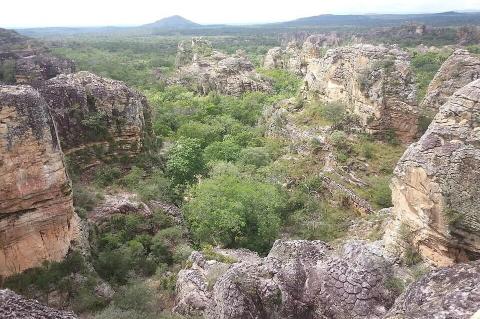
In the heart of Brazil's northeastern region, two remarkable landscapes showcase the country's vast ecological and geological diversity. Sete Cidades National Park and the Serra da Ibiapaba Environmental Protection Area are more than just protected areas—they are windows into the intricate relationships between flora, fauna, and the land itself. These areas are home to unique ecosystems, dramatic rock formations, and species that exist nowhere else on Earth.

The Amapá Biodiversity Corridor: Safeguarding the Amazon's Ecological Treasures

Nestled in northern Brazil, the Amapá Biodiversity Corridor is a testament to the country's commitment to protecting its invaluable natural heritage. This expansive ecological corridor, spanning over 10 million hectares and encompassing 72% of the state of Amapá, is a true conservation success story. It integrates a network of protected areas and indigenous lands to safeguard the region's exceptional biodiversity.

The Arid Diagonal: South America's Great Drylands

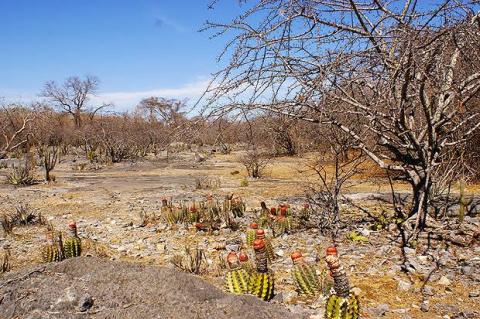
South America's Arid Diagonal is a vast belt of arid and semi-arid ecosystems extending from coastal Peru to southeastern Argentina and northeastern Brazil. The region encompasses diverse desert systems, including the hyperarid Atacama, the ENSO-influenced Sechura, the biodiverse Monte, the wind-swept Patagonian Desert, and the high-altitude Puna. Despite extreme aridity, the diagonal harbors remarkable biodiversity with high endemism levels, particularly in transition zones, though it faces conservation challenges from overgrazing, mining, agricultural expansion, and climate change.