Brazil

Iquitos Várzea: A Flooded Wonderland

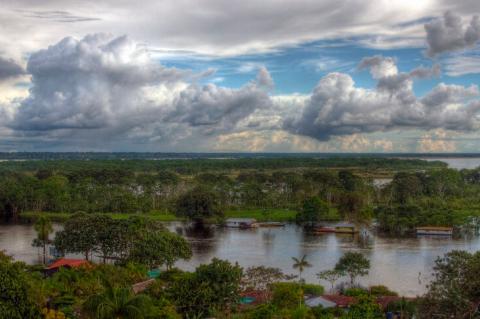
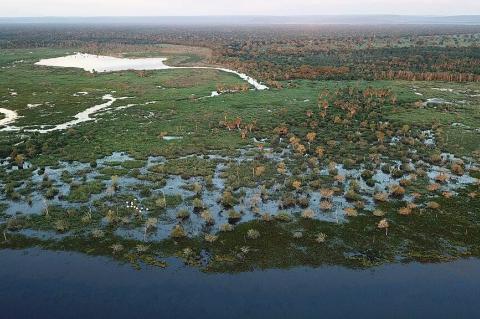
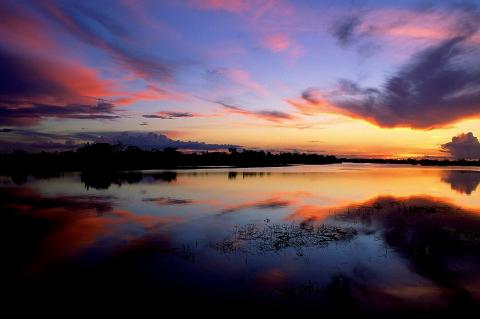
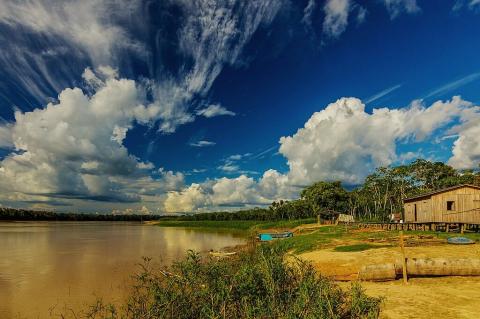
The Iquitos várzea is a remarkable floodplain ecosystem in the upper Amazon Basin. It extends across the Amazon, Ucayali, Marañon, and Madre de Dios rivers in northeastern Peru and into northern Bolivia and northwestern Brazil. This vast region is an iconic example of the várzea ecosystem, where seasonal flooding is crucial in shaping the landscape and sustaining its diverse plant and animal life.

Itaipu: Powering Progress, Preserving Nature

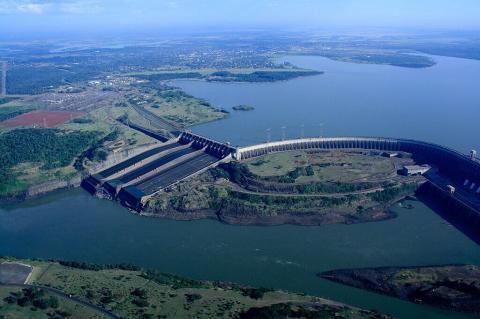
The Itaipu Dam, a colossal feat of engineering, is situated on the Paraná River at the border of Brazil and Paraguay. Recognized as one of the largest hydroelectric power plants in the world by installed capacity, Itaipu serves as a critical energy source for both nations while symbolizing international cooperation and technological achievement. The Itaipu Reservoir, created by the dam, stretches across a vast area, supporting energy production, water management, and biodiversity.

Itatiaia National Park: Brazil's First and Finest Natural Sanctuary

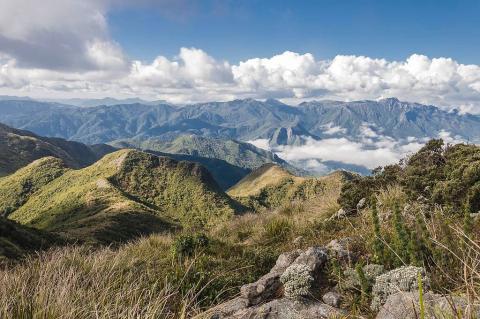
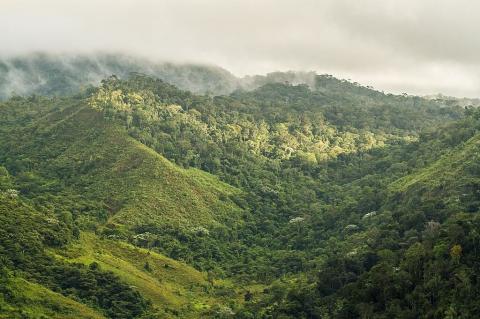
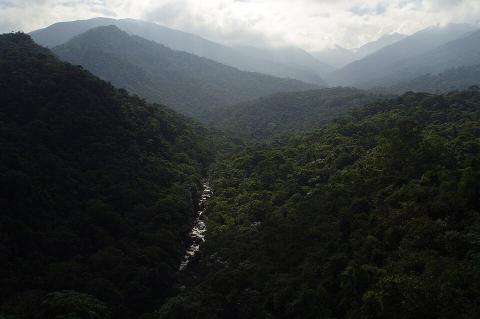
Itatiaia National Park, Brazil's first, offers a glimpse into the country's rich biodiversity and stunning landscapes. Nestled in southeastern Brazil, straddling the states of Rio de Janeiro and Minas Gerais, Itatiaia is a testament to conservation efforts and the natural beauty of the Atlantic Forest and high mountain plains. Exploring the park's history, geography, ecological significance, and diverse flora and fauna reveals its unique value and allure.

Jalapão State Park: Brazil's Oasis of Natural Beauty

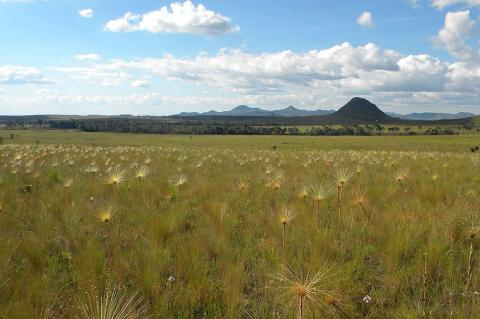
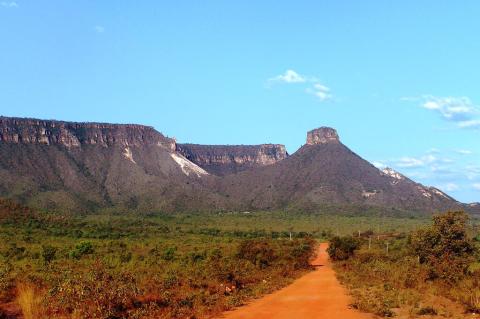
Jalapão State Park, nestled in the heart of Brazil's Tocantins state, is a testament to the country's rich natural heritage. This expansive protected area, renowned for its unique landscapes and biodiversity, attracts adventurers and nature enthusiasts from around the globe. Located within the Cerrado biome, the park conserves Brazil's natural heritage, serving as a sanctuary for endangered species and fragile ecosystems.

Jaú National Park: A Vast and Untouched Amazonian Wilderness

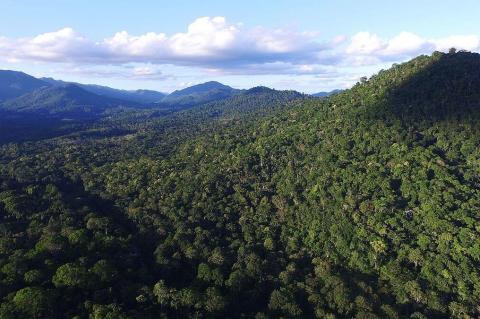
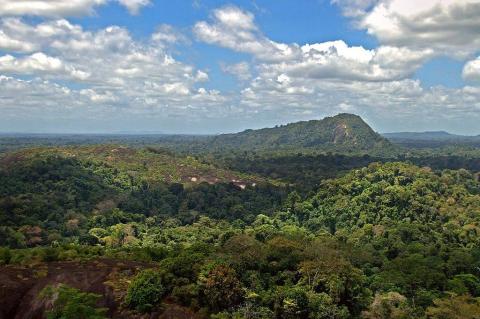
Jaú National Park is one of Brazil's largest and most pristine protected areas in the heart of the Amazon rainforest. Situated in the Amazonas region of northwestern Brazil and recognized as a UNESCO site, Jaú National Park forms part of the Central Amazon Conservation Complex. This vast ecological corridor supports one of the richest biodiverse environments on Earth. This park offers an invaluable refuge for countless species of flora and fauna while playing a crucial role in global conservation efforts.

Jesuit Missions of the Guaranis: A Cultural Convergence in South America

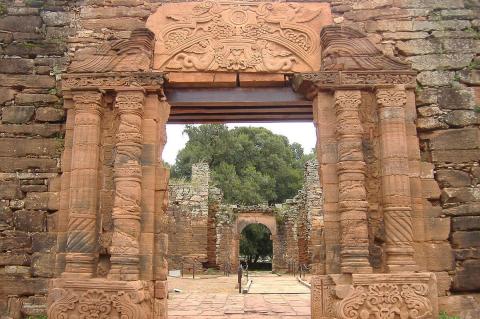
The Jesuit Missions of the Guaranis, located in Argentina and Brazil, showcase the convergence of European and indigenous cultures during the 17th and 18th centuries. These settlements, founded by the Society of Jesus, aimed to Christianize and integrate the Guaraní people into a religious and cultural system that remains a testament to harmonious coexistence. This chapter of history is marked by remarkable architecture, cultural exchange, and a legacy that has earned recognition as a UNESCO World Heritage Site.

Journey Through the Dunes: Lençóis Maranhenses National Park

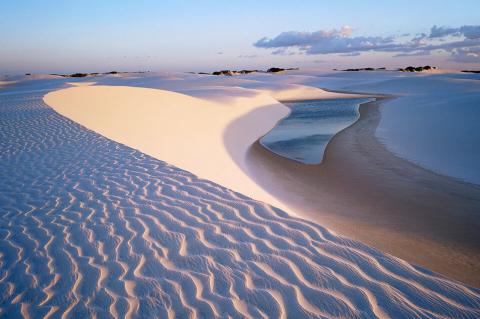
Located in Brazil's northeastern region, Lençóis Maranhenses National Park is a captivating example of nature's artistry and resilience. Extending across a vast expanse in Maranhão state, this protected area and UNESCO World Heritage Site encompasses a diverse range of landscapes, including windswept dunes, seasonal lagoons, and verdant oases. Exploring the mysteries of this unique ecosystem involves delving into its dynamic terrain and rich biodiversity.

Juruá River: A Meandering Giant of the Amazon

The Juruá River, one of the longest and most winding tributaries of the Amazon River, is a crucial component of the Amazon Basin's intricate hydrological network. Originating in the highlands of Peru and snaking its way through the lowlands of Brazil, the Juruá River plays a vital role in shaping the region's ecology, supporting diverse ecosystems, and influencing the lives of those who inhabit its banks.

Lagoa dos Patos: South America's Largest Lagoon

Lagoa dos Patos, located in southern Brazil, is the largest lagoon in South America and a remarkable example of nature's diversity and grandeur. This lagoon is a dynamic ecosystem shaped by the interplay of freshwater rivers, brackish wetlands, and the nearby Atlantic Ocean. With its immense ecological, economic, and cultural importance, Lagoa dos Patos is more than just a body of water—it is a vital artery supporting the region's biodiversity and livelihoods.

Madeira River: A Lifeline of the Amazon Basin

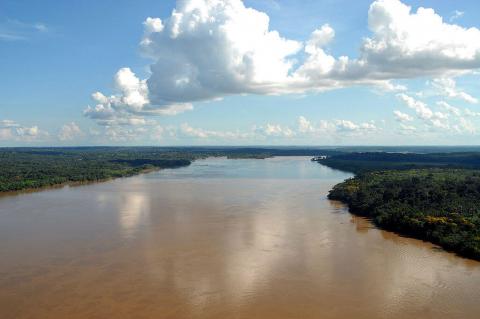
The Madeira River is one of South America's most significant waterways, playing a crucial role in the hydrology of the Amazon Basin. It is the largest and most important tributary of the Amazon River, making it a vital component of the region's ecosystem. Spanning Bolivia and Brazil, this mighty river traverses diverse landscapes and supports an array of flora and fauna, underscoring its importance as both a natural resource and a habitat.