Brazil

Manaus: Gateway to the Amazon

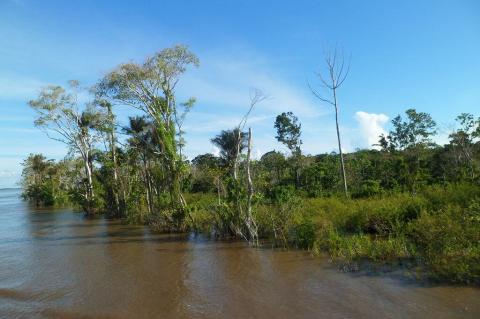
Situated at the confluence of the Negro and Solimões Rivers, Manaus is a vibrant metropolis that serves as the gateway to the Amazon Rainforest. As the capital of the Brazilian state of Amazonas, Manaus is a city of contrasts, where urban life thrives amidst one of the most biodiverse regions on the planet. Known for its historical significance during the rubber boom and its modern role as a hub for eco-tourism and commerce, Manaus offers a unique blend of culture, history, and natural wonders.

Marajó Archipelago: Brazil's Ecological and Cultural Treasure

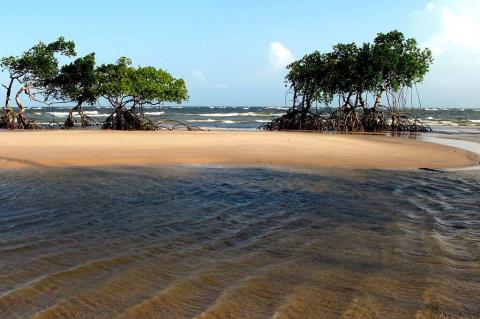
The Marajó Archipelago, the largest fluvial-maritime archipelago on Earth, is a breathtaking expanse in Amapá and Pará in Brazil. This unique and ecologically diverse region stretches from the mouth of the Amazon River to the Atlantic Ocean, encapsulating a myriad of natural wonders and rich cultural history. Renowned for its ecological significance and archaeological treasures, the Marajó Archipelago offers a fascinating glimpse into the intricate interplay between nature and human civilization.

Moconá Falls: A Natural Wonder Along the Uruguay River

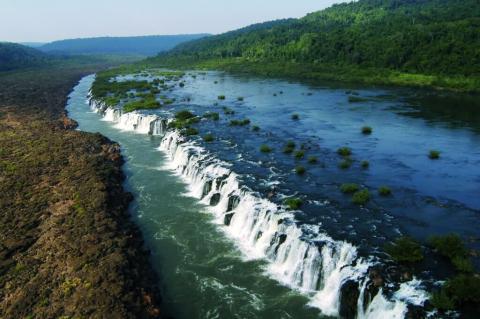
Moconá Falls, located along the Uruguay River on the border between Argentina and Brazil, offers a truly unique and captivating spectacle in the world of waterfalls. Known as Yucumã Falls on the Brazilian side, this natural marvel presents a striking departure from traditional waterfall formations, as its waters run parallel to the river's flow rather than plunging vertically. Nestled within the lush rainforests of Argentina's Misiones Province and Brazil's Rio Grande do Sul, Moconá Falls are part of two adjoining protected areas.

Monte Alegre Várzea: Life in the Floodplains

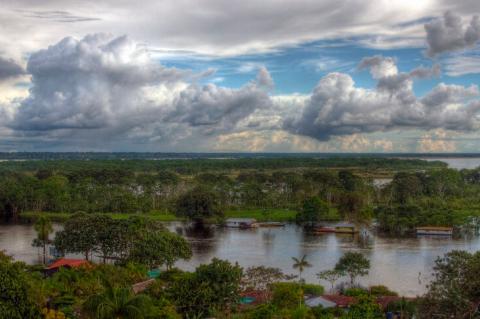
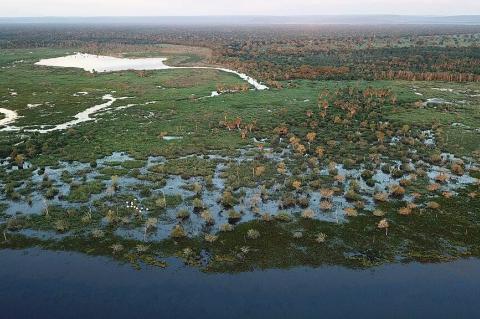
The Monte Alegre Várzea is a unique ecoregion located in the lower Amazon basin in Brazil. It is a critical part of the Amazonian várzea system, characterized by its seasonal flooding, high biodiversity, and ecological importance. Stretching along the Amazon River and its tributaries, this ecoregion plays a pivotal role in supporting a variety of species. It serves as an essential buffer zone within the broader Amazon biome.

Olinda: A Timeless Treasure of Colonial Brazil

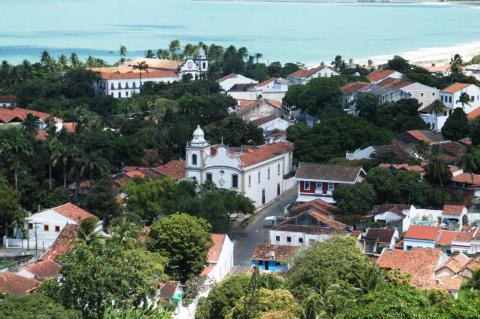
Olinda, a historic town in northeastern Pernambuco, Brazil, captivates visitors with its rich cultural heritage and stunning colonial architecture. Perched on a hill overlooking the Atlantic coast, just a few kilometers north of Recife, Olinda is a treasure trove of history and culture, recognized as a UNESCO World Heritage site. Exploring Olinda reveals its historical significance, architectural marvels, and contemporary cultural landscape

Pampulha Modern Ensemble: Masterpiece of Brazilian Modernism

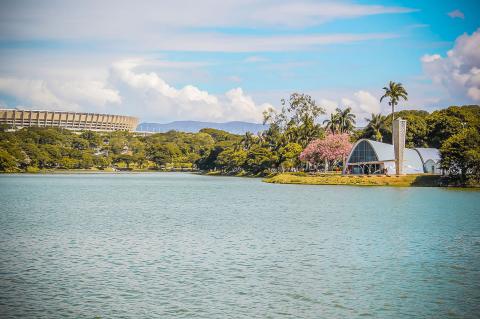
Encircling an artificial lake in Belo Horizonte, the Pampulha Modern Ensemble stands as one of the 20th century's most influential architectural achievements. Created in 1940, this cultural and leisure complex represents a pivotal moment when modernist architecture broke free from rigid European orthodoxy to embrace the curves, colors, and climate of Brazil. Through the work of architect Oscar Niemeyer, landscape designer Roberto Burle Marx, and a collaborative team of innovative artists, Pampulha pioneered an organic modernism that would echo throughout Latin America and beyond.

Pantanal Conservation Area: A Sanctuary for Brazil’s Wildlife and Wetlands

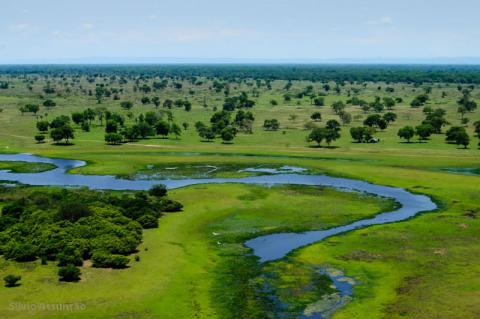
In the heart of centralwestern Brazil lies one of the most biodiverse and awe-inspiring ecosystems on Earth: the Pantanal Conservation Area. It forms part of the vast Pantanal, the world's largest tropical wetland, shared across Brazil, Bolivia, and Paraguay. Designated as a UNESCO site, the Pantanal Conservation Area comprises a protected region network, including the Pantanal Matogrossense National Park and the Special Reserves of Acurizal, Penha, and Doroché. This unique area hosts an astonishing range of wildlife and is critical in ecological processes that sustain life in the wetlands.

Paranaíba River: Lifeblood of Brazil's Cerrado

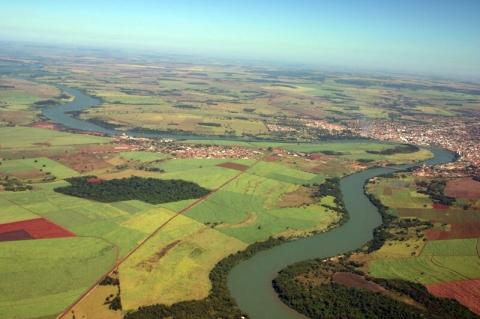
The Paranaíba River is a vital waterway in Brazil, coursing through the expansive Cerrado biome and forming the upper reach of the Paraná River Basin. Known for its ecological diversity, economic importance, and role in shaping regional culture, the Paranaíba River symbolizes Brazil's dynamic interplay between nature and development. From its headwaters in Minas Gerais to its confluence with the Grande River, the Paranaíba is vital to Brazil's environment and economy.

Parque Arqueológico do Solstício: Brazil's Amazonian Stonehenge

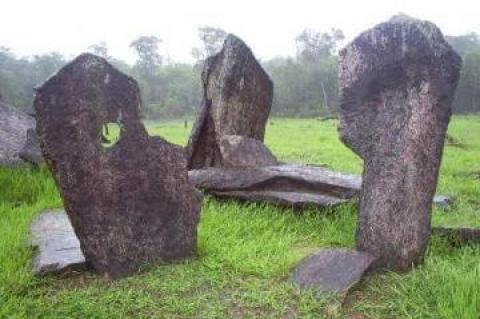
Nestled in the lush landscapes of Amapá state in northern Brazil lies the Parque Arqueológico do Solstício, an enigmatic archaeological site with significant historical and cultural value. Known colloquially as the "Amazon Stonehenge," this pre-Columbian megalithic stone circle offers a glimpse into the sophisticated astronomical knowledge and complex societal structures of ancient indigenous cultures in the Amazon Basin.

Pico da Neblina: Brazil's Pinnacle of Wilderness and Cultural Heritage

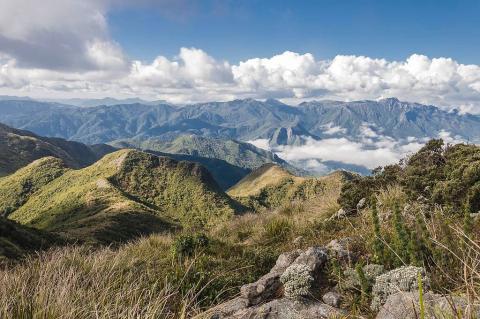
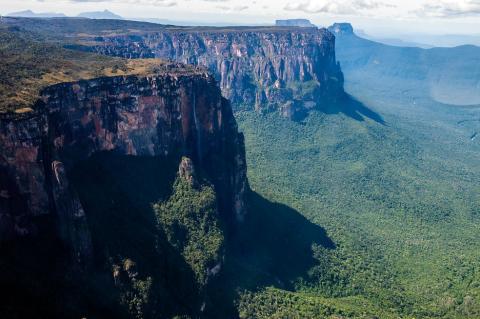
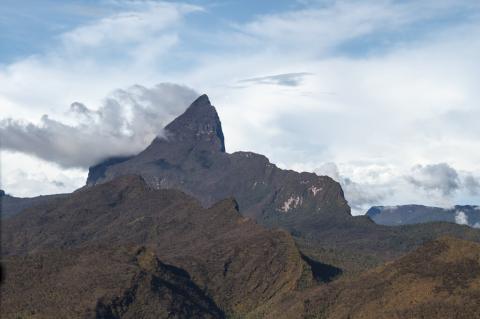
Pico da Neblina National Park, located in the far north of Brazil, is a remote and ecologically significant area encompassing Brazil's highest peak, Pico da Neblina. This vast park, bordering Venezuela, is part of the larger Amazon Rainforest biome and remains one of Brazil's most pristine and biodiverse regions. With limited human access and deep cultural ties to Indigenous peoples, the park represents an important symbol of conservation, environmental diversity, and natural beauty.