Brazil

Chapada Diamantina: Exploring Nature's Masterpiece in the Brazilian Highlands

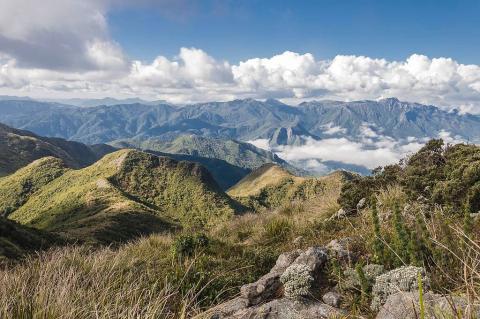
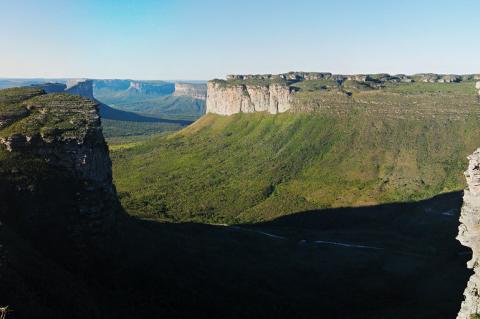
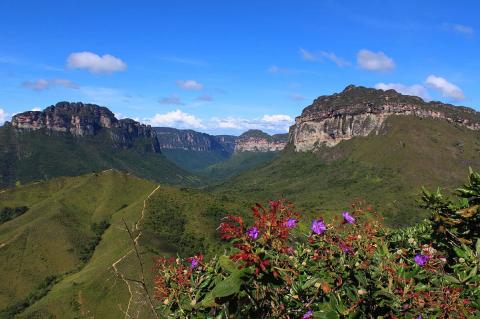
Nestled in the northeastern reaches of Brazil, Chapada Diamantina unfolds as a vibrant region of extraordinary landscapes and rugged mountainous terrain within the Brazilian Highlands. This region is situated within the Brazilian Highlands and is geographically diverse and culturally rich. Chapada Diamantina National Park, an integral part of the Chapada Diamantina region, is a testament to its ecological importance.

Chapada dos Veadeiros: Brazil's Ancient Cerrado Sanctuary

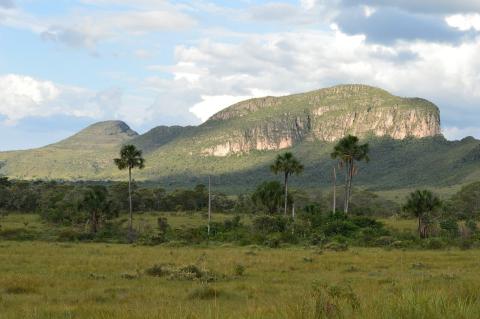
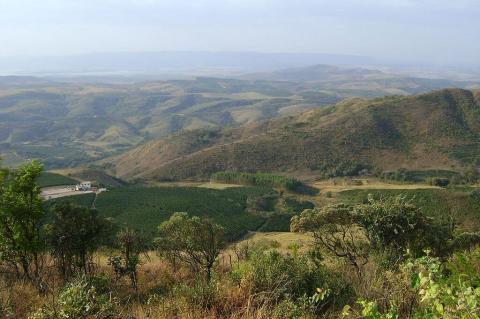
In Brazil's central plateau, crystalline waters flow over ancient rocks amid endemic species in one of Earth's most diverse savannas, Chapada dos Veadeiros National Park. This protected area highlights the Cerrado biome's ecological richness and is a vital sanctuary for unique species. Rising from the highlands like a natural cathedral of stone and water, it acts as a living museum of billions of years of evolution. As a UNESCO Site, it is a crucial refuge for the endangered Cerrado ecosystem, conserving genetic resources and ecological processes for the planet's future.

Congonhas: Baroque Jewel of Minas Gerais

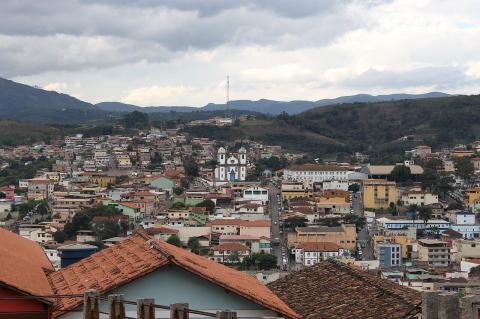
Perched atop the Morro do Maranhão bluff in the heart of Brazil's mining country, Congonhas stands as a testament to the wealth and artistry of the colonial gold rush era. This historic city in southeastern Minas Gerais seamlessly blends its baroque heritage with modern Brazilian life. Home to approximately 55,000 residents, Congonhas remains both a pilgrimage destination for millions of Catholics and a living museum of 18th-century Brazilian art and architecture.

Diamantina: Diamond Capital of Colonial Brazil

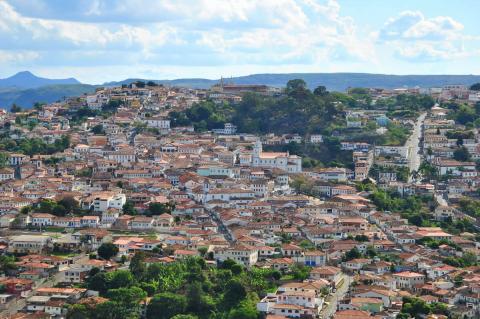
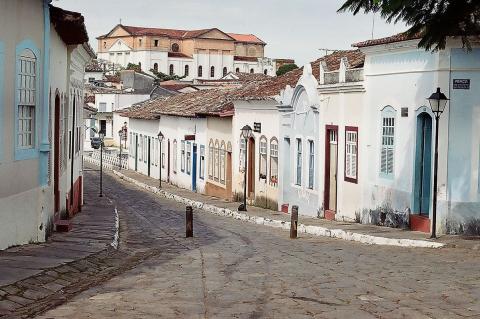
High in the arid mountains of the Serra do Espinhaço, the historic city of Diamantina stands as a testament to the diamond fever that gripped colonial Brazil in the 18th century. Originally known as Arraial do Tijuco, this remote settlement in northern Minas Gerais became the world's premier diamond-mining center, with its wealth transforming a rough mining camp into an elegant colonial city adorned with baroque churches and grand mansions. Today, Diamantina preserves its colonial character so completely that UNESCO designated its historic center a World Heritage Site

Emas National Park: Brazil's Grassland Sanctuary

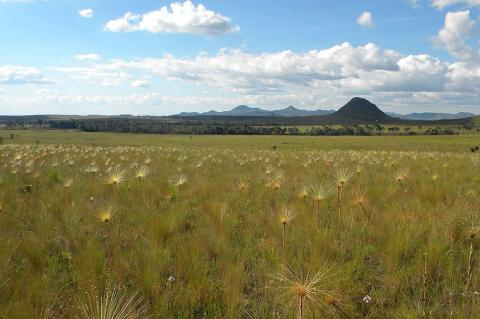
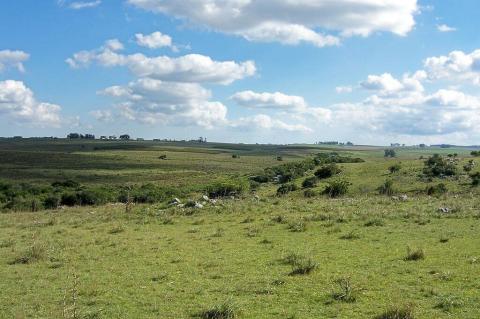
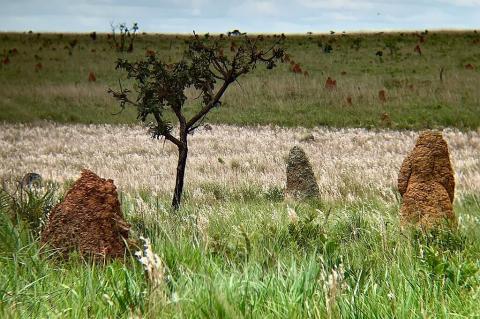
In the vast expanse of Brazil's central grasslands, where undulating savannas stretch to the horizon and termite mounds rise like ancient monuments, lies Emas National Park. Named after the greater rhea—the majestic flightless bird that roams these endless plains—this remarkable protected area represents one of the Cerrado's most pristine grassland ecosystems. Covering a large swath of cerrado savannah between the states of Goiás and Mato Grosso do Sul, Emas stands as a testament to the extraordinary biodiversity that once characterized Brazil's vast central plateau.

Exploring Campos Gerais National Park: A Geological and Ecological Haven

Campos Gerais National Park, nestled in the south-central region of the state of Paraná, Brazil, is a treasure trove of geological wonders, rich biodiversity, and cultural history. This protected area, established in 2006, spans across Ponta Grossa, Castro, and Carambeí municipalities. The park's unique landscapes and ecosystems make it a vital conservation area within the Atlantic Forest biome, renowned for its biodiversity.

Exploring Rio de Janeiro: Between Mountains and Sea

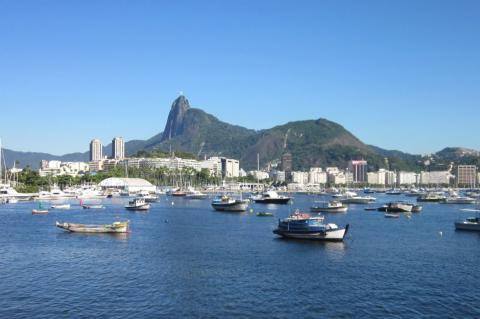
Nestled along Brazil's southeastern coast, Rio de Janeiro, known as the "Cidade Maravilhosa" or Marvelous City, captivates with its stunning blend of natural wonders and vibrant urban life. Renowned for its breathtaking landscapes, rich cultural heritage, and iconic landmarks, Rio de Janeiro has earned international acclaim, including the prestigious UNESCO designation of "Carioca Landscapes Between the Mountain and the Sea."

Exploring the Enchantment of Alter do Chão: A Gateway to the Amazon

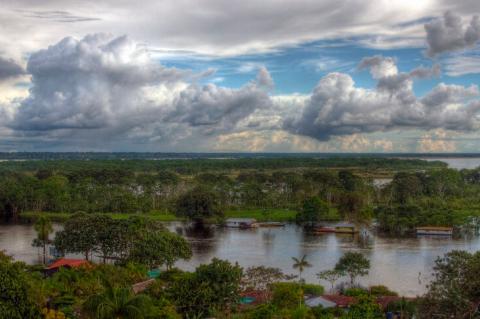
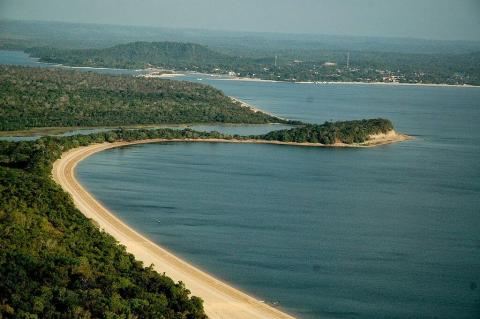
Nestled along the pristine shores of the Tapajós River, Alter do Chão emerges as a hidden gem within the heart of the Brazilian Amazon. This district, a part of the vibrant city of Santarém in Pará state, beckons travelers with its tranquil beaches, rich cultural heritage, and untouched natural beauty. Alter do Chão's allure lies in its unparalleled natural beauty, earning it the moniker "Brazilian Caribbean."

Fernando de Noronha and Rocas Atoll: Guardians of the South Atlantic

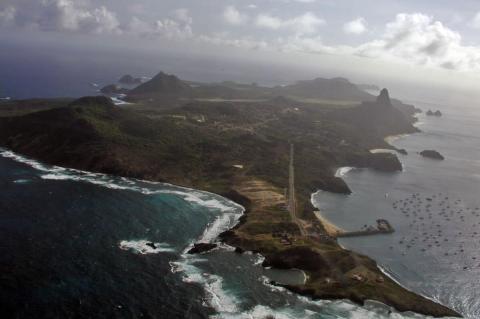
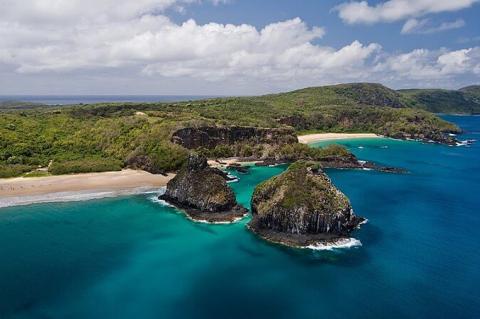
Fernando de Noronha is a volcanic archipelago in the South Atlantic Ocean, located off the northeast coast of Brazil. The archipelago comprises 21 islands and islets, the most significant being Fernando de Noronha. Fernando de Noronha is a haven for nature enthusiasts and adventure seekers, known for its stunning natural beauty, crystal-clear waters, pristine beaches, and diverse marine life. In addition, Rocas Atoll is a circular coral reef that encloses a lagoon.

Fortaleza, Brazil: A Coastal Hub of Culture and Growth

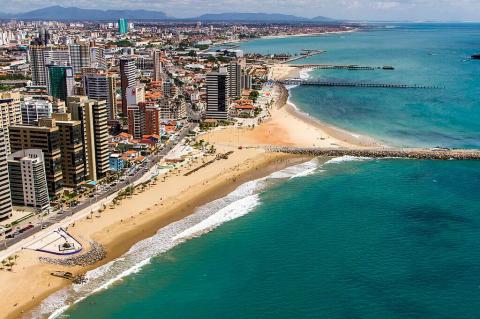
Fortaleza, a bustling coastal city in northeastern Brazil, is famous for its vibrant culture, sandy beaches, and rapidly growing urban landscape. Known as the "Land of Light" for its constant sunshine, Fortaleza has become one of Brazil's most popular tourist destinations, attracting visitors with its warm climate, lively nightlife, and cultural heritage. With its dynamic mix of traditional and modern attractions, Fortaleza offers a glimpse into both the rich history and the thriving present of Brazil's northeastern coast.