Brazil

The Putumayo River: A Vital Corridor of Life and Culture

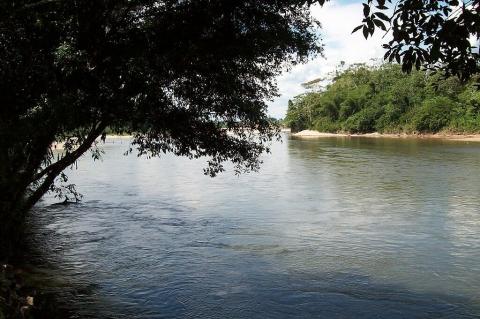
Flowing through the dense rainforests of South America, the Putumayo River—known as the Içá River in Brazil—is a lifeline for the Amazon basin. Stretching across Colombia, Ecuador, Peru, and Brazil, this transboundary river is a vital ecological, cultural, and economic resource for the region. Its diverse ecosystems, rich cultural heritage, and pivotal role in local and international trade make it a key feature of South America's natural landscape.

The Río Negro: Majestic Heart of the Amazon

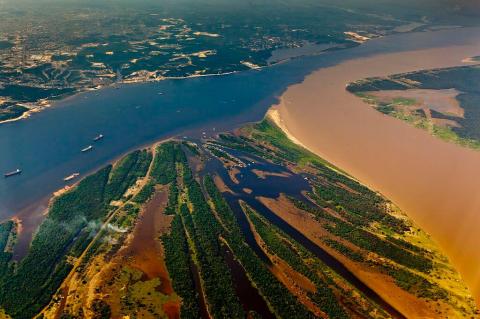
Flowing majestically through the heart of the Amazon rainforest, the iconic Río Negro stands as one of the most significant tributaries of the mighty Amazon River. Renowned for its distinctive blackwater and immense size, the Río Negro is not only a vital component of the Amazon basin but also a captivating natural wonder that draws explorers and adventurers from around the globe.

The São Francisco River: Lifeline of Northeastern Brazil

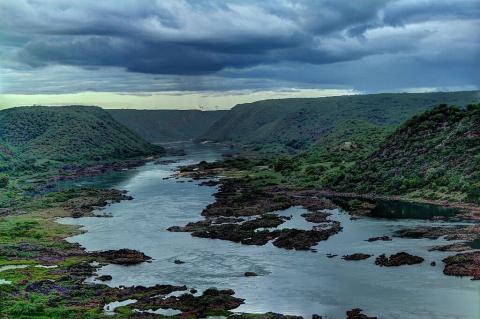
The São Francisco River, one of Brazil's most important waterways, is a crucial artery for the country's northeastern and southeastern regions. South America's fourth-largest river system is known for its pivotal role in agriculture, hydroelectric power, and transportation. The São Francisco River also holds deep cultural significance, often called "Velho Chico" or "River of National Unity." This vast river runs entirely within Brazil, fostering connections between regions and providing critical water resources for the semiarid Northeast.

The Tapajós River: A Lifeline in the Heart of the Amazon

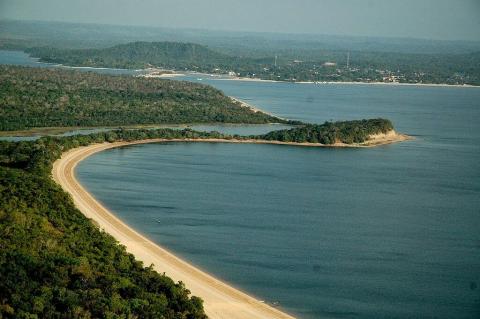
The Tapajós River, one of the major tributaries of the Amazon River, is a vital watercourse in Brazil, flowing predominantly north/northeast through the Amazon Rainforest. It is formed by the union of the Juruena and Teles Pires rivers, both of which originate in the Mato Grosso region. Known as one of the largest clearwater rivers in the world, the Tapajós plays a crucial role in the hydrology, ecology, and economy of the Amazon Basin.

The Trindade and Martim Vaz Islands Tropical Forest Ecoregion

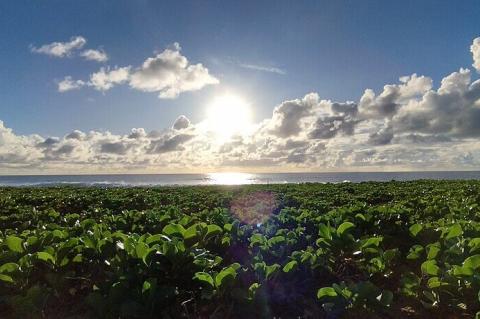
The Trindade and Martim Vaz Islands, off the coast of Brazil, are part of a unique tropical forest ecoregion that plays a crucial role in the biodiversity of the Atlantic Ocean. As a part of the Neotropic ecozone and the Tropical and Subtropical Moist Broadleaf Forests biome, this remote archipelago offers a striking example of how isolated ecosystems can harbor unique plant and animal life. The islands' history is marked by human intervention drastically altering their ecological landscape. However, ongoing conservation efforts strive to protect and restore the native flora and fauna.

The Uruguay River: A Vital Waterway of South America

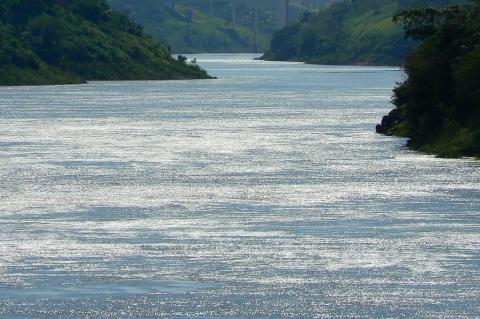
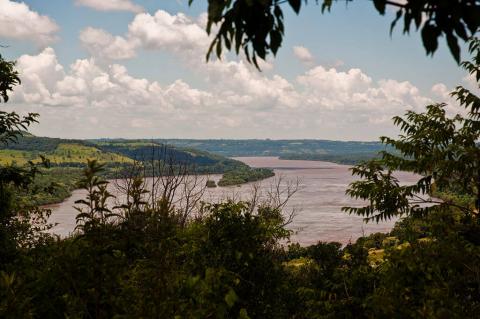
The Uruguay River is a significant fluvial system in South America. It stretches from its headwaters in Brazil's coastal range to its confluence with the Río de la Plata. As a natural boundary between Brazil, Uruguay, and Argentina, the river plays a crucial role in the region's geography, economy, and ecology. An exploration of the Uruguay River reveals its origins, course through diverse landscapes, ecological significance, and role in regional development.

The Xingu River: Lifeblood of the Brazilian Amazon

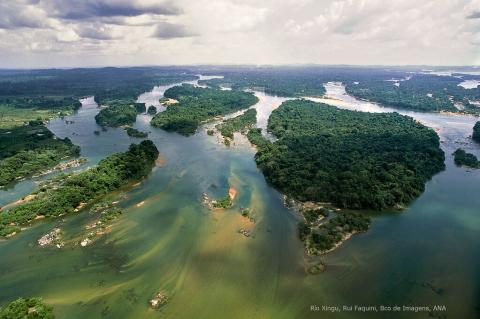
The Xingu River, a major tributary of the Amazon River, flows through the Brazilian Amazon, which is home to one of the world’s most biodiverse ecosystems. It traverses rainforests, savannas, and Indigenous territories, supporting diverse wildlife and the cultural heritage of the Indigenous peoples. As an essential part of the Amazon basin, the Xingu River highlights the beauty of tropical ecosystems, yet it faces significant environmental challenges.

Tides of Life: The Marajó Várzea Ecosystem

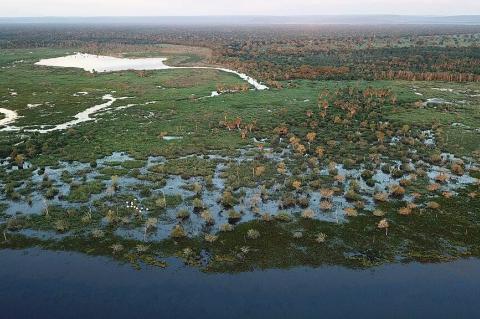
The Marajó várzea is a distinctive and ecologically rich region located at the mouth of the Amazon River in eastern Brazil. Spanning the vast lowland islands and floodplains of the Marajó Archipelago, this ecoregion experiences one of the most unusual flooding patterns in the Amazon Basin. This dynamic, coupled with the nutrient-rich sediments the Amazon River carries, has created a fertile and diverse environment supporting various plant and animal species.

Tijuca National Park: Rio de Janeiro’s Urban Rainforest Oasis

Tijuca National Park, a sprawling urban rainforest in the heart of Rio de Janeiro, Brazil, is a testament to the city's commitment to preserving its natural heritage. The largest urban rainforest in the world, this natural sanctuary offers a verdant escape from the bustling metropolis, providing a haven for biodiversity and a paradise for outdoor enthusiasts. From its lush trails and cascading waterfalls to its historical landmarks and panoramic viewpoints, Tijuca National Park is a treasure trove of natural beauty and cultural significance.

Tocantins-Araguaia River System: A Comprehensive Overview of Brazil's Central Fluvial Network

The Tocantins-Araguaia River system in central Brazil is one of the country's most vital and extensive fluvial networks. Though commonly mistaken as a tributary of the Amazon River, this system is distinct and unique, with its complex hydrological dynamics and significant ecological importance. The river flows northward from the Brazilian Highlands, eventually emptying into the Atlantic Ocean through the Pará River, a distributary channel of the Amazon River delta.