Landforms of Central America

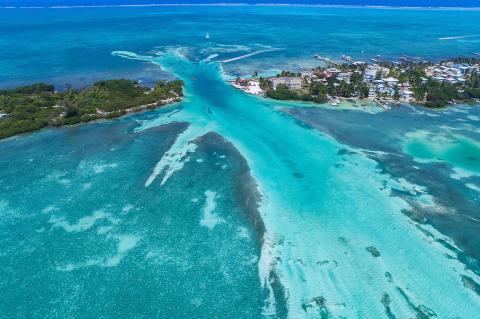
The Twin Jewels of the Caribbean: Exploring the Gulfs of Darién and Urabá

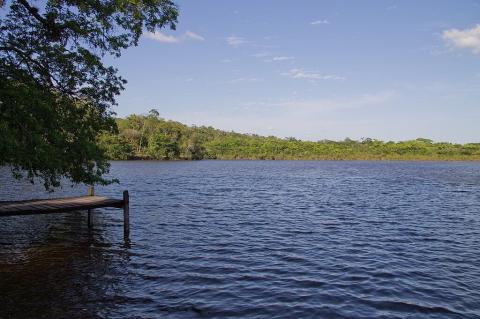
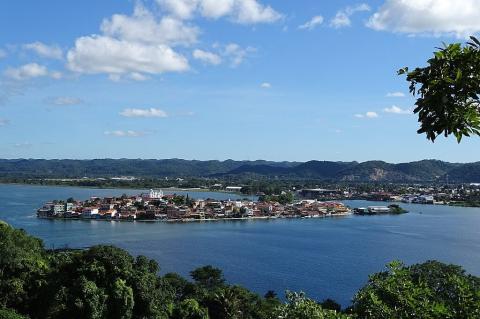
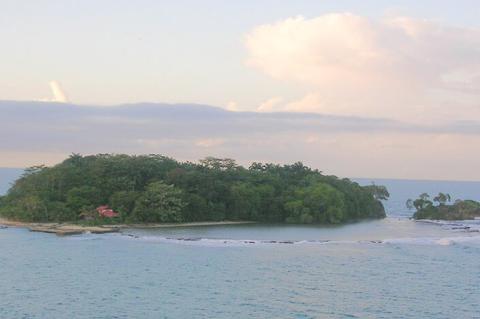
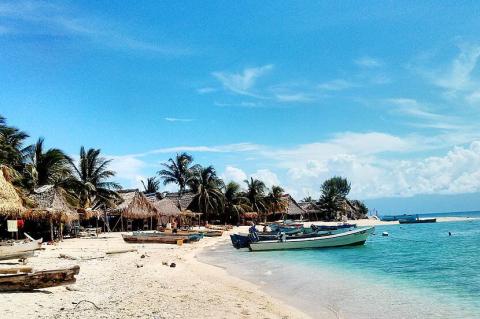
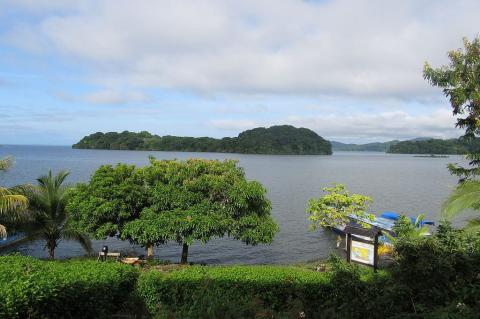
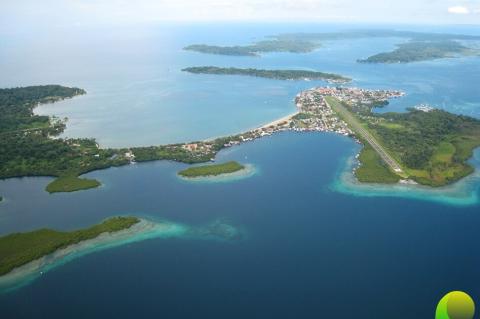
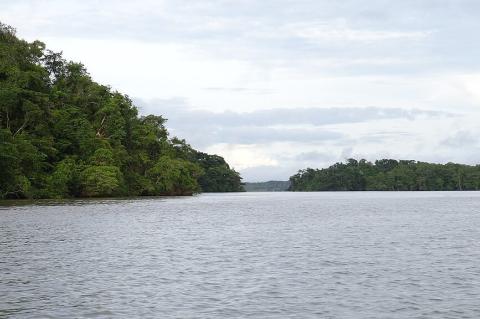
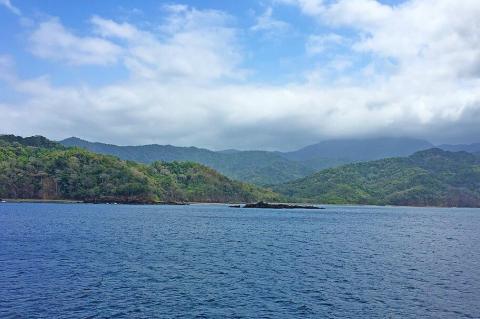
Nestled between the Caribbean Sea and the dense tropical rainforests of Central and South America lie two lesser-known yet profoundly significant bodies of water: the Gulf of Darién and the Gulf of Urabá. These gulfs, often overshadowed by their more famous regional counterparts, are geographical and ecological treasures. Within their boundaries, they hold a rich tapestry of history, vibrant ecosystems, and socio-economic dynamics that have shaped the lives of the communities around them for centuries.

The Yucatán Peninsula: A Living Testament to Time

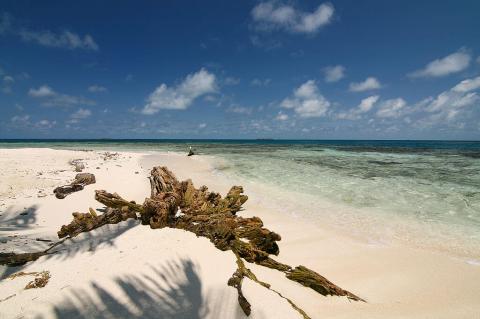
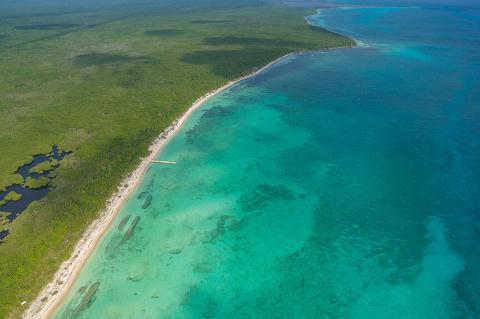
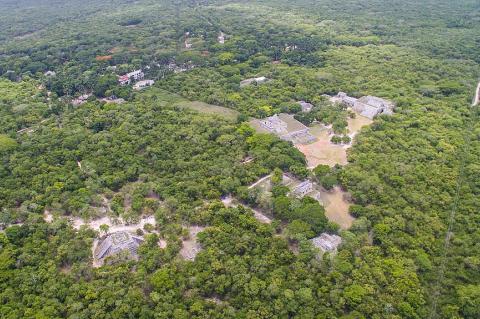
Suspended between the waters of the Gulf of Mexico and the Caribbean Sea, the Yucatán Peninsula is one of the most geologically and culturally distinctive regions in the Americas. This vast limestone platform, covering approximately 181,000 sq km, spans the Mexican states of Campeche, Quintana Roo, and Yucatán, and extends southward into Belize and Guatemala. Here, the peninsula's foundations tell a story that stretches from a cataclysmic asteroid impact to the rise of one of the ancient world's most sophisticated civilizations.

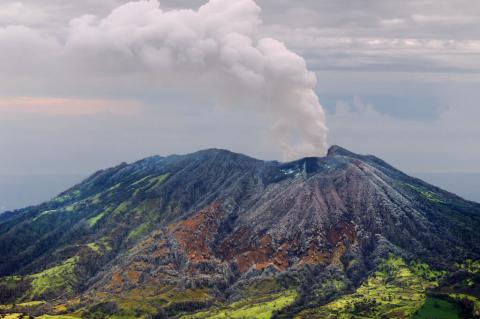
Turrialba Volcano: Costa Rica's Fiery Sentinel

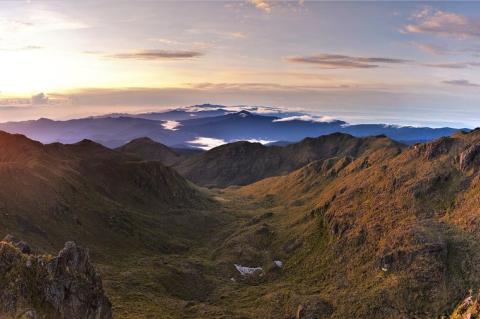
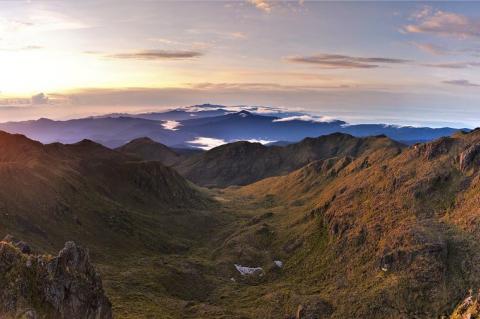
Towering over the lush landscapes of Costa Rica's Cartago Province, the Turrialba Volcano stands as a majestic and awe-inspiring natural wonder. This stratovolcano, part of the easternmost portion of the Central America Volcanic Arc, is a breathtaking sight and a testament to the raw power and dynamism of our planet's geological forces. The Turrialba Volcano National Park, a protected area, encompasses the volcano and its surroundings.

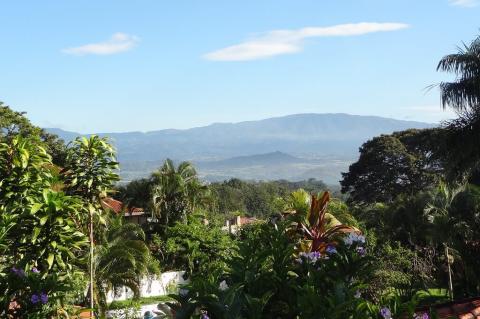
Valle Central and Valle del General: Unveiling Costa Rica's Highland Gems

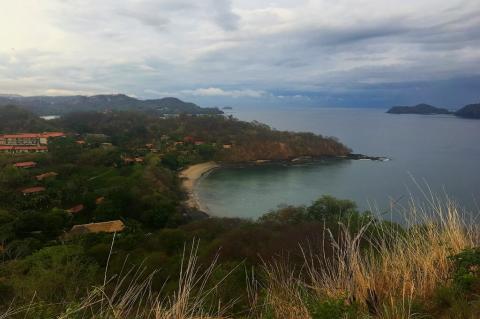
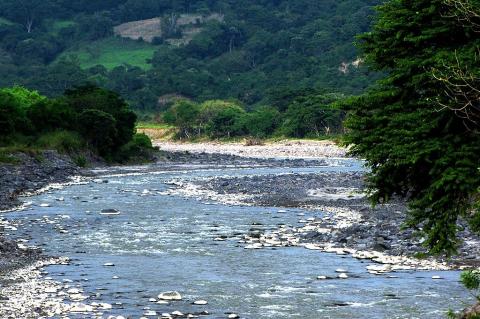
Nestled amid Costa Rica's verdant landscapes, the Central Highlands stand as a testament to the country's rich natural heritage and cultural diversity. This region, encompassing the Valle Central (Central Valley) and Valle del General (General Valley), offers a striking blend of ecological richness, dramatic history, and productive agricultural land that together have shaped the country's identity long before Spanish contact.

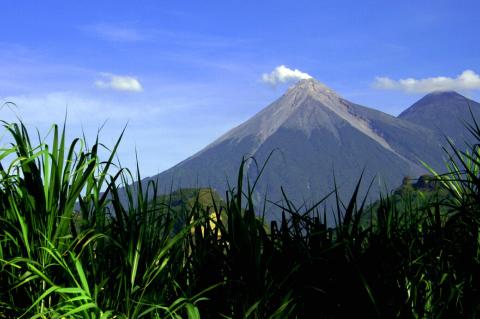
Volcán de Fuego and Acatenango: Guatemala's Dynamic Volcanic Complex

In Guatemala's Central Highlands, two magnificent volcanoes form one of Central America's most scientifically significant volcanic partnerships. Volcán de Fuego and Acatenango represent contrasting stages of volcanic evolution, providing crucial insights into the geological processes that have shaped the region for millennia. While Fuego maintains its status as one of Guatemala's most active volcanoes, dormant Acatenango preserves a record of the complex volcanic history that characterizes this portion of the Central American Volcanic Arc.