
The Pantanal: A Wetland Eden of Unrivaled Biodiversity
The Pantanal is the world's largest tropical wetland, a seasonal floodplain spanning Brazil, Paraguay, and Bolivia and home to South America's highest concentration of wildlife — a landscape shaped as much by its pantaneiro cattle-ranching culture as by its annual flood cycle, and increasingly threatened by the kind of catastrophic wildfires that burned 30% of the entire biome in 2020.



The Pantanal: A Realm Ruled by Flood, and Increasingly, by Fire
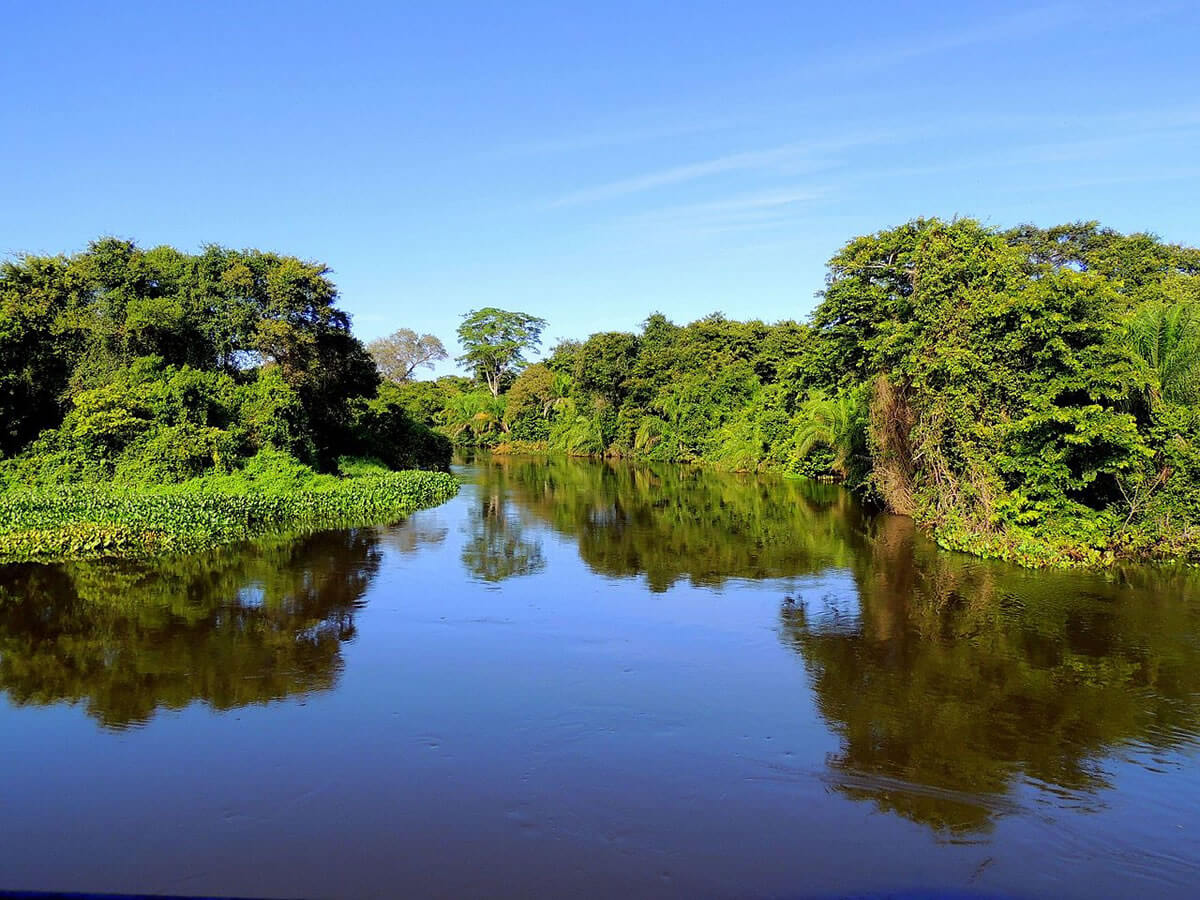
The Pantanal, the world's largest tropical wetland, unfolds as a colossal seasonal floodplain predominantly situated within Mato Grosso and Mato Grosso do Sul in Brazil's Center-West Region. However, its expansive reach extends into northeastern Paraguay and southeastern Bolivia, creating an ecological masterpiece that captivates with its diverse landscapes and vibrant ecosystems. This remarkable wetland, a dynamic region characterized by distinct hydrological, geological, and ecological features, supports a rich array of wildlife and plant species, making it one of the most biodiverse areas on the planet and a crucial sanctuary for migratory birds, as well as a vital nursery ground for aquatic life.
A Land Forged by Water: Geographical Dynamics and Ecological Zonation
Bordered by the Chiquitano dry forests to the west and northwest, the Arid Chaco dry forests to the southwest, and the Humid Chaco to the south, the Pantanal is a dynamic region interwoven with distinct hydrological, geological, and ecological features. The Cerrado savannas encircle it to the north, east, and southeast, contributing to the rich diversity of this unique wetland. The Pantanal's geographical context is further defined by its position within the Upper Paraguay River Basin, which plays a crucial role in its seasonal flooding patterns. This intricate network of rivers, lakes, and marshes, coupled with the surrounding biomes, creates a mosaic of habitats that support a vast array of flora and fauna, making the Pantanal a critical area for biodiversity conservation in South America.
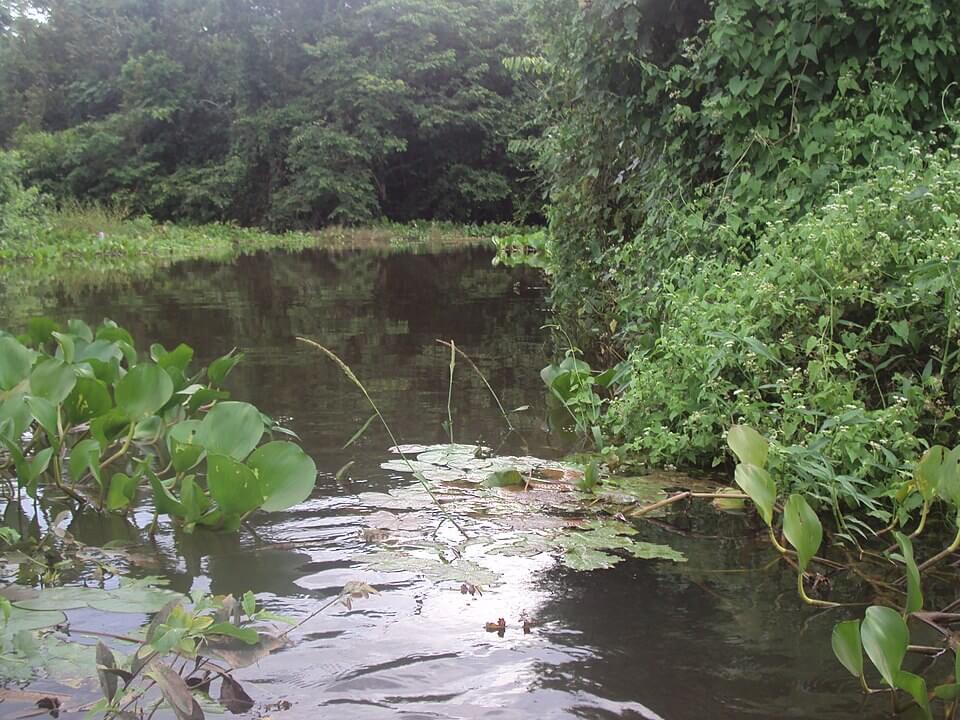
Comprising various subregional ecosystems, each with its own unique hydrological and ecological characteristics, the Pantanal boasts up to 12 distinct ecosystems. This vast, gently sloped basin, spanning an impressive area, is a natural reservoir that collects runoff from the Brazilian Highlands. The release of this water occurs gradually through the Paraguay River and its tributaries. This seasonal ebb and flow of water dictates the Pantanal's unique character, transforming it from a parched landscape in the dry season to an expansive flooded realm during the rains. This cyclical wet-dry dynamic has resulted in a remarkable array of distinct yet interconnected ecosystems within the Pantanal, including permanent rivers and lakes, seasonally flooded grasslands, denser forests on slightly higher ground, and gallery forests that line the rivers.
A Wildlife Paradise: Unveiling the Pantanal's Astonishing Biodiversity
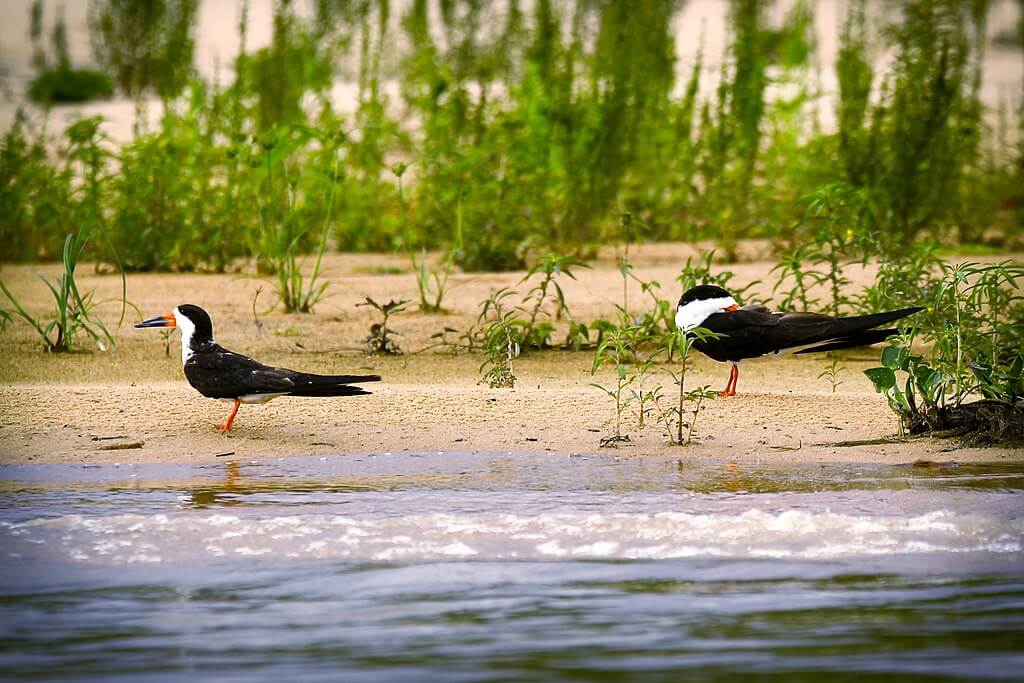
The Pantanal undergoes a dramatic transformation each year. Torrential rains inundate the basin, creating an expansive flooded landscape. Subsequently, as the rains retreat, the water drains into the Paraguay River, leaving pools teeming with fish and snails. These aquatic havens become magnets for large flocks of egrets, storks, and spoonbills. During the rainy season, a significant percentage of the Pantanal floodplains are submerged, nurturing a rich collection of aquatic plants and sustaining a diverse array of animal species. This pristine landscape hosts South America's highest concentration of wildlife, making it a sanctuary for nature enthusiasts and researchers.
The Pantanal is a haven for biodiversity, accommodating crucial sanctuaries for migratory birds, vital nursery grounds for aquatic life, and habitats for iconic creatures like the yacare caiman, deer, and the majestic Pantanal jaguar. The ecosystem is home to an astounding array of species, including a remarkable number of bird, fish, mammalian, reptile, and invertebrate species, as well as numerous subspecies. Among the rare inhabitants are the marsh deer (Blastocerus dichotomus) and the giant river otter (Pteronura brasiliensis).
Endangered or threatened species find refuge in the Pantanal, including the hyacinth macaw (Anodorhyncus hyacinthinus), the crowned solitary eagle, the maned wolf (Chrysocyon brachyurus), the bush dog (Speothos venaticus), the South American tapir (Tapirus terrestris), and the giant anteater (Myrmecophaga tridactyla). Typical residents include the capybara (Hydrochoerus hydrochaeris), ocelot (Leopardus pardalis), and yacare caiman (Caiman yacare). The Pantanal boasts a record concentration of crocodiles and is home to millions of caimans. Notably, the Pantanal nurtures one of the world's most robust jaguar (Panthera onca) populations, making a significant contribution to the conservation of this iconic big cat species.
The Pantaneiro: Cattle Culture on the Floodplain
For over two centuries, human life in the Pantanal has revolved around the same flood cycle that governs its wildlife. Since Portuguese colonists introduced cattle ranching to the region in the 18th century, the pantaneiro, the Pantanal's own distinct cowboy tradition, has developed alongside it, adapting techniques of herding, branding, and moving livestock to a landscape that spends half the year underwater. Cattle are typically driven to higher, unflooded ground during the wet season and returned to graze the nutrient-rich floodplain pastures once the waters recede, a seasonal rhythm of transhumance not unlike that practiced by Venezuela's llaneros or Argentina's gauchos, but shaped by the Pantanal's own singular hydrology. Many of the vast cattle ranches, or fazendas, that dominate the region today have in recent decades diversified into ecotourism, offering visitors a way to experience both the pantaneiro way of life and the wildlife it lives alongside.
A Delicate Balance: The Pantanal's Vital Ecosystem Services
Beyond its breathtaking wildlife, the Pantanal provides crucial ecosystem services that extend far beyond its geographical boundaries. Its vast wetlands act as natural sponges, regulating water flow and mitigating the impacts of floods and droughts in the surrounding regions. The Pantanal helps filter water, improving its quality and replenishing groundwater aquifers. Its extensive vegetation plays a significant role in carbon sequestration, helping to regulate the global climate.
The Pantanal's rich biodiversity also supports local economies through sustainable ecotourism, providing livelihoods for communities while fostering appreciation for its natural wonders. Therefore, maintaining the delicate balance of this wetland ecosystem is essential not only for its intrinsic value but also for the numerous benefits it provides to the broader region.
Threats on the Horizon: Challenges to the Pantanal's Future
While much of the Pantanal remains in close-to-pristine condition, it faces threats from pesticide runoff and gold mining from neighboring agricultural lands. Agricultural expansion, particularly cattle ranching and soybean cultivation in the surrounding highlands, is leading to habitat conversion and altered water flow within the wetlands. The construction of dams for hydroelectric power can also disrupt natural flooding regimes, impacting the Pantanal's delicate ecological balance and its biodiversity. Unsustainable fishing practices and the introduction of invasive species further compound these challenges.
Climate change has already made this abstract threat concrete. A multi-year drought beginning in 2019 left the Brazilian Pantanal with its lowest annual rainfall since the 1980s, drying the landscape to the point that, in 2020, wildfires burned an estimated 30% of the entire biome, the worst fire season on record and one that killed an estimated 17 million animals, large and small alike. Some protected reserves lost as much as two-thirds of their total area to the flames. Scientists studying the disaster have warned that a warmer, drier future could make events on this scale more frequent rather than exceptional, a sobering prospect for an ecosystem whose entire character depends on a reliable annual flood.
Guardians of the Watery Realm: Conservation Efforts in the Pantanal
Recognizing its ecological significance, UNESCO designates the Pantanal Conservation Area as a World Heritage site, encompassing the Pantanal Matogrossense National Park and the Special Reserves of Acurizal, Penha, and Dorochê. Furthermore, the Pantanal Biosphere Reserve spans the Brazilian states of Mato Grosso, Mato Grosso do Sul, and part of Goiás State, contributing to comprehensive efforts to safeguard this ecological treasure. Various non-governmental organizations and research institutions are actively involved in monitoring biodiversity, conducting scientific research, and implementing conservation projects; in the aftermath of the 2020 fires, several have specifically called for a coordinated, year-round fire management program that draws on the traditional ecological knowledge of pantaneiro and Indigenous communities alongside modern scientific monitoring. Sustainable ecotourism initiatives are being promoted as a way to generate income for local communities while fostering environmental stewardship. The future of the Pantanal, South America's unparalleled wetland, depends on a continued and strengthened commitment to understanding its intricate dynamics and working collaboratively to ensure its long-term survival for future generations.
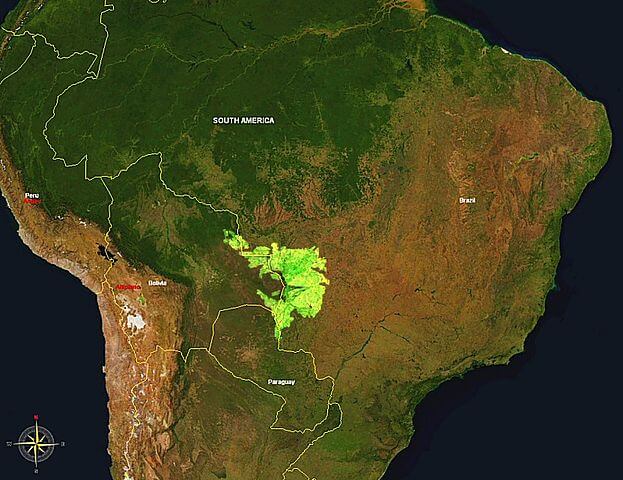
Map depicting the location of the Pantanal region.