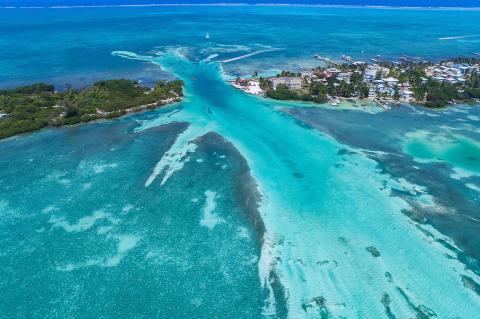
Central America

Tak'alik Ab'aj National Park: A Window into Mesoamerican Civilizations

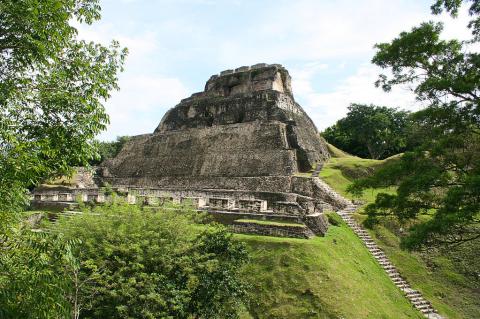
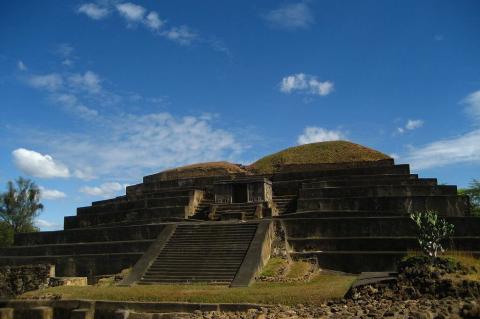
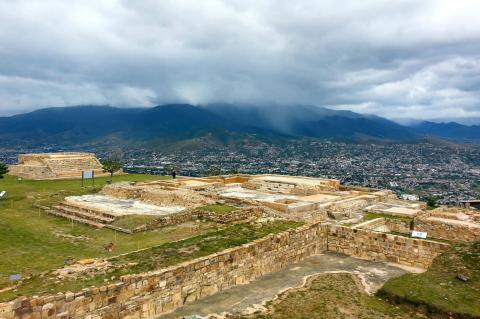
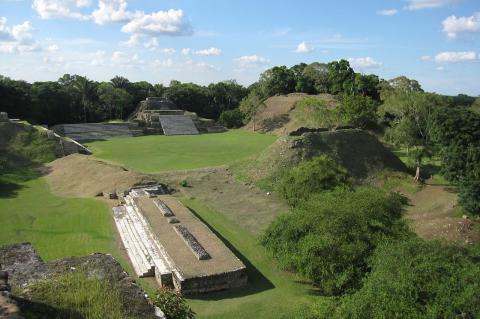
Tak'alik Ab'aj National Park in Guatemala's southwestern highlands is an important archaeological site that provides insight into Mesoamerica's cultural and historical evolution. With a blend of Olmec and Maya influences, it offers a crucial understanding of early civilizations in the region. Dating back to the 9th century BC, it was a significant hub for trade, ceremonies, and politics, and today stands as one of Central America's most important pre-Columbian sites.

Tapantí-Macizo de la Muerte National Park: A Verdant Sanctuary in Central Costa Rica

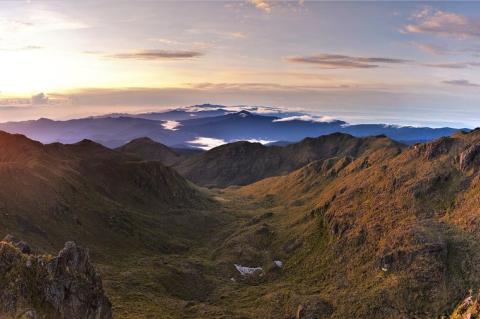
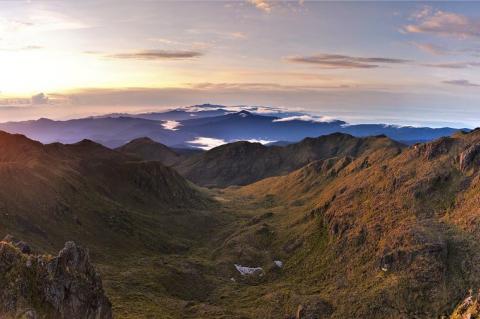
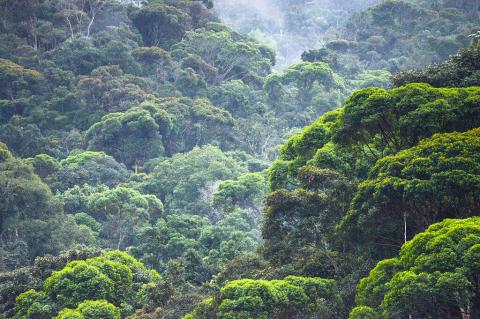
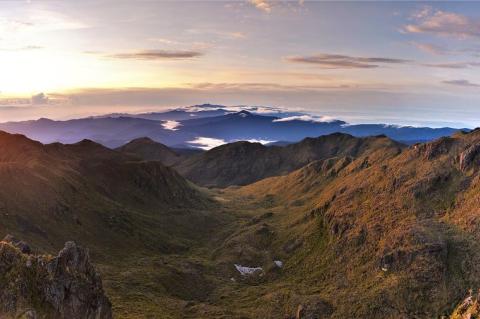
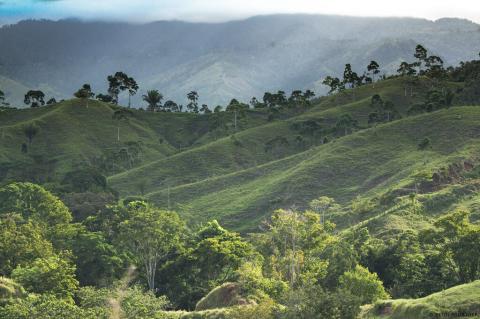
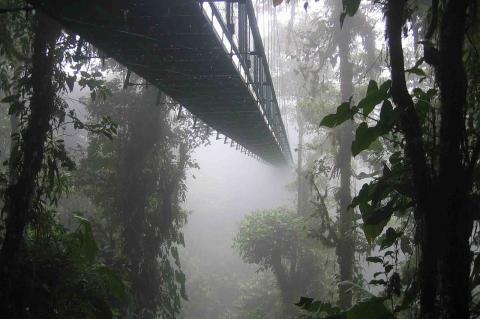
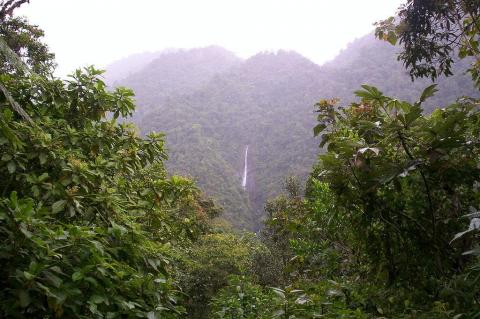
Nestled along the luxuriant northern slopes of the Cordillera de Talamanca in central Costa Rica, Tapantí-Macizo de la Muerte National Park is a testament to the region's rich biodiversity and stunning landscapes. Spanning an expansive area, the park extends its embrace into the neighboring western reaches of Panama, showcasing the ecological wealth of the Cordillera de Talamanca.

Tegucigalpa: The Heartbeat of Honduras

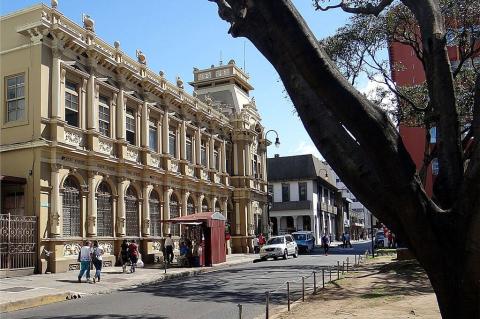
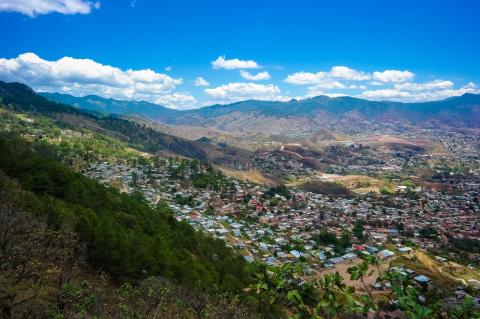
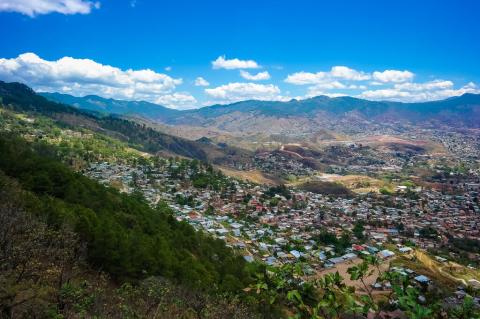
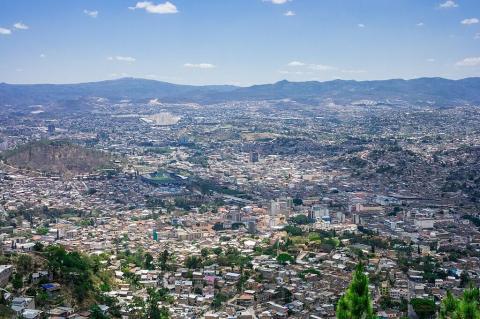
Tegucigalpa, the capital of Honduras, stands as a vibrant yet complex city nestled in the embrace of rugged mountains. Its name, derived from the indigenous Nahuatl language, hints at the area's rich mineral heritage. As the country's political and economic center, Tegucigalpa offers a deep exploration into Honduras' colonial past, its modern-day ambitions, and the daily lives of over one million residents.

Tenorio Volcano National Park: A Haven for Wildlife and Volcanic Wonders

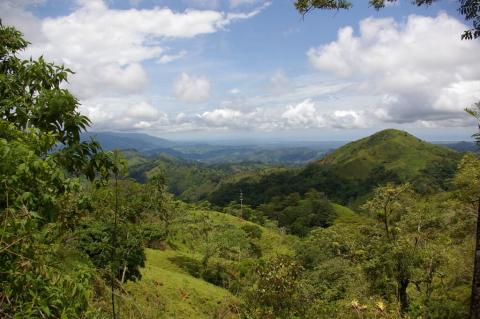
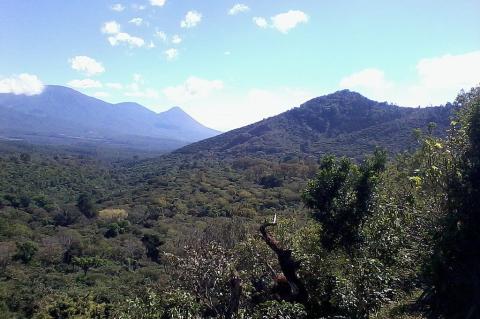
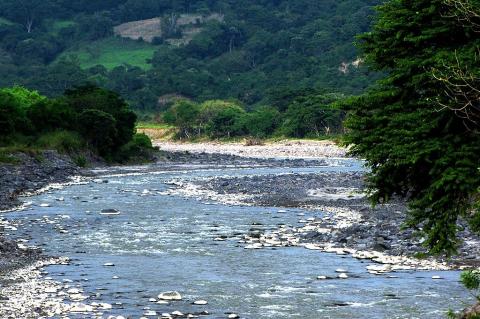
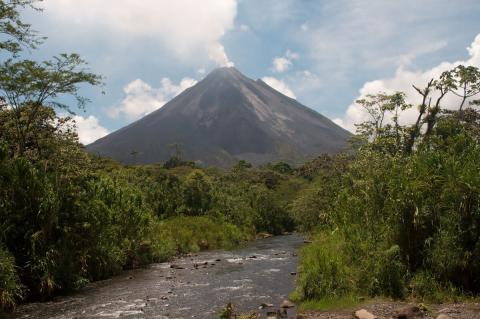
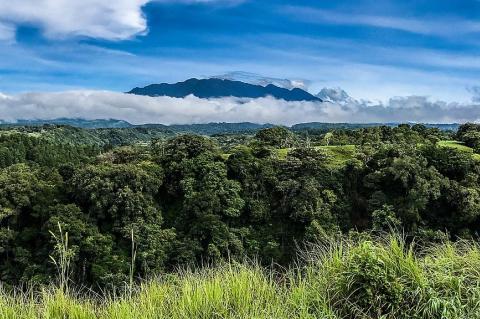
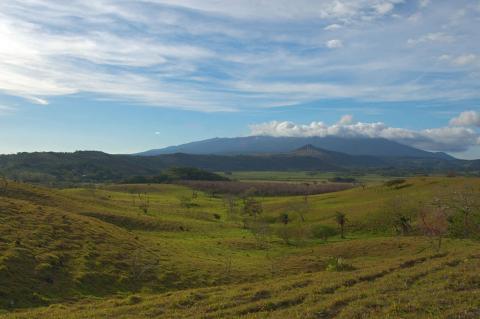
Tenorio Volcano is a striking natural landmark in Costa Rica's rugged Cordillera de Guanacaste. This towering volcano consists of four volcanic peaks and two craters, one of which is known as Montezuma Volcano. Tenorio symbolizes the geological and ecological richness of Costa Rica's volcanic landscapes. As the centerpiece of Tenorio Volcano National Park, this volcano and its surrounding area offer an array of natural wonders, from vibrant blue rivers to diverse ecosystems teeming with wildlife.

The American Cordillera and the Continental Divide: A Geographical Backbone Shaping the Americas

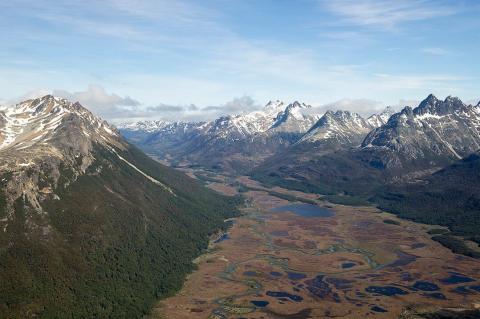
The Continental Divide of the Americas is a remarkable geographical feature serving as the primary hydrological divide across the American continent. Stretching from the northernmost reaches of North America at the Bering Strait to the southernmost tip of South America at the Strait of Magellan, this divide delineates the watersheds that drain into the Pacific Ocean from those that flow into the Atlantic Ocean, including the Gulf of Mexico and the Caribbean Sea.
The Andean Volcanic Belt and the Pacific Ring of Fire: Unveiling Earth's Geological Marvels

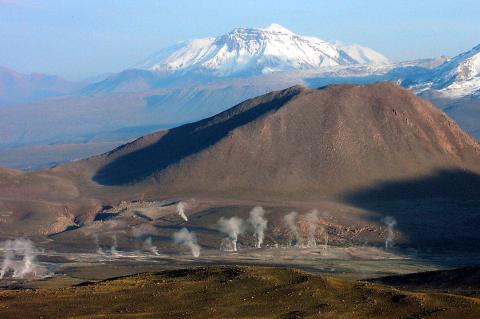
The Andean Volcanic Belt, along South America's western coast, forms as the Nazca and Antarctic plates subduct beneath the South American Plate. This process generates various volcanic zones, illustrating the intricate interplay of Earth's crustal plates. The belt showcases diverse geological phenomena, from the hazards in the Northern Volcanic Zone to the silicic systems in the Central Volcanic Zone and the glaciated stratovolcanoes in the Austral Volcanic Zone.

The Aztec Civilization: Power, Faith, and Empire in Ancient Mexico

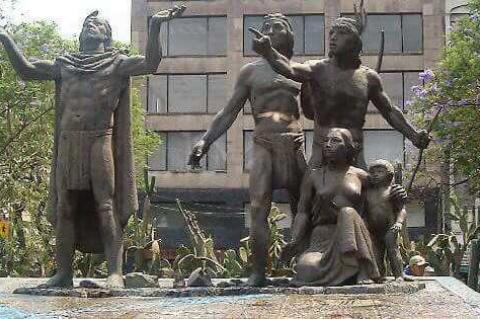
In the centuries before the arrival of the Spanish conquistadors, a complex and powerful civilization flourished in the heart of Mesoamerica. Today, this civilization is known as the Aztec Empire. It was built upon layers of cultural, religious, and political traditions inherited from earlier societies such as the Toltec and the Teotihuacano. By the early 16th century, the Aztecs had constructed one of the most influential empires in the Americas, centered on their magnificent capital of Tenochtitlan.

The Azuero Peninsula: Panama's Cultural Heartland and Ecological Haven

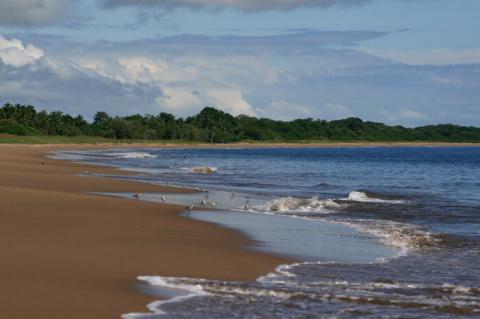
The Azuero Peninsula, jutting into the Pacific Ocean from southern Panama, is a region rich in cultural history and ecological diversity. Known as the "heartland" of Panamanian culture, it is where tradition, agriculture, and natural beauty converge. Despite its relatively small size, the peninsula is a mosaic of contrasting landscapes, ranging from dry forests and mangrove swamps to cultivated fields and small bustling towns. The region's unique blend of cultural heritage, agricultural history, and environmental significance makes it a captivating area.

The Caribbean Plate: A Complex Oceanic Mosaic

The Caribbean Plate forms a unique oceanic tectonic entity covering approximately 3.32 million square kilometers (1.28 million square miles) beneath the Caribbean Sea and portions of Central America. This predominantly oceanic plate represents one of Earth's most tectonically complex regions, where interactions between four major plates create a diverse array of geological processes, from active volcanism to transform faulting and subduction dynamics.

The Central America Volcanic Arc: Where Ocean Floor Becomes Mountains

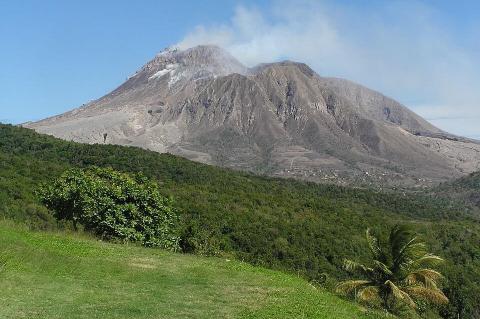
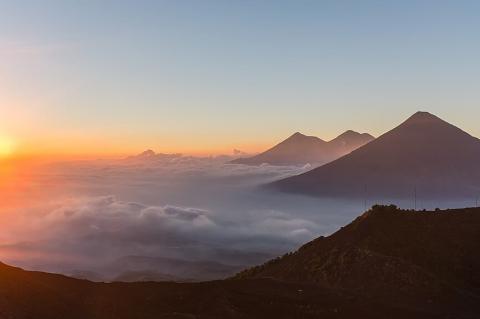
Stretching from Guatemala's volcanic highlands to Panama's Cordillera de Talamanca, the Central America Volcanic Arc represents one of the world's most active and scientifically significant volcanic chains. This geological marvel, also known as the Central Volcanic Range, encompasses more than 70 Holocene volcanoes that have fundamentally shaped the landscape, climate, and human history of Central America. The arc's formation results from the relentless subduction of oceanic crust that transforms seafloor sediments into towering volcanic peaks.