Central America

Managua: The Heart of Nicaragua’s Resilience and Renewal

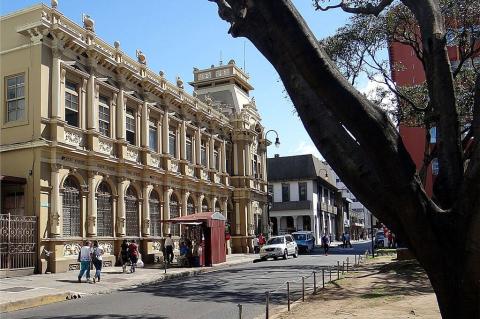
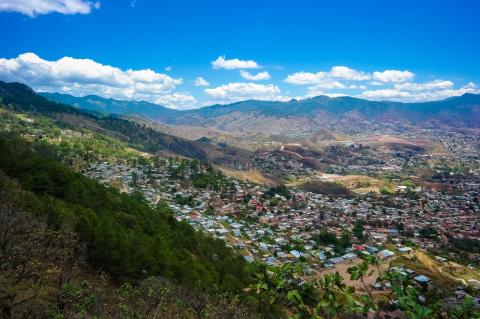
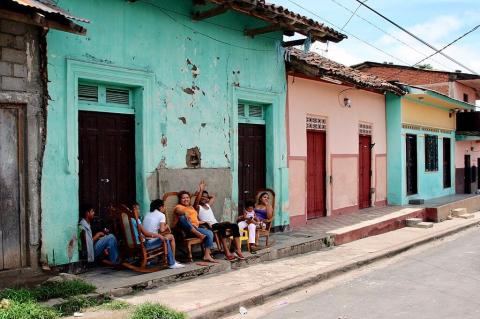
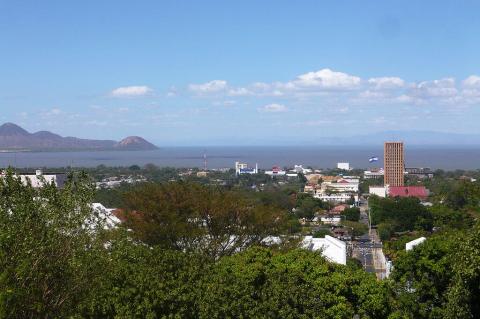
Managua, Nicaragua's bustling capital, is a city of contrasts where history meets modernity, natural beauty blends with urban landscapes, and a vibrant cultural scene thrives amid development challenges. As the country's largest city and political, economic, and cultural hub, Managua offers a unique window into Nicaragua's past, present, and future. Despite its tumultuous history of natural disasters and social upheavals, the city continues to grow and evolve.
Manuel Antonio National Park: Costa Rica's Jewel of Biodiversity

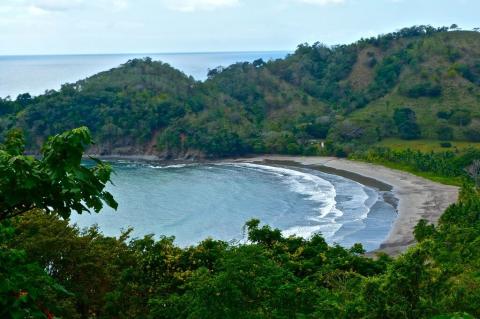
Manuel Antonio National Park is a breathtaking natural sanctuary along the Central Pacific Coast of Costa Rica, where lush tropical forests embrace pristine beaches and a thriving ecosystem. Despite being the smallest of Costa Rica's national parks, this gem in the Central Pacific Conservation Area has become a renowned destination. Its allure lies in its extraordinary biodiversity, stunning landscapes, and the harmonious coexistence of terrestrial and marine environments.

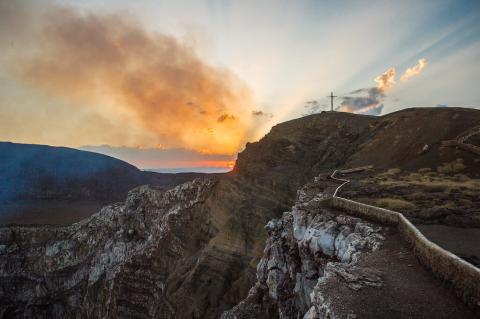
Masaya Volcano: Nicaragua's Fiery Natural Wonder

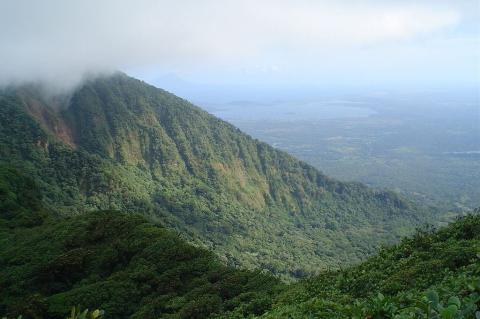
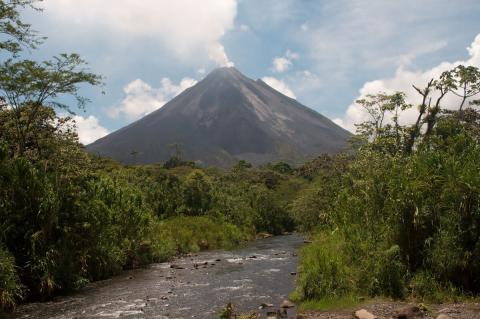
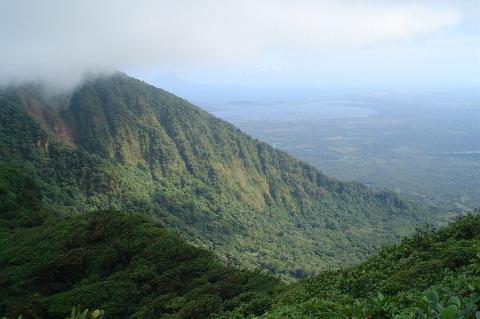
Nestled in the heart of Nicaragua, the Masaya Volcano is a testament to nature's raw power and majesty. This awe-inspiring volcanic complex, one of the 18 distinct centers that comprise the Nicaraguan portion of the Central America Volcanic Arc, offers visitors an up-close encounter with the earth's fiery depths. The Masaya Volcano National Park preserves this geological marvel and provides a sanctuary for the region's diverse flora and fauna.

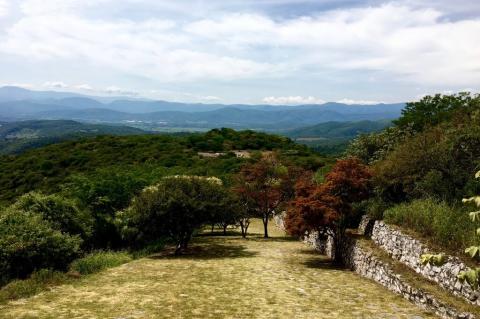
Mesoamerica: Unveiling the Cultural Richness of Middle America

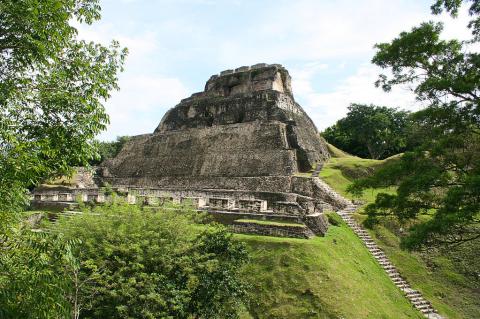
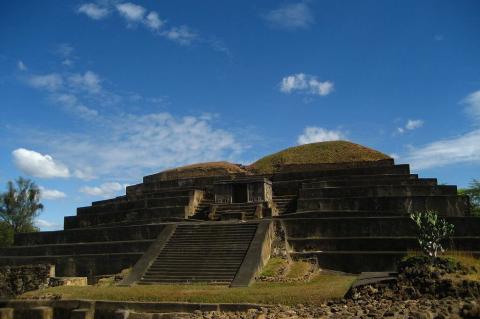
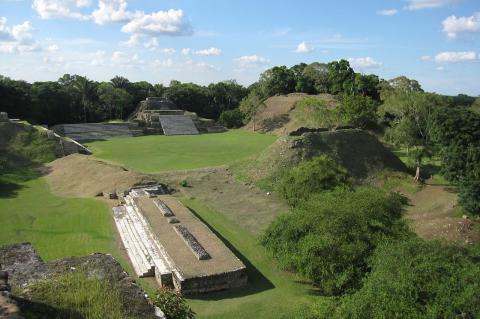
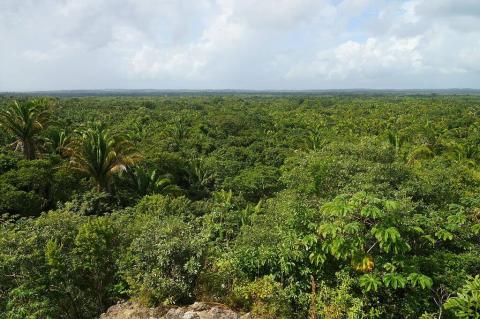
Mesoamerica, a historical and cultural region bridging North and South America, has long been a center of human civilization, innovation, and cultural exchange. The term "Mesoamerica," meaning "Middle America" in Greek, refers to a vast area stretching from south-central Mexico to northern Costa Rica. This region, home to some of the most advanced pre-Columbian societies, features a variety of landscapes and climates that played a crucial role in shaping the development of ancient civilizations.

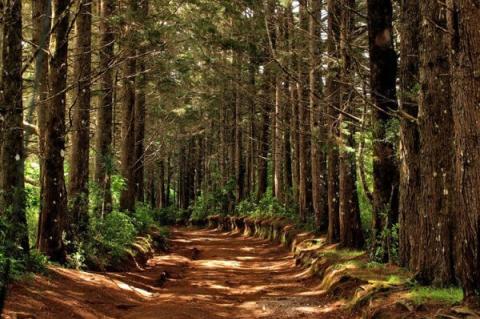
Montecristo National Park: A Jewel of Biodiversity in El Salvador

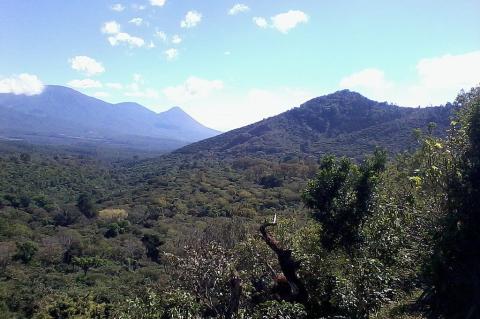
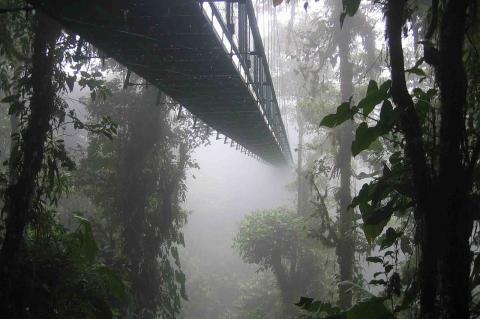
Montecristo National Park, located in the northwestern corner of El Salvador, is a magnificent natural sanctuary known for its rich biodiversity, pristine landscapes, and unique ecological significance. Part of the Trifinio Fraternidad Biosphere Reserve, it offers visitors a glimpse into the region's lush cloud forests, diverse wildlife, and ancient archaeological sites, making it a prime destination for nature enthusiasts, researchers, and eco-tourists.

Montecristo Trifinio National Park: A Honduran Natural Treasure

Montecristo Trifinio National Park, located in the northwest corner of Honduras, is vital to the country's natural heritage. This park is renowned for its rich biodiversity, pristine cloud forests, and significant ecological importance. Covering an area of over 7,500 hectares, Montecristo Trifinio National Park is a crucial component of the Trifinio Fraternidad Biosphere Reserve, a tri-national conservation initiative shared with El Salvador and Guatemala.

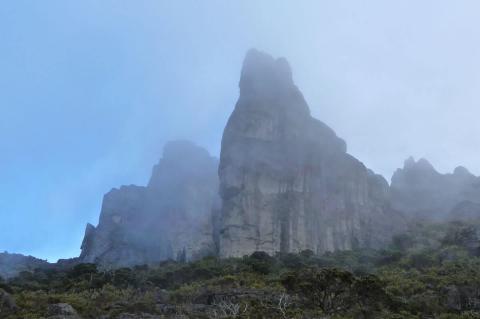
Mount Chirripó and Chirripó National Park: Costa Rica's Crowning Glories

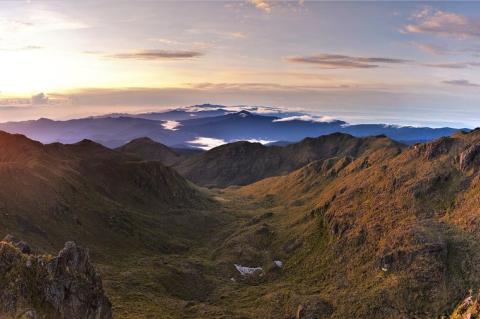
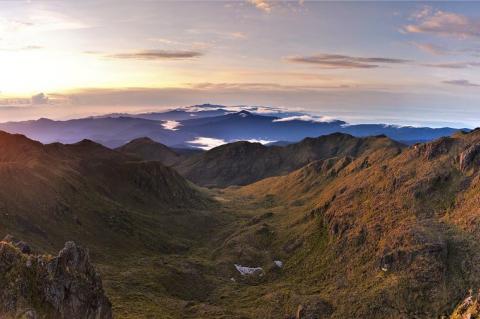
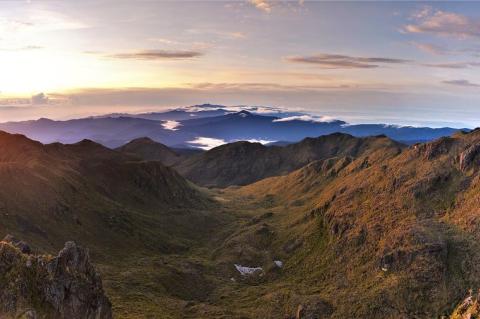
Mount Chirripó (Cerro Chirripó) stands tall as the highest mountain in Costa Rica. This majestic peak is located within the boundaries of the renowned Chirripó National Park, a true gem of ecological wealth and biodiversity. The mountain's name, "Chirripo," meaning "land of eternal waters," was bestowed by Native Americans, aptly reflecting the abundance of lakes and streams that grace its surroundings.

Nicoya: A Blend of Biodiversity and Heritage in Costa Rica

The Nicoya Peninsula and the Gulf of Nicoya are two of Costa Rica's most captivating regions, known for their stunning landscapes, rich biodiversity, and vibrant cultural heritage. Situated along the northern section of the Pacific coast, the Nicoya Peninsula stretches across two provinces, while the Gulf of Nicoya indents the west-central part of the coastline. These areas offer a unique blend of natural beauty and historical significance.

Ometepe: A Volcanic Gem in Lake Nicaragua

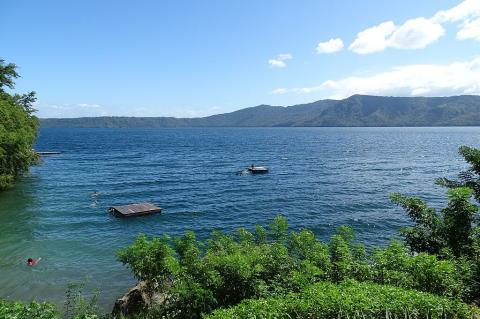
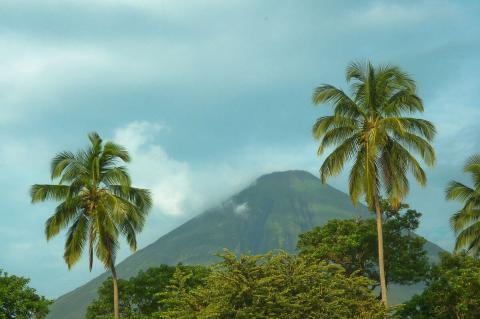
Rising dramatically from the vast expanse of Lake Nicaragua, Ometepe Island is a unique and captivating natural wonder. This island, shaped by two volcanoes, Maderas and Concepción, is a vibrant mosaic of lush forests, diverse wildlife, and rich cultural history. As the largest island in Lake Nicaragua and a UNESCO-designated biosphere reserve, Ometepe is a geological marvel and a vital ecological and cultural treasure. The island’s economy is rooted in agriculture, livestock, and tourism, which thrives amid its stunning landscapes.

Palo Verde National Park: Costa Rica's Biodiversity Haven

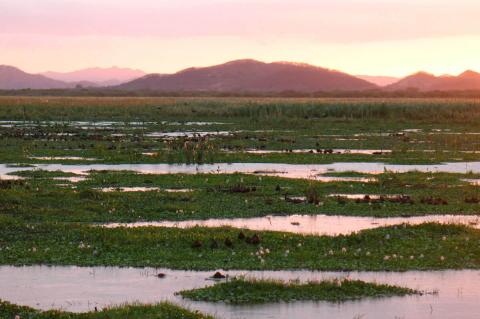
Nestled in the heart of the Guanacaste Province, Palo Verde National Park is an integral part of SINAC's Tempisque Conservation Area. The park derives its name from the hardy palo verde shrub, an emblem of the resilience that characterizes this unique ecosystem. This national treasure is among the last bastions safeguarding the endangered tropical dry forests that once blanketed Central America.