Central America

Exploring the Natural and Cultural Tapestry of the Cordillera Volcánica Central Biosphere Reserve

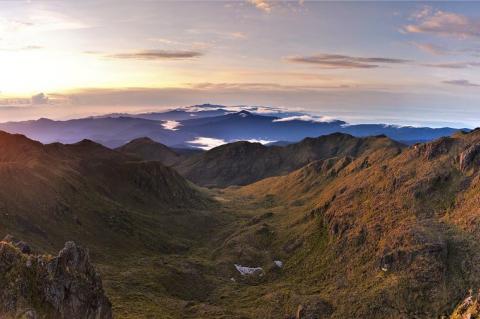
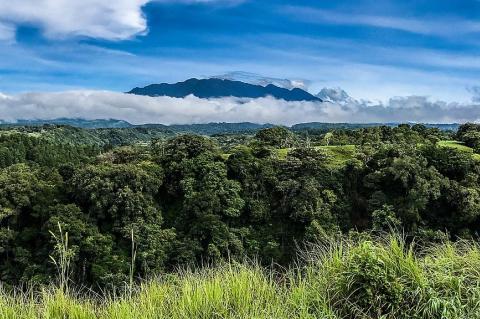
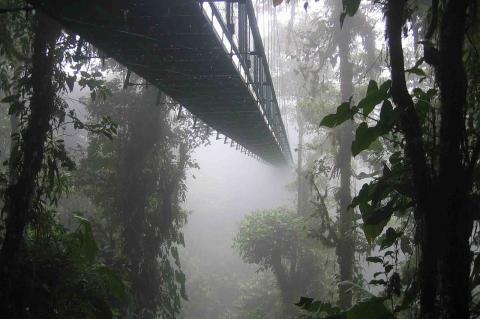
Nestled in the heart of Costa Rica's Central Highlands, the Cordillera Volcánica Central Biosphere Reserve is a testament to the country's rich natural and cultural heritage. Recognized for its immense ecological and cultural significance, the Cordillera Volcánica Central Biosphere Reserve offers a captivating journey through Costa Rica's volcanic heartland, where ancient peaks, dense forests, and vibrant ecosystems converge to create a breathtaking tapestry of natural wonders.

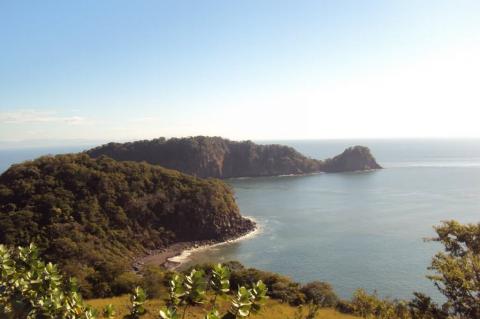
Golfo Dulce, Osa Peninsula, and Coronado Bay: A Haven of Biodiversity in Costa Rica

The southern Pacific coast of Costa Rica is home to some of the most ecologically rich and visually stunning landscapes in Central America. The Golfo Dulce, the Osa Peninsula, and Coronado Bay stand out as a triad of natural wonders, each contributing uniquely to the region's biodiversity and environmental significance. The following exploration offers an in-depth examination of their distinct ecosystems, conservation efforts, and role in Costa Rica's broader environmental narrative.

Guardians of Biodiversity: The Río Plátano Biosphere Reserve

The Río Plátano Biosphere Reserve, located in northeastern Honduras along the Mosquito Coast, is the largest protected area in the country. The reserve protects the entire watershed of the Río Plátano, from its mountainous headwaters to its mouth on the Caribbean Sea. It forms part of the Mesoamerican Biological Corridor, an essential ecological region that connects Central American ecosystems. In addition to its natural beauty, the reserve holds significant archaeological and cultural importance, with both pre-Columbian heritage sites and thriving indigenous communities.

Guatemala's Vital Waterway: The Motagua River

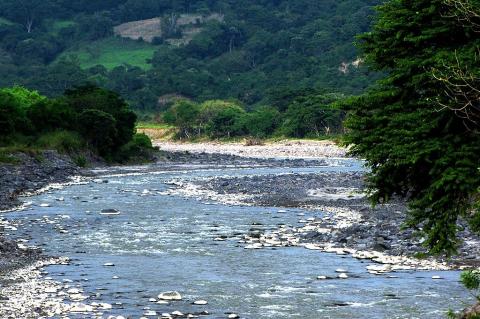
Flowing from the western highlands to the Caribbean Sea, the Motagua River is one of Guatemala's most significant waterways. Spanning a diverse range of ecosystems and serving as a crucial natural and economic resource, the river has shaped the country's geography, history, and development. Its waters have sustained ancient civilizations, provided routes for trade, and supported agriculture and industry. Despite its importance, the Motagua River faces environmental challenges that threaten its future.
Gulf of Fonseca: Central America’s Coastal Treasure

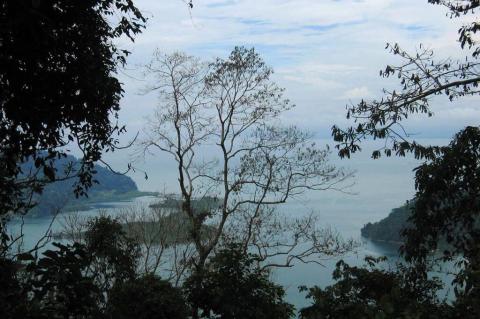
The Gulf of Fonseca is a stunning inlet of the Pacific Ocean nestled along the coasts of three Central American countries: El Salvador, Honduras, and Nicaragua. This picturesque body of water, renowned for its ecological diversity, historical significance, and economic importance, is a critical maritime hub in the region. Encompassing a mix of pristine beaches, lush mangroves, and vibrant marine life, the Gulf of Fonseca is a testament to Central America's natural beauty and cultural richness.

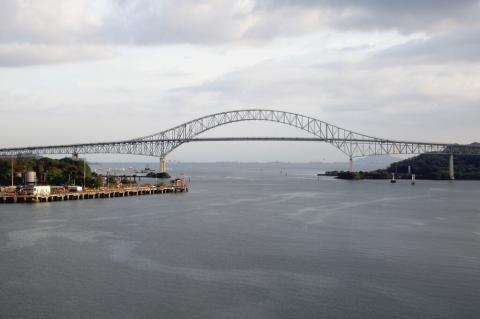
Gulf of Panama: The Heart of Maritime Trade and Biodiversity

The Gulf of Panama, a prominent body of water along Panama's southern coast, serves as a key connection between the Pacific Ocean and the Panama Canal, making it a vital hub for global maritime trade. With its unique geographical features and ecological diversity, this expansive Gulf is central to Panama's economy and natural heritage. Home to the bustling capital, Panama City, and bordered by smaller gulfs and bays, the Gulf is a dynamic region where urban development and natural environments coexist.
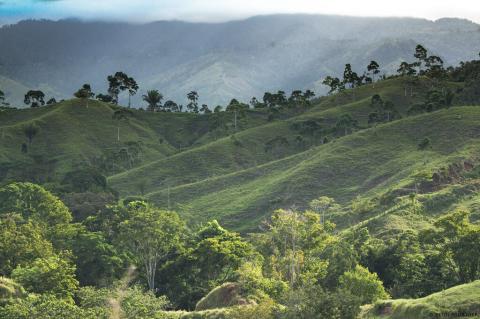
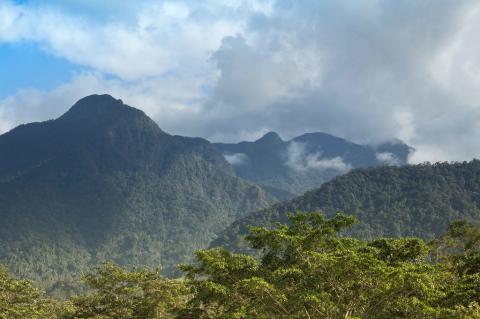
Honduras's Biodiversity Haven: Pico Bonito National Park

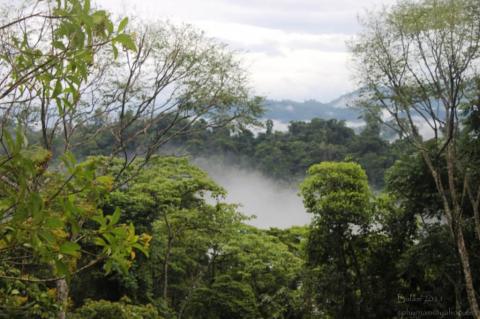
Pico Bonito National Park, nestled in the heart of Honduras, is a breathtaking sanctuary that exemplifies the country's remarkable biodiversity and rugged natural beauty. The park is home to towering peaks, lush tropical forests, and crystal-clear rivers. Its diverse ecosystems harbor a stunning variety of plant and animal species, making it one of Central America's most biologically rich regions. Accessible yet pristine, Pico Bonito offers visitors an unparalleled opportunity to connect with nature.
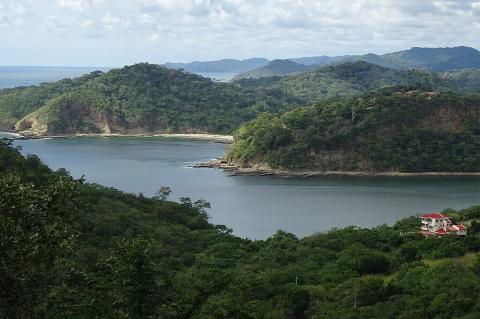
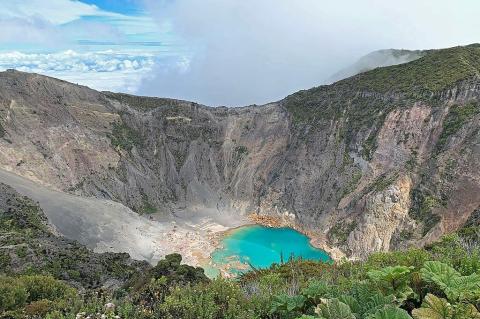
Irazú Volcano: Costa Rica's Colossal Guardian

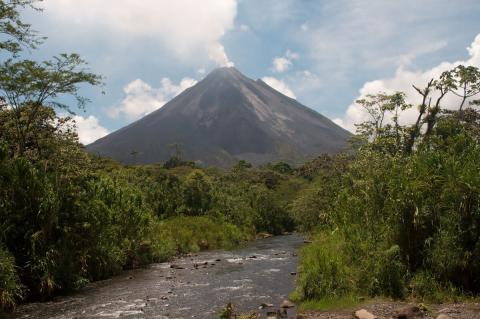
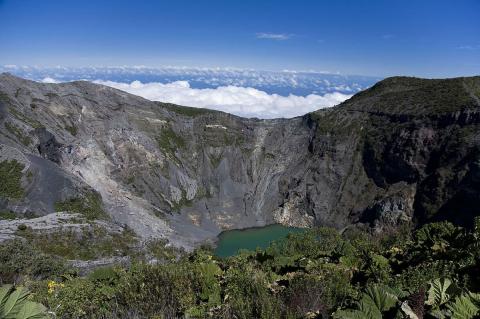
Irazú Volcano, an awe-inspiring active stratovolcano, is a prominent feature in Costa Rica's Cordillera Central. Close to the city of Cartago, this natural wonder is the highest active volcano in the country. Its rich history, significant eruptions, and diverse ecosystems are preserved within the boundaries of the Irazú Volcano National Park, a haven for nature enthusiasts and researchers alike.

Izalco and Santa Ana: Guardians of El Salvador's Volcanic Landscape

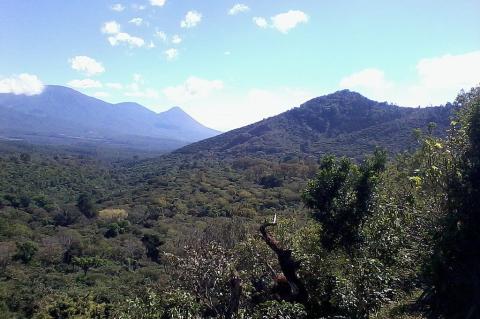
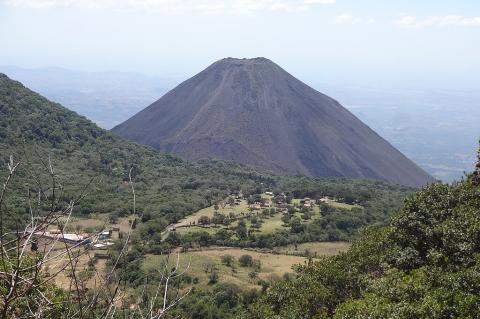
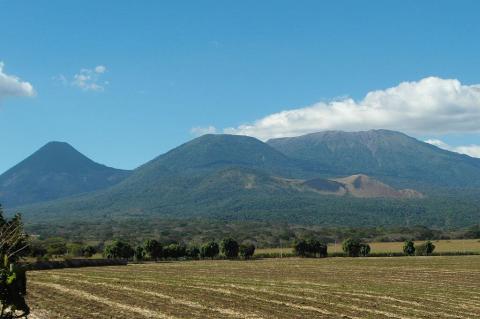
Towering above the western highlands of El Salvador, the Izalco and Santa Ana (Ilamatepec) volcanoes stand as powerful testaments to the country's dynamic geological history. These stratovolcanoes shape the surrounding landscape and play a crucial role in El Salvador's culture, history, and ecology. While Izalco's fiery eruptions once earned it the nickname "Lighthouse of the Pacific," Santa Ana's vast crater and complex terrain showcase the forces of nature that continue to sculpt the region.

Joya de Cerén: The Pompeii of the Americas

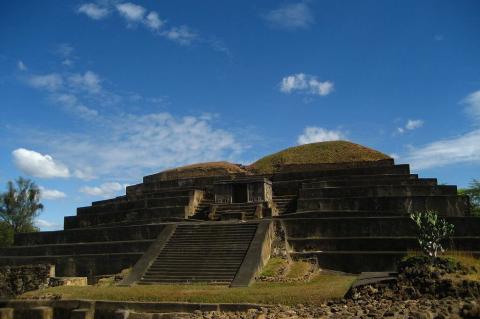
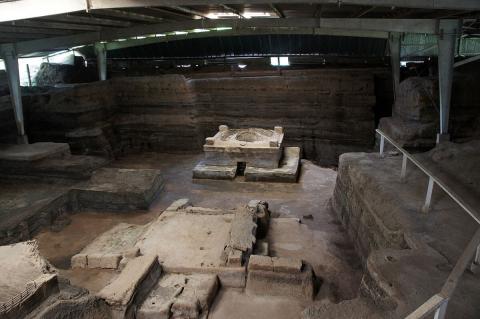
In El Salvador's La Libertad Department lies the Joya de Cerén site, often called the "Pompeii of the Americas." This World Heritage Site contains the remarkably preserved remains of a pre-Hispanic farming village suddenly buried beneath volcanic ash in the seventh century AD. Joya de Cerén offers a glimpse into the ancient Mesoamerican people's daily lives, customs, and traditions, providing a window into a vanished world.