Central America

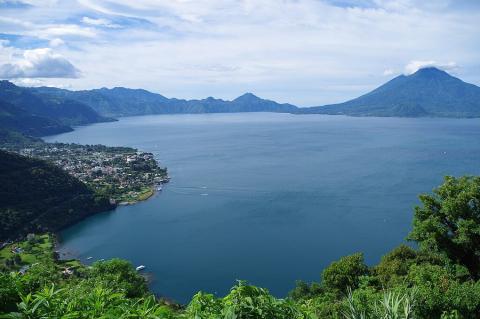
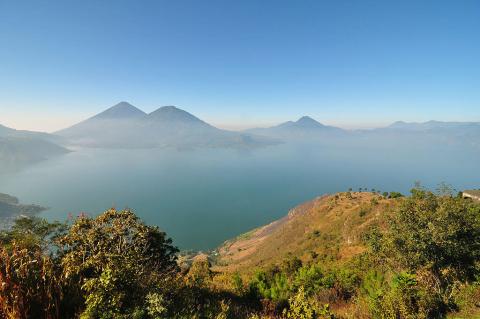
Lake Atitlán and Volcán Atitlán: Guatemala's Volcanic Treasures

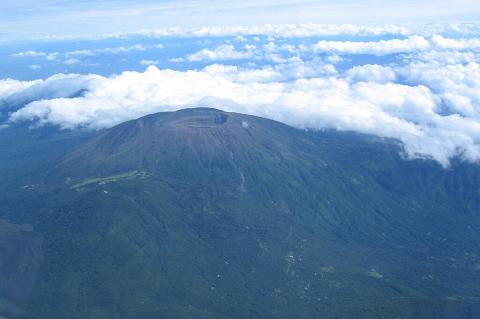
Nestled in the Guatemalan Highlands, Lake Atitlán and the towering Volcán Atitlán represent two of Guatemala's most iconic natural landmarks. Lake Atitlán is renowned for its stunning beauty, dramatic volcanic backdrop, and deep cultural heritage, while Volcán Atitlán stands as one of the region's most prominent and active stratovolcanoes. Together, they form a unique landscape that draws tourists and researchers alike, offering a glimpse into Guatemala's rich biodiversity and the enduring legacy of Maya culture.

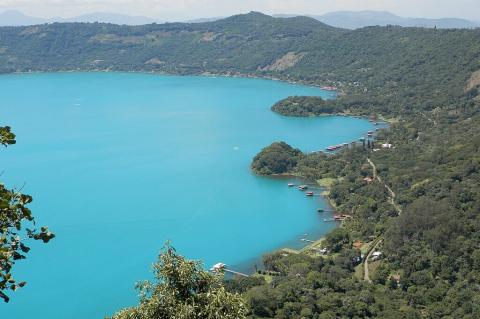
Lake Coatepeque: The Jewel of El Salvador's Volcanic Landscapes

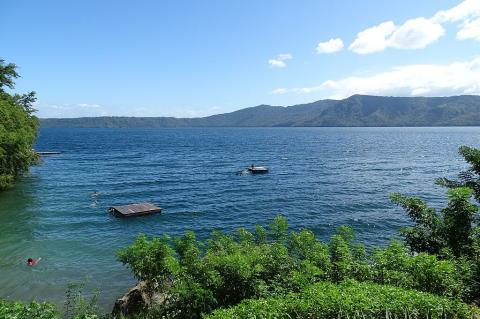
Nestled within the volcanic highlands of western El Salvador, Lake Coatepeque captivates visitors with its breathtaking beauty and tranquil waters. This crater lake, formed over thousands of years by volcanic activity, offers a serene retreat surrounded by verdant slopes and rich biodiversity. Its vibrant cultural history, ecological importance, and recreational opportunities make it one of the most iconic destinations in the region.

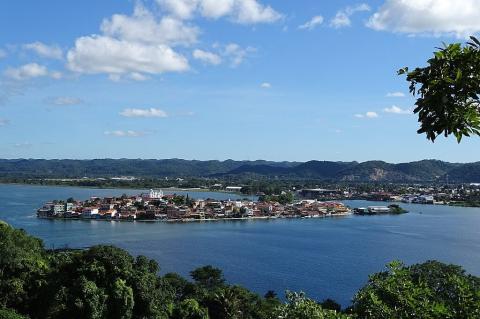
Lake Izabal and Castillo de San Felipe de Lara: Guatemala's Historic and Natural Treasures

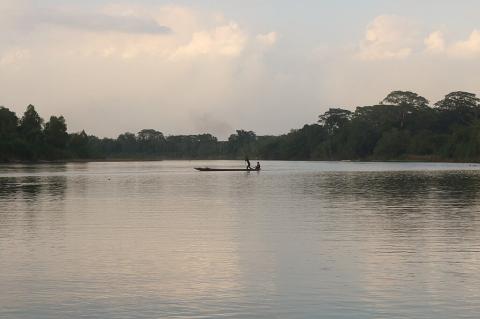
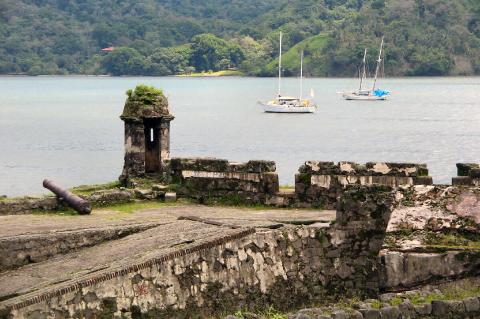
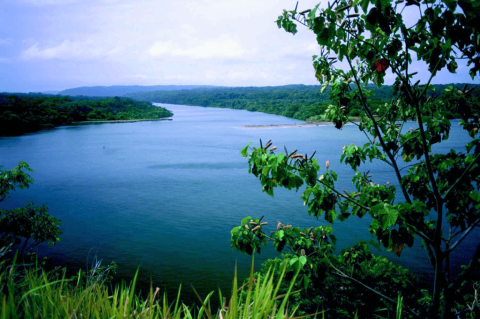
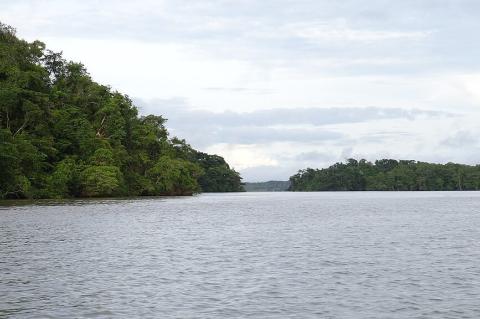
Lake Izabal, Guatemala's largest lake, is a vital resource with significant historical importance. Located in the east, it connects inland rivers to the Caribbean Sea via the Río Dulce. At its entrance, Castillo de San Felipe de Lara symbolizes Guatemala's colonial past. Built in the 17th century, it protected Spanish trade from pirates and is now a national monument. The nearby Río Dulce National Park, with its rainforests and unique ecosystems, adds to the area's ecological and cultural value.
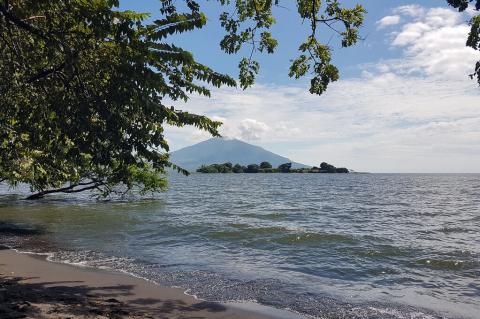
Lake Nicaragua: The Sweet Sea of Central America

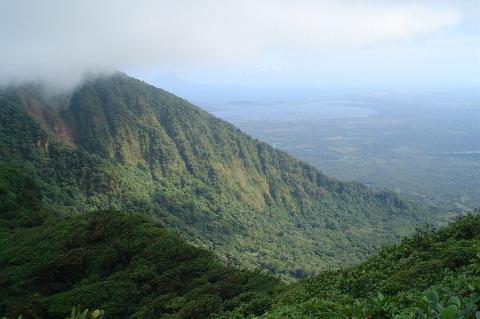
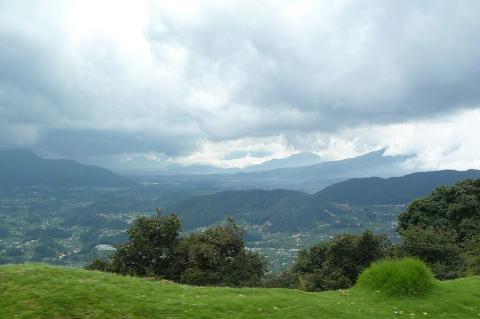
Lake Nicaragua, or Lago de Nicaragua, is the largest freshwater lake in Nicaragua and Central America. Known to the indigenous people as Cocibolca and referred to by the Spanish as Mar Dulce, both names translate to "sweet sea." This expansive lake is a dominant physical feature of Nicaragua, influencing the country's geography, ecology, and culture. With its vast size, diverse wildlife, and historical significance, the lake is a natural treasure and a vital resource for people around its shores.

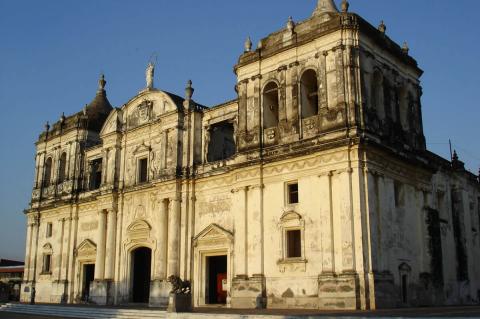
León Cathedral: The Historic Heart of Nicaragua

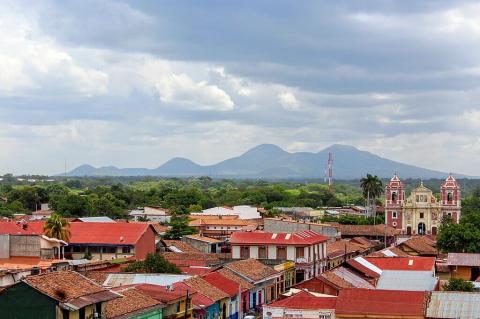
The León Cathedral, also known as the Cathedral of the Assumption of Mary, is a historic and architectural landmark in León, Nicaragua. It is the largest cathedral in Central America and represents the region's rich cultural and religious history. Constructed between 1747 and 1814 and consecrated by Pope Pius IX in 1860, it is significant for its architectural grandeur, historical importance, and role in the local community, making it a cornerstone of Nicaraguan heritage.

León Viejo: The Ancient Heart of Nicaragua

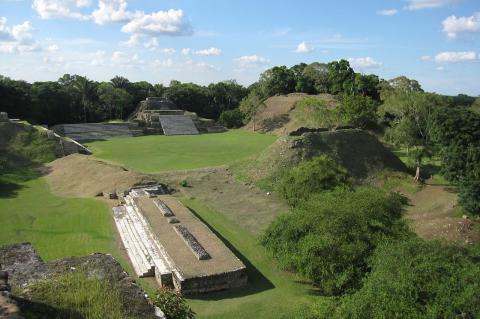
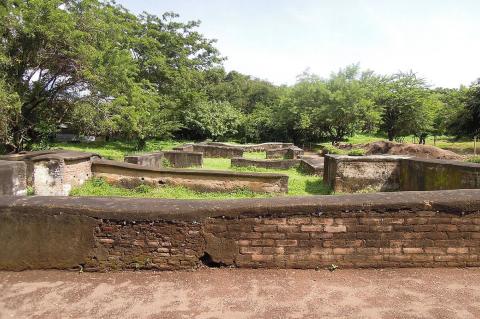
The Ruins of León Viejo, located in northwestern Nicaragua, represent a profound chapter in the early colonial history of the Americas. As one of the oldest Spanish colonial settlements, León Viejo is a significant historical and cultural site that offers unique insights into the interactions between Spanish settlers, Indigenous peoples, and the environment. Designated as a UNESCO World Heritage Site, the ruins of León Viejo stand as a preserved testament to Nicaragua's colonial past.
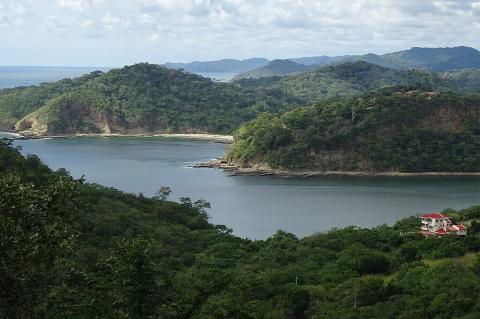
León, Nicaragua: A City of Heritage, Art, and Adventure

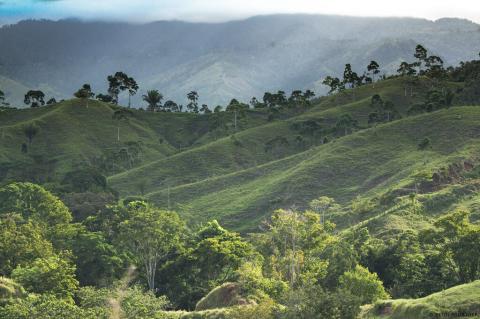
León, Nicaragua, is a city defined by its rich history, vibrant culture, and profound resilience. Known for its colonial architecture, dynamic arts scene, and significant role in Nicaragua's political history, León draws travelers and historians alike. Founded by Spanish conquerors, León's past reflects centuries of colonial influence, revolutionary fervor, and natural disasters. Today, León is a testament to endurance and renewal, featuring a unique blend of history, art, and natural beauty within its lively streets and landscapes.

Limón: Costa Rica's Vibrant Caribbean Heart

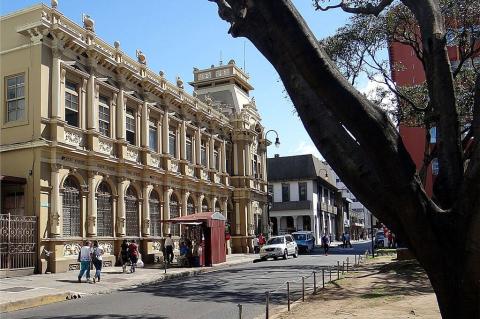
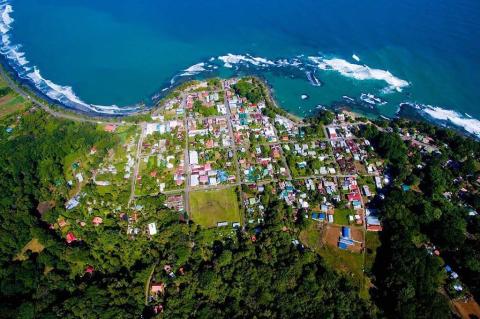
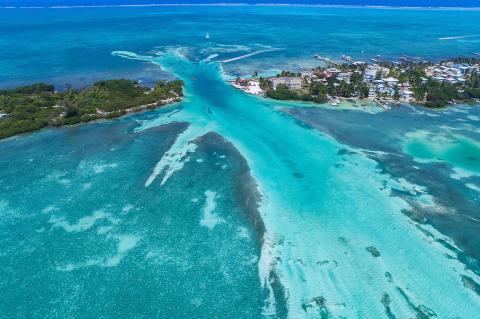
Nestled along Costa Rica's lush Caribbean coastline, Limón is a vibrant confluence of history, culture, and natural beauty. This port city, officially known as Puerto Limón, is more than a logistical hub; it is a cultural treasure shaped by centuries of Indigenous traditions, Afro-Caribbean heritage, and its strategic geographic location. Limón's tropical landscapes, rich biodiversity, and dynamic communities offer an immersive experience that captures the essence of Costa Rica's eastern coast.

Los Quetzales National Park: A Verdant Sanctuary for Costa Rica's Avian Jewel

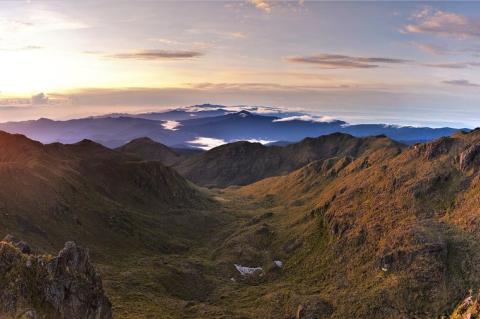
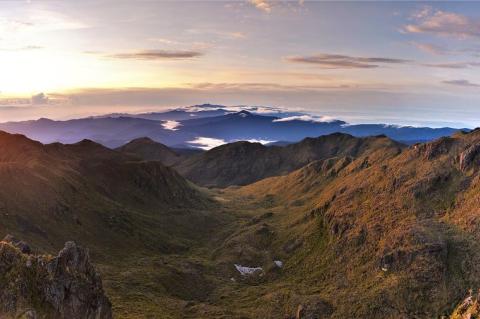
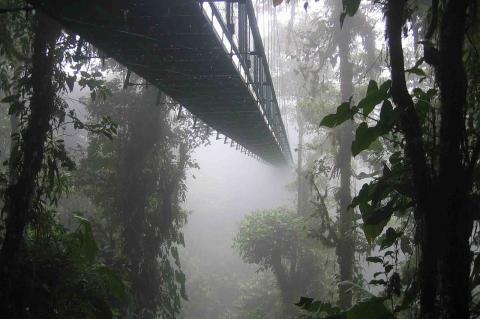
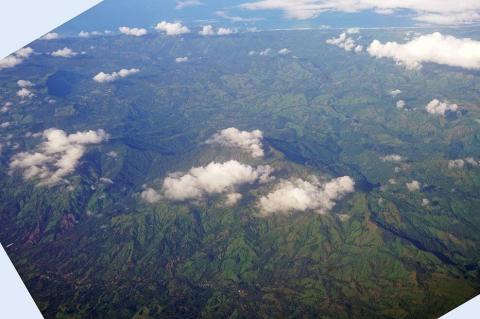
Nestled within the majestic Talamancan mountain range, Los Quetzales National Park is a testament to Costa Rica's unwavering commitment to preserving its natural heritage. This protected area is a tapestry of rainforests and cloud forests, encompassing a remarkable 14 ecosystems. Named after the resplendent quetzal, this park serves as a vital sanctuary for this avian jewel and many other species that call this verdant oasis home.

Los Volcanes National Park: El Salvador's Geothermal Marvel

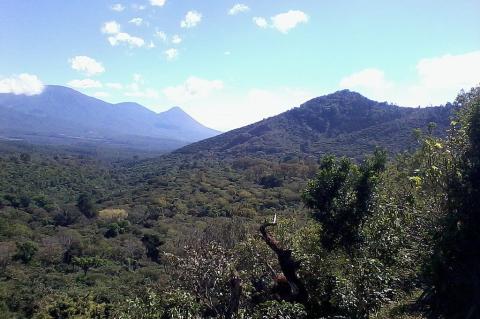
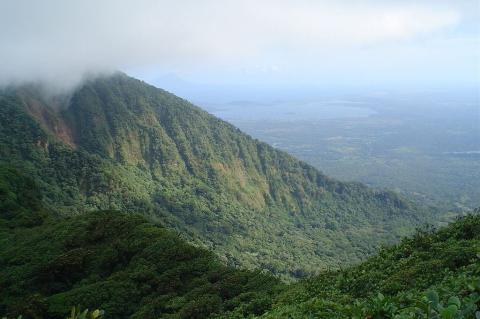
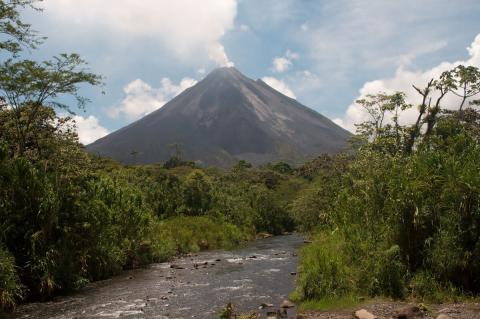
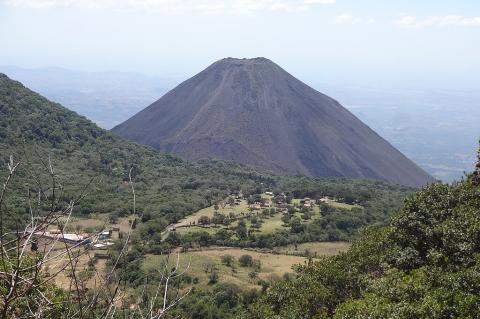
Los Volcanes National Park, also known as Parque Nacional Los Volcanes, is one of the most stunning protected areas in El Salvador. Located in the western highlands, it features remarkable geological formations, diverse ecosystems, and deep cultural significance. It encompasses three iconic volcanoes: Santa Ana, Izalco, and Cerro Verde. Visitors to the park can take advantage of a unique opportunity to explore the breathtaking beauty of Central America.