Central America

Central America's Enigmatic Mosquito Coast

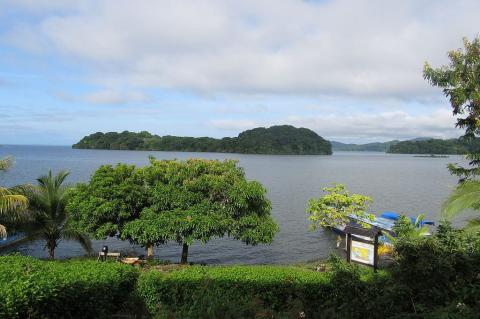
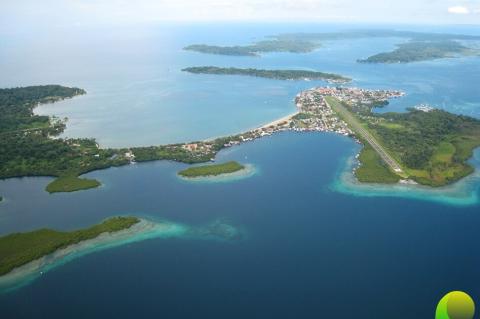
The Mosquito Coast, also known as the Miskito Coast, is a captivating region along the eastern shores of Nicaragua and Honduras shrouded in mystery and allure. Named after the indigenous Miskito people who have inhabited the area for centuries, this coastal enclave boasts a rich tapestry of history, culture, and natural wonders. The Mosquito Coast offers a glimpse into Central America's diverse heritage and ecological richness.

Cerro Hoya National Park: Panama’s Biodiversity Refuge

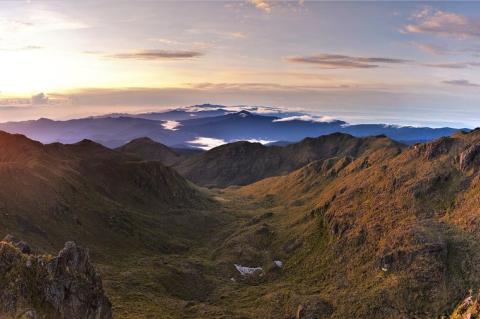
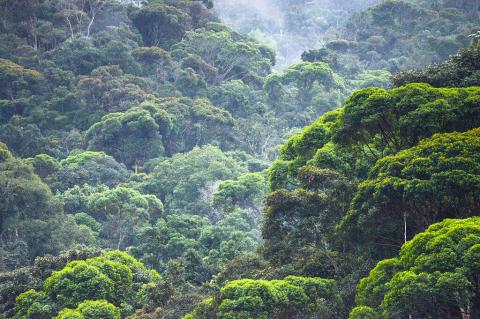
Cerro Hoya National Park, located on the southern tip of the Azuero Peninsula in Panama, is a bastion of untouched natural beauty and ecological significance. Spanning the Los Santos and Veraguas provinces, this park is renowned for its rich biodiversity, unique landscapes, and historical importance. As one of the last refuges of the peninsula's original forests, the park serves as a critical conservation area, preserving rare species of flora and fauna and offering a glimpse into Panama's past.
Chagres National Park: Guardian of the Panama Canal

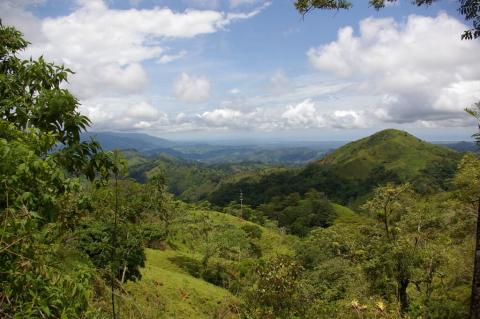
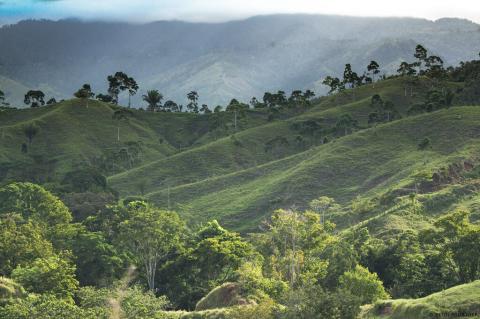
Nestled in the heart of Panama, Chagres National Park is a vital ecological and cultural haven and a significant protectorate of diverse flora, fauna, and water resources. Its location near the Panama Canal highlights its crucial role in maintaining regional water quality and ensuring the canal's smooth operation. Beyond its ecological significance, the park is a living repository of Indigenous heritage and historical legacies, offering an unparalleled blend of natural beauty and cultural depth.
Cockscomb Basin and Range: Belize's Iconic Wildlife Sanctuary and Jaguar Preserve

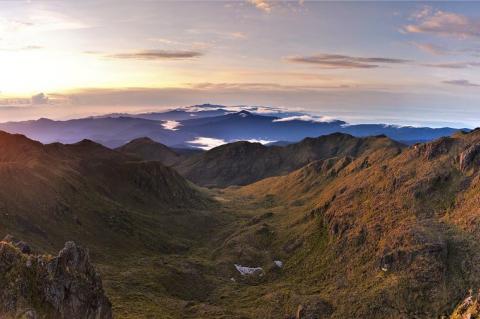
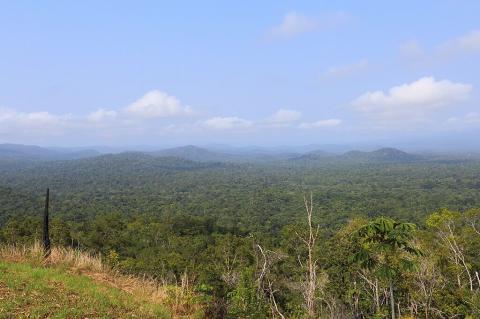
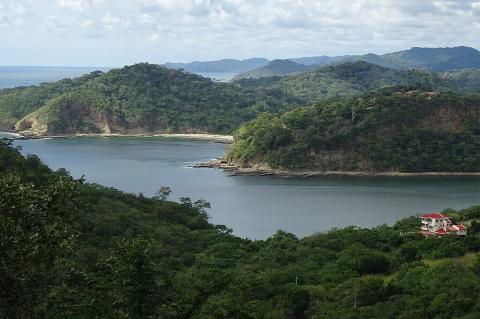
The Cockscomb Basin Wildlife Sanctuary, nestled within the Cockscomb Range in southern Belize, is one of the world's most successful and pioneering conservation areas. This sanctuary, the first dedicated jaguar preserve, provides a protected habitat for Belize's elusive big cats and safeguards biodiversity within its dense tropical forests, rivers, and mountainous terrain. The Cockscomb Range and Basin form a unique conservation landscape, offering a refuge for endangered species and a valuable ecological research site.

Coco River: The Lifeblood of Nicaragua and Honduras

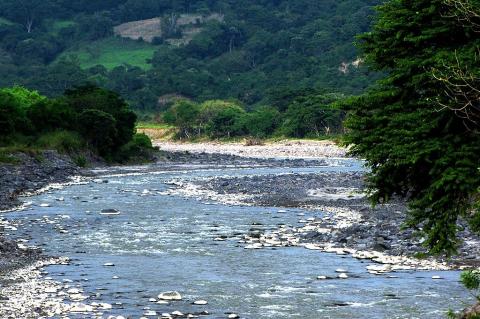
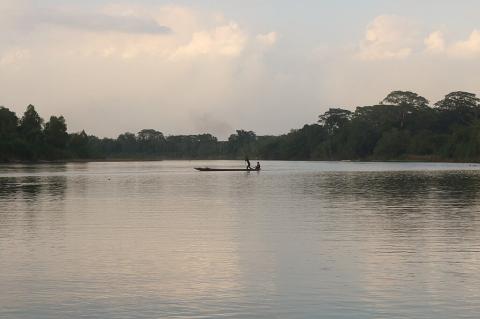
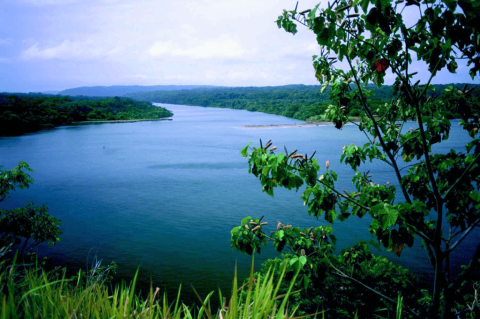
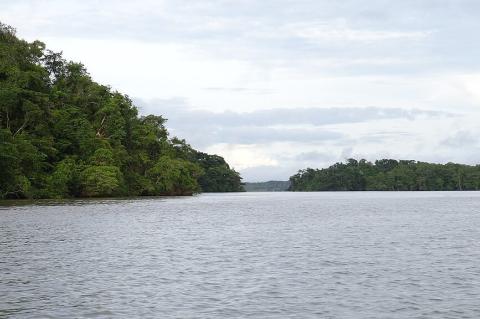
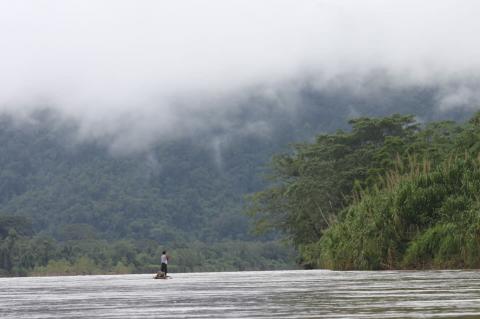
The Coco River is one of the most prominent rivers in Central America. Formerly referred to as the Segovia River, it stretches along the border between Nicaragua and Honduras, serving as a natural divider and a cultural crossroads. Originating in the highlands of Honduras and flowing eastward to the Caribbean Sea, the Coco River supports diverse ecosystems and Indigenous communities while facilitating economic activities such as agriculture and fishing.

Cocos Island: The Pristine Marine Sanctuary of the Eastern Pacific

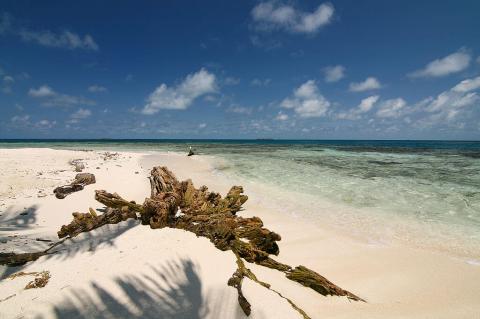
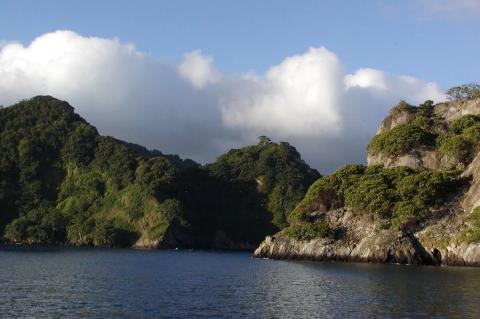
Cocos Island, known as Isla del Coco in Spanish, is a remote and pristine volcanic island located in the Eastern Tropical Pacific, south of Costa Rica's Osa Peninsula. This island is a natural wonder teeming with unique biodiversity and rich marine life. Cocos Island and its surrounding marine environments are protected as part of the Cocos Island National Park, a UNESCO World Heritage site.

Coiba Island: The Galápagos of Central America

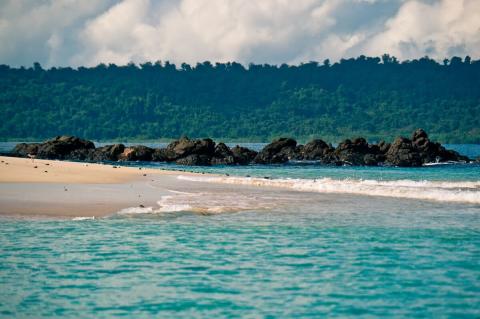
Coiba Island, located off the western coast of Panama, is a natural paradise characterized by its remarkable biodiversity and unspoiled ecosystems. As the largest island in Central America, Coiba and its surrounding National Park provide a unique refuge for numerous plant and animal species. Over the centuries, this island has evolved from an isolated haven to a feared prison colony and, finally, to a renowned conservation area and UNESCO World Heritage Site.

Colón: The Gateway to Panama's Caribbean Coast

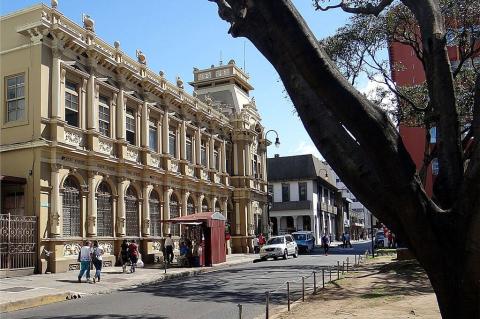
Colón, located on Panama's northern coast, is a crucial crossroads of history, commerce, and culture. Situated at the Atlantic entrance of the Panama Canal, it features a rich heritage influenced by colonial ambitions and Afro-Caribbean traditions. This city juxtaposes dynamic economic zones with historical landmarks and vibrant communities, embodying a story of resilience and transformation that offers insights into Panama's past and future.

Copán: The Crown Jewel of the Maya Civilization

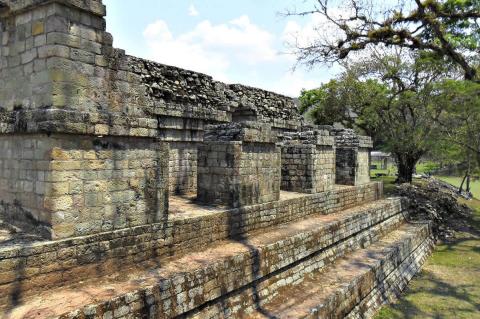
The Maya Site of Copán, nestled in the western region of Honduras near the border with Guatemala, stands as one of the most significant remnants of the ancient Mayan civilization. This remarkable archaeological site reflects the grandeur of the Mayan cultural and political achievements and offers invaluable insights into the sophisticated society that once thrived in Mesoamerica. With its intricate sculptures, impressive architectural feats, and rich historical significance, Copán has earned its place as a critical site in studying ancient civilizations.

Corcovado National Park: Costa Rica's Biodiversity Epicenter in the Mesoamerican Corridor

On Costa Rica's remote Osa Peninsula, where pristine beaches meet impenetrable rainforests and the Pacific Ocean laps against shores where jaguars still hunt at twilight, lies one of the most extraordinary conservation achievements in the Western Hemisphere. Corcovado National Park, encompassing the world's most biologically intense ecosystems, represents far more than Costa Rica's largest national park—it serves as a crucial anchor point for the Pacific coast within the Mesoamerican Biological Corridor.