Central America

The Cocos Plate: Central America's Subduction Driver

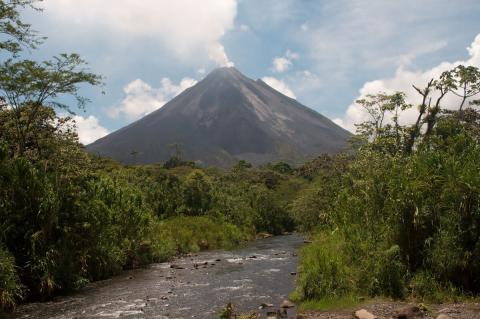
The Cocos Plate, covering approximately 2.86 million square kilometers (1.10 million square miles) of the eastern Pacific Ocean, drives one of Earth's most active volcanic systems through rapid subduction beneath Central America. This small oceanic plate, named after Costa Rica's Cocos Island, illustrates how relatively minor tectonic elements can have a profound influence on regional geology, creating spectacular volcanic landscapes and significant seismic hazards.
The Eastern Tropical Pacific Marine Corridor: Safeguarding the Seas

The Eastern Tropical Pacific Marine Corridor is a vital marine conservation initiative encompassing several key marine protected areas across the eastern Pacific Ocean. Spanning the waters of Costa Rica, Panama, Colombia, and Ecuador, this corridor aims to preserve one of the planet's richest and most diverse marine ecosystems. The corridor serves as a blueprint for international cooperation in marine conservation.

The Ecological Wonders of Guanacaste National Park

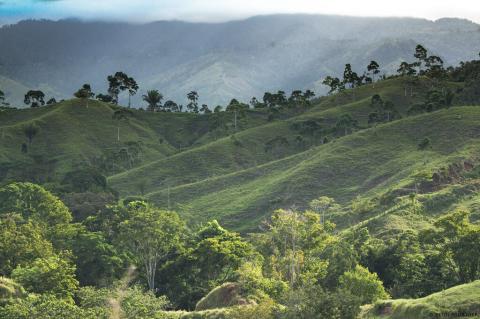
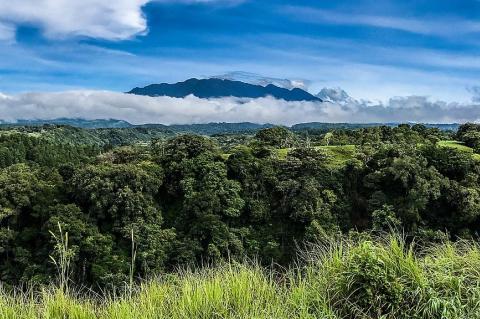
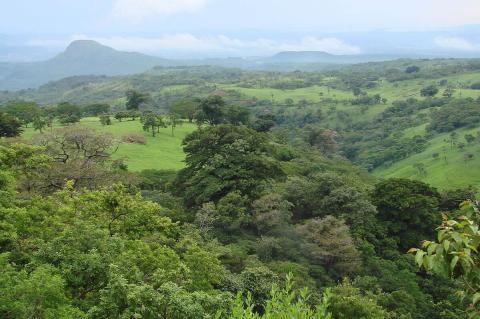
Guanacaste National Park, located in northern Costa Rica, is a sanctuary for incredible wildlife and diverse ecosystems. The park forms a vital biological corridor linking the dry forests of Santa Rosa National Park with the lush rainforests of the Orosí and Cacao volcanoes. This connectivity supports seasonal migrations of various species and preserves the rich biodiversity that Costa Rica is renowned for.

The Enigmatic Ruins of Guayabo de Turrialba: Echoes of a Lost Civilization

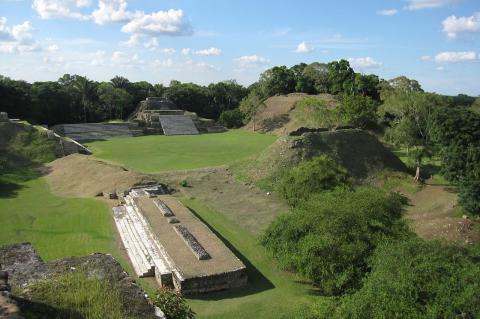
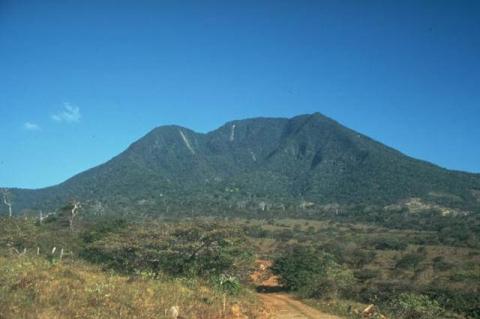
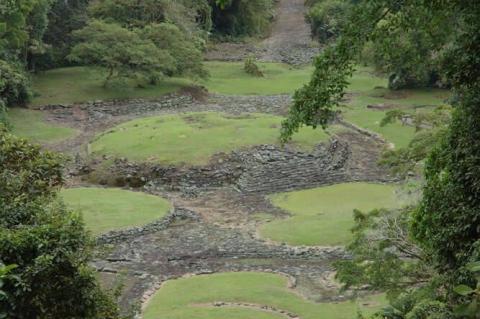
Guayabo de Turrialba, nestled amidst the lush wilderness of the Turrialba Volcano, is a testament to Costa Rica's rich pre-Columbian history, nestled amidst the lush wilderness of the Turrialba Volcano. As the largest pre-Columbian city discovered in Costa Rica, the Guayabo National Monument offers a glimpse into the lives of the people who once thrived in this ancient urban center.

The Enigmatic Stone Spheres of the Diquís: A Legacy of Costa Rica's Ancient Past

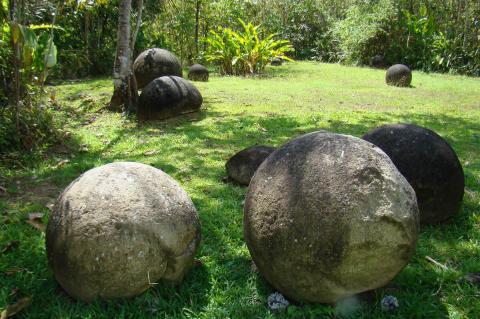
A mysterious collection of over three hundred near-perfect stone spheres lies scattered among the tropical landscapes of Costa Rica's Diquís Delta and Isla del Caño. These remarkable artifacts, known locally as bolas de piedra, vary in size from small stones to massive spheres. Crafted by the now-extinct Diquís culture between 500 and 1500 CE, their true purpose remains unknown. The stone spheres not only showcase the craftsmanship and complexity of the Diquís people but also serve as an enduring symbol of Costa Rica's pre-Columbian heritage.

The Fortress of the Immaculate Conception: Nicaragua's Sentinel on the San Juan River

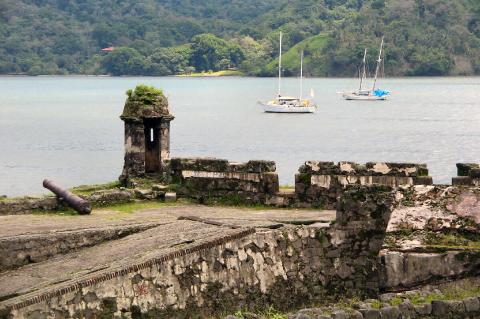
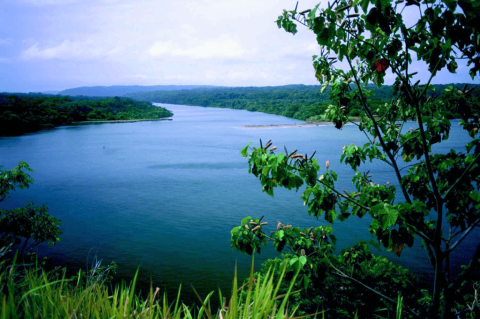
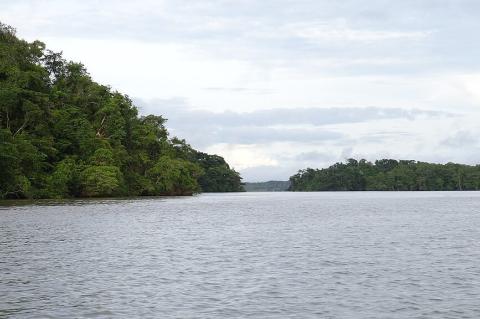
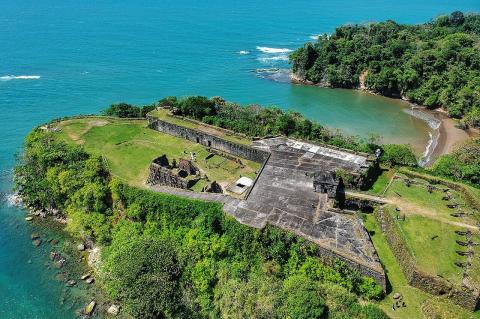
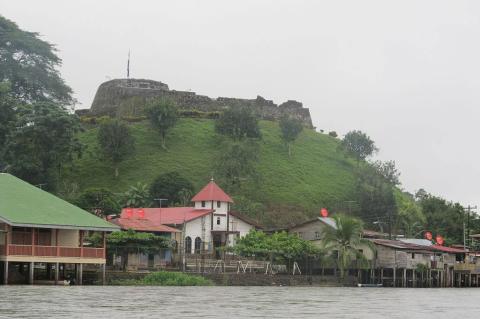
The Fortress of the Immaculate Conception, built by the Spanish between 1673 and 1675 in El Castillo village on a bend of the San Juan River, is one of Nicaragua's most important colonial landmarks. It gained fame through Rafaela Herrera's heroic 1762 defense against a British attack and witnessed Horatio Nelson's 1780 campaign. Now a museum within the Indio-Maíz Biosphere Reserve, it mixes military history, colonial architecture, and rainforest, accessible by boat along the historic river route used by pirates, colonists, and British navies.

The Guanacaste Conservation Area: Costa Rica's Ecological Masterpiece

Located in the northwestern province of Guanacaste, Costa Rica, the Guanacaste Conservation Area (Área de Conservación Guanacaste—ACG) is a shining example of the country's unwavering commitment to environmental preservation. This protected area network is a true ecological masterpiece, comprising a mosaic of diverse ecosystems spanning the Pacific Ocean to the lowlands of the Caribbean basin.

The Guatemalan Highlands: A Geological and Cultural Crossroads

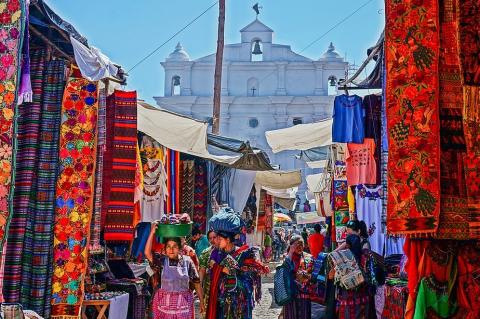
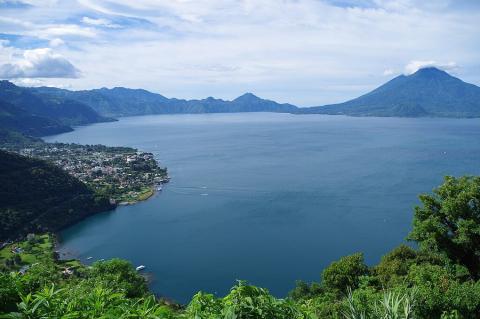
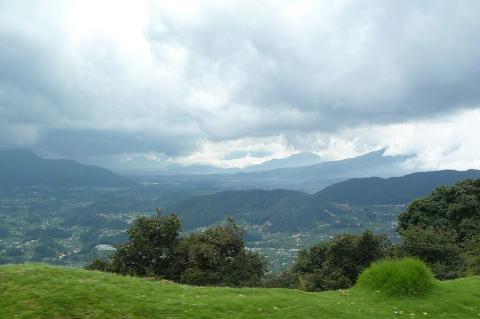
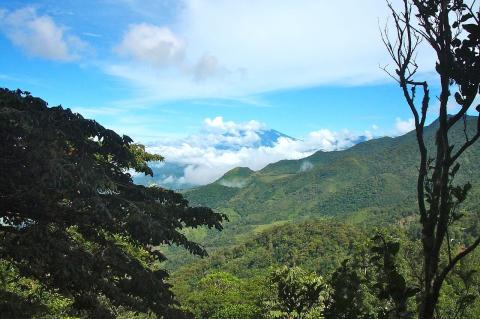
Stretching between the Pacific coastal plains and Guatemala's northern Petén lowlands, the Guatemalan Highlands represent one of Central America's most geologically complex and culturally significant regions. Known locally as "Tierras Altas," this mountainous terrain encompasses towering volcanic peaks, deep valleys, highland lakes, and Indigenous communities. The region's dramatic landscapes are the result of millions of years of tectonic activity, creating a natural laboratory where geological forces have shaped both the environment and civilization.

The Isthmus of Panama: Where Continents Collide and Biodiversity Flourishes

The Isthmus of Panama, historically known as the Isthmus of Darien, stands as one of Earth's most geologically significant landforms—a narrow bridge connecting North and South America while separating the Atlantic and Pacific Oceans. This slender strip of territory represents far more than a geographic curiosity. Its formation ranks among the most consequential geological events of the past 60 million years, fundamentally reshaping global climate patterns, ocean circulation, and the distribution of life across two continents.

The Lempa River: Central America's Lifeline of Nature and Culture

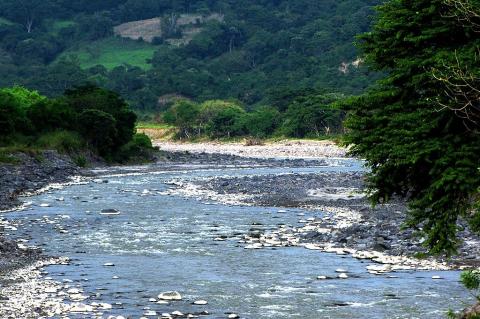
Flowing through the heart of Central America, the Lempa River is a vital artery that sustains the landscapes, economies, and communities of three nations: Guatemala, Honduras, and El Salvador. As the longest river in El Salvador, it holds immense significance in the region, shaping its environment, history, and cultural identity. The river's diverse ecosystems, historical importance, and economic contributions make it a subject of considerable interest and a focal point for conservation efforts.