Bodies of Water

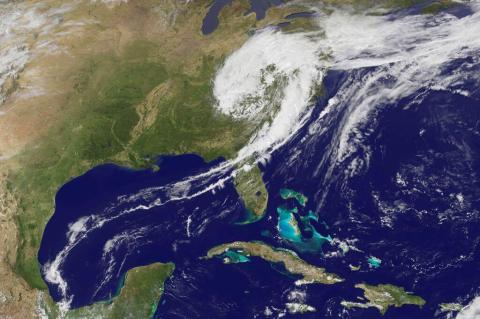
The Gulf of Mexico: Mexico's Marine Frontier and the Western Atlantic's Hidden Sea

In the warm waters between the Yucatán Peninsula and the Florida Keys lies one of the world's most economically and ecologically significant ocean basins. The Gulf of Mexico encompasses 1.6 million square kilometers of ocean that has shaped the destiny of nations, supported extraordinary biodiversity, and fueled the energy needs of North America for over a century. For Mexico, it symbolizes sovereignty, economic prosperity, and environmental challenges that define the country's relationship with marine resources.

The Iguazú River: A Natural Wonder of South America

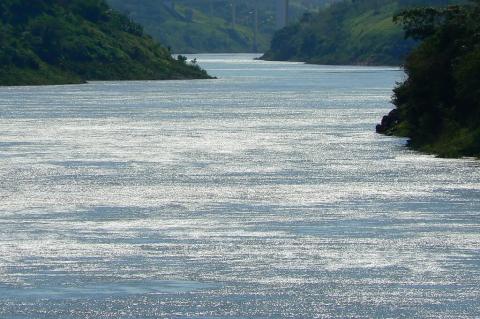
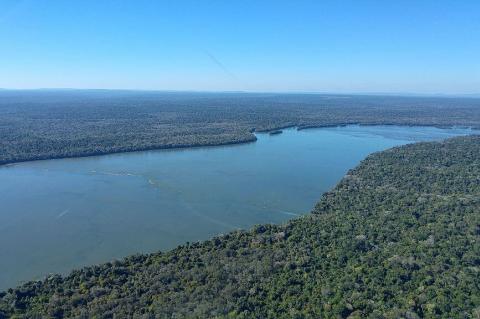
The Iguazú River, one of South America's most remarkable waterways, is a vital natural feature that traverses the landscapes of Brazil and Argentina. Renowned for its breathtaking Iguazú Falls, the river is a critical component of the region's hydrological system, supporting diverse ecosystems and serving as an essential resource for local communities. Originating in the Serra do Mar coastal range, the river winds through lush forests and rugged terrain before culminating in a dramatic series of cascades.

The Lempa River: Central America's Lifeline of Nature and Culture

Flowing through the heart of Central America, the Lempa River is a vital artery that sustains the landscapes, economies, and communities of three nations: Guatemala, Honduras, and El Salvador. As the longest river in El Salvador, it holds immense significance in the region, shaping its environment, history, and cultural identity. The river's diverse ecosystems, historical importance, and economic contributions make it a subject of considerable interest and a focal point for conservation efforts.

The Lerma River: Mexico's Lifeline and Environmental Challenge

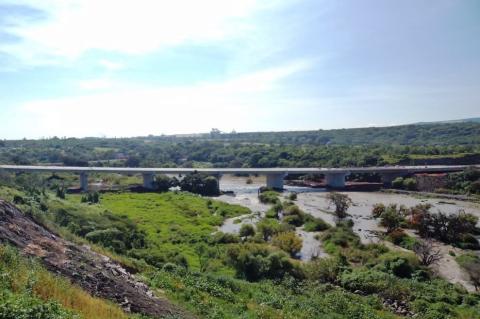
The Lerma River is a significant watercourse within the intricate network of Mexico's waterways, known for its length and crucial role in the Lerma-Chapala basin. Originating near Toluca, this river meanders through diverse landscapes, traversing the states of Mexico, Queretaro, Michoacán, and Guanajuato before emptying into Lake Chapala. The river ranks as the country's second-longest, shaping the ecosystems and livelihoods of millions of people along its course.

The Lifeblood of Eastern Cuba: The Cauto River

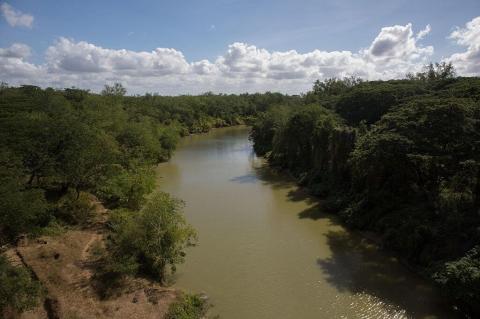
The Cauto River, Cuba's longest and most significant river, winds through the island's eastern region, sustaining ecosystems, agriculture, and communities. As a vital freshwater source, the river plays an essential role in shaping the landscapes and livelihoods of the provinces it traverses. With its diverse ecosystems, economic importance, and cultural significance, the Cauto River is a natural treasure that embodies the interplay between nature and human activity in Cuba.

The Madre de Dios River: Gateway to the Amazon Basin

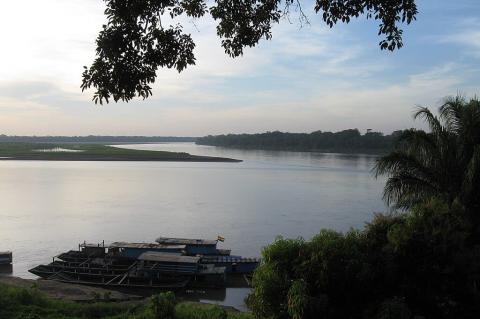
The Madre de Dios River, a vital headwater tributary of the Amazon River, forms an essential part of the Amazon River drainage basin and plays a crucial role in the geography and ecology of Peru and Bolivia. The river, originating in the Andes, flows through vast stretches of tropical rainforest, providing transportation, sustenance, and a lifeline for the sparse populations living along its banks. The river's basin is home to significant biodiversity and supports a variety of ecosystems while also serving as an essential route for the region's Indigenous peoples.

The Marañón River: The Lifeblood of the Amazon's Upper Basin

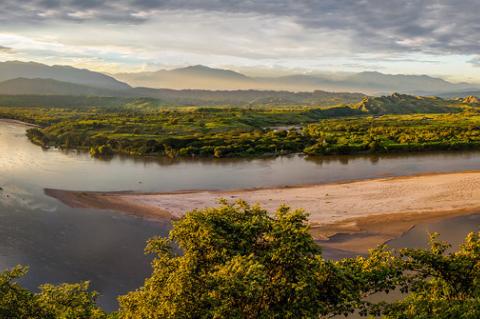
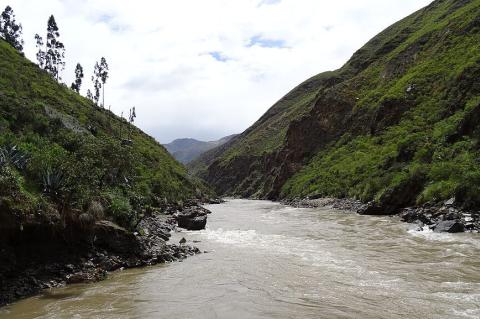
Known as the "Grand Canyon of the Amazon," the Marañón River in Peru is one of South America's most significant waterways. As a principal tributary of the Amazon River, the Marañón shapes the region's geography and serves as a cradle of biodiversity and cultural heritage. It traverses diverse landscapes, from Andean highlands to tropical rainforests, playing a vital role in the ecological and economic life of the region.

The Orinoco River: South America's Arc of Life

The Orinoco River, one of South America's largest and most significant rivers, winds through Venezuela and Colombia, serving as a crucial waterway for transportation and sustenance. Originating in the Sierra Parima mountains of the Guiana Highlands, the Orinoco flows through some of the most biodiverse and ecologically important regions in northern South America before reaching its vast delta and emptying into the Atlantic Ocean. The river and its basin are vital natural resources, supporting rich ecosystems, indigenous cultures, and human populations.

The Paraguay River: Lifeline of South America

The Paraguay River, South America's fifth-largest river, is vital for the continent's southern regions. From its source in Brazil to its confluence with the Paraná River in Argentina, the river flows through Brazil, Paraguay, and Argentina. The river not only serves as a critical geographical feature but also demarcates national borders and influences the livelihoods of millions, making it one of the most significant waterways on the continent. It is crucial in maintaining biodiversity, especially in the Pantanal, one of the world's most ecologically diverse wetlands.

The Paraná River: Lifeblood of South America

The Paraná River is an extraordinary natural feature, the second-longest river in South America after the Amazon. It traverses Brazil, Paraguay, and Argentina. Originating in southern Brazil, the Paraná River flows generally southward until it merges with the Uruguay River to form the Río de la Plata at the border of Argentina and Uruguay. This extensive river system and its encompassing basin play crucial roles in the region's environmental, economic, and cultural landscapes.