Bodies of Water

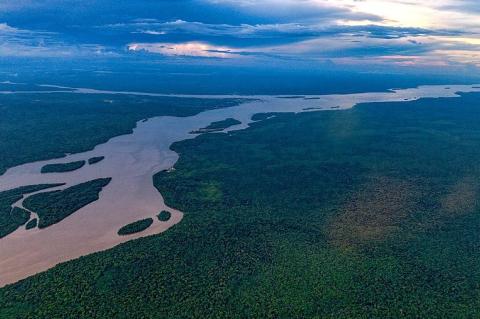
Caquetá-Japurá River: A Vital Amazonian Watercourse

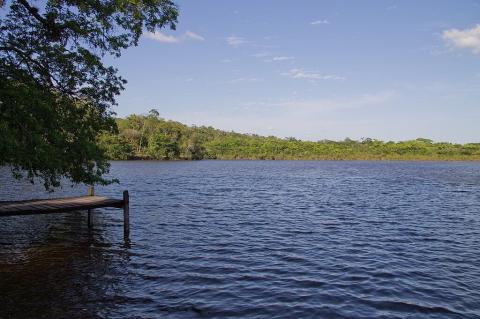
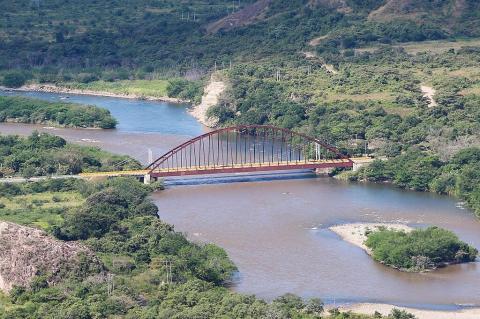
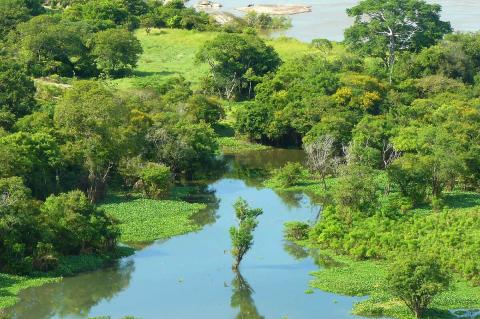
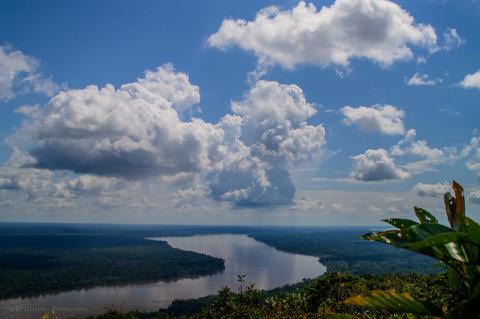
The Caquetá-Japurá River, known as the Caquetá in Colombia and the Japurá in Brazil, is one of the significant tributaries of the Amazon River. The river flows through Colombia and Brazil, playing a crucial role in the hydrology and ecology of the Amazon Basin. Its extensive basin covers a vast area in both countries and is characterized by diverse ecosystems, including some of the most extensive wetlands in the Amazon.

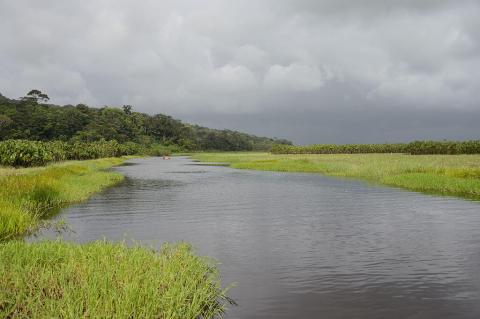
Coco River: The Lifeblood of Nicaragua and Honduras

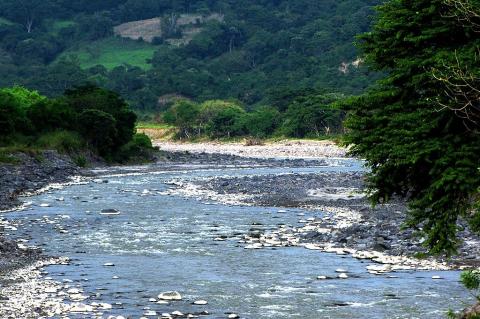
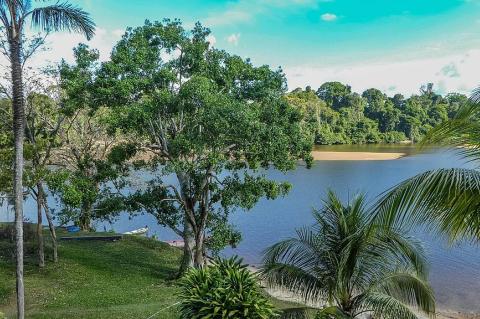
The Coco River is one of the most prominent rivers in Central America. Formerly referred to as the Segovia River, it stretches along the border between Nicaragua and Honduras, serving as a natural divider and a cultural crossroads. Originating in the highlands of Honduras and flowing eastward to the Caribbean Sea, the Coco River supports diverse ecosystems and Indigenous communities while facilitating economic activities such as agriculture and fishing.

Étang Saumâtre: Exploring Haiti's Hidden Oasis

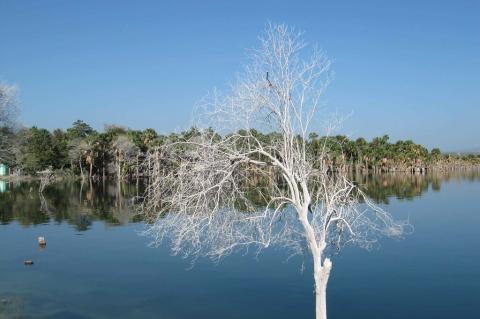
Nestled amidst the rugged terrain of southeastern Haiti lies a hidden oasis of unparalleled beauty and ecological significance: Étang Saumâtre, also known as Lake Azuéi. As the largest lake in Haiti and the second largest in Hispaniola after Lake Enriquillo in the Dominican Republic, this salty water body embodies the essence of Haiti's natural landscape, offering a sanctuary of tranquility and biodiversity in the heart of the Caribbean.

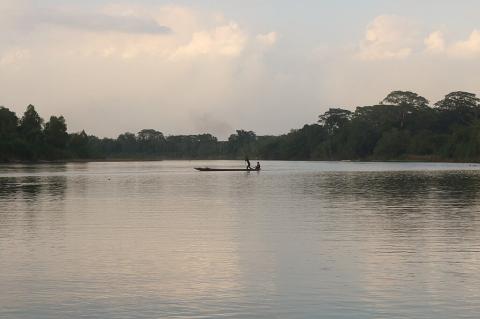
Exploring the Essequibo: Guyana's Mighty Watercourse

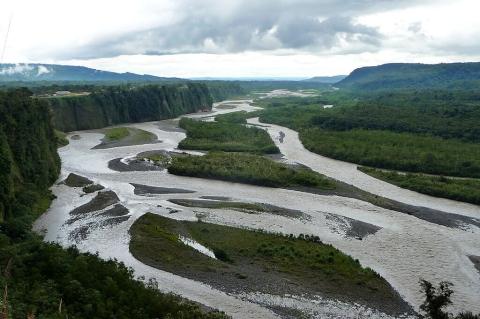
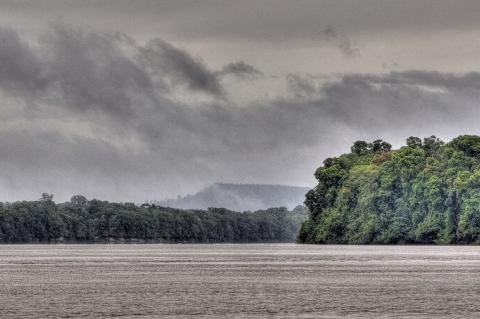
The Essequibo River, a titan among South American rivers, gracefully meanders through the heart of Guyana, leaving an indelible mark on the nation's landscapes, biodiversity, and history. This majestic watercourse, the longest and most comprehensive in Guyana, is a testament to the country's natural splendor and cultural significance, and in recent years has become known internationally as the namesake of a territorial dispute over roughly two-thirds of Guyana's national territory.

Exploring the Southern Ocean: Antarctica's Vital Frontier

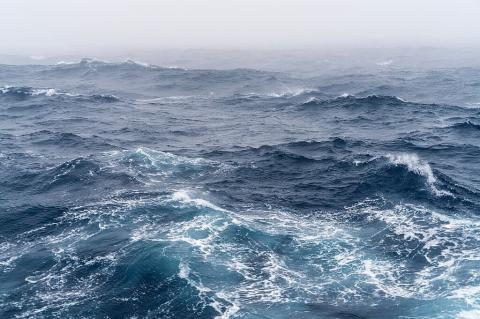
The Southern Ocean, encircling Antarctica, is a critical yet often overlooked component of the global environmental system. Recognized as the world's fifth ocean, it connects the Atlantic, Pacific, and Indian Oceans while hosting unique ecosystems and playing a pivotal role in regulating Earth's climate. With its vast expanse of icy waters, powerful currents, and abundant marine life, the Southern Ocean is a nexus of biodiversity, carbon cycling, and oceanographic processes.

Guanabara Bay: A Deep Dive into Brazil's Iconic Coastal Treasure

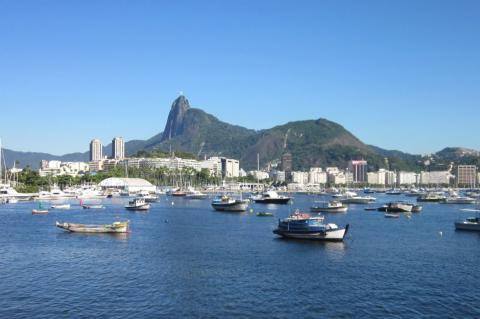
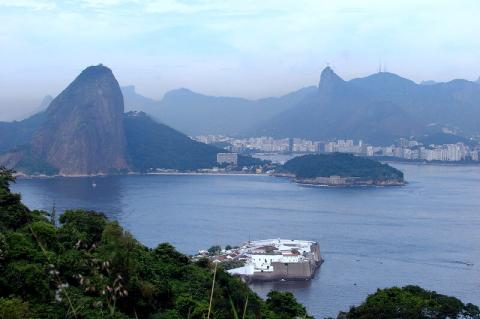
Guanabara Bay in Southeast Brazil is a historically significant coastal landmark. Situated in Rio de Janeiro, it's known for its natural beauty, strategic importance, and bustling life along its shores. Despite being overshadowed by Rio de Janeiro, the bay holds a rich history and ecological significance that warrant closer examination. This overview explores its geographical features, historical context, ecological challenges, and role in Brazil's cultural and economic landscape.

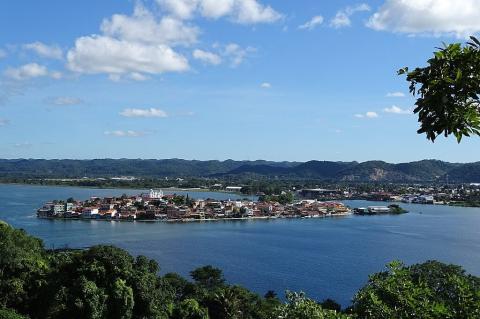
Guatemala's Vital Waterway: The Motagua River

Flowing from the western highlands to the Caribbean Sea, the Motagua River is one of Guatemala's most significant waterways. Spanning a diverse range of ecosystems and serving as a crucial natural and economic resource, the river has shaped the country's geography, history, and development. Its waters have sustained ancient civilizations, provided routes for trade, and supported agriculture and industry. Despite its importance, the Motagua River faces environmental challenges that threaten its future.

Gulf of Panama: The Heart of Maritime Trade and Biodiversity

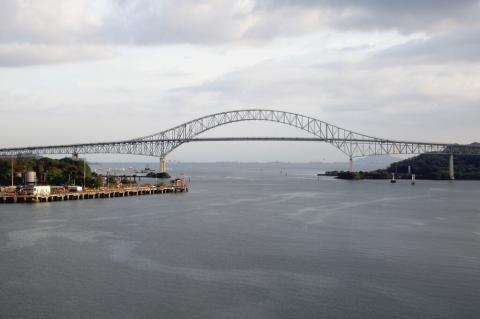
The Gulf of Panama, a prominent body of water along Panama's southern coast, serves as a key connection between the Pacific Ocean and the Panama Canal, making it a vital hub for global maritime trade. With its unique geographical features and ecological diversity, this expansive Gulf is central to Panama's economy and natural heritage. Home to the bustling capital, Panama City, and bordered by smaller gulfs and bays, the Gulf is a dynamic region where urban development and natural environments coexist.

Gulf of Tribugá: Colombia's Hidden Ecological and Cultural Gem

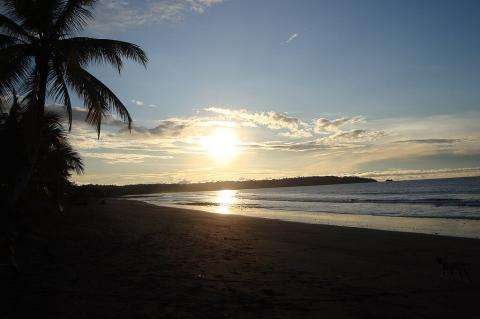
The Gulf of Tribugá is an unspoiled paradise on Colombia's Pacific coast, offering stunning landscapes, diverse biodiversity, and traditional communities. The Tribugá-Cupica-Baudó Biosphere Reserve, created to conserve the region's rich biodiversity and cultural heritage, fosters sustainable development and community involvement.

Itaipu: Powering Progress, Preserving Nature

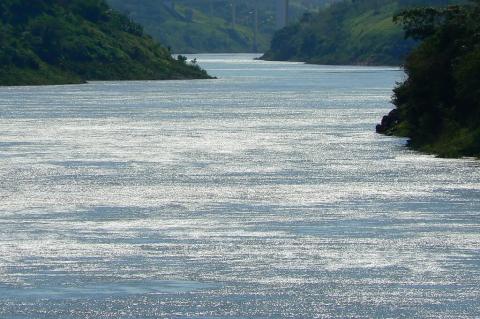
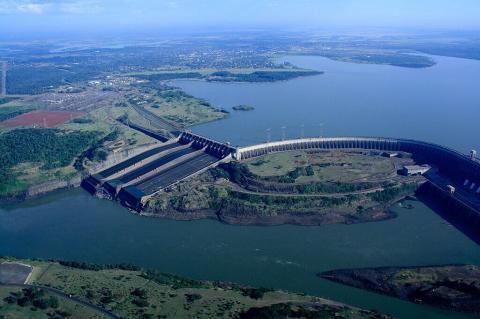
The Itaipu Dam, a colossal feat of engineering, is situated on the Paraná River at the border of Brazil and Paraguay. Recognized as one of the largest hydroelectric power plants in the world by installed capacity, Itaipu serves as a critical energy source for both nations while symbolizing international cooperation and technological achievement. The Itaipu Reservoir, created by the dam, stretches across a vast area, supporting energy production, water management, and biodiversity.