Landforms of South America

The Mindo Valley: Exploring Ecuador's Natural Paradise

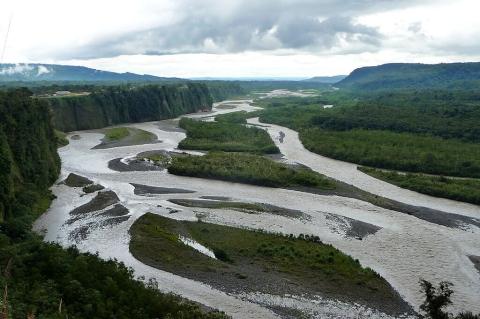
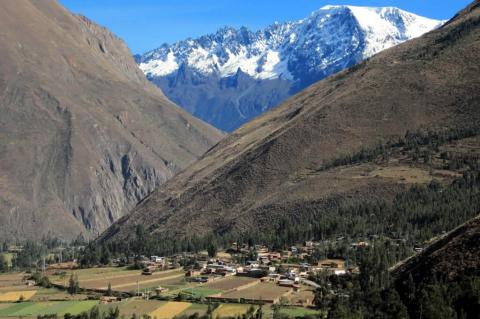
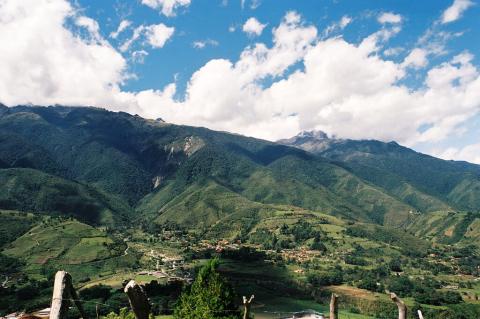
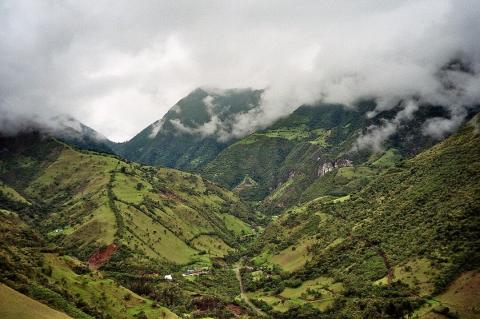
Tucked away amidst the emerald embrace of the northern Ecuadorian Andes, the Mindo Valley beckons with its enchanting allure—a realm where verdant cloud forests, meandering rivers, and kaleidoscopic biodiversity converge to create a paradise for nature enthusiasts. Within this mosaic of ecosystems lies a treasure trove of natural wonders waiting to be explored, making Mindo a haven for adventurers and seekers of ecological splendor.

The Mojanda Lakes Complex: A Testament to Ecuador's Volcanic Legacy

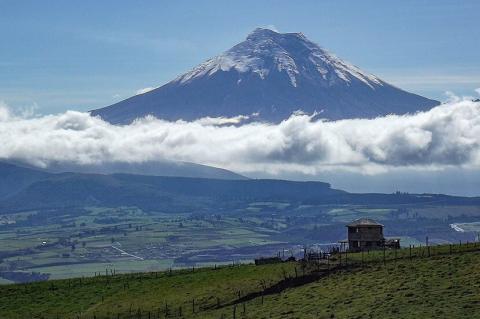
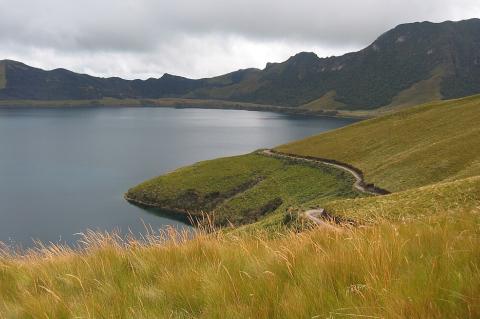
High in northern Ecuador's Andean highlands, where páramo grasslands meet mountain air, lies the Mojanda Lakes complex. These three turquoise lakes sit within an ancient volcanic caldera, telling a story of geological evolution that spans hundreds of thousands of years. The complex is a unique example of simultaneous volcanic activity, with two stratovolcanoes—Mojanda and Fuya Fuya—forming at the same time, yet exhibiting very different eruptive behaviors and magmatic compositions.
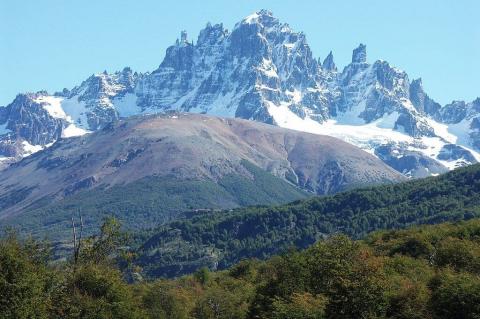
The Natural Splendor of Cerro Castillo National Park

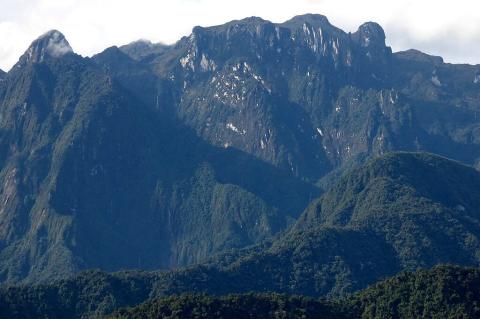
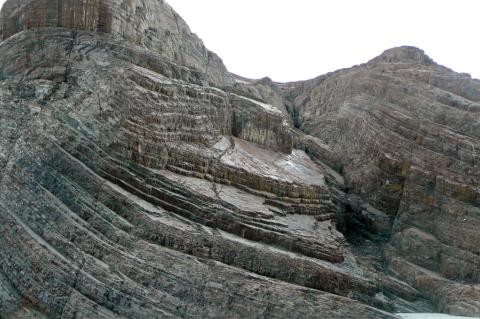
Cerro Castillo National Park, located in the Aysén Region of southern Chile, is a stunning example of Patagonia's natural beauty and biodiversity. Named after the majestic Cerro Castillo peak, the park is a haven for those seeking to experience southern Chile's raw, unspoiled wilderness. With its dramatic landscapes, diverse ecosystems, and rich wildlife, Cerro Castillo National Park provides a unique and captivating glimpse into the heart of the Patagonian Andes.
The Nazca Plate: Engine of Andean Formation

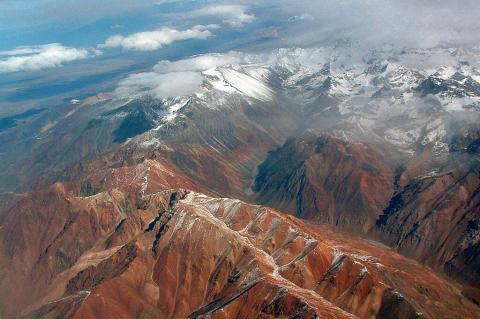
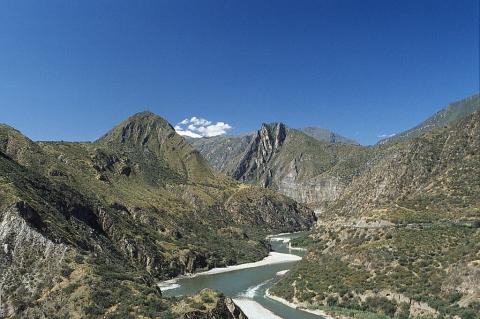
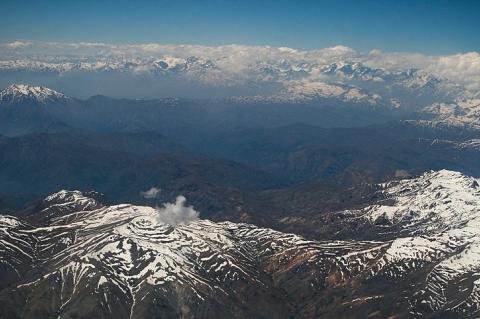
The Nazca Plate, a medium-sized oceanic plate covering approximately 15 million square kilometers (5.8 million square miles), serves as the primary force behind the formation of the Andes Mountains and volcanic activity along South America's western edge. Named after the Nazca region in southern Peru, this entirely oceanic plate illustrates how oceanic-continental convergence gives rise to some of Earth's most impressive geological features.

The Northern Patagonian Ice Field: A Living Testament to Chile's Glacial Past

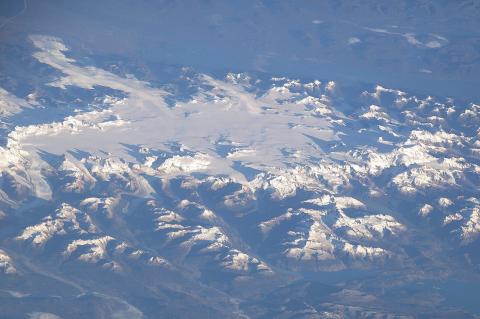
Nestled within the breathtaking and rugged landscapes of southern Chile, the Northern Patagonian Ice Field stands as a profound testament to the enduring power and legacy of the Andes Mountains. This immense ice mass, smaller than its southern counterpart but no less magnificent, represents one of the last major remnants of the once-vast Patagonian Ice Sheet. Its entirety lies protected within the boundaries of the Laguna San Rafael National Park, a designated UNESCO Biosphere Reserve, underscoring its immense ecological and scientific value.

The Orinoco River: South America's Arc of Life

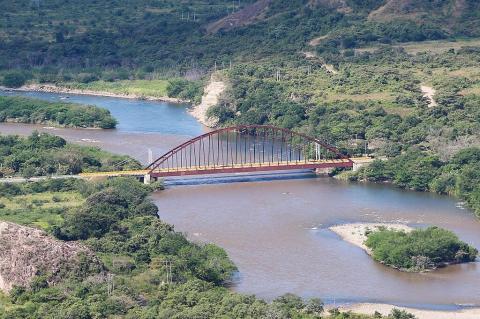
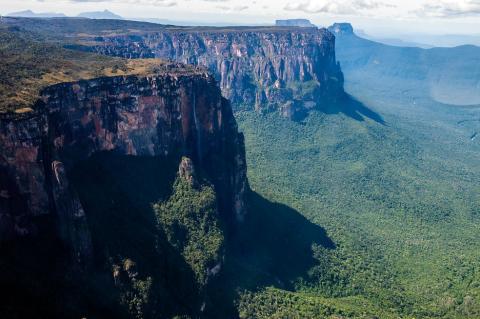
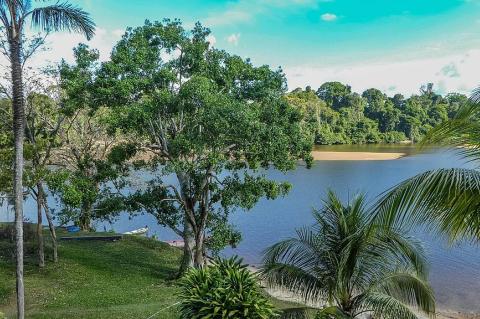
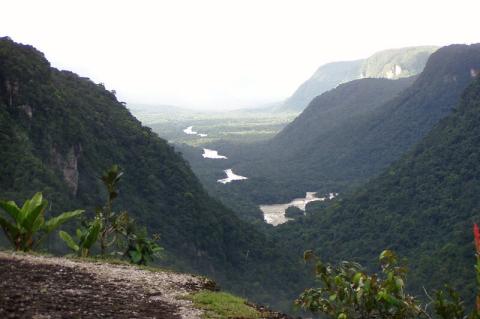
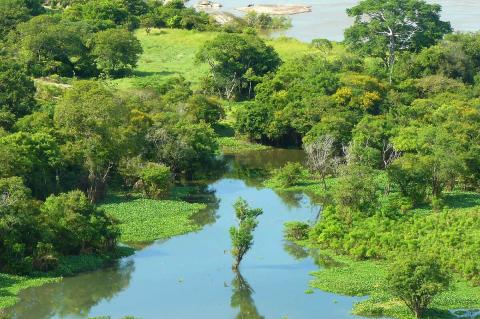
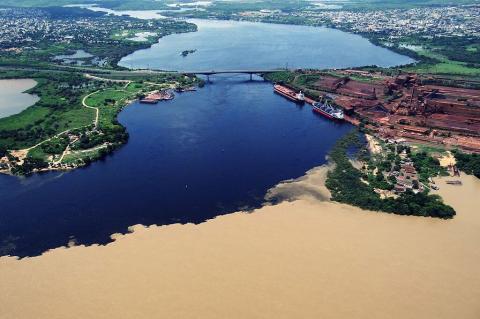
The Orinoco River, one of South America's largest and most significant rivers, winds through Venezuela and Colombia, serving as a crucial waterway for transportation and sustenance. Originating in the Sierra Parima mountains of the Guiana Highlands, the Orinoco flows through some of the most biodiverse and ecologically important regions in northern South America before reaching its vast delta and emptying into the Atlantic Ocean. The river and its basin are vital natural resources, supporting rich ecosystems, indigenous cultures, and human populations.

The Pacific Plate: The Giant of Global Tectonics

The Pacific Plate, Earth's largest tectonic plate, covers approximately 103.3 million square kilometers (39.9 million square miles) and dominates nearly one-third of the planet's surface beneath the Pacific Ocean. This massive oceanic plate drives many of the world's most spectacular geological phenomena, from the Ring of Fire's volcanic chains to Hawaii's hotspot islands, demonstrating the profound influence of plate tectonics on global geology.

The Paraguay River: Lifeline of South America

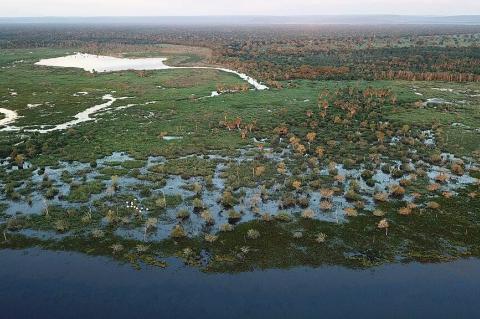
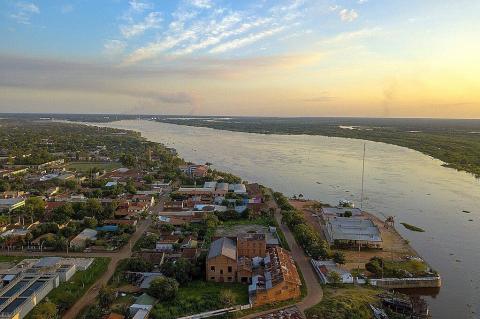
The Paraguay River, South America's fifth-largest river, is vital for the continent's southern regions. From its source in Brazil to its confluence with the Paraná River in Argentina, the river flows through Brazil, Paraguay, and Argentina. The river not only serves as a critical geographical feature but also demarcates national borders and influences the livelihoods of millions, making it one of the most significant waterways on the continent. It is crucial in maintaining biodiversity, especially in the Pantanal, one of the world's most ecologically diverse wetlands.

The Paraná River: Lifeblood of South America

The Paraná River is an extraordinary natural feature, the second-longest river in South America after the Amazon. It traverses Brazil, Paraguay, and Argentina. Originating in southern Brazil, the Paraná River flows generally southward until it merges with the Uruguay River to form the Río de la Plata at the border of Argentina and Uruguay. This extensive river system and its encompassing basin play crucial roles in the region's environmental, economic, and cultural landscapes.

The Paranapanema River: From Source to Confluence

The Paranapanema River is one of the most significant rivers in southeastern Brazil. Originating in the Serra do Paranapiacaba and flowing westward until it meets the Paraná River, it traverses a rich and varied landscape. It is a crucial water source for numerous ecosystems and a vital component of the region’s economy, supporting agriculture, hydropower, and local communities.